
Zellige Tilework Walls
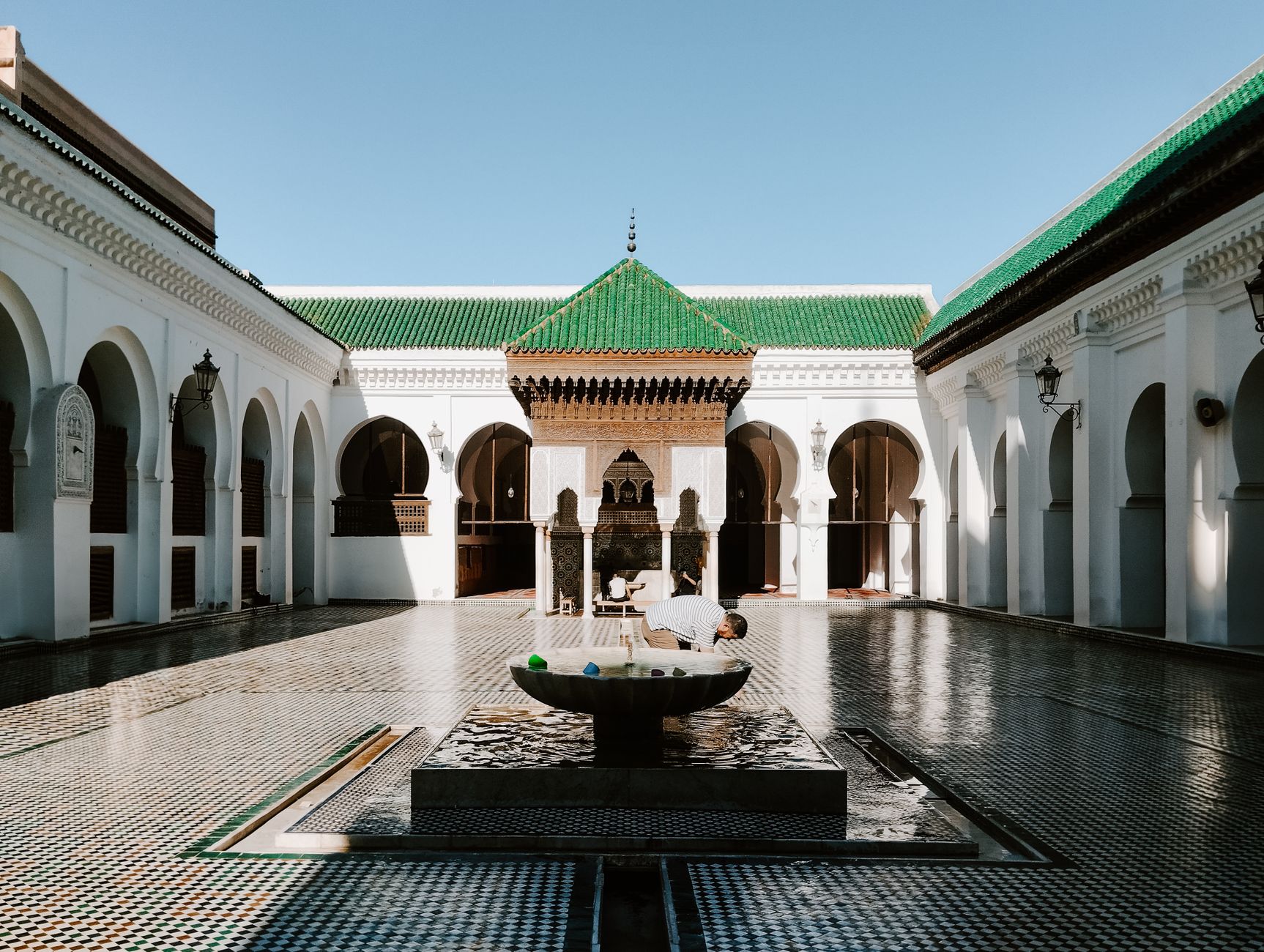
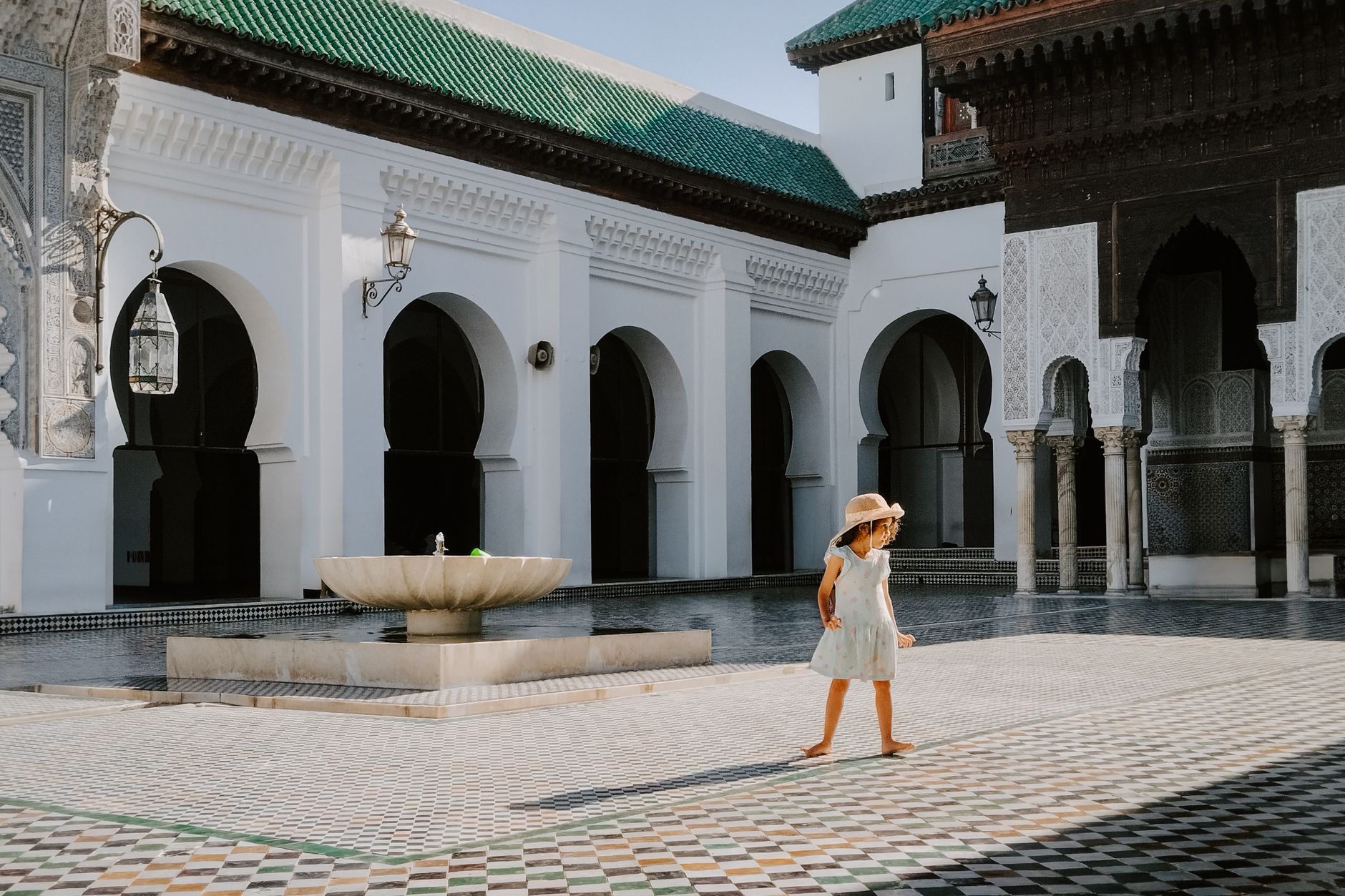
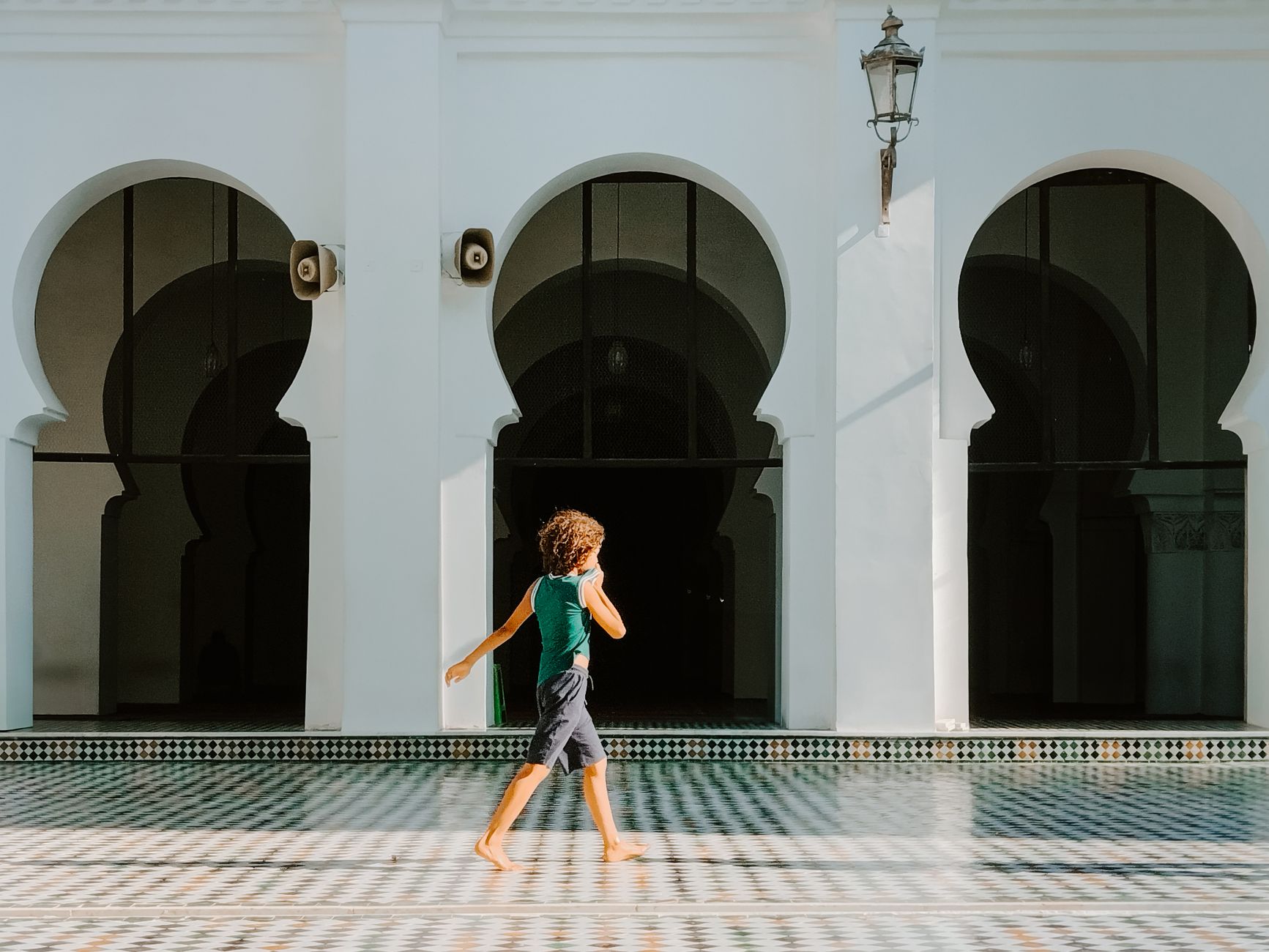
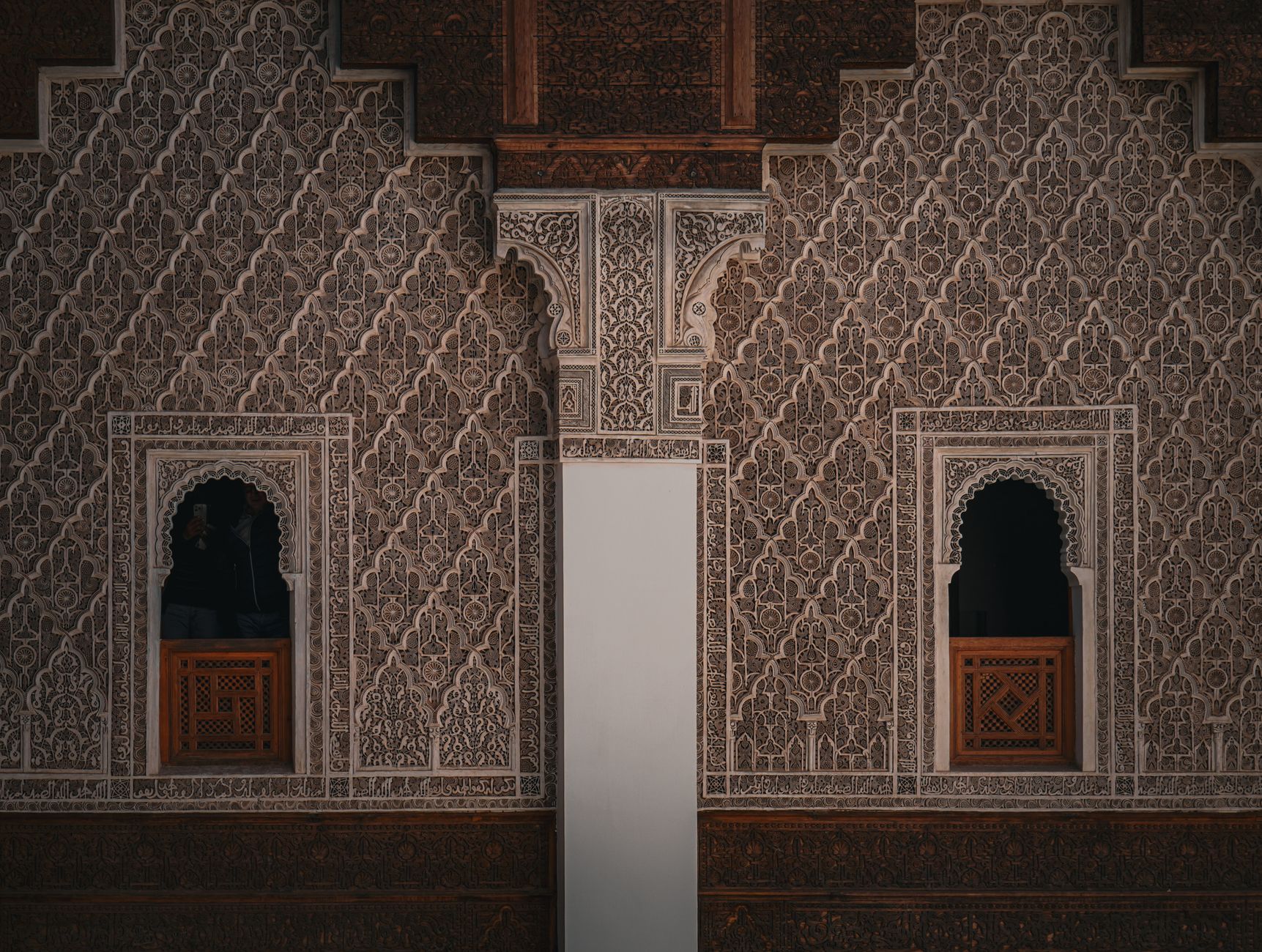
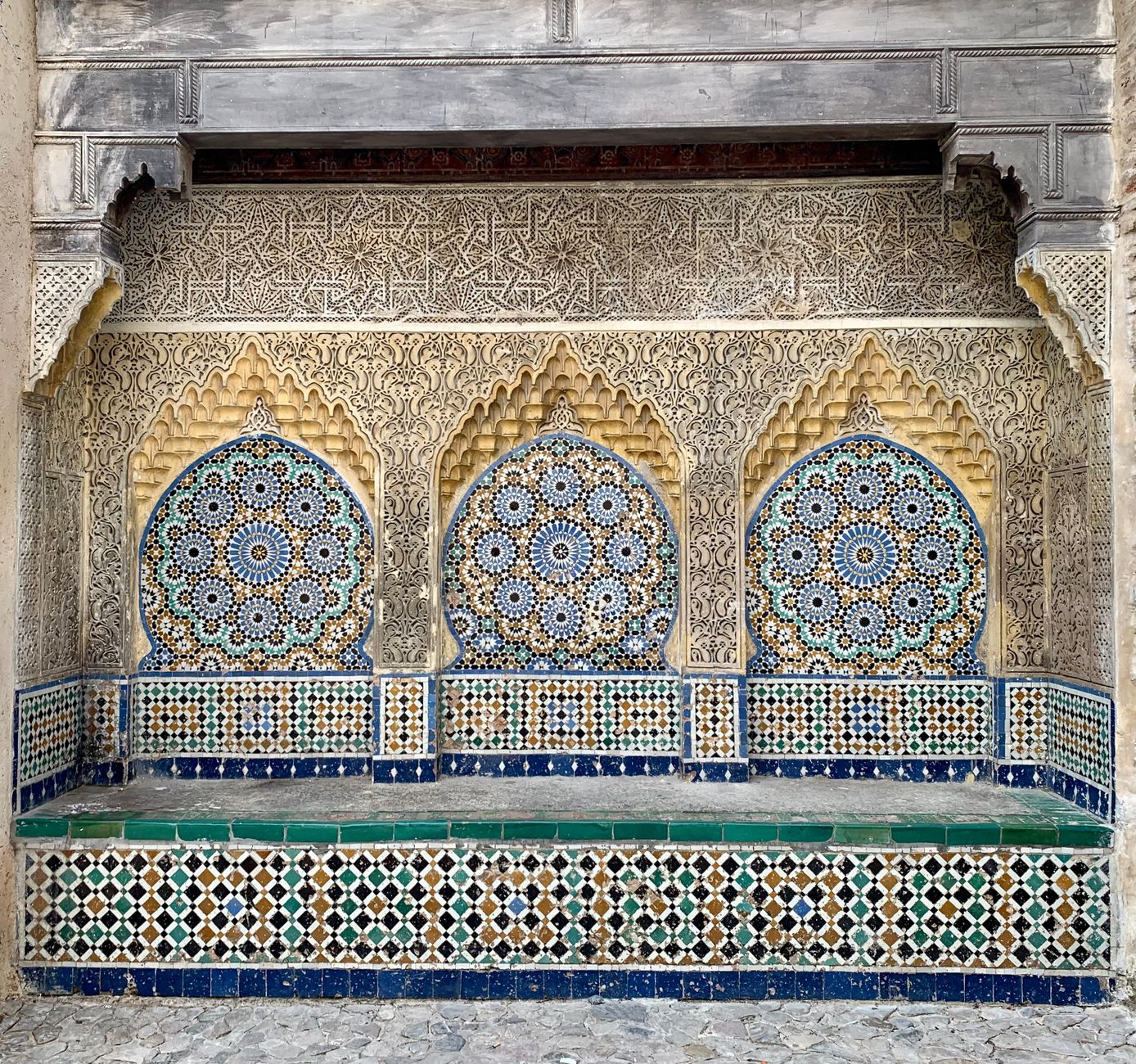
Run your hand along the lower walls of Ben Youssef Madrasa and you'll notice something immediately: the tiles are thicker than you'd expect, 3 cm deep rather than the standard cut, which gives the surface a solidity that photographs never quite capture. Cobalt blue, emerald green, and ochre lock together in star-shaped geometries that climb to roughly eye level before giving way to calligraphic friezes, then stucco, then carved cedar — a vertical grammar that organizes the entire interior.
The colorway is quieter than you might anticipate from a Saadian-era monument. Blues and greens sit close in tone, earth tones anchor them, and the overall effect is less spectacle than steadiness — something appropriate for walls that once surrounded students bent over manuscripts.
💛 What travellers fall for
People who visit more than once tend to arrive right at 9 AM, when the light enters the courtyard at a low angle and catches the tile faces cleanly before the space fills. They also note that crouching down to the base of the walls — where the zellige meets the marble floor — gives you the sharpest sense of how the geometric patterns were assembled from individually cut fragments rather than printed or stamped.
How Zellige Tilework Walls came to be
The first madrasa on this site was founded during the Marinid dynasty under Sultan Abu al-Hasan, who ruled from 1331 to 1348. The structure visitors walk through today, however, is a Saadian replacement: Sultan Abdallah al-Ghalib commissioned a full rebuild in 1564–65 CE, and it was this campaign that produced the zellige walls as they now stand — part of a broader Saadian project of architectural assertion in Marrakech.
The madrasa functioned as a place of Quranic study for centuries before closing in 1960. After restoration it reopened to the public in 1982, then closed again in November 2018 for further conservation work, finally reopening in April 2022.
Who and what shaped it
People who shaped it
Landmark buildings
Plan your visit
On the map
When to go
Spring (March to May) and autumn (late September to mid-November) are the most comfortable windows — warm without the punishing midday heat of July and August, when temperatures in Marrakech regularly exceed 36°C. The madrasa is largely open-air, so summer visits work best in the first hour after opening.
Right now
Background & history adapted from Wikipedia (CC BY-SA) · specs from Wikidata (CC0) · weather from Open-Meteo · map data © OpenStreetMap contributors · photos from Wikimedia Commons / Unsplash with per-image credit. No third-party reviews or social posts reproduced.