
Minaret Base
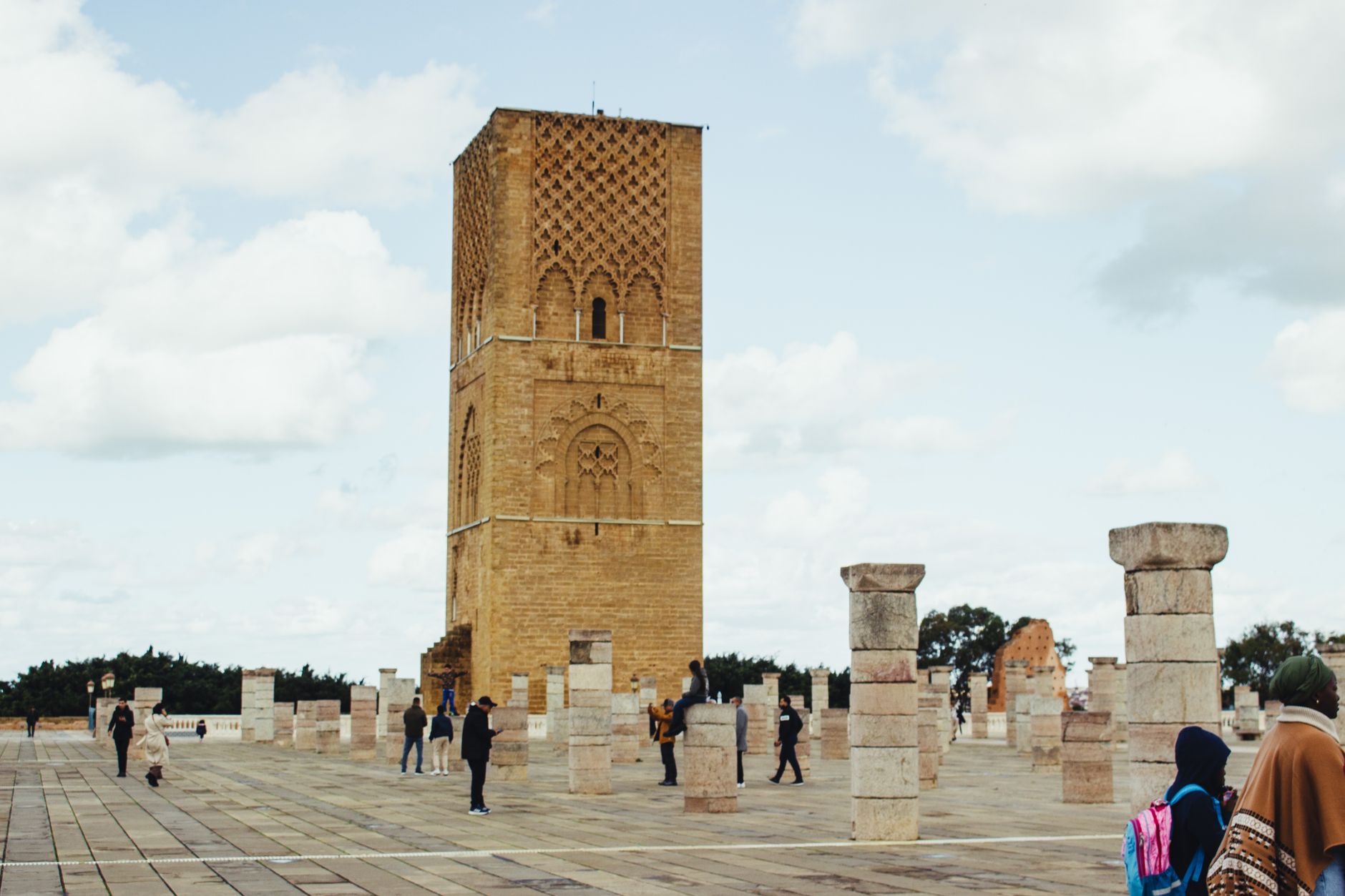
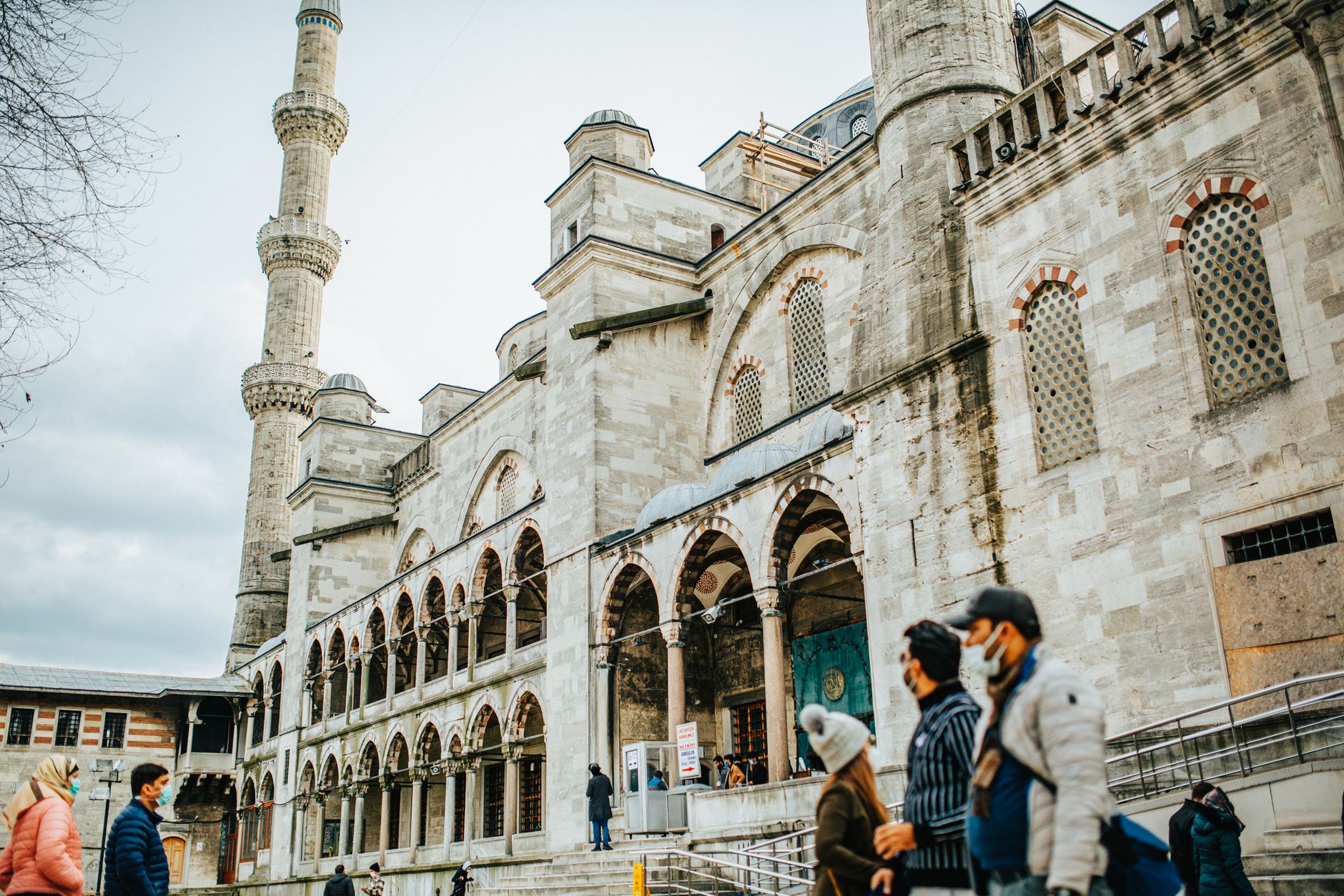
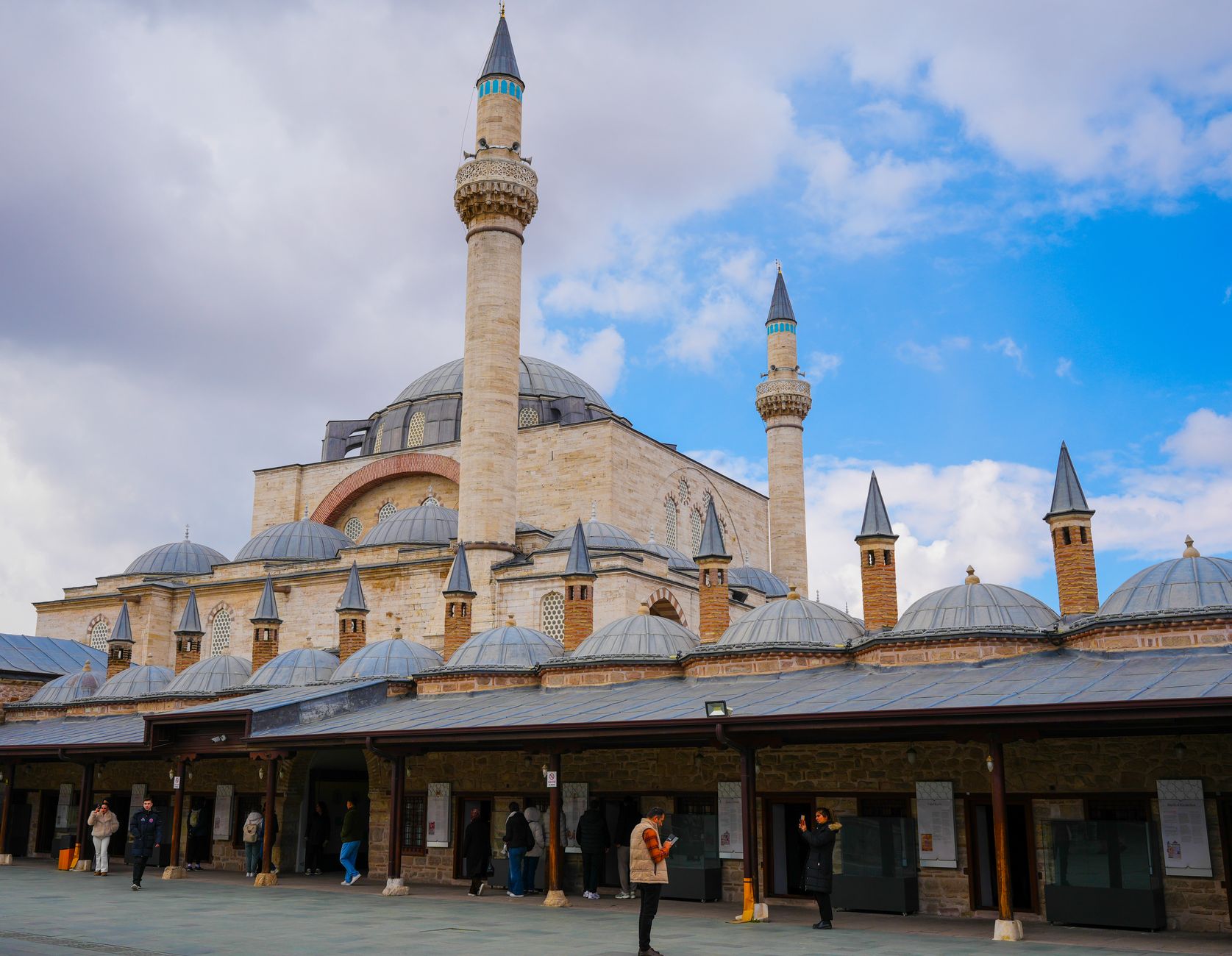
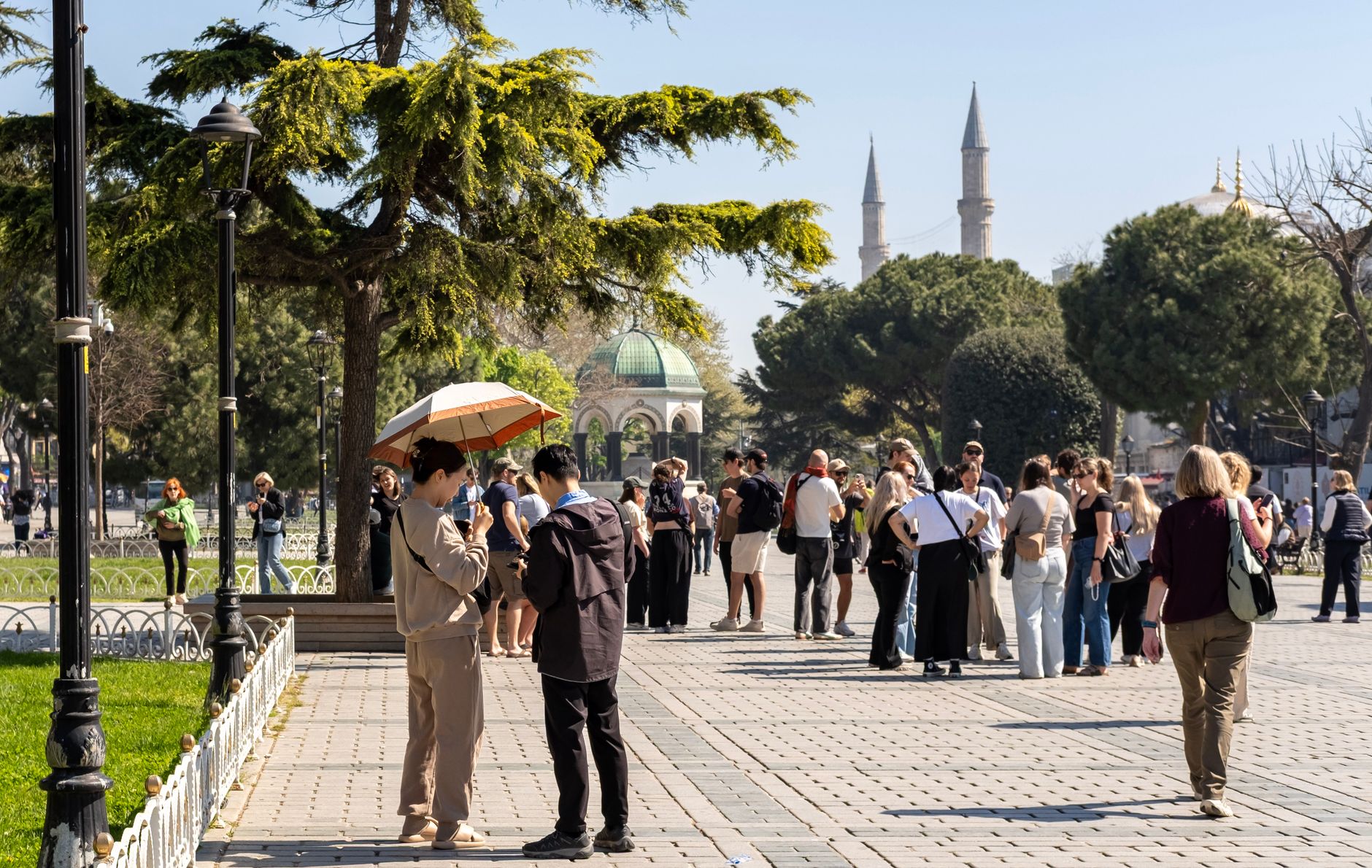
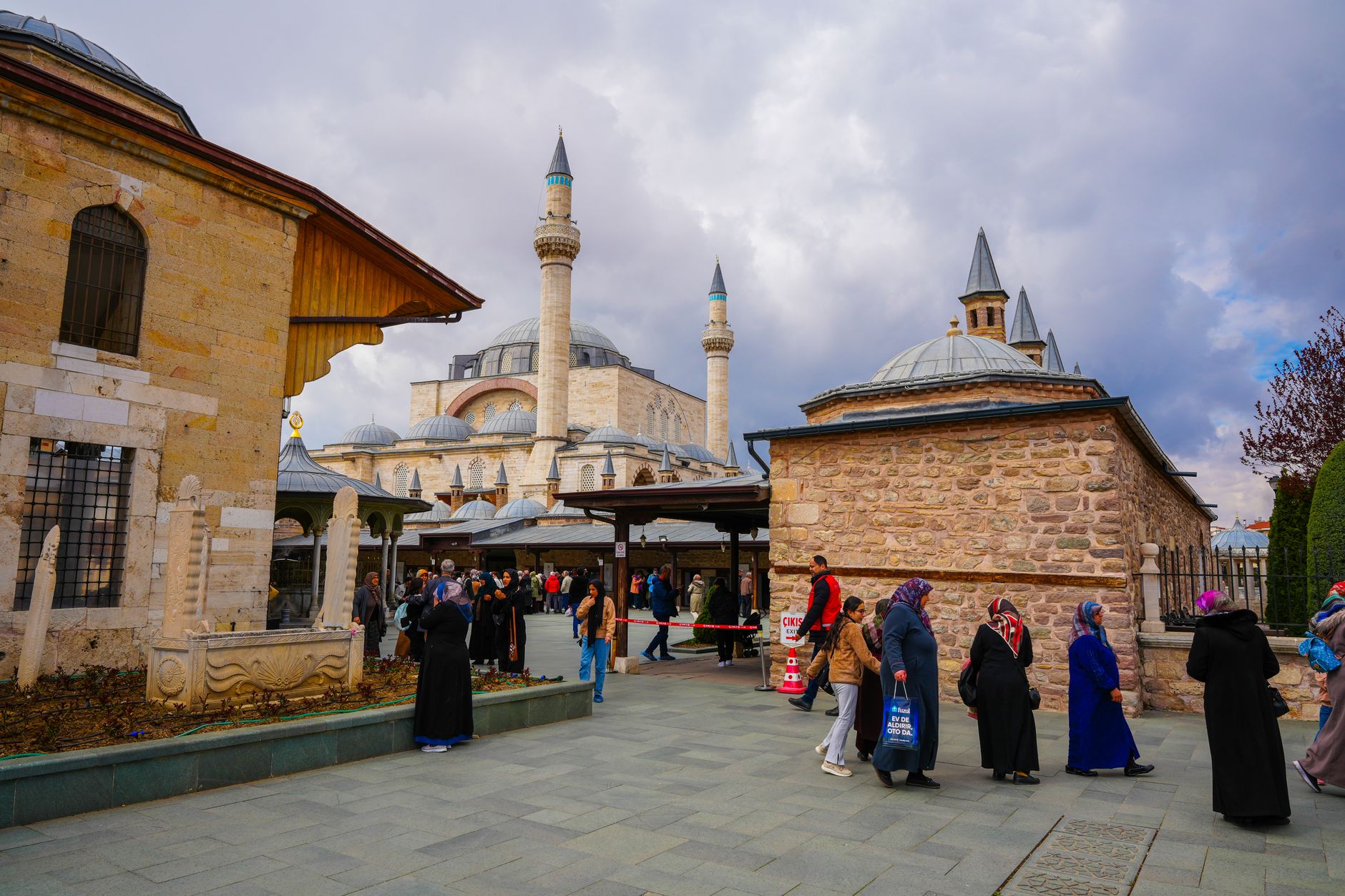
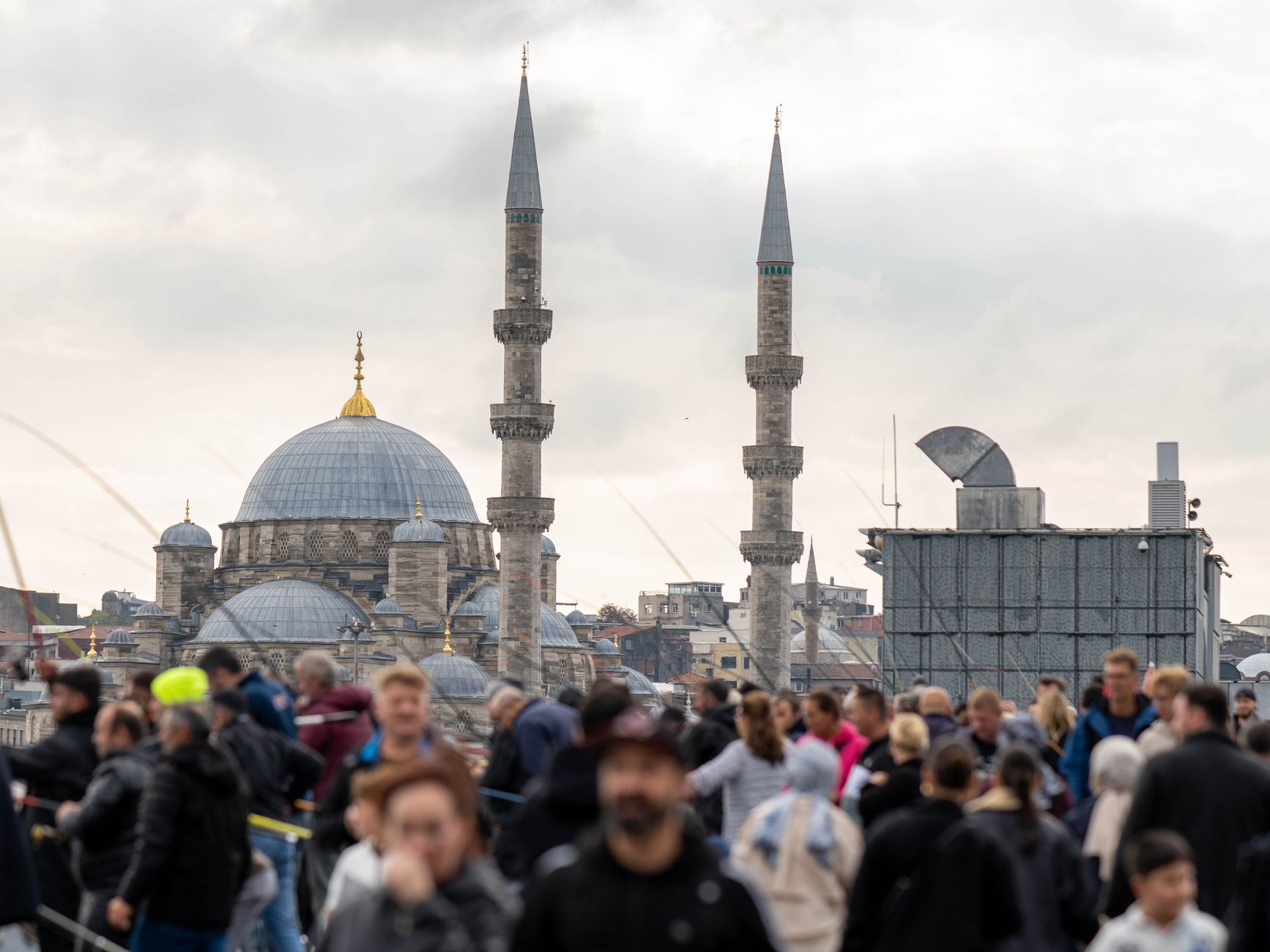
The minaret of Ben Youssef Mosque rises from a square base eight metres on each side, its two vertical bands of green tiling visible from the lanes of the northern medina before you even find the madrasa entrance. Standing at its foot, you're at the outer edge of one of Marrakech's oldest religious complexes — the mosque itself remains closed to non-Muslims, but the base anchors the whole quarter, giving you a sense of the scale and orientation of everything around it.
This corner of the site is less visited than the courtyard or the upper cells, which means you can take a moment to look up without someone's shoulder in your frame. The stonework here is plain compared to the stucco inside — functional, load-bearing — and that contrast is worth pausing over.
💛 What travellers fall for
People who come back tend to use this spot as a compass point. Find the minaret first, get your bearings, then work inward through the madrasa. It saves the disorientation of emerging from the ticket office unsure which way the courtyard lies. The light on the green tiles is best in the late morning.
How Minaret Base came to be
A madrasa has stood on this site since the Marinid era, founded between 1331 and 1348 under Sultan Abu al-Hasan. The current structure, however, is Saadian work: Sultan Abdallah al-Ghalib commissioned it, and it was completed in 1564–65. The complex takes its name from the Almoravid sultan Ali ibn Yusuf, who ruled from 1106 to 1142 and whose mosque originally defined this corner of the medina.
The madrasa closed in 1960 and reopened as a public historical site in 1982, then underwent further restoration between 2018 and 2022. The adjacent mosque's minaret — roughly 40 metres high — predates the current madrasa and has watched several centuries of students pass through the courtyard below.
Who and what shaped it
People who shaped it
Landmark buildings
Plan your visit
On the map
When to go
Spring (March to May) and autumn (October to November) offer the most comfortable conditions, with daytime temperatures between 20°C and 28°C. Summer visits are possible but the heat regularly exceeds 38°C, and the open stone around the minaret base offers no shade.
Right now
Background & history adapted from Wikipedia (CC BY-SA) · specs from Wikidata (CC0) · weather from Open-Meteo · map data © OpenStreetMap contributors · photos from Wikimedia Commons / Unsplash with per-image credit. No third-party reviews or social posts reproduced.