
Majorelle Garden
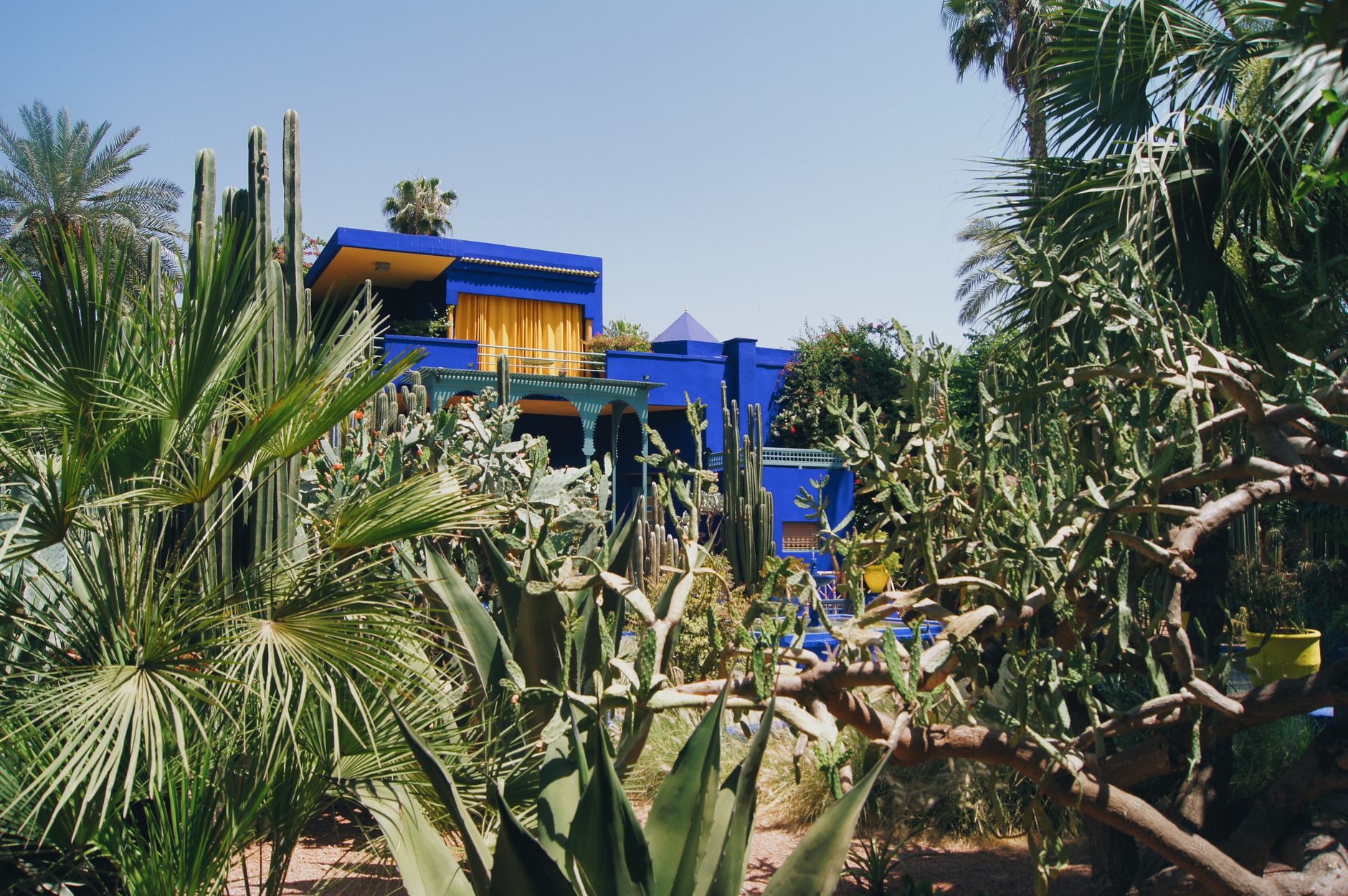
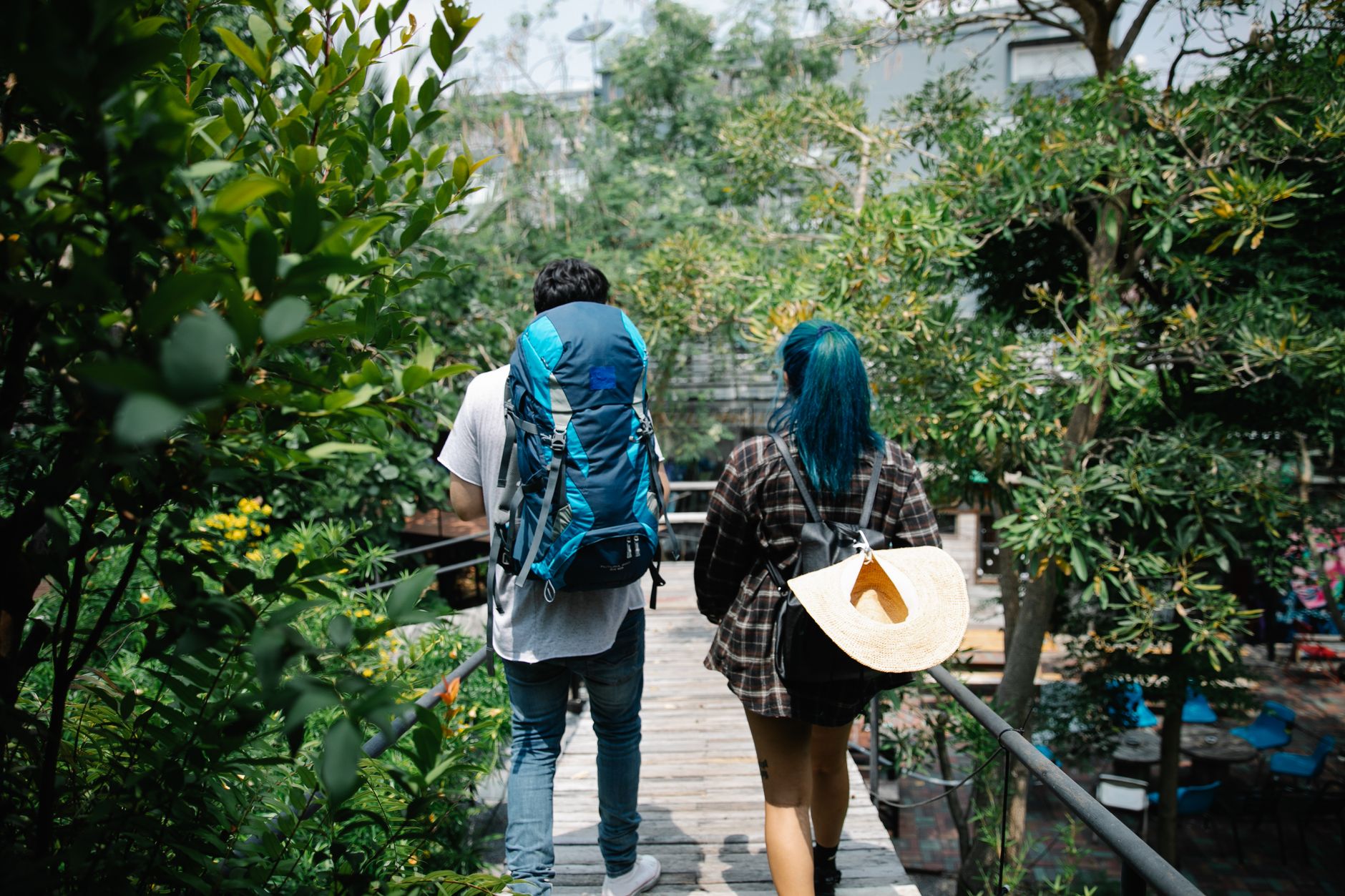
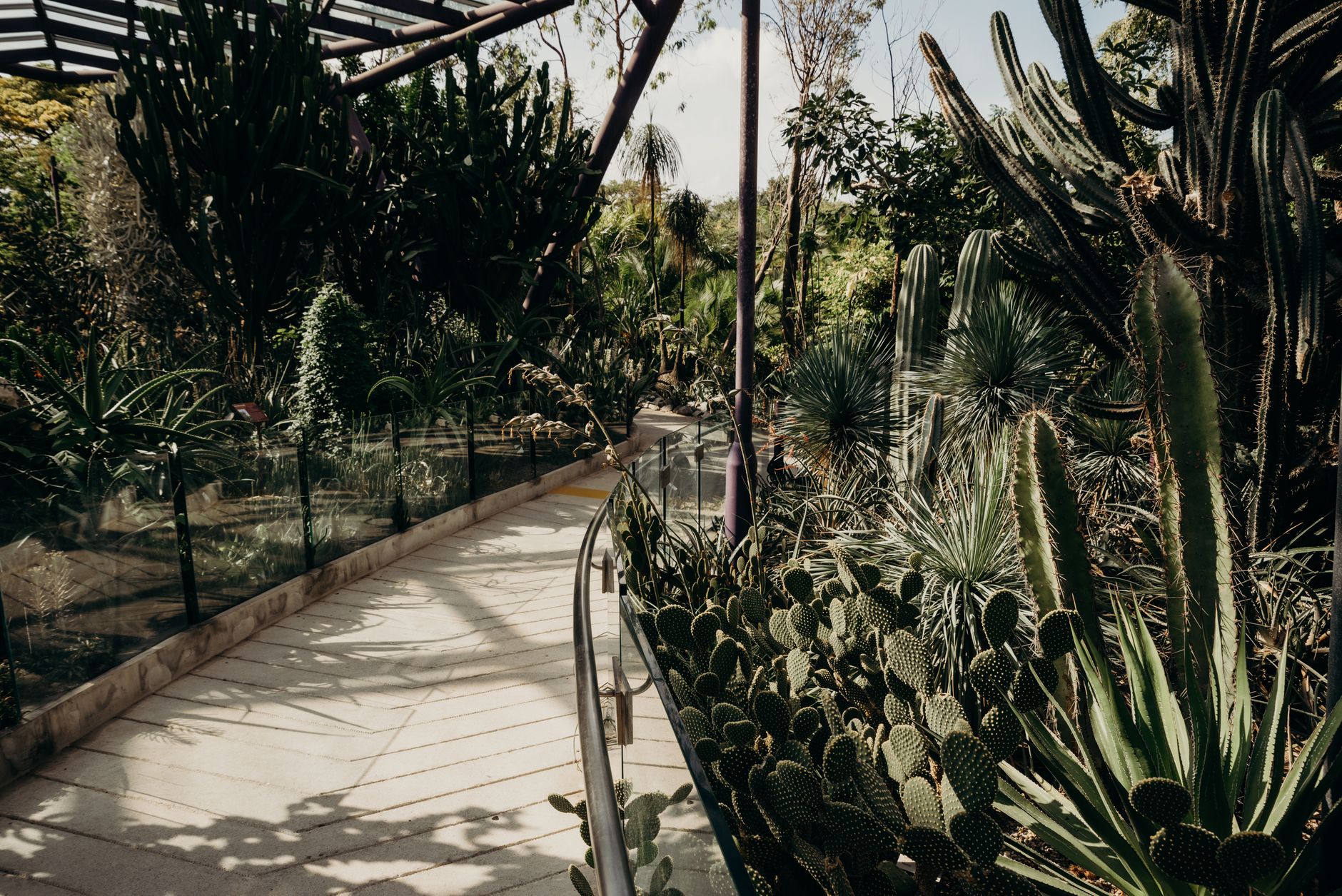
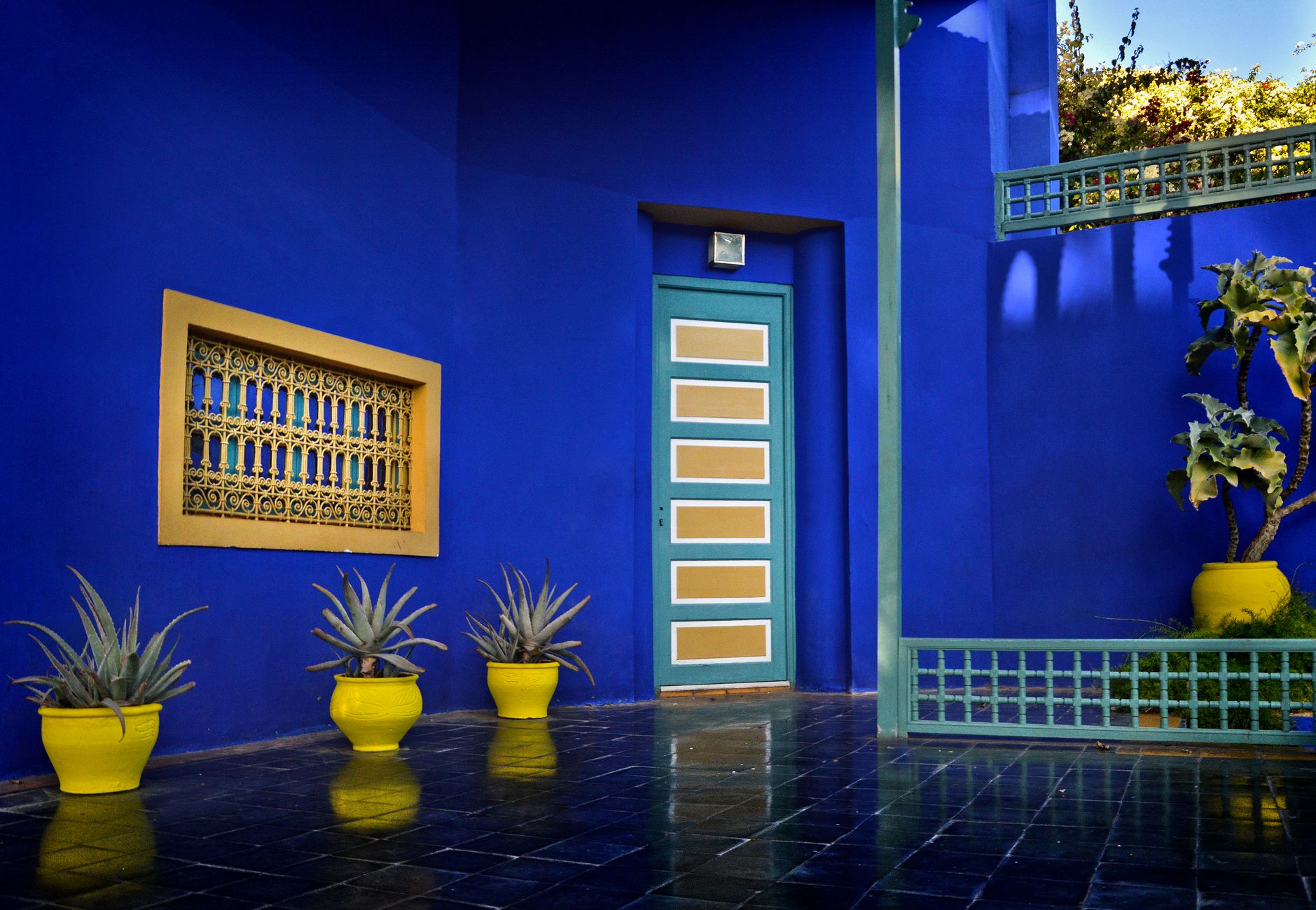
The first thing you notice is the blue — not turquoise, not sky, but a deep, almost aggressive cobalt that Majorelle mixed himself and eventually had patented. It coats the studio walls, the planters, the low garden benches, and it holds its own against the Marrakech light in a way that softer colours simply wouldn't. Around it, over two and a half acres, Jacques Majorelle spent nearly forty years assembling one of the more obsessive botanical collections in North Africa: towering cacti, bamboo groves, lily-covered pools, and more than three hundred plant species.
Two museums now share the site — the Pierre Bergé Museum of Berber Arts inside Majorelle's former studio, and the Yves Saint Laurent Museum just outside the garden walls. A Roman pillar that Saint Laurent and Pierre Bergé pulled from a beach in Tangier stands in the garden as an unofficial memorial. The place holds several lives at once.
💛 What travellers fall for
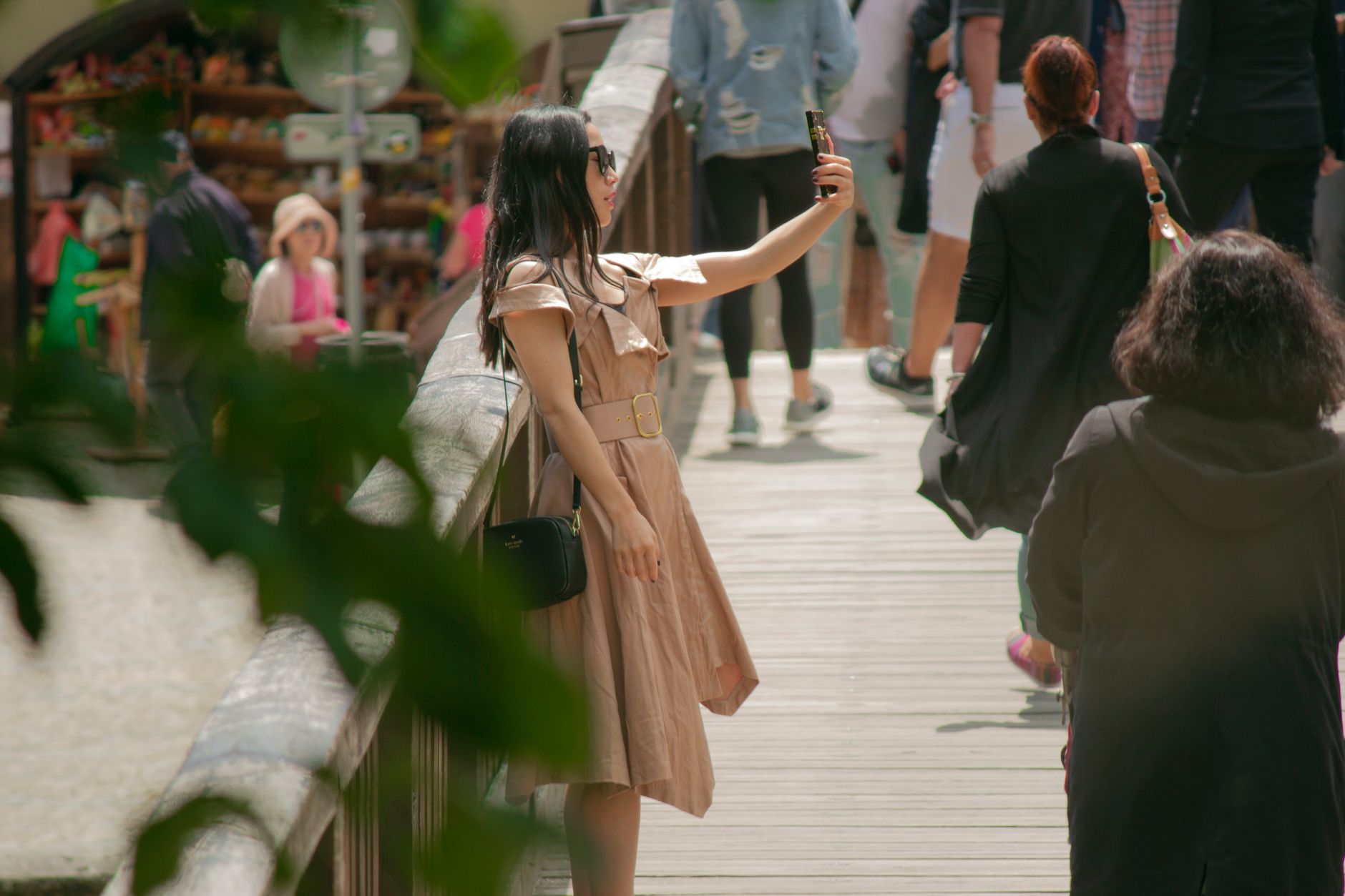
People who've been more than once tend to say the same thing: go at 8 a.m., the moment the gates open. The light is cooler, the paths are genuinely quiet, and you can stand in front of the studio and take it in without anyone's phone appearing in your frame. The boutique, when it opens, sells Majorelle blue slippers that travel well.
Deals in Majorelle Garden
Book directly at the provider
How Majorelle Garden came to be
Jacques Majorelle arrived in Marrakech in 1919 and began shaping the garden in 1923, working on it until shortly before his death in 1962. He opened it to the public in 1947, charging admission to cover maintenance. After his divorce in the 1950s the property changed hands and slowly fell apart.
Yves Saint Laurent and Pierre Bergé found it in the early 1980s, bought it, and restored it over years of careful work. When Saint Laurent died in 2008, his ashes were scattered here. Bergé continued directing the garden's foundation until his own death in September 2017, the same year the Yves Saint Laurent Museum opened on the adjacent plot. Since 2011, the Foundation Jardin Majorelle has managed the site.
Who and what shaped it
People who shaped it
Landmark buildings
See Majorelle Garden in motion
Plan your visit
On the map
When to go
April and May bring the garden's plant collection into full bloom under warm but manageable temperatures — the most rewarding time to visit. Summer midday heat in Marrakech can be intense, so an early-morning arrival matters most between June and August.
Right now
↡ Shopping areas




Background & history adapted from Wikipedia (CC BY-SA) · specs from Wikidata (CC0) · weather from Open-Meteo · map data © OpenStreetMap contributors · photos from Wikimedia Commons / Unsplash with per-image credit. No third-party reviews or social posts reproduced.