
Cactus Garden
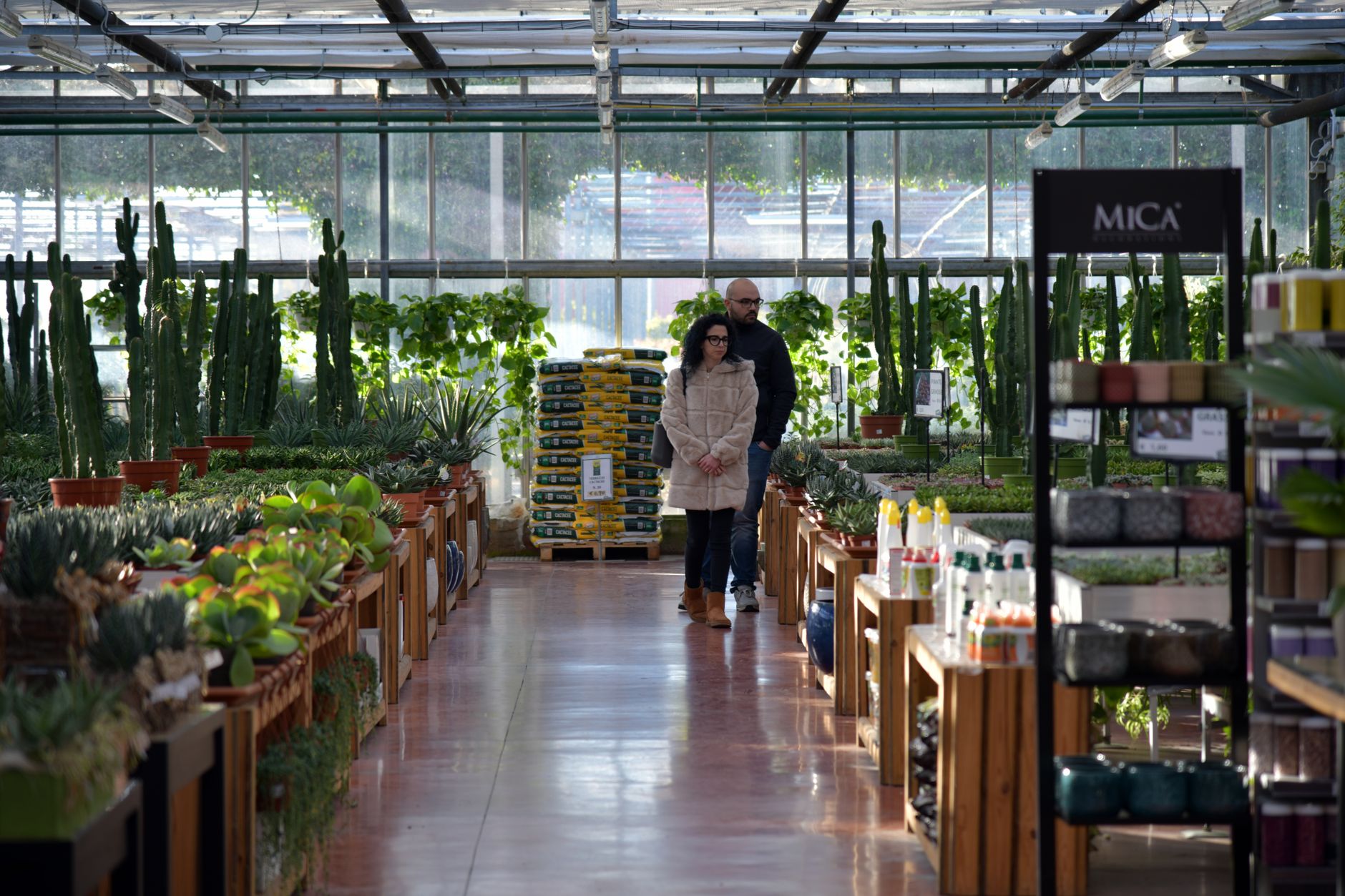
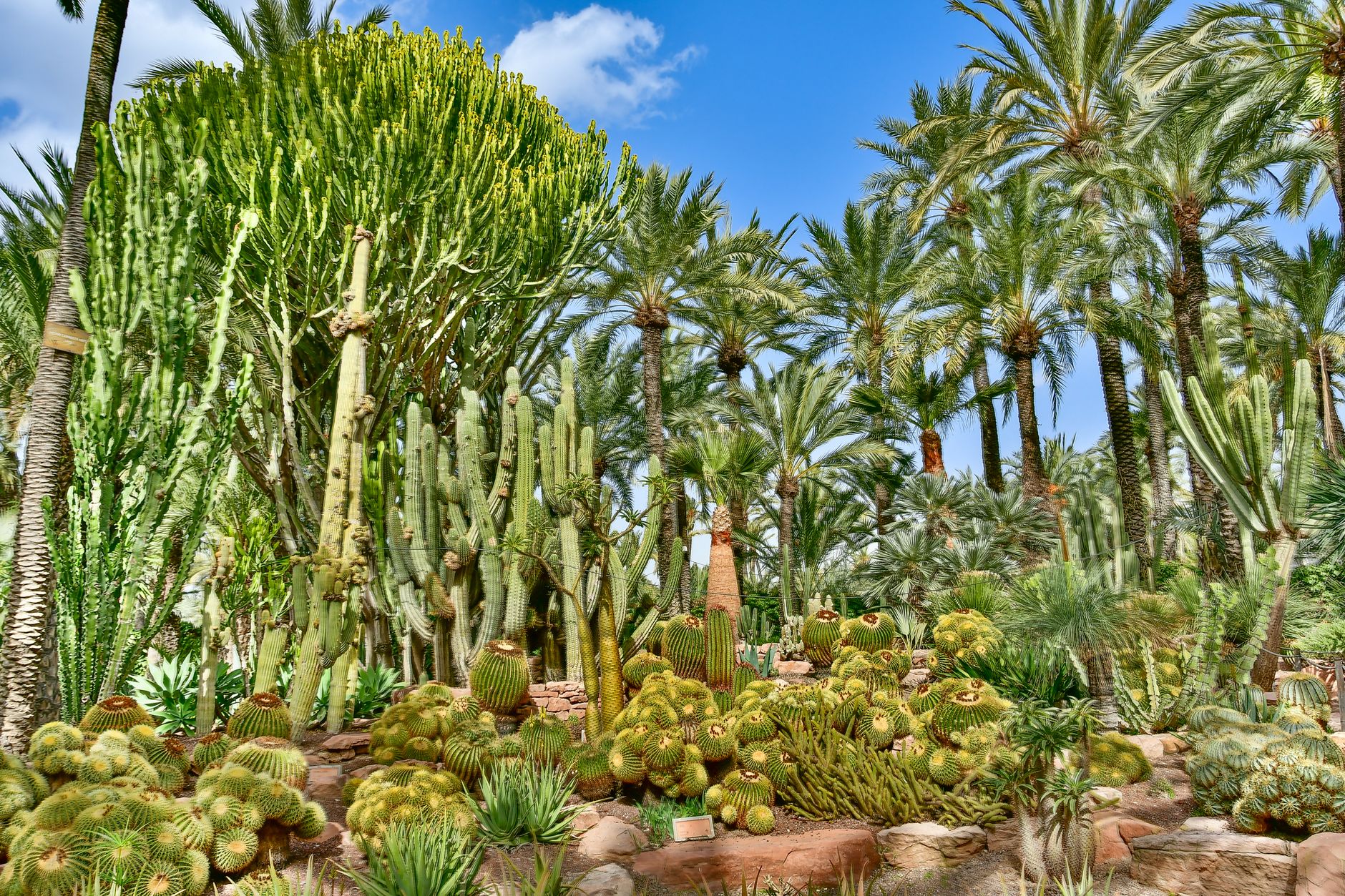
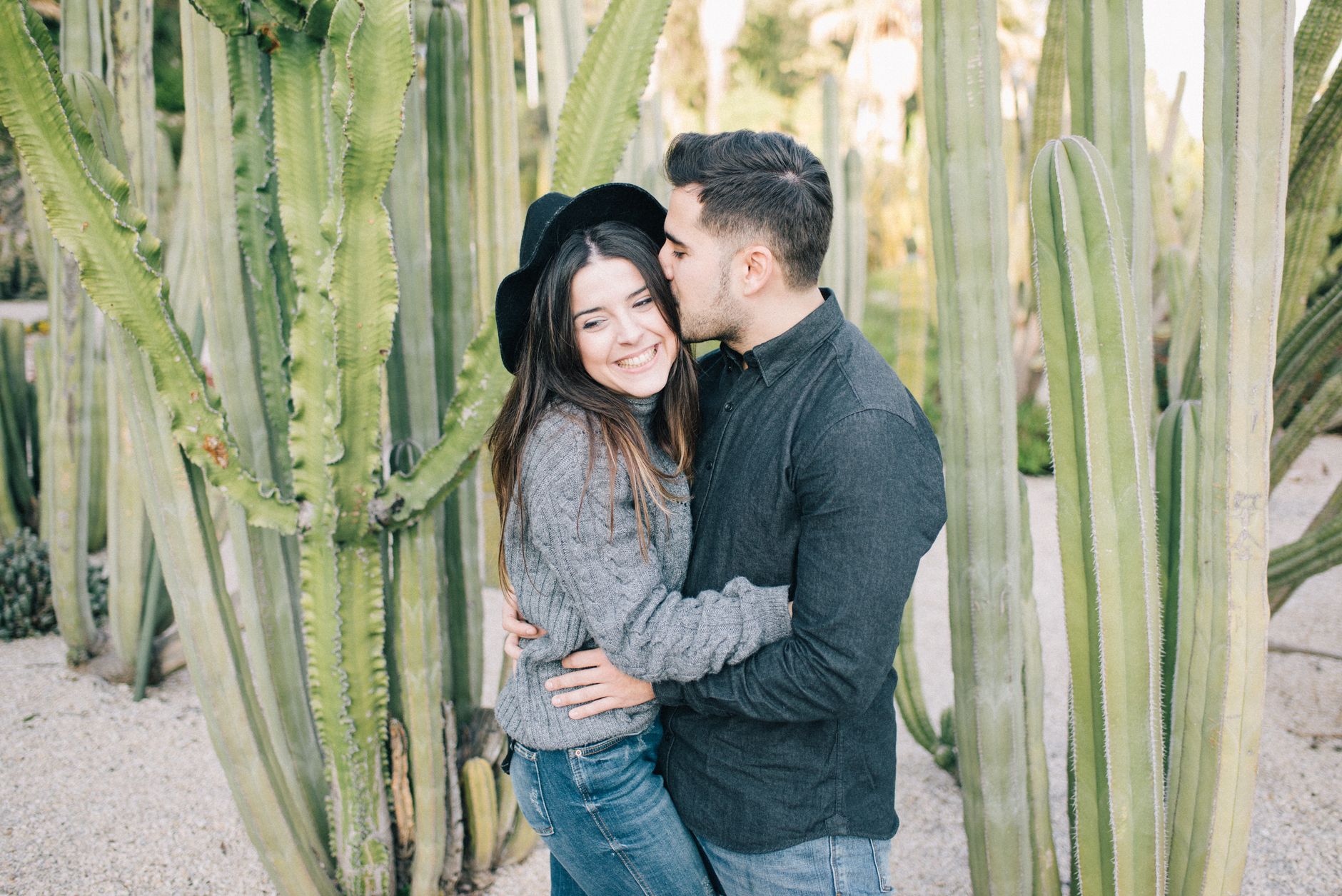
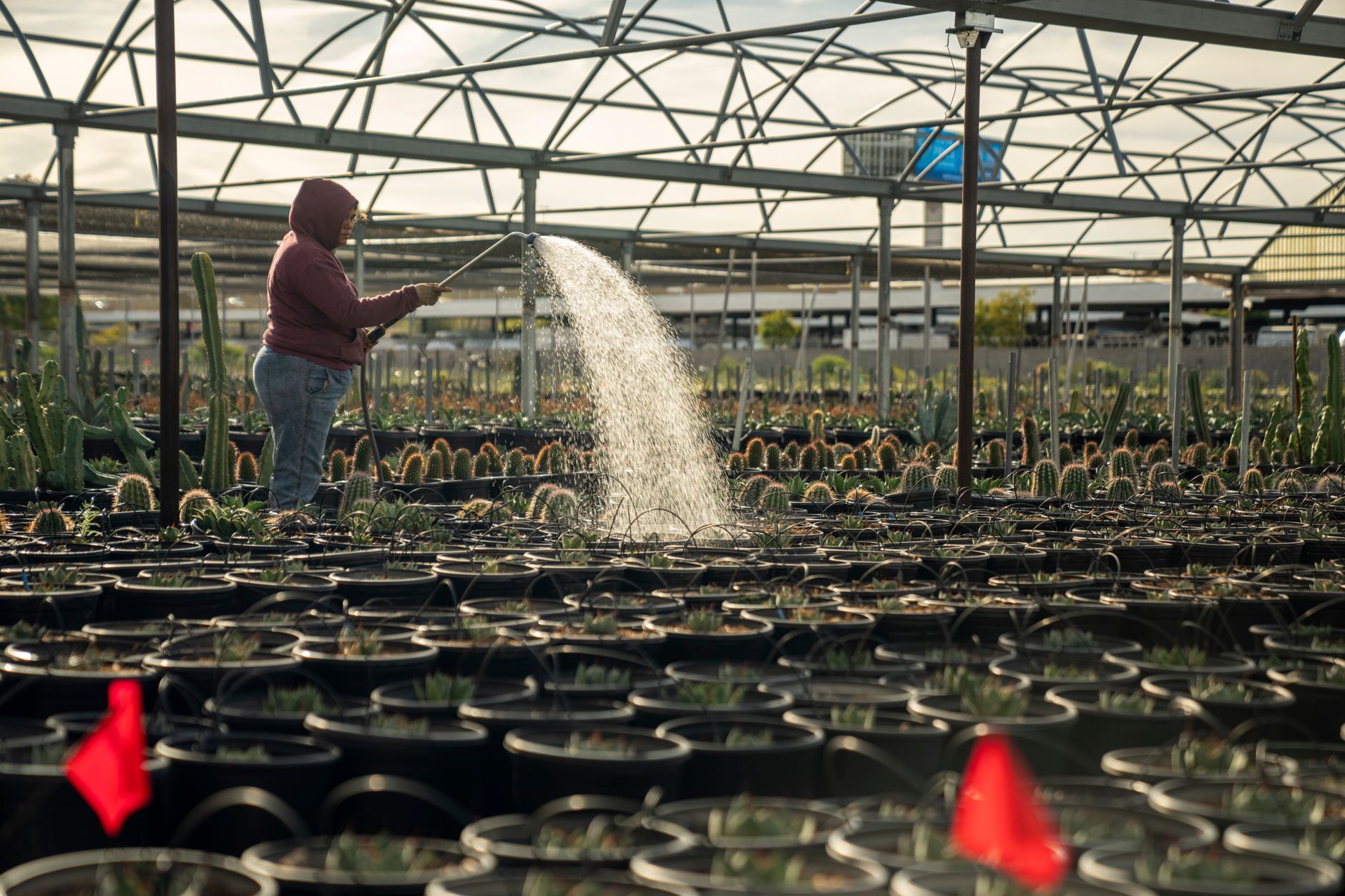

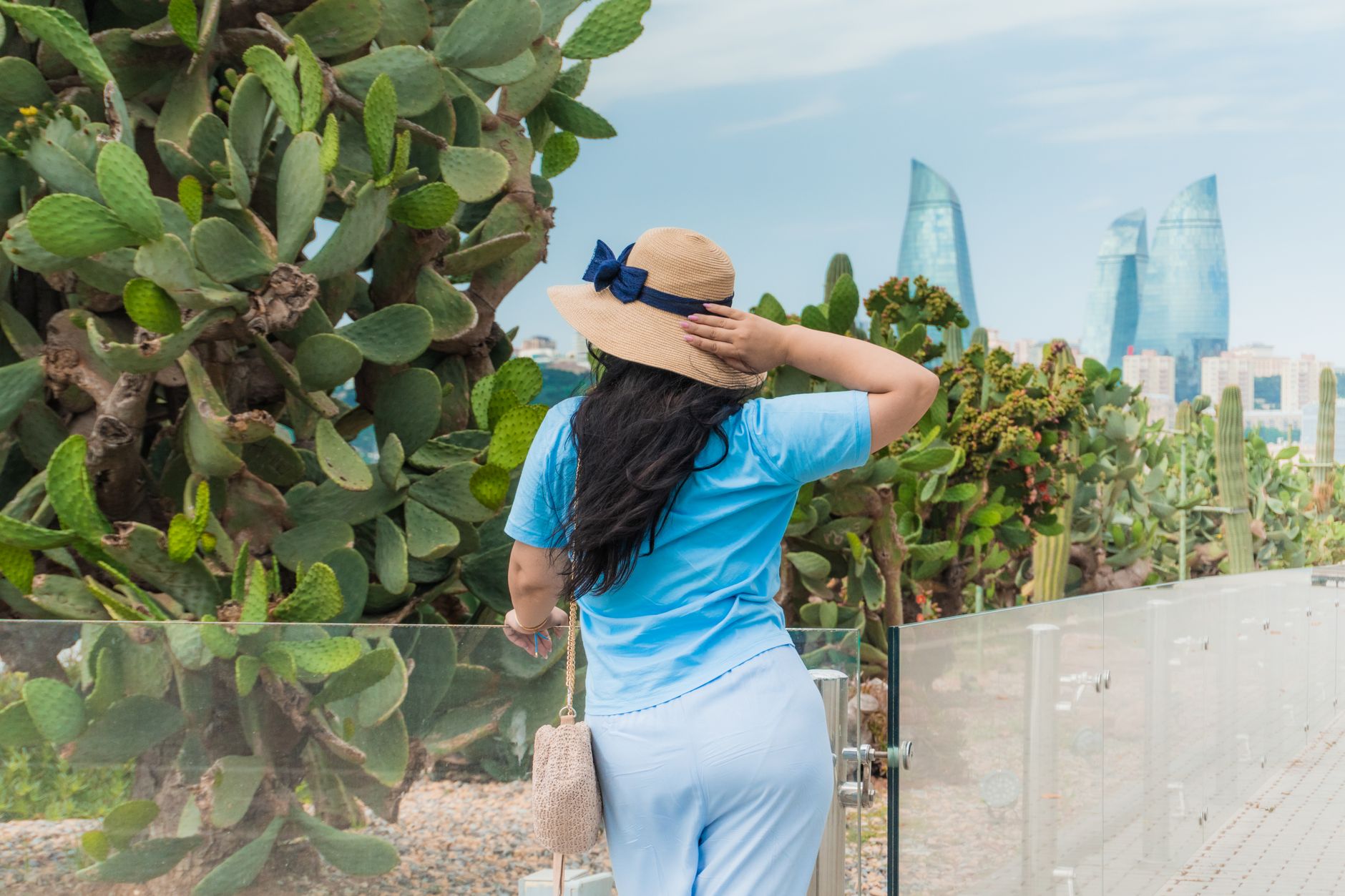
The cacti here do not look decorative — they look ancient, deliberate, almost architectural. Barrel forms the size of armchairs sit beside towering euphorbias and century plants whose flower spikes reach several metres overhead, all arranged along gravel paths that slow you down just enough to notice the geometry of each specimen. This corner of Majorelle Garden is where Jacques Majorelle's botanical obsession becomes most legible: a collection gathered over nearly four decades, set against walls painted in that particular cobalt blue he made his own.
It is one of the quieter sections of the garden, partly because there is no single focal point pulling everyone to the same spot, and partly because the plants themselves demand a kind of patience.
💛 What travellers fall for
People who come back tend to arrive early — the gates open at eight, and the cactus paths are cooler and emptier before ten. A few mention going straight past the main fountain and turning left before the lily pond, which puts you in the collection while most visitors are still orienting themselves near the entrance.
How Cactus Garden came to be
Jacques Majorelle arrived in Morocco in 1917, originally to recover from illness, and reached Marrakech a few years later. In 1923 he bought a four-acre plot on the edge of a palm grove and began shaping it into a garden he would tend for close to forty years. The cactus collection grew as part of that sustained effort — a painter's eye applied to plant form and colour, with specimens sourced over decades.
When Majorelle died in 1962, the garden fell into neglect. Yves Saint Laurent and Pierre Bergé purchased the property in 1980 and restored it. After Saint Laurent's death in 2008, his ashes were scattered here. Since 2011 the Foundation Jardin Majorelle has managed the estate, including the botanical collection Majorelle built.
Who and what shaped it
People who shaped it
Landmark buildings
See Cactus Garden in motion
Plan your visit
On the map
When to go
March, April, and the stretch from late September through November are the most comfortable seasons — daytime temperatures sit between roughly 20°C and 30°C, and the light is good. Summer, particularly July and August, regularly exceeds 40°C, which makes lingering among the cacti at midday genuinely difficult.
Right now
Background & history adapted from Wikipedia (CC BY-SA) · specs from Wikidata (CC0) · weather from Open-Meteo · map data © OpenStreetMap contributors · photos from Wikimedia Commons / Unsplash with per-image credit. No third-party reviews or social posts reproduced.