
Exotic Plant Collection Pathways
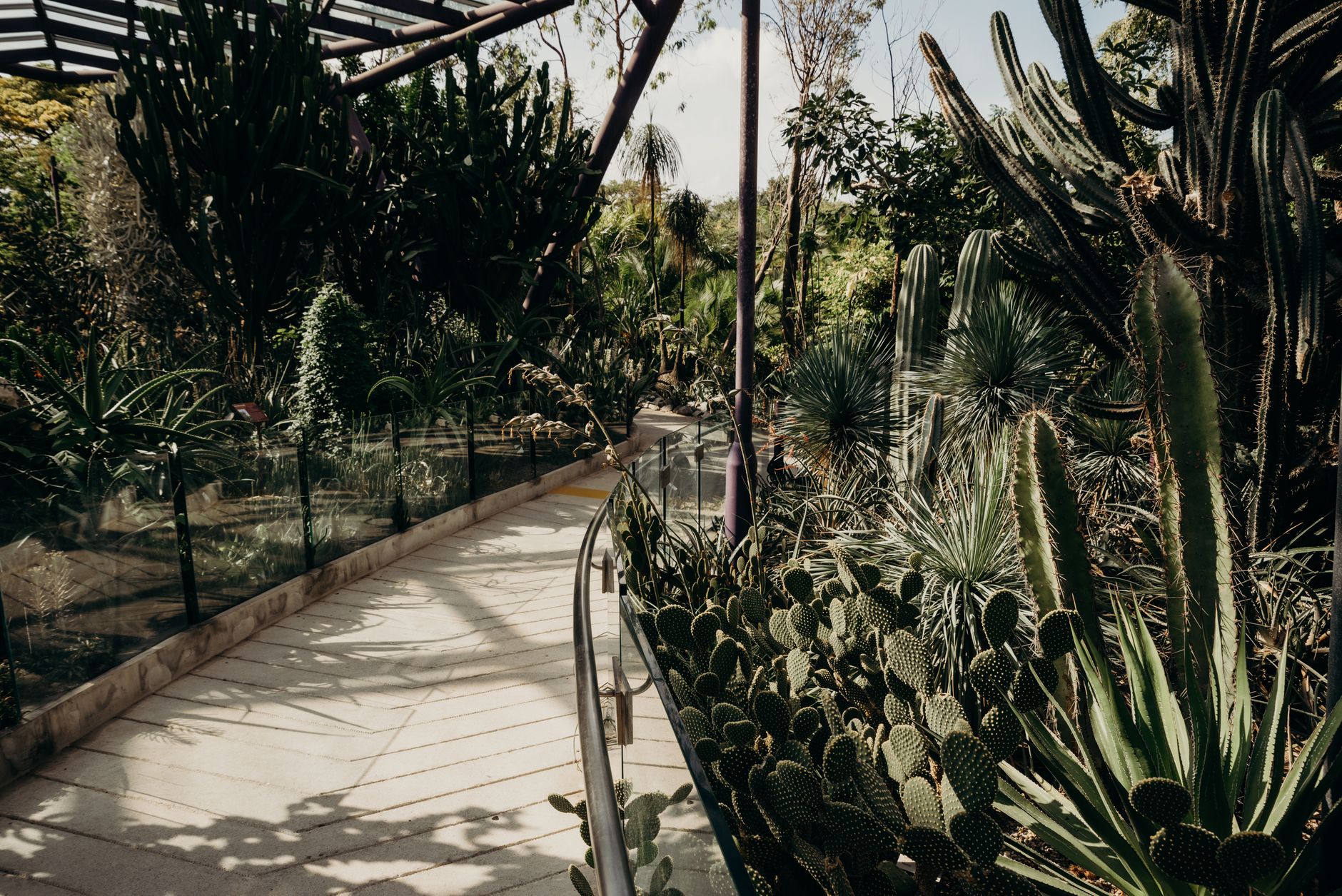
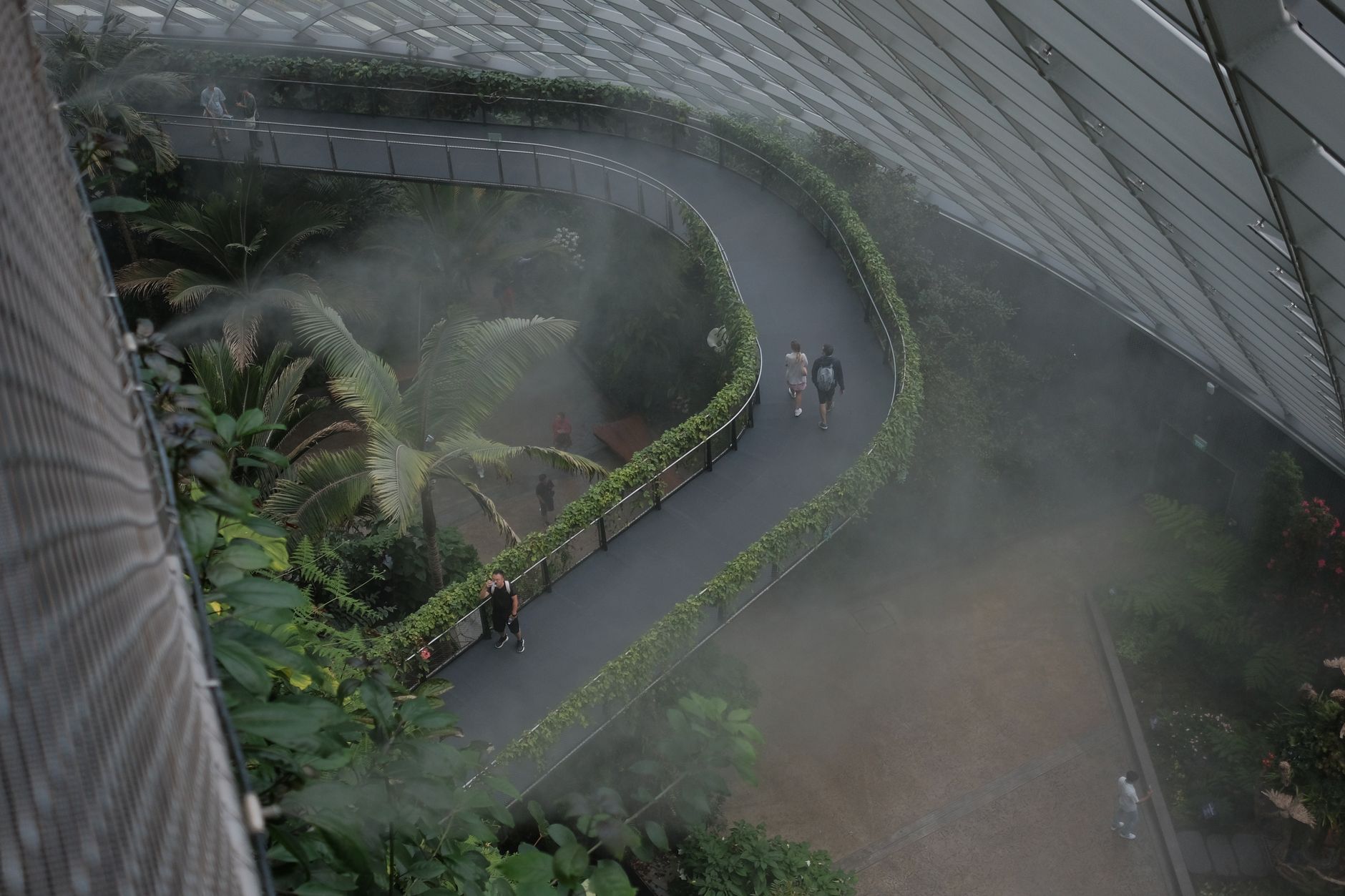
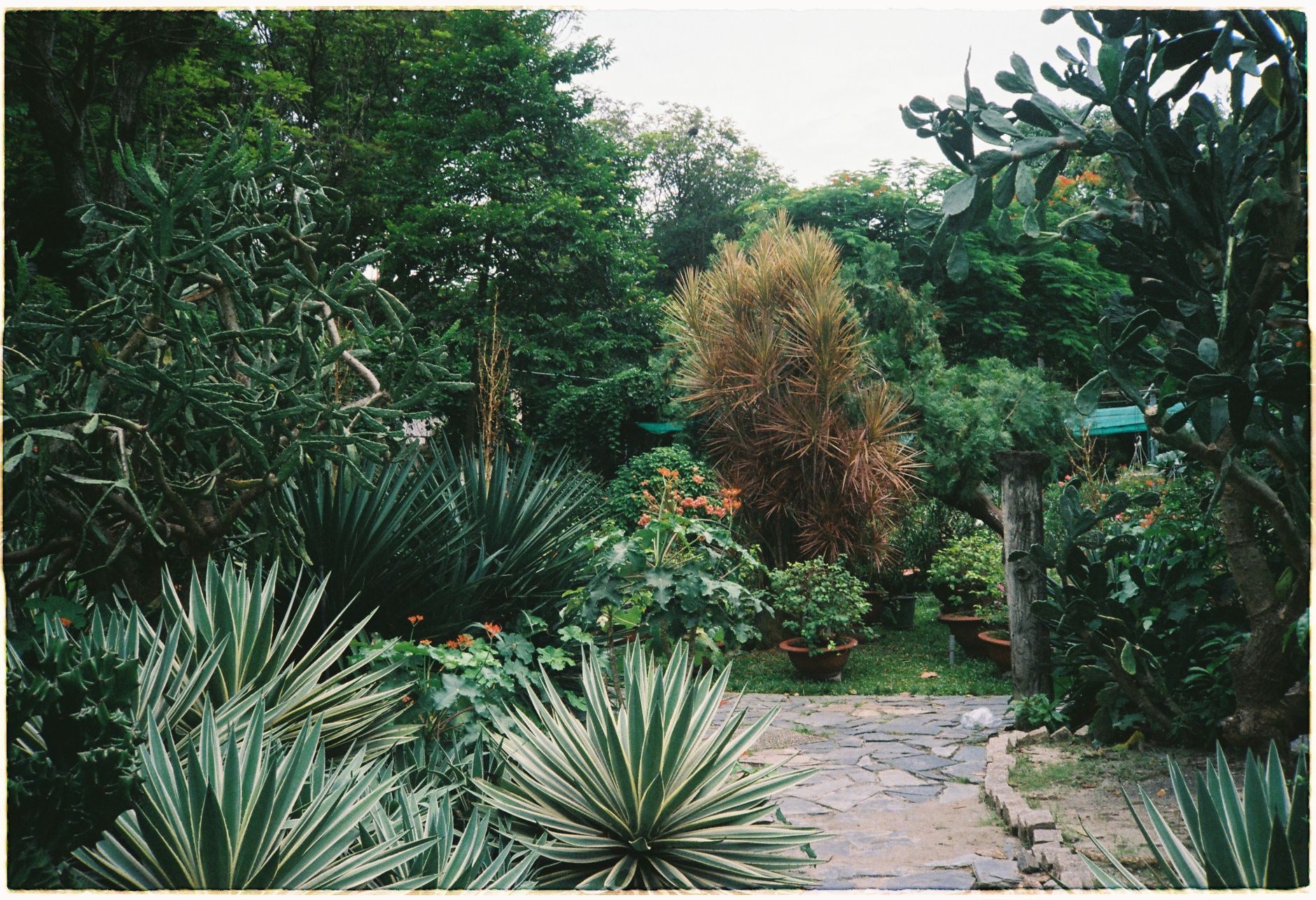
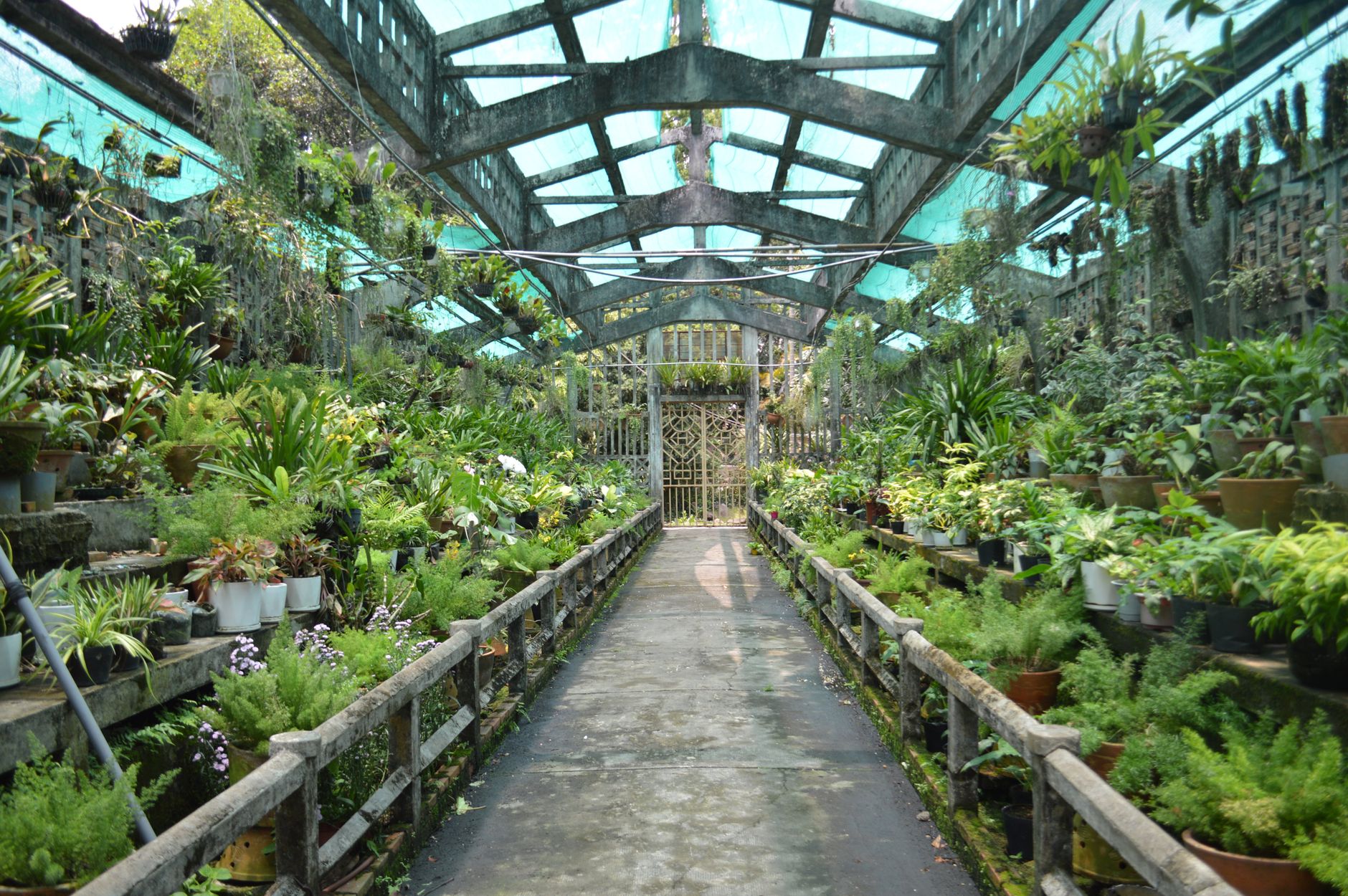
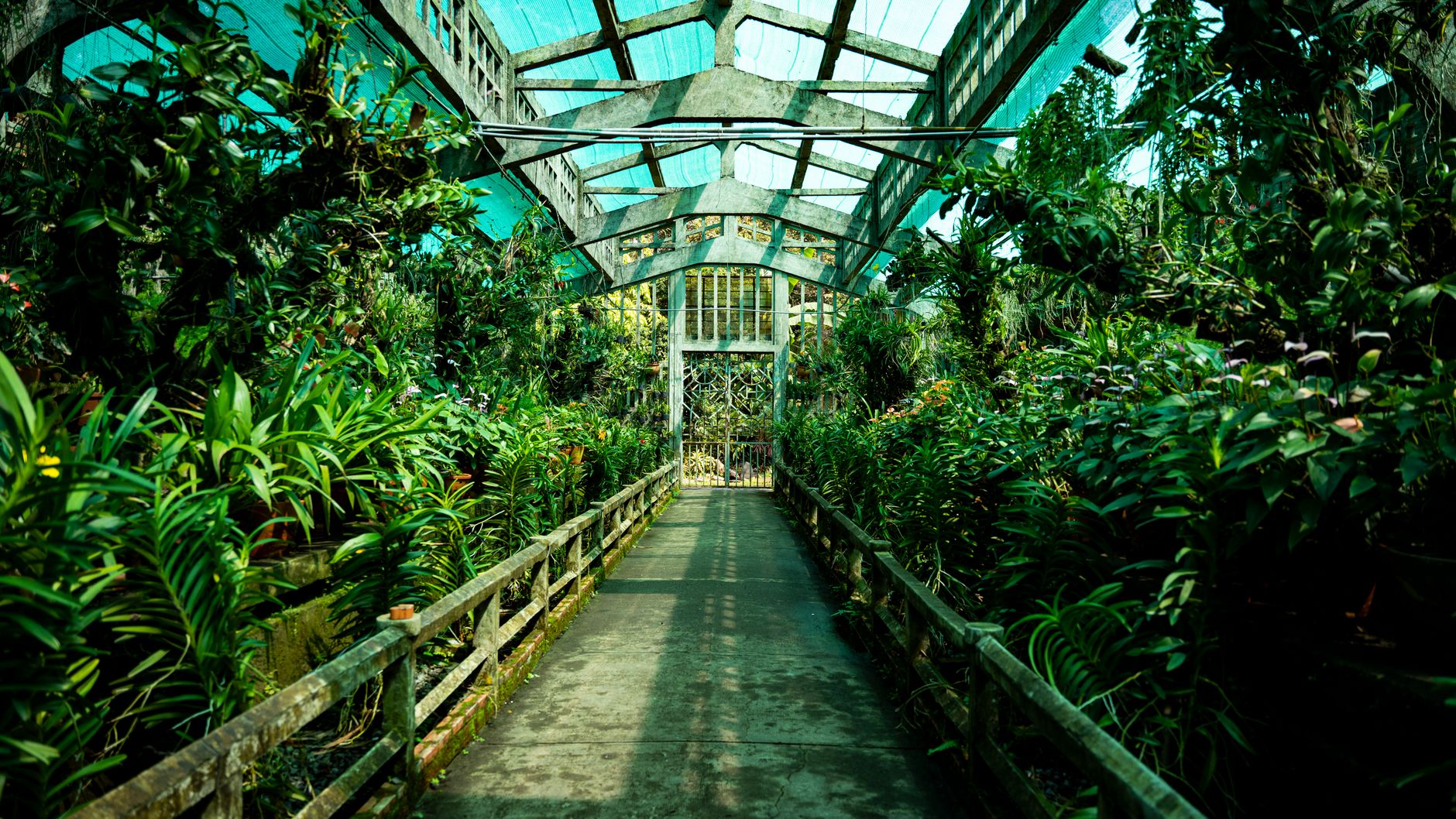
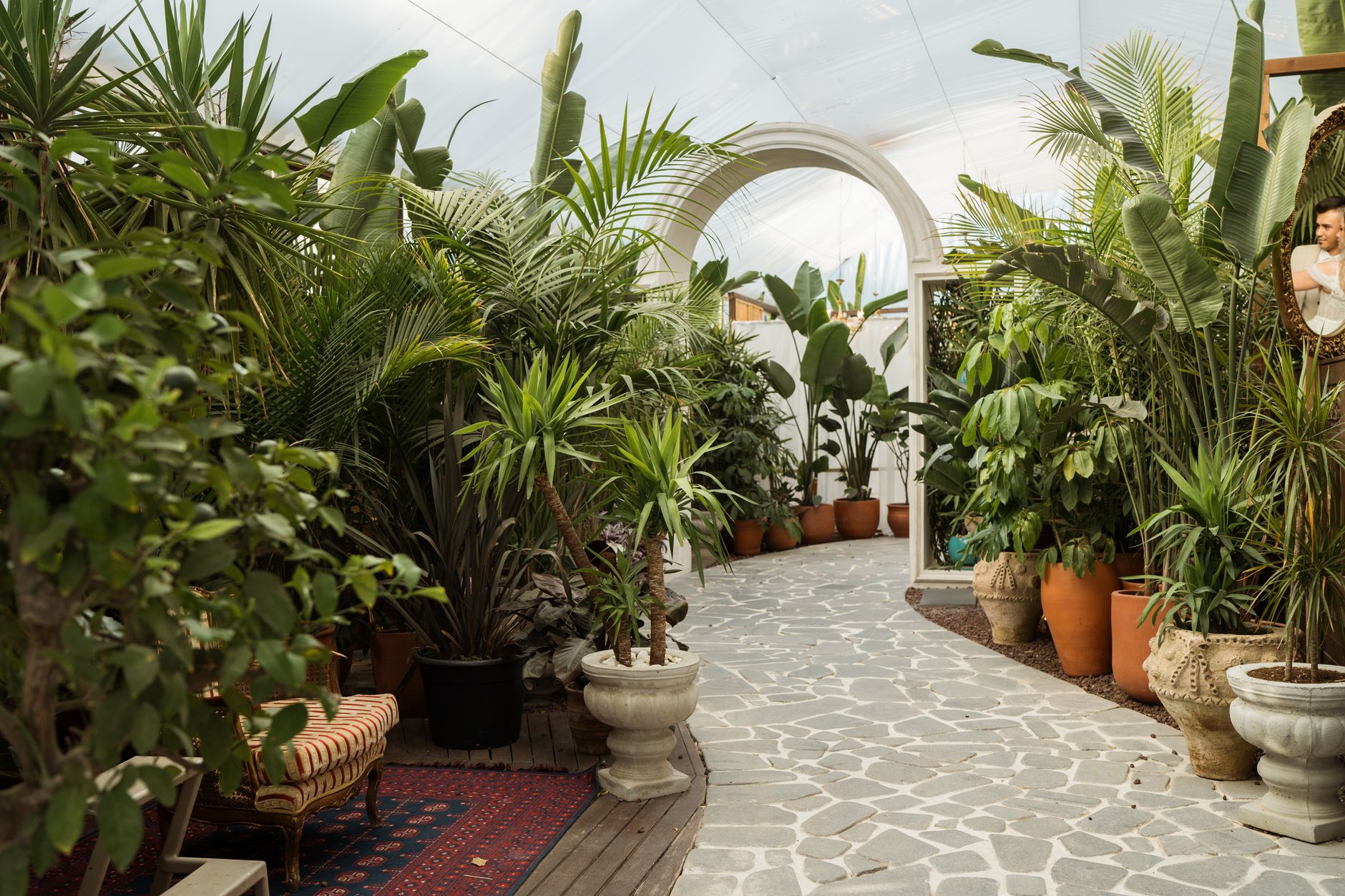
The pathways through Majorelle Garden move you through something closer to a living atlas than a park. Washingtonia palms planted nearly a century ago form a canopy above head height, while below them euphorbias from Mexico, succulents from the Canary Islands, and lotus flowers in still pools arrange themselves in a logic that feels both wild and deliberate. The cobalt blue of pots, pergola columns, and ceramic edges — a particular shade Jacques Majorelle registered as his own in 1937 — keeps surfacing between the green.
Over 300 species occupy this single hectare, layered so that something is always at eye level: a spiny cactus, a bougainvillea leaning across a path, a gray wagtail picking along the fountain edge. The sound design is mostly water and birds.
💛 What travellers fall for
People who return tend to arrive at opening, around 8 a.m., before the midday crowds compress the narrower paths. They also mention the bulbuls — small, persistent birds that move through the lower plantings and are easy to miss if you're walking quickly. Slow down near the water plants and you'll hear them before you see them.
How Exotic Plant Collection Pathways came to be
Jacques Majorelle, a French painter and son of the Art Nouveau furniture designer Louis Majorelle, bought this plot in 1923 and spent the better part of four decades shaping it into a botanical garden. He opened it to the public in 1947. After his death in 1962, the property deteriorated steadily.
Yves Saint Laurent and Pierre Bergé first came to Marrakech in 1966 and found the garden. When a hotel development threatened the site, they bought it in 1980 — less as an acquisition than a rescue — restoring the plantings and keeping it accessible to visitors. The Yves Saint Laurent Museum opened on the garden's edge in October 2017, and the Villa Oasis gardens, long private, opened to the public in December 2018.
Who and what shaped it
People who shaped it
Landmark buildings
See Exotic Plant Collection Pathways in motion
Plan your visit
On the map
When to go
Spring (March to May) and autumn (September to November) are the most comfortable seasons to walk the pathways — warm without being punishing. July and August push temperatures high enough that the shade of the bamboo stands and palms becomes less atmospheric and more necessary.
Right now
Background & history adapted from Wikipedia (CC BY-SA) · specs from Wikidata (CC0) · weather from Open-Meteo · map data © OpenStreetMap contributors · photos from Wikimedia Commons / Unsplash with per-image credit. No third-party reviews or social posts reproduced.