
Bamboo Grove
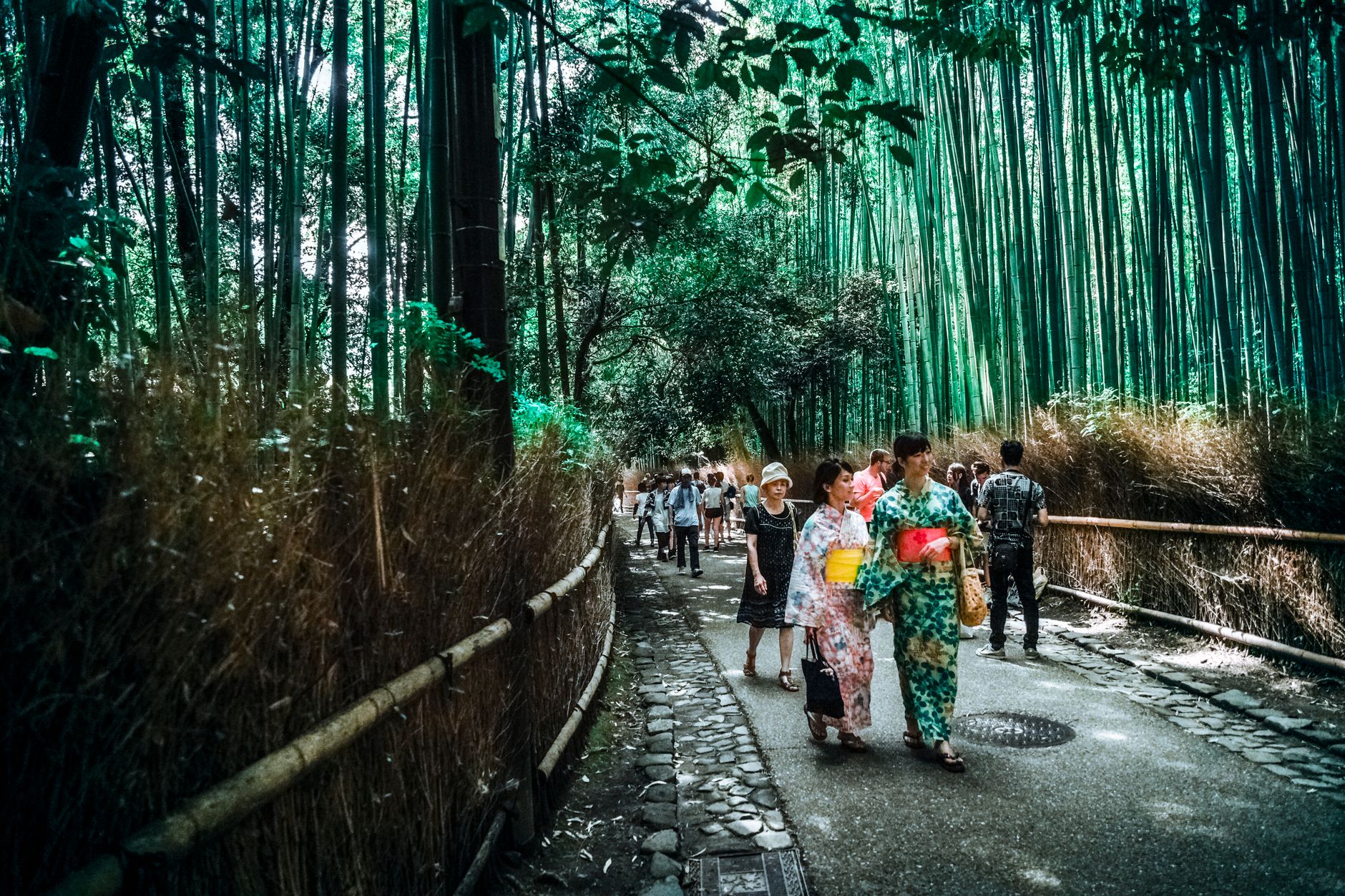
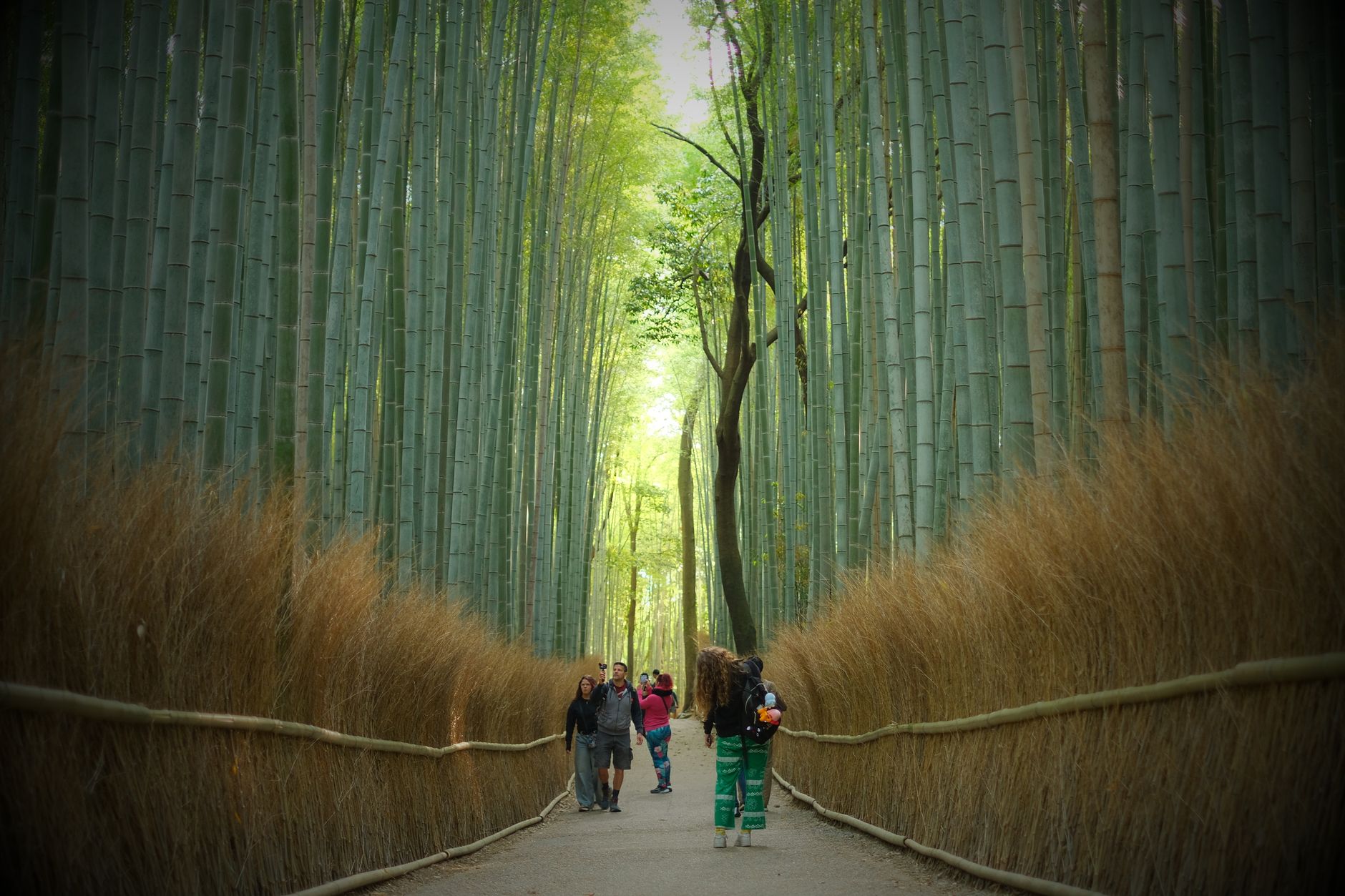
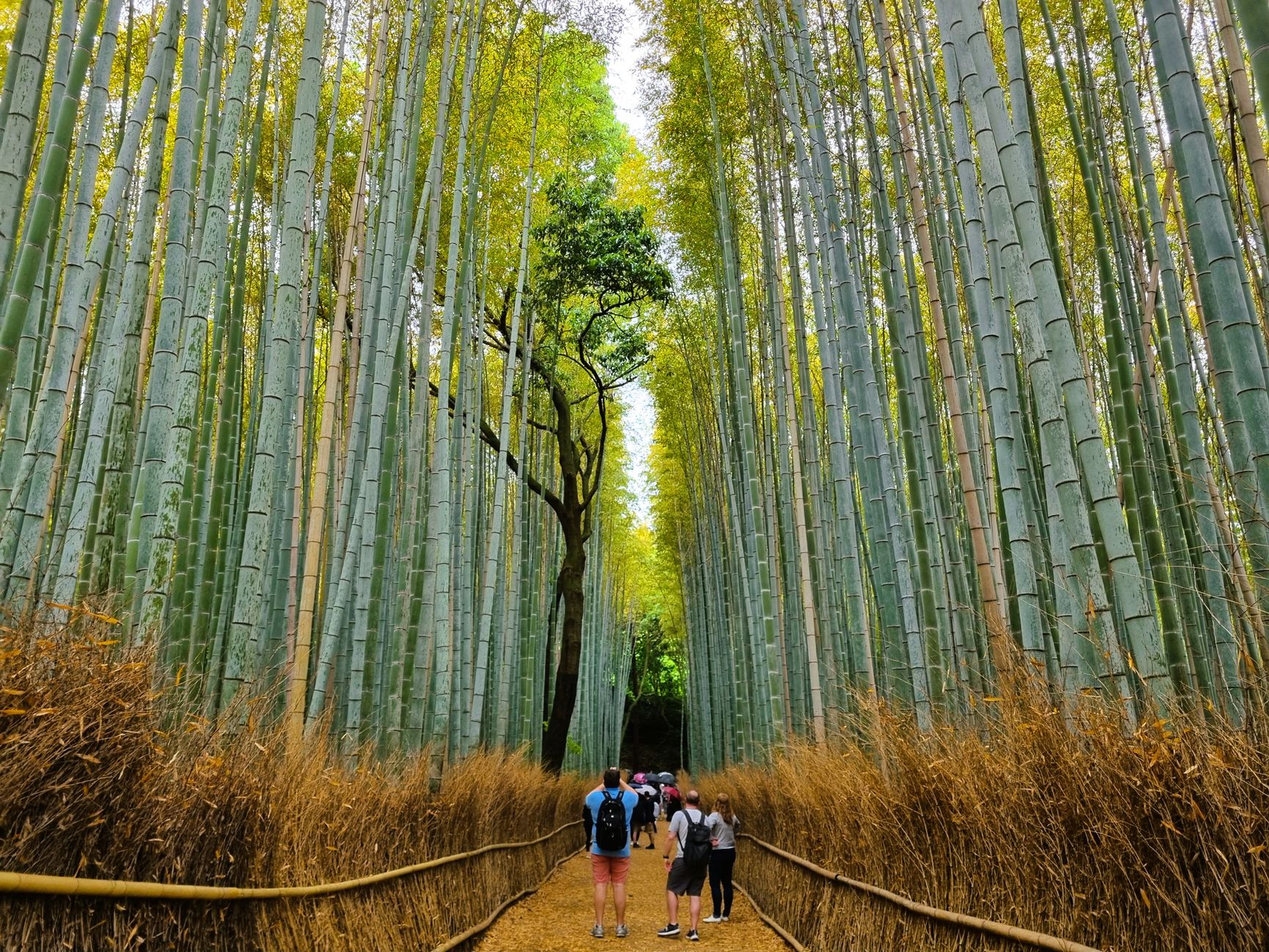
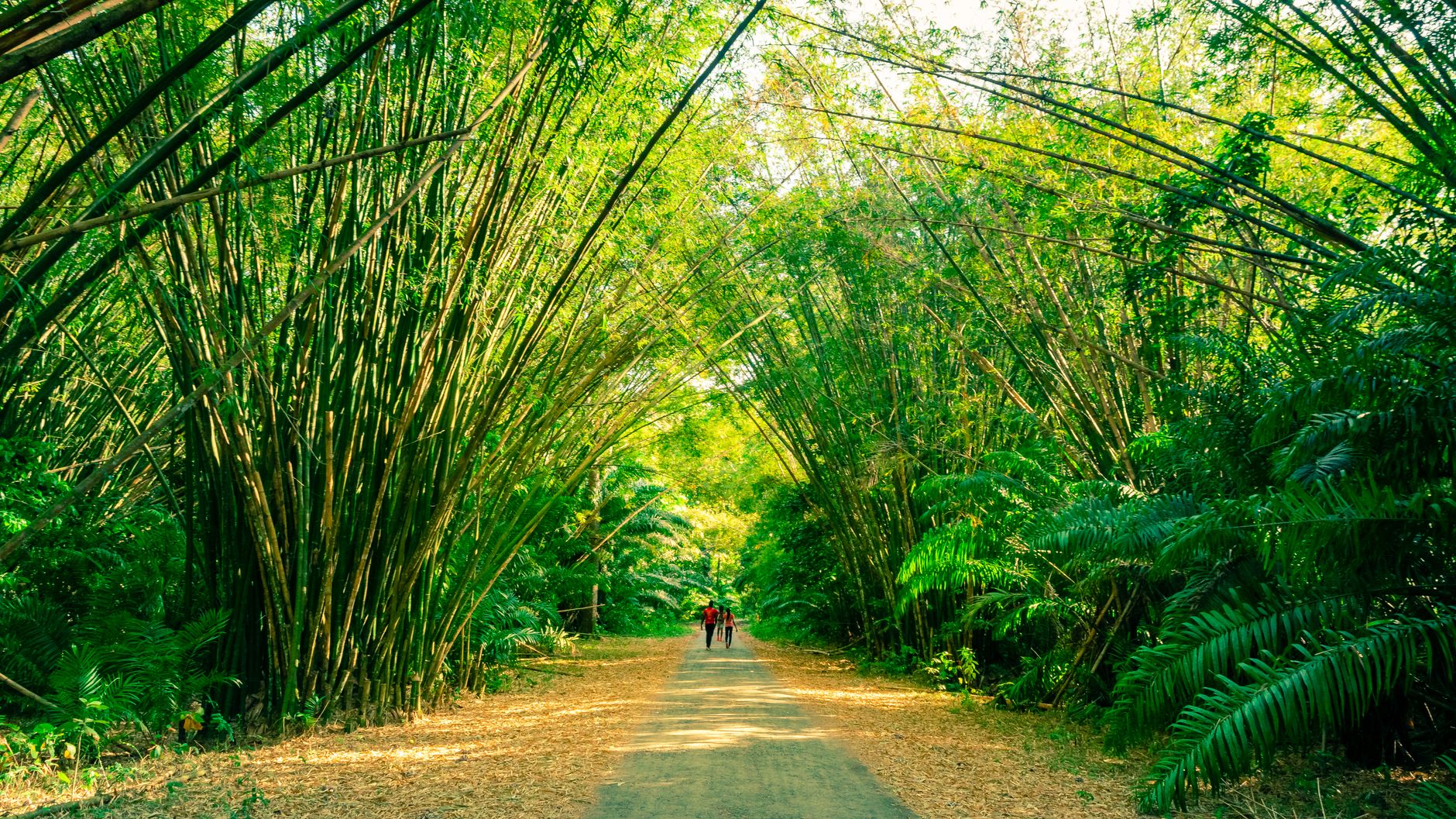
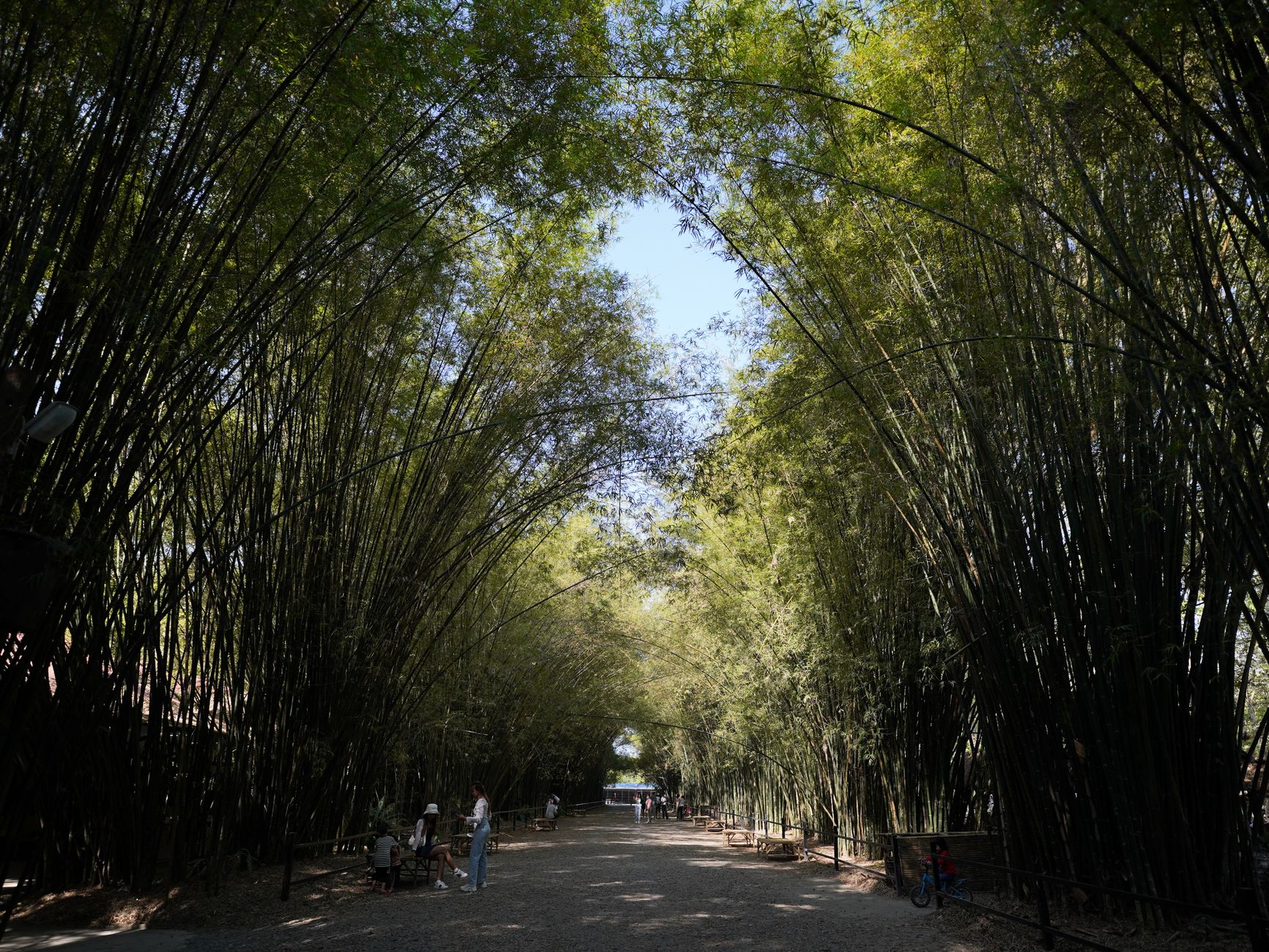
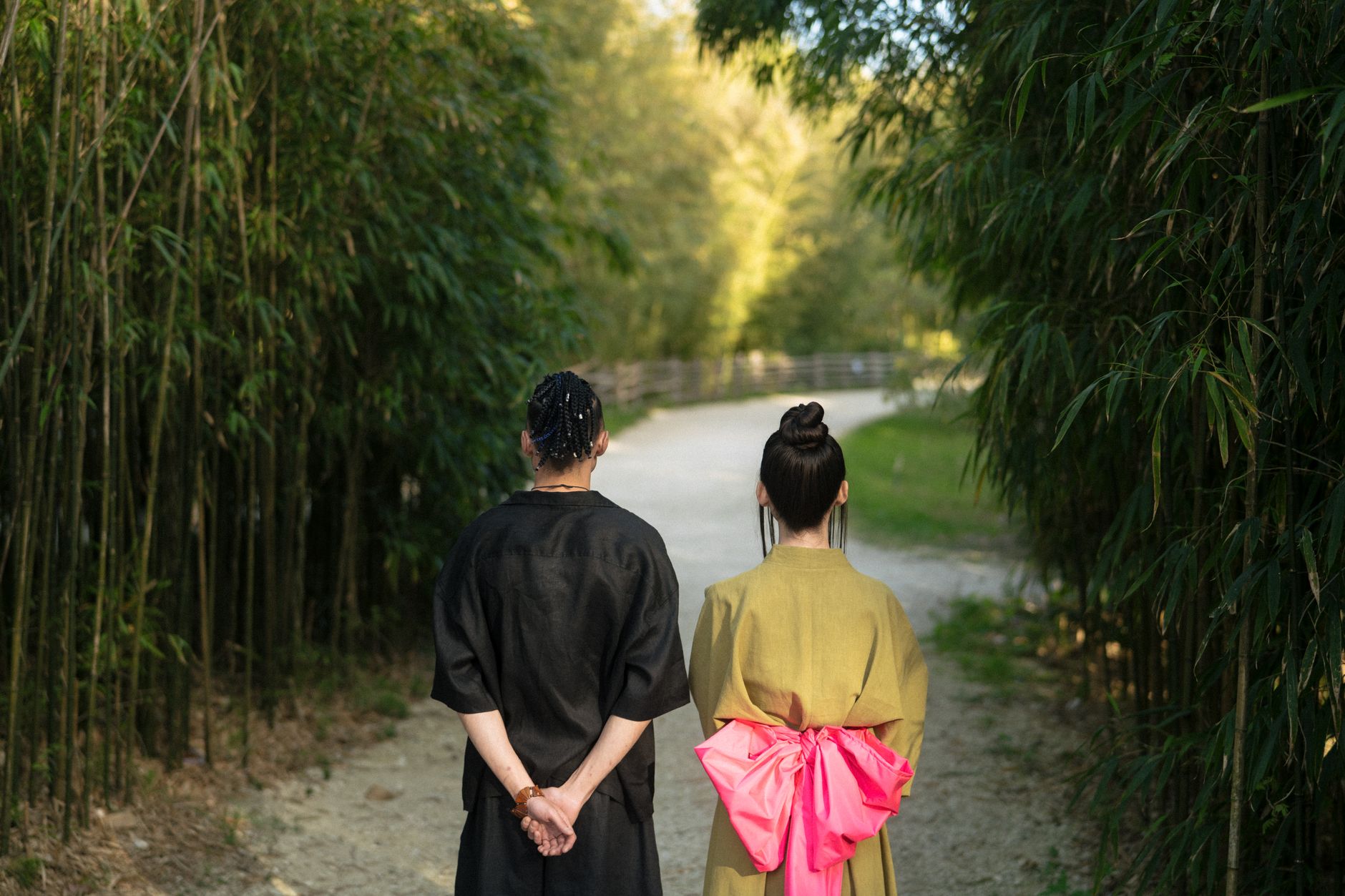
A red path cuts through the bamboo grove from south to west, and the stalks rise high enough on either side to block out the city entirely. Shafts of light come down in hard angles through the canopy. The sound changes too — the Marrakech traffic drops away, replaced by the creak of cane in whatever breeze is moving.
This sliver of the Majorelle Garden is easy to walk through in two minutes, or easy to linger in for twenty. Koi move slowly in the water features nearby, frogs make themselves heard before they're seen, and the Majorelle blue of the walls beyond the grove appears in glimpses between the stems.
💛 What travellers fall for
People who come back tend to arrive just after the gates open at 8am, when the light is low and the grove is largely empty. The bamboo catches the early sun differently than it does at midday — cooler, quieter, the shadows still long. That window before 10am is worth setting an alarm for.
How Bamboo Grove came to be
Jacques Majorelle came to Marrakech in 1917 and never really left. By 1923 he had bought a four-acre plot on the edge of a palm grove and begun building what would become both his home and his life's work. The Cubist villa followed in 1931, designed by architect Paul Sinoir, and by 1937 the building had been painted the deep cobalt blue that still defines the property. Majorelle opened the garden to the public in 1946, partly to help cover its considerable upkeep.
After Majorelle died in 1962, the garden fell into decline. Yves Saint Laurent and Pierre Bergé found it in 1980 and bought it before it could be demolished, restoring both the planting and the buildings over the following decades. Saint Laurent's ashes were scattered here after his death in 2008, and the street outside was renamed Rue Yves Saint Laurent in 2010.
Who and what shaped it
People who shaped it
Landmark buildings
See Bamboo Grove in motion
Plan your visit
On the map
When to go
Spring (March to May) and early autumn (late September to mid-November) offer the most comfortable conditions — warm days without the punishing heat of summer, when temperatures regularly push above 35°C. Winter days are often sunny but nights can drop close to freezing.
Right now
Background & history adapted from Wikipedia (CC BY-SA) · specs from Wikidata (CC0) · weather from Open-Meteo · map data © OpenStreetMap contributors · photos from Wikimedia Commons / Unsplash with per-image credit. No third-party reviews or social posts reproduced.