
Berber Museum (Musée Pierre Bergé des Arts Berbères)

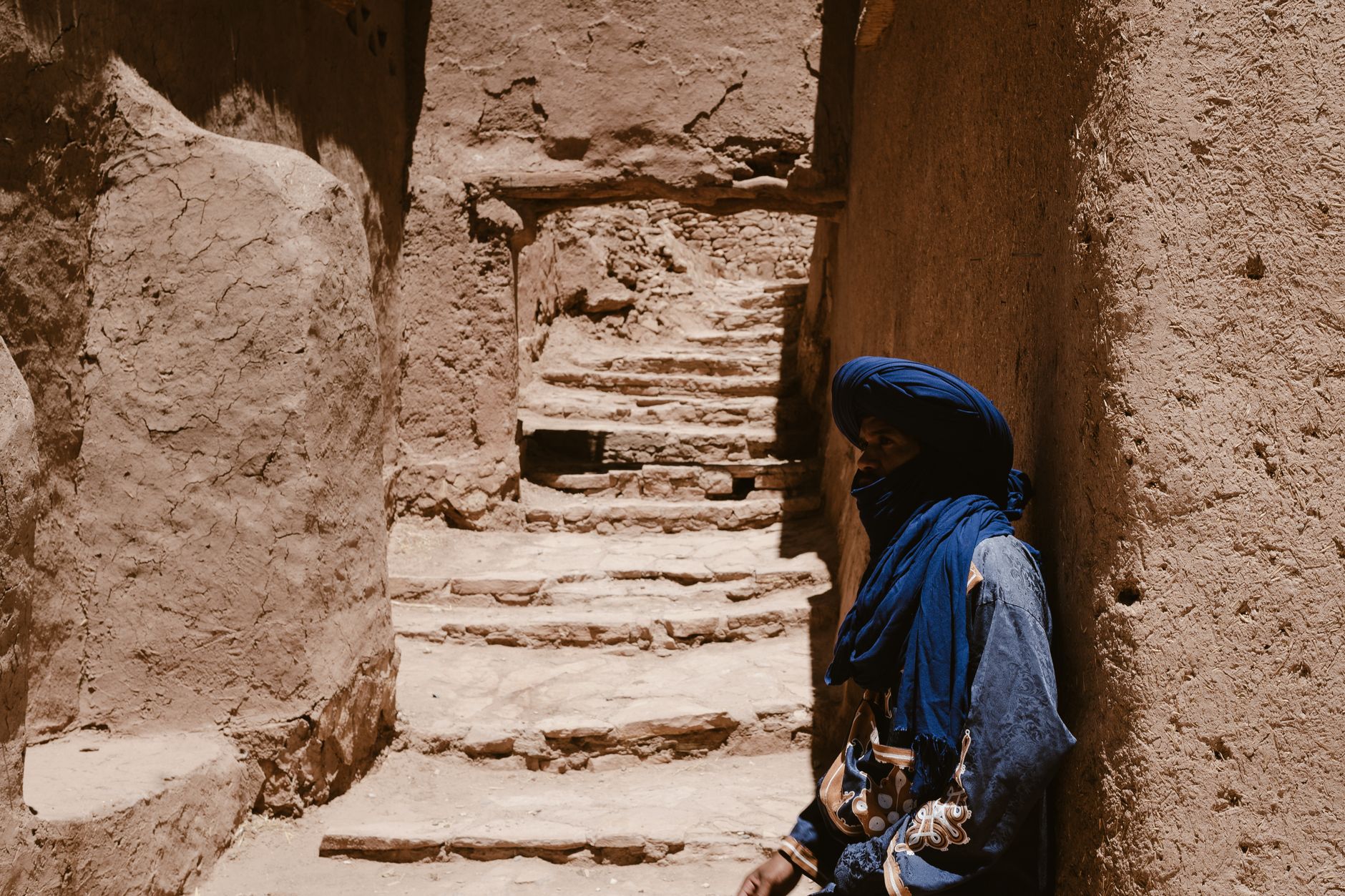
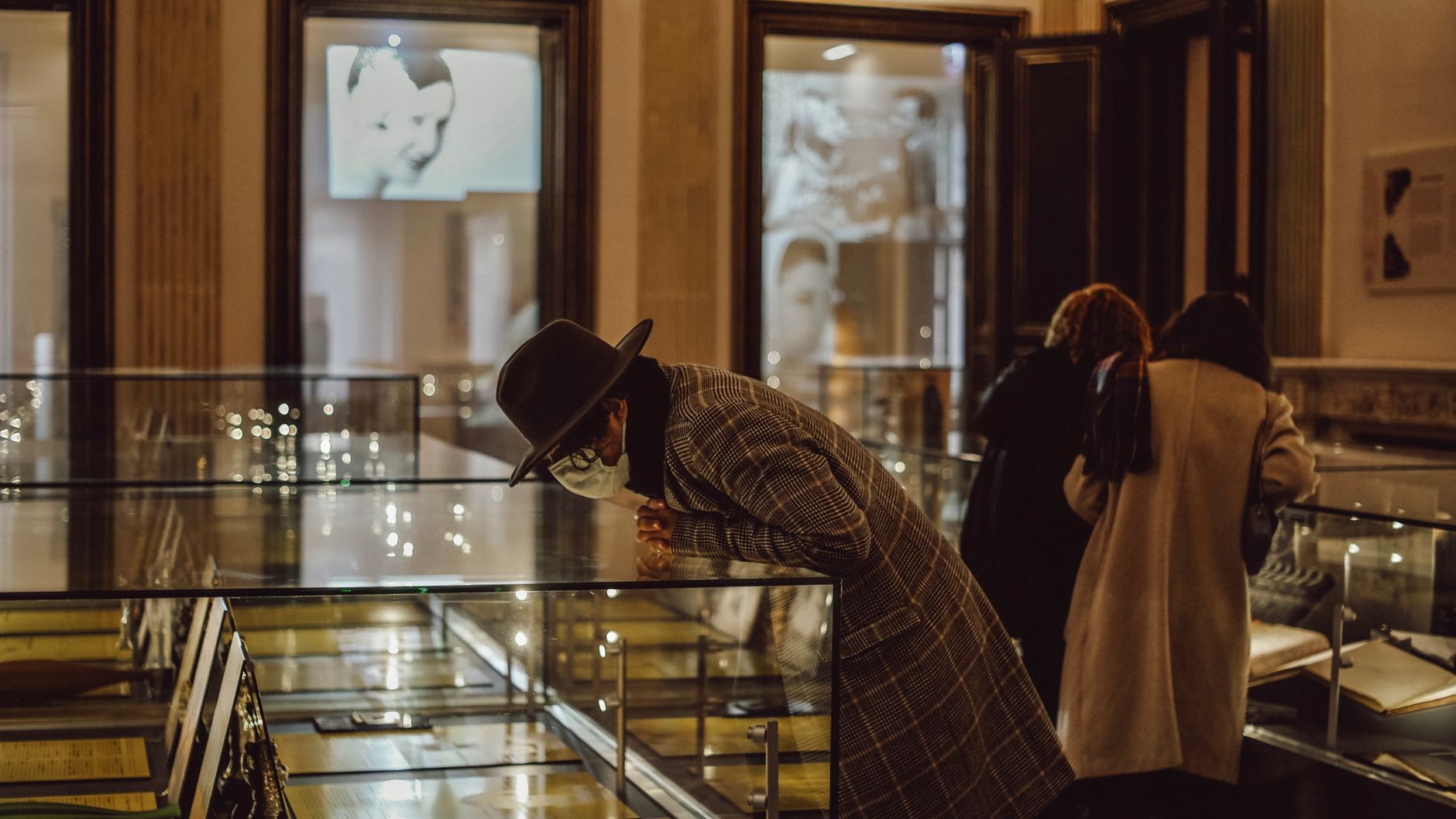
The building that houses the Berber Museum started life in 1931 as a painter's studio — Paul Sinoir's Art Deco structure, commissioned by Jacques Majorelle, all clean lines and that particular shade of cobalt blue. Today its 200 square metres hold more than 600 objects gathered across the full sweep of Amazigh territory, from the Rif Mountains down to the Sahara: silver fibulas, hand-knotted carpets, ceremonial robes, weapons, pottery, musical instruments.
The exhibition moves through four themed spaces, opening with a map of the major Berber tribes before giving way to the objects themselves. Labels run in French, English, and Arabic, and audiovisual elements fill in context that a vitrine alone can't carry. It rewards slow looking.
💛 What travellers fall for
People who come back tend to go straight past the jewelry cases on a second visit and spend time with the textiles — the regional differences in weave and pattern become legible once you've had the overview. Arrive when the garden opens at 8:30 and you'll have the rooms almost to yourself before tour groups arrive mid-morning.
How Berber Museum (Musée Pierre Bergé des Arts Berbères) came to be
Jacques Majorelle built his studio here in 1931, using it to paint the landscapes and people of Morocco until his death in 1962. The garden and its buildings fell into disrepair until 1980, when Pierre Bergé and Yves Saint Laurent purchased the property and began restoring it.
Bergé had first arrived in Marrakech in 1966 and spent decades collecting Amazigh objects. In 2011, under the patronage of King Mohammed VI, he opened the museum in Majorelle's old studio, donating his collection to the foundation he created. After Bergé's death, the Majorelle Foundation added his name to the museum in 2020.
Who and what shaped it
People who shaped it
Landmark buildings
See Berber Museum (Musée Pierre Bergé des Arts Berbères) in motion
Plan your visit
On the map
When to go
Spring (March–April) and autumn (late September through mid-November) are the most comfortable seasons — temperatures sit between 22°C and 32°C and the light in the garden around the building is at its best. Summer daytime highs regularly exceed 36°C, though the interior stays relatively cool.
Right now
Background & history adapted from Wikipedia (CC BY-SA) · specs from Wikidata (CC0) · weather from Open-Meteo · map data © OpenStreetMap contributors · photos from Wikimedia Commons / Unsplash with per-image credit. No third-party reviews or social posts reproduced.