
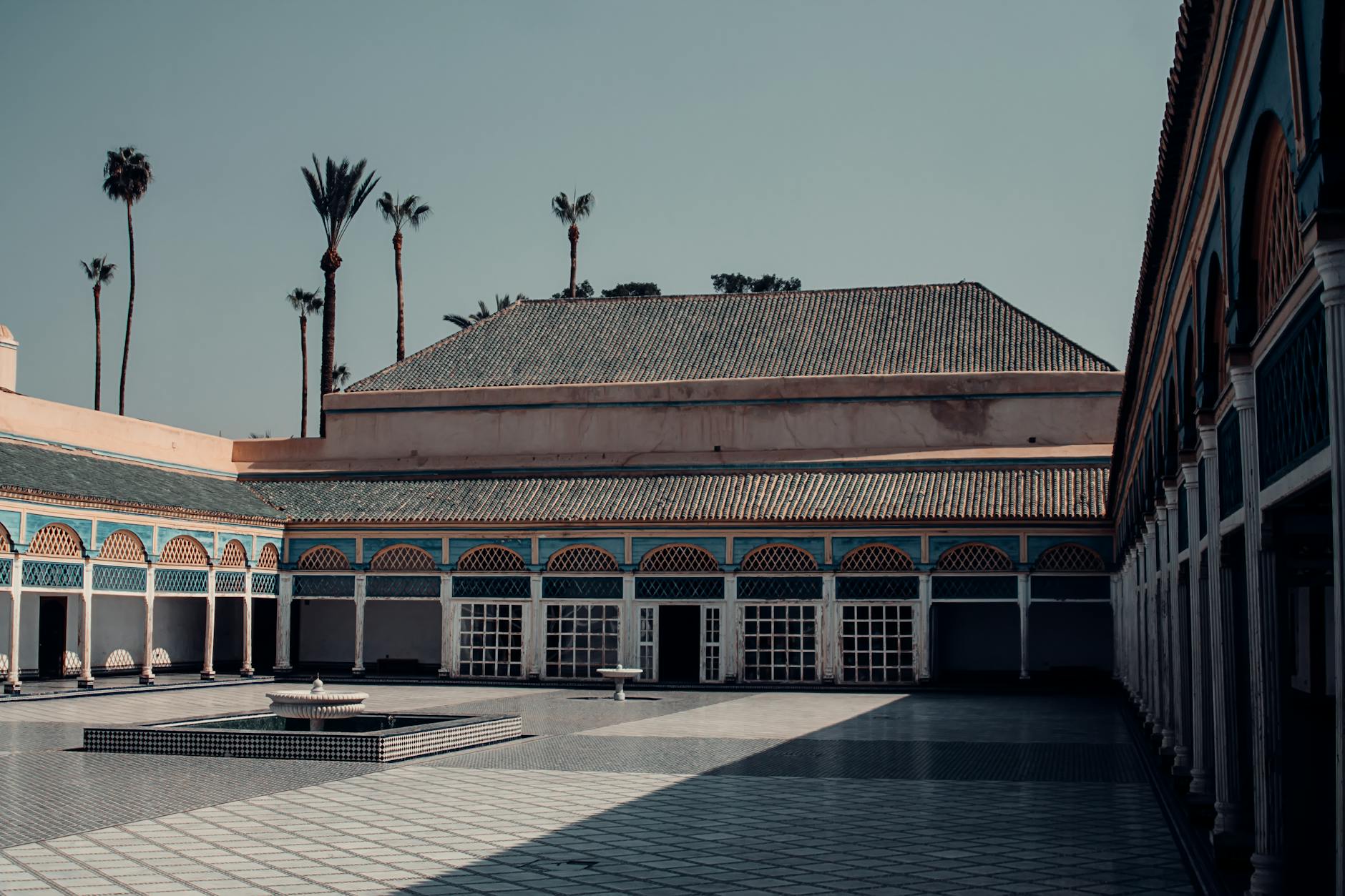



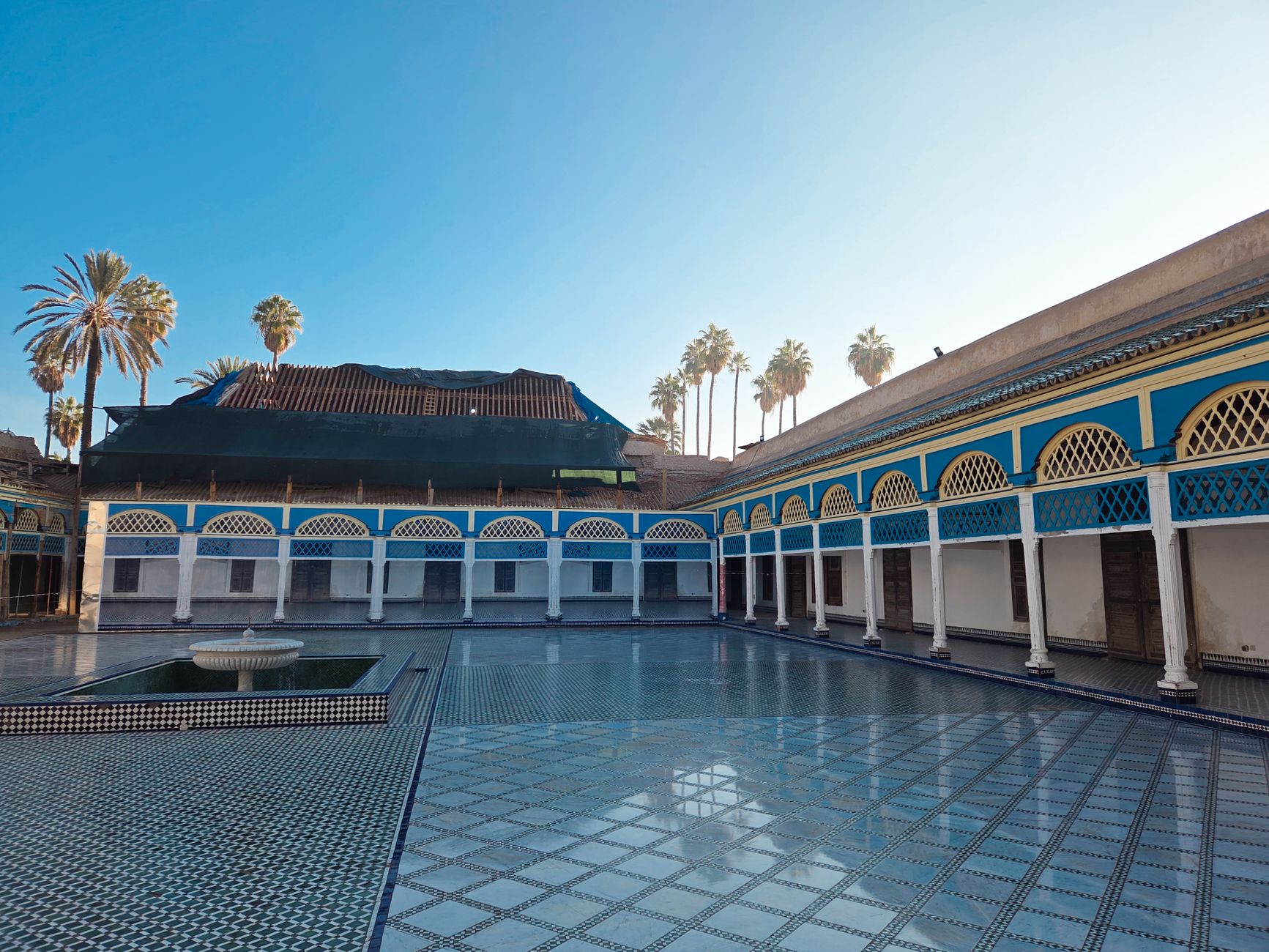
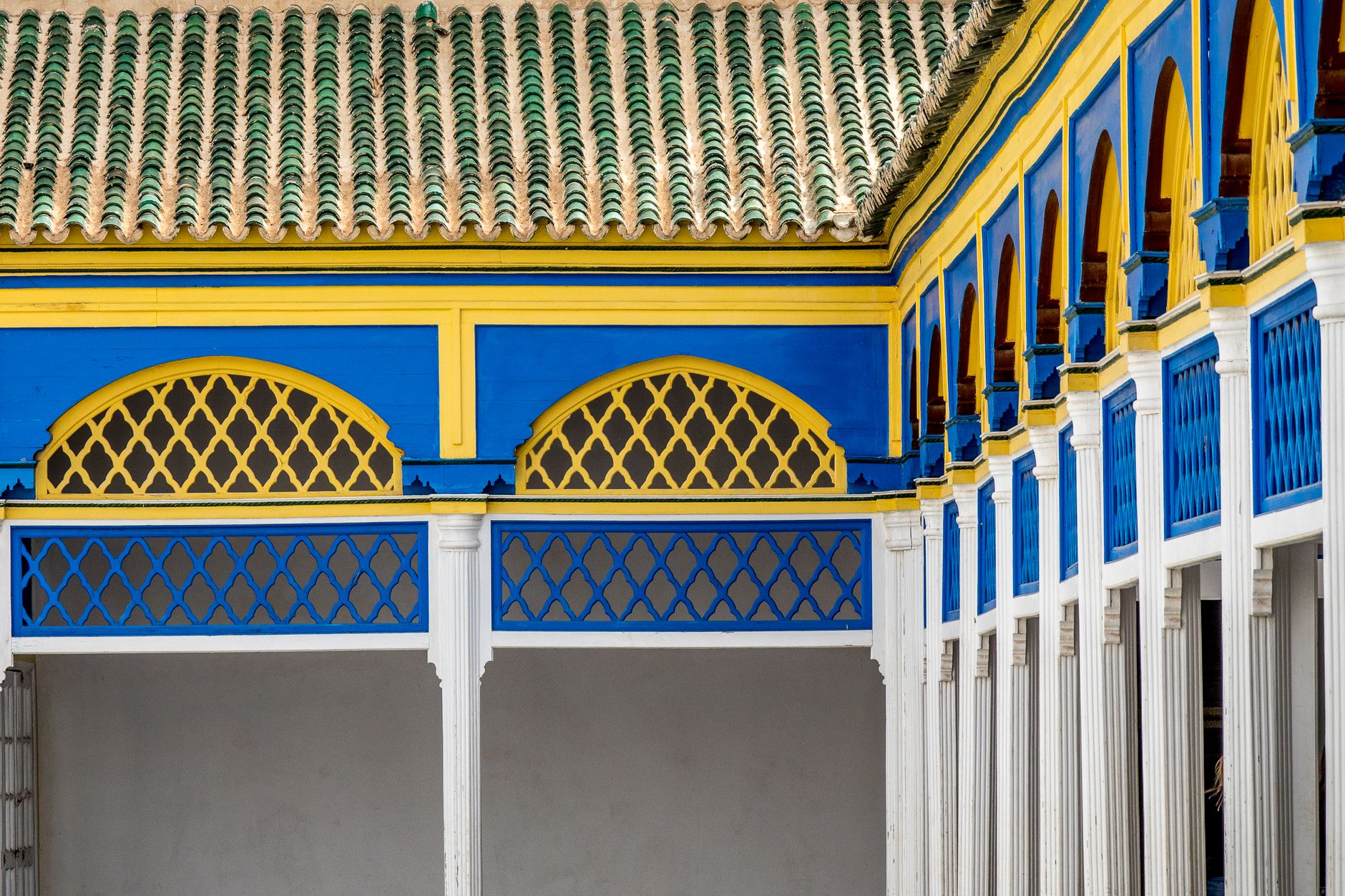
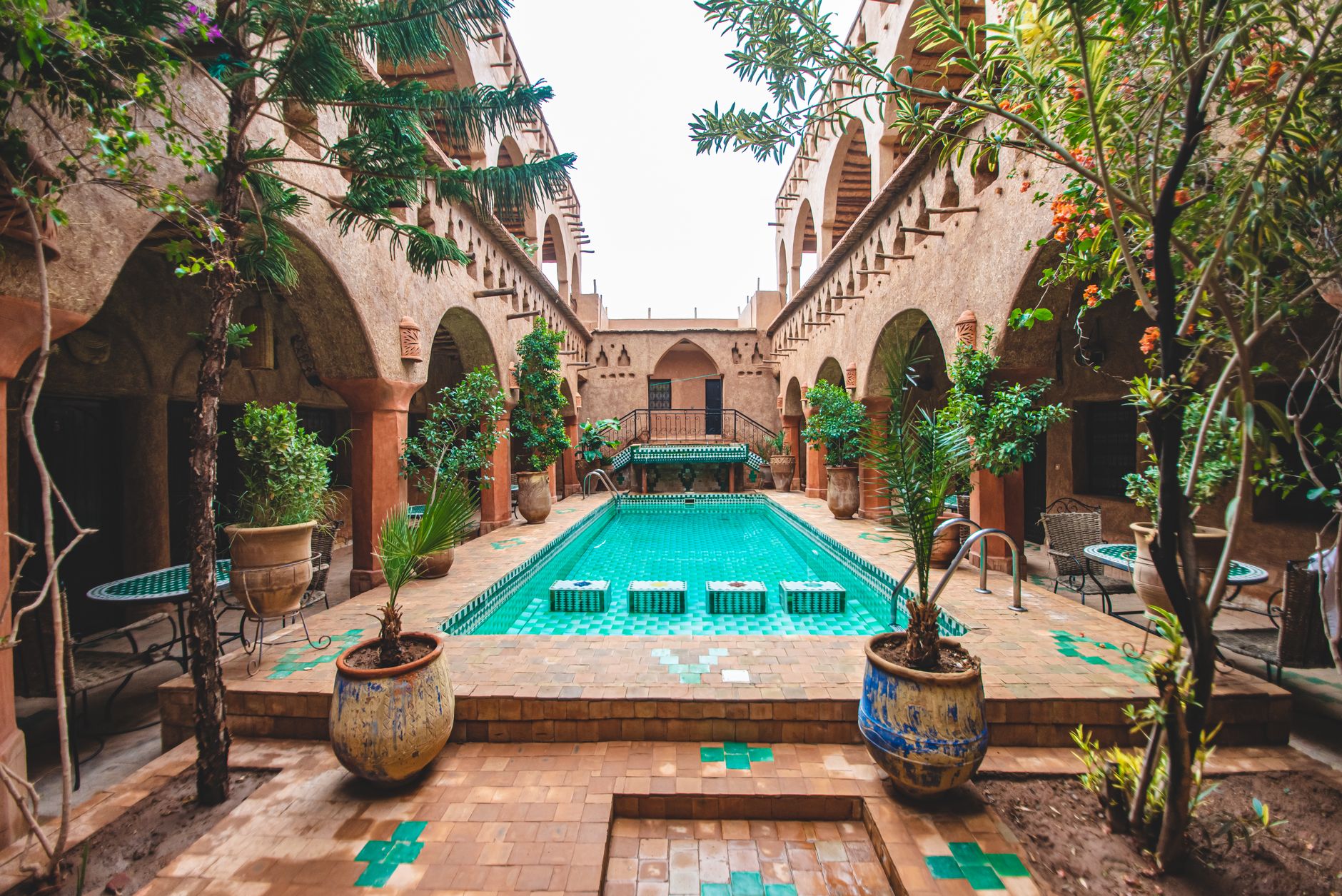
The Bahia Palace in Marrakech, Morocco, is definitely worth visiting if you are nearby and interested in history, architecture, and Moroccan culture. This impressive landmark offers visitors a glimpse into the luxurious lifestyle of Moroccan royalty during the late 19th century. The palace is beautifully designed, featuring elegant courtyards, colorful mosaic tiles, carved cedar wood ceilings, peaceful gardens, and traditional Islamic architecture that reflects the artistic craftsmanship of the era. Walking through the palace feels like stepping back in time. Every room and courtyard has its own charm, and the detailed decorations show the importance and prestige of the palace when it was built. Although the palace is not filled with furniture or historical objects, the architecture itself is the main attraction and provides plenty of opportunities for photography and exploration. One of the best ways to experience Bahia Palace is by visiting with a tour guide. While the palace is visually stunning, many areas can seem similar without proper explanation. A knowledgeable guide can provide historical background, explain the symbolism behind the designs, and share interesting stories about the palace’s former residents and Moroccan history. This makes the visit much more meaningful and enjoyable. The palace can become crowded during peak tourist hours, so visiting early in the morning is recommended for a quieter experience. A visit usually takes about one to two hours, depending on your level of interest and whether you choose a guided tour. Overall, Bahia Palace is an important historical site in Marrakech and a worthwhile stop for anyone exploring the city. Its beauty, cultural significance, and peaceful atmosphere make it one of Marrakech’s most memorable attractions.
Bahia Palace
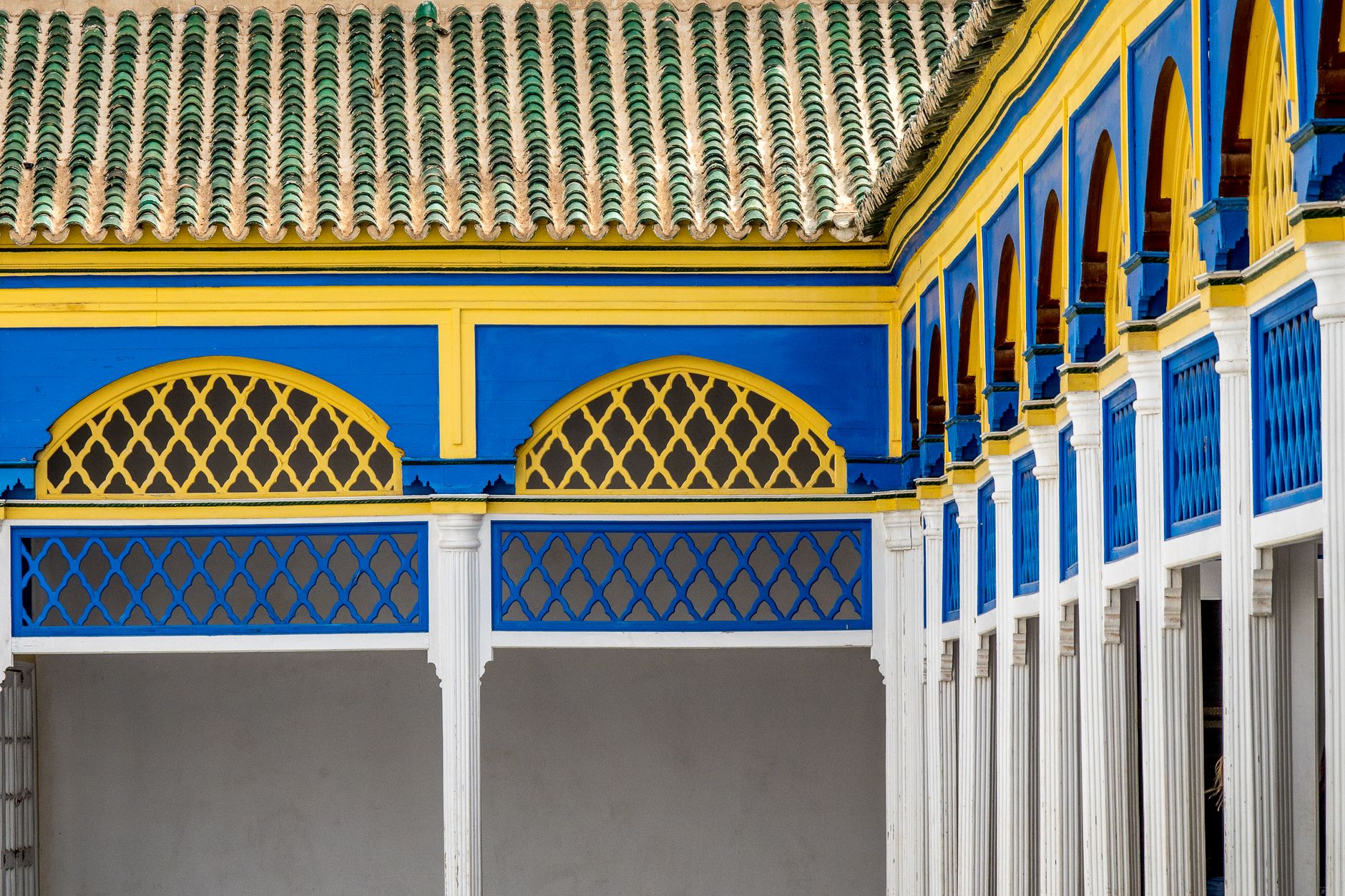
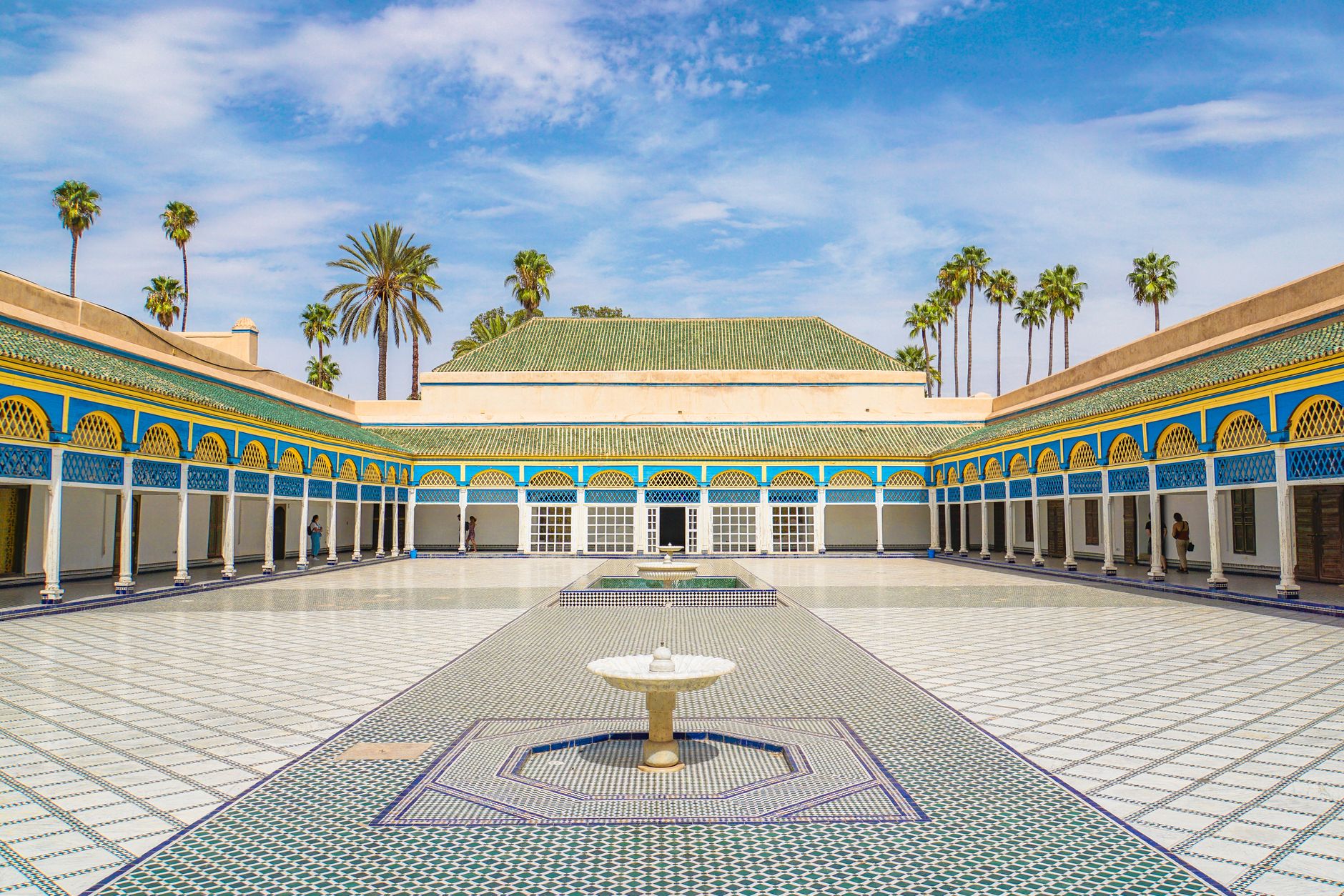
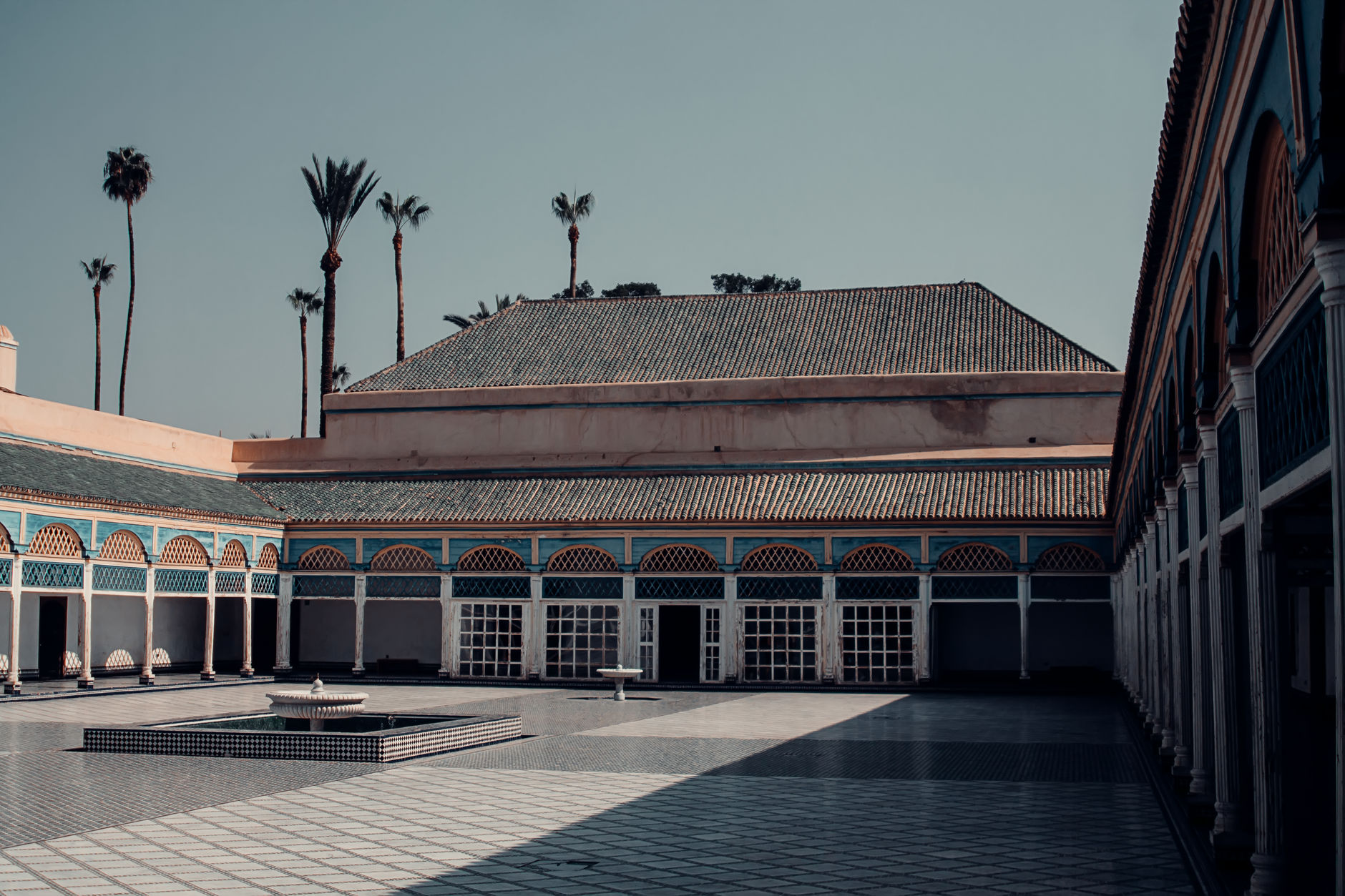
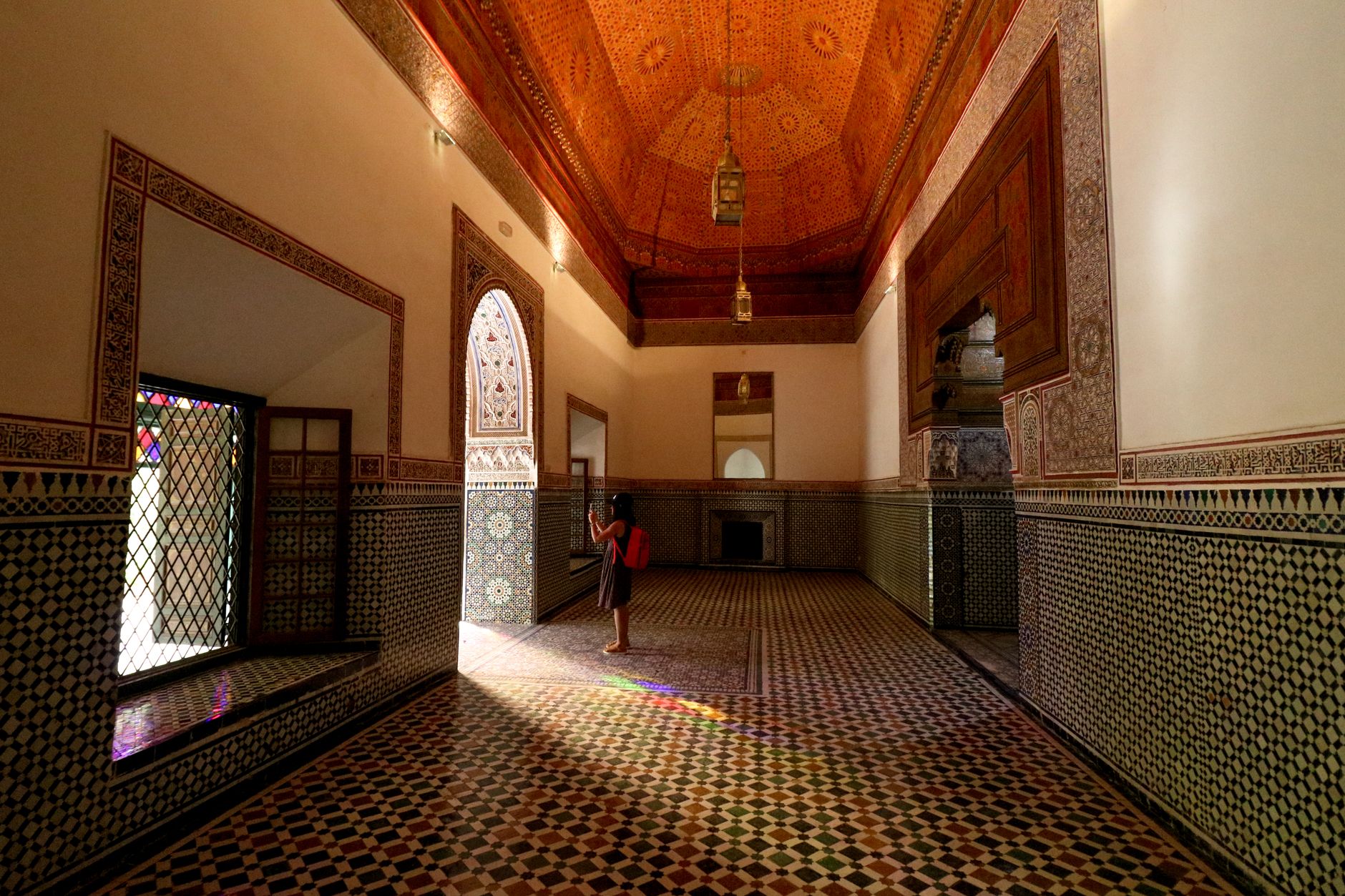
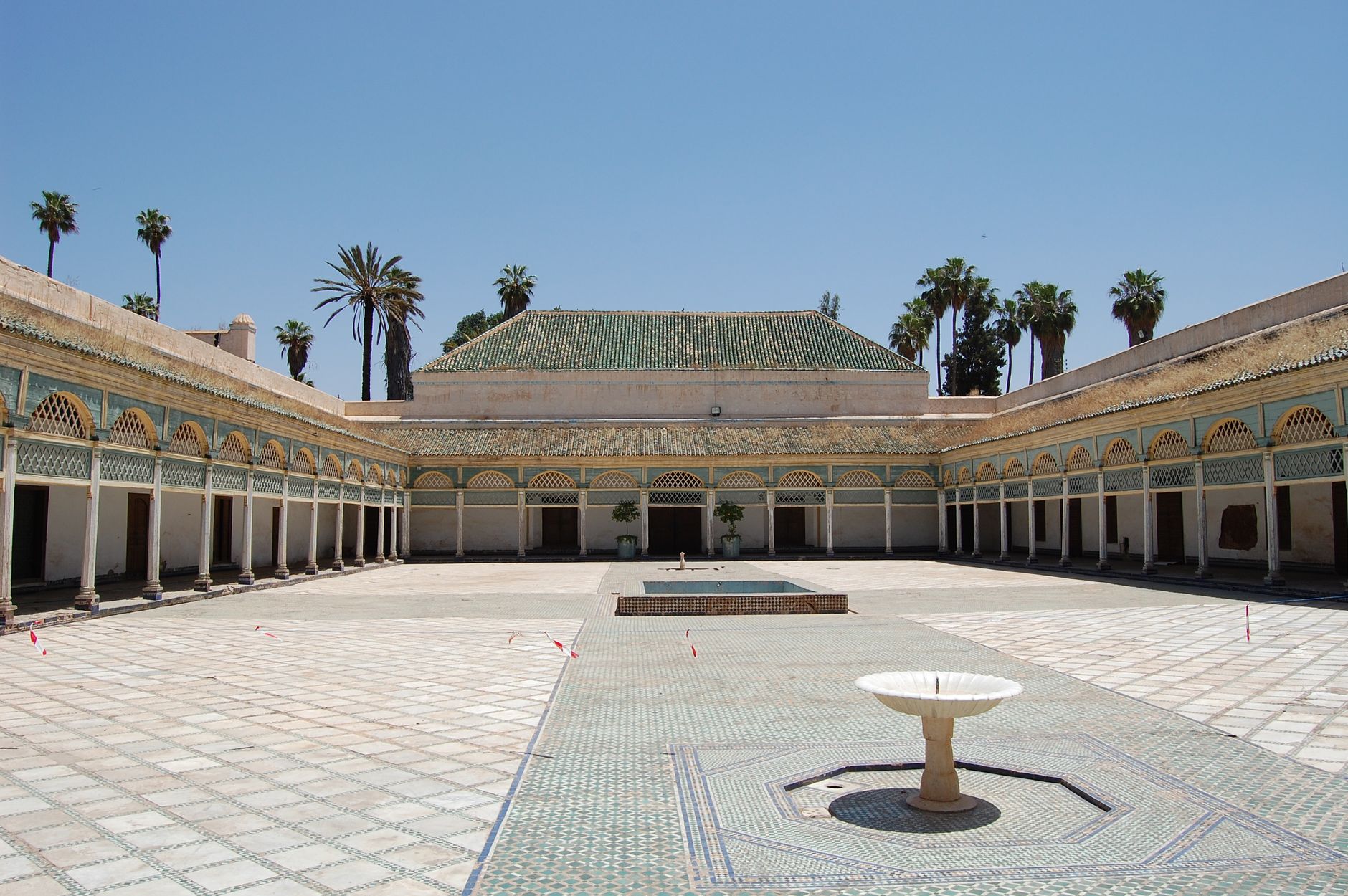
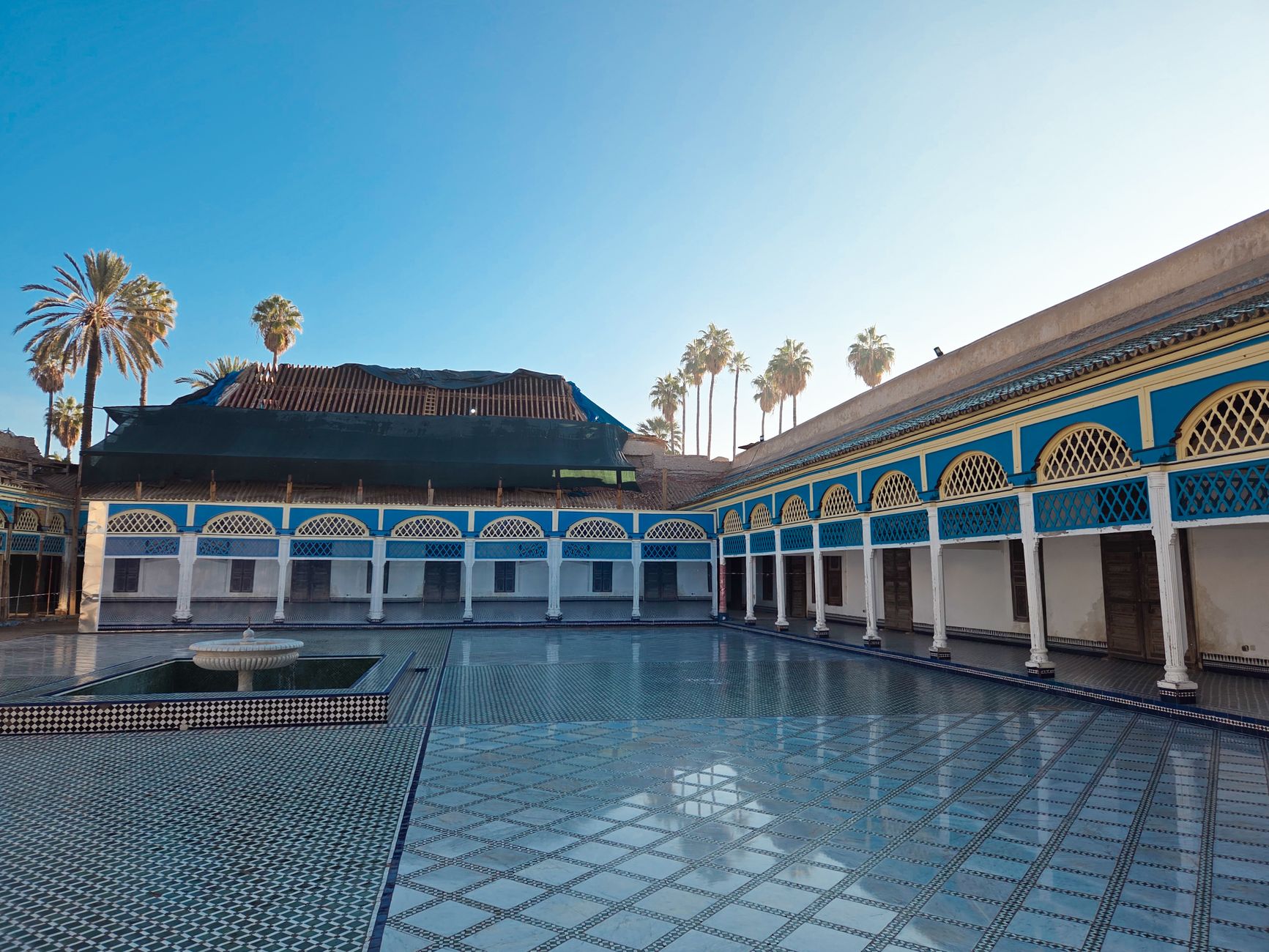
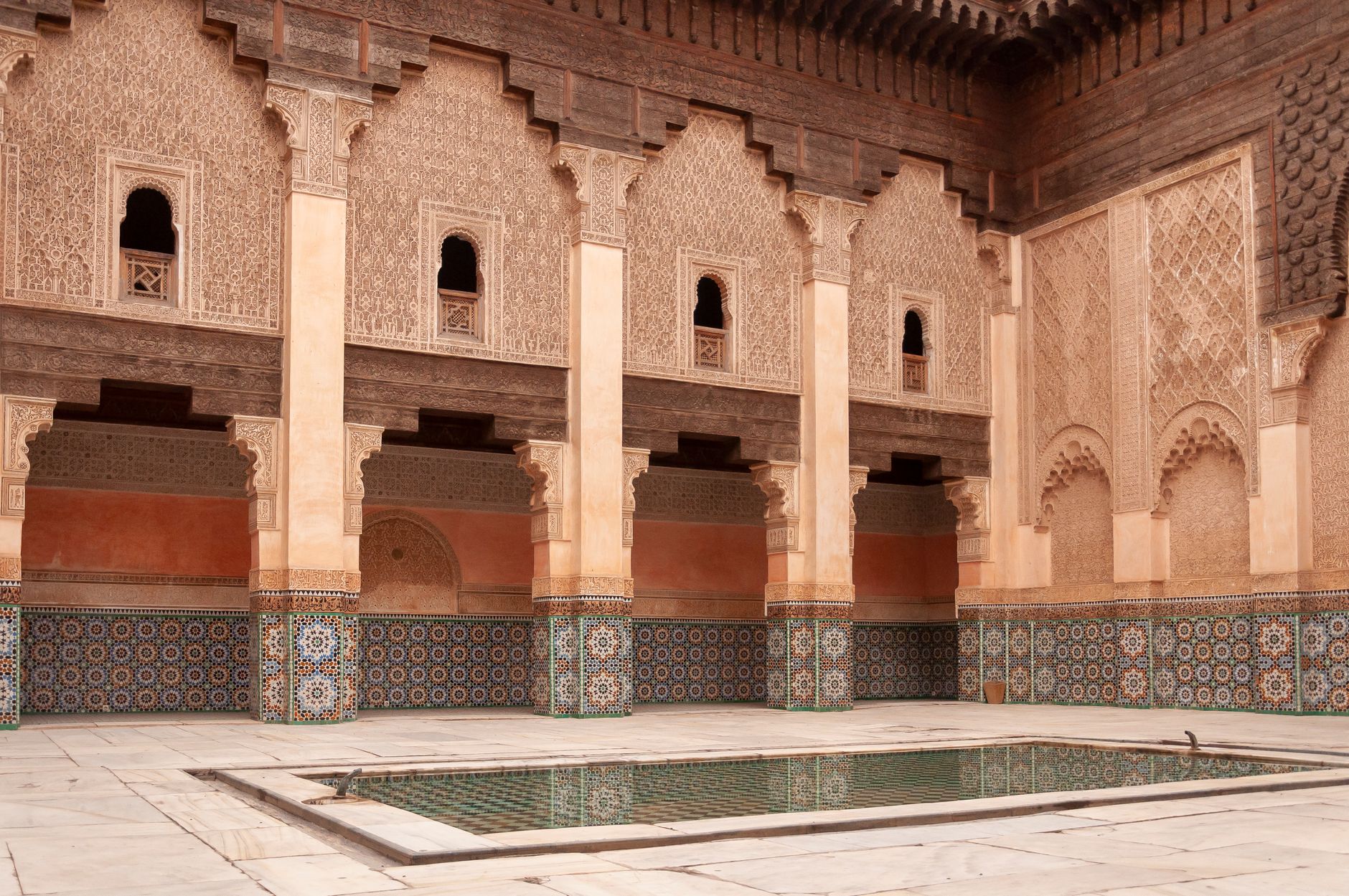
The name al-Bahia means 'the Brilliant' in Arabic — reportedly the name of Ba Ahmed's favourite wife — and the palace lives up to it in a particular way: not through scale, but through obsessive surface. Stand in the Petit Riad and look at the walls. Every centimetre of white plaster was carved while still wet, Quranic verses and geometric lacework cut in situ by hand, the kind of work that makes you slow down involuntarily.
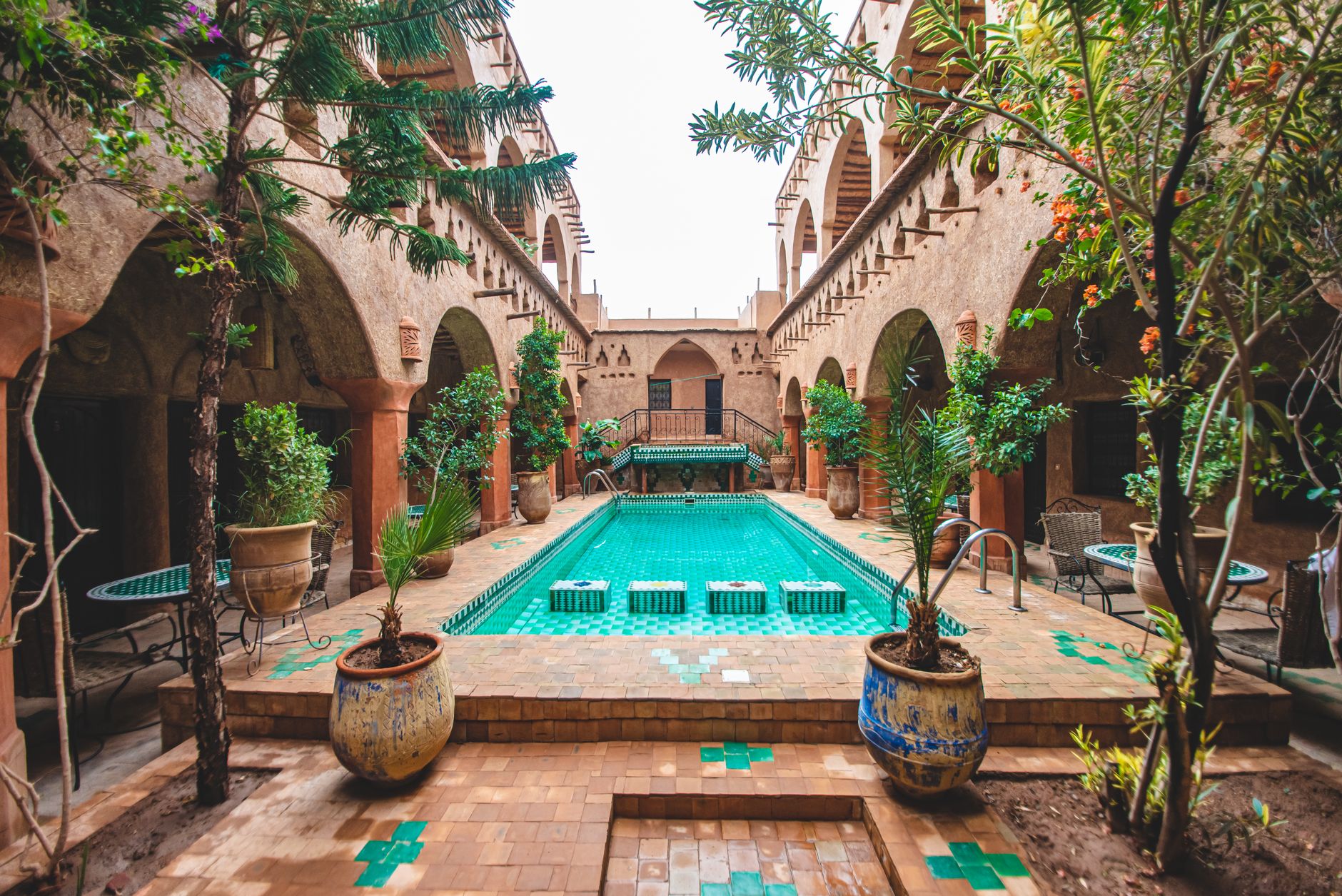
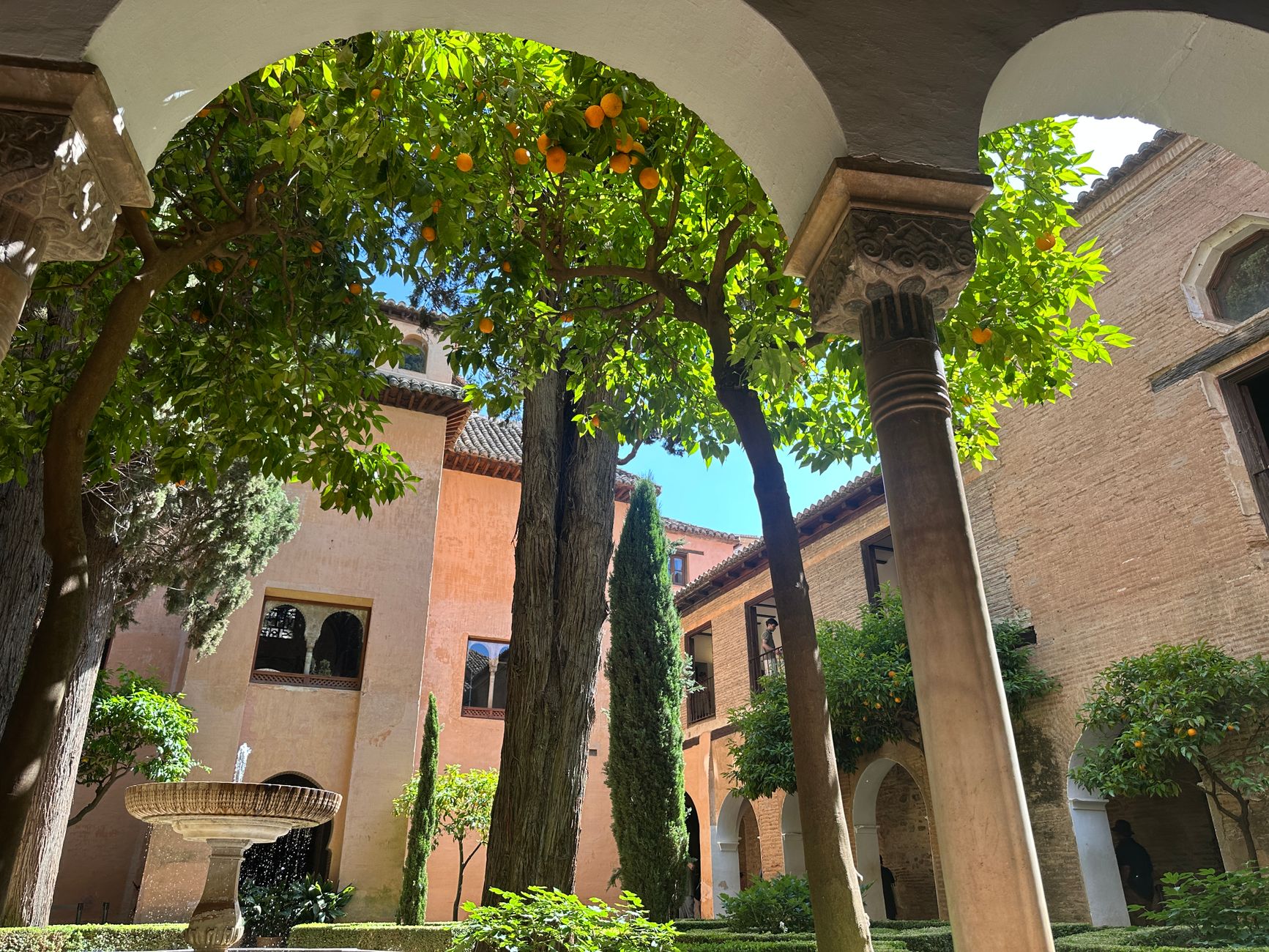
The palace is arranged around a series of internal courtyards and riad gardens, roughly 150 rooms in an irregular plan that grew in stages across four decades. The Grand Courtyard, paved in marble and dated to 1896–7, is the largest open space. The Harem quarter, where Ba Ahmed's four wives each had a private apartment opening onto a central garden with a marble fountain, is the most intimate.
💛 What travellers fall for
People who've been twice tend to say the same thing: go back after 3pm. The stained glass — reportedly the first used decoratively in any building in North Africa — throws coloured shapes across the zellige floors in the afternoon that simply don't exist in the morning. That effect was designed. It rewards knowing about it.
Experiences you don't want to miss
Deals in Bahia Palace
Book directly at the providerHow Bahia Palace came to be
The oldest section, the Grand Riad known as Dar Si Moussa, was built between 1866 and 1867 by Si Moussa, a grand vizier whose family had risen from enslaved ancestors to the highest offices of the Moroccan makhzen. Two rooms flanking the garden carry inscriptions confirming those dates. The architect was Muhammad ibn Makki al-Misfiwi, a craftsman from Safi born in 1857.
Si Moussa's son Ba Ahmed inherited both the palace and his father's political position, then expanded the complex dramatically between 1894 and 1900. As effective ruler during the minority of the sixteen-year-old Sultan Abdelaziz, Ba Ahmed had the resources to match his ambition. When he died of disease in 1900, the sultan reportedly ordered the palace looted within hours. It later became the residence of the French resident-general after 1912, then a royal residence after Moroccan independence in 1956, before passing to the Ministry of Culture.
Who and what shaped it
People who shaped it
Landmark buildings
See Bahia Palace in motion
Plan your visit
On the map
When to go
March through May and late September through mid-November are the most comfortable windows — warm days, cooler evenings, and manageable crowds. Summer pushes daytime temperatures regularly above 38°C, which makes the shaded courtyards of the palace genuinely useful, though the medina streets to reach it are unrelenting in the midday heat.
Right now
What travellers say about Bahia Palace
A glimpse into Morocco’s royal past ✨🇲🇦 Walking through Bahia Palace feels like stepping into a fairytale from the stunning mosaics and intricate details to the peaceful courtyards filled with history and charm. Every corner tells a story of Moroccan artistry and elegance. Definitely a must visit gem in Marrakech. 🤍
A beautiful sight to visit. Entrance for each foreign adult is 100 DH, but you get to see a very beautiful palace with beautiful and colorful rooms and gardens. Just make sure you have cash since card payment is not possible at the ticket booth. We visited the palace about an hour before closing and needed about 50 mins to see everything.
Stunning architecture and incredible detail in the craftsmanship especially the beautiful ceilings, zellige mosaics and doors. The detail is amazing! A couple of hours well spent. It was a scorching day but the building provided much needed coolness. Beautiful gardens. Stunning artwork as well by Aicha Aherdane who is a member of the European Academy of Arts. Lots of photo opportunities - a must see if you're visiting Marrakech. I wouldn't say it's wheelchair or buggy friendly but it is possible to navigate with some effort. Some construction taking place.
A peaceful interlude in the Marrakech city! Beautiful gardens with fruit and olive trees, stunning art and decorations and a great place to spot the local storks flying over. Good selection of modern art on display and of course the little prince cat resides there too. Reasonably priced for adults and children, and located in a calmer part of the city, defo worth a visit!
↡ Shopping areas


Background & history adapted from Wikipedia (CC BY-SA) · specs from Wikidata (CC0) · weather from Open-Meteo · map data © OpenStreetMap contributors · photos from Wikimedia Commons / Unsplash with per-image credit. No third-party reviews or social posts reproduced.