
Service Quarters and Stables
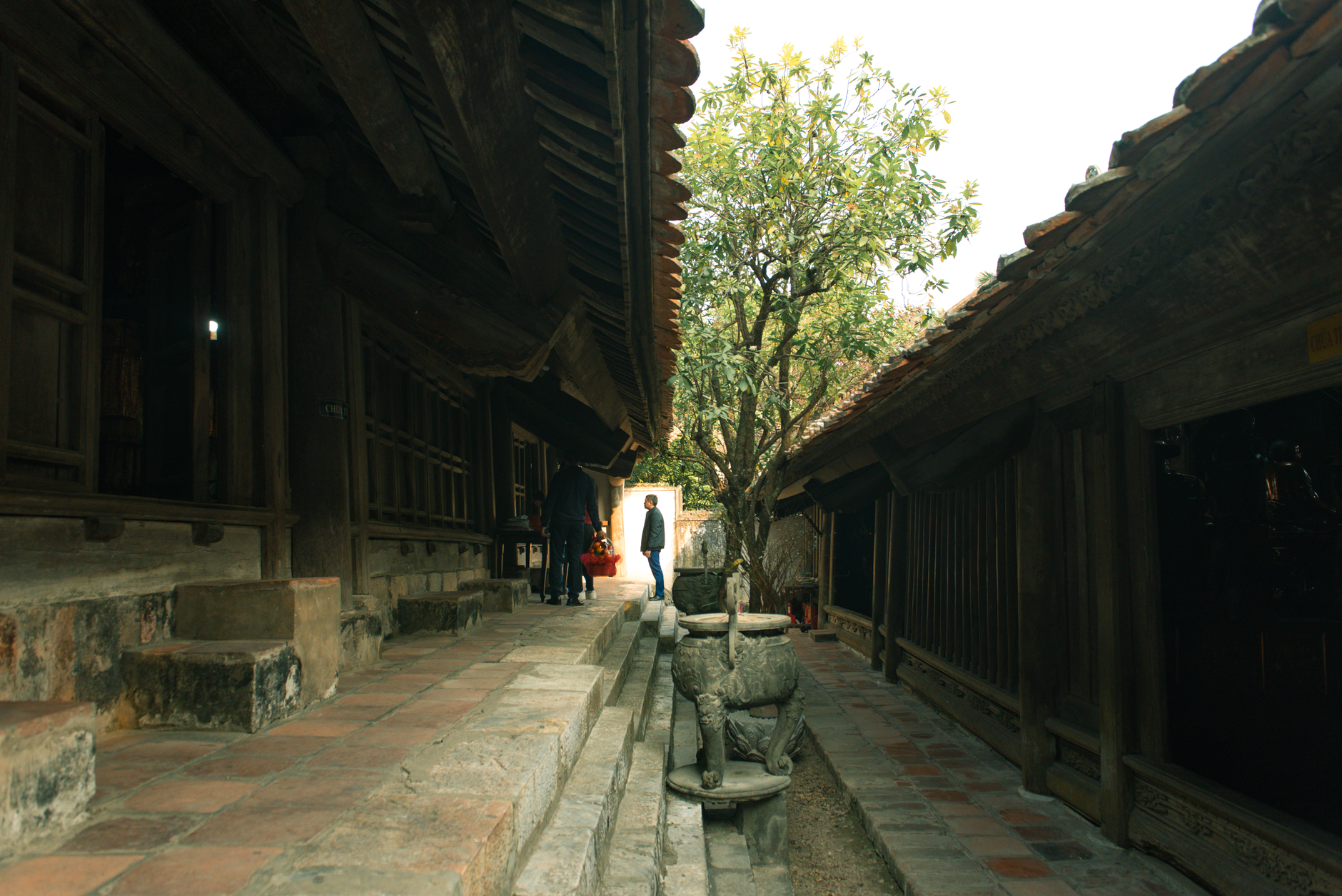
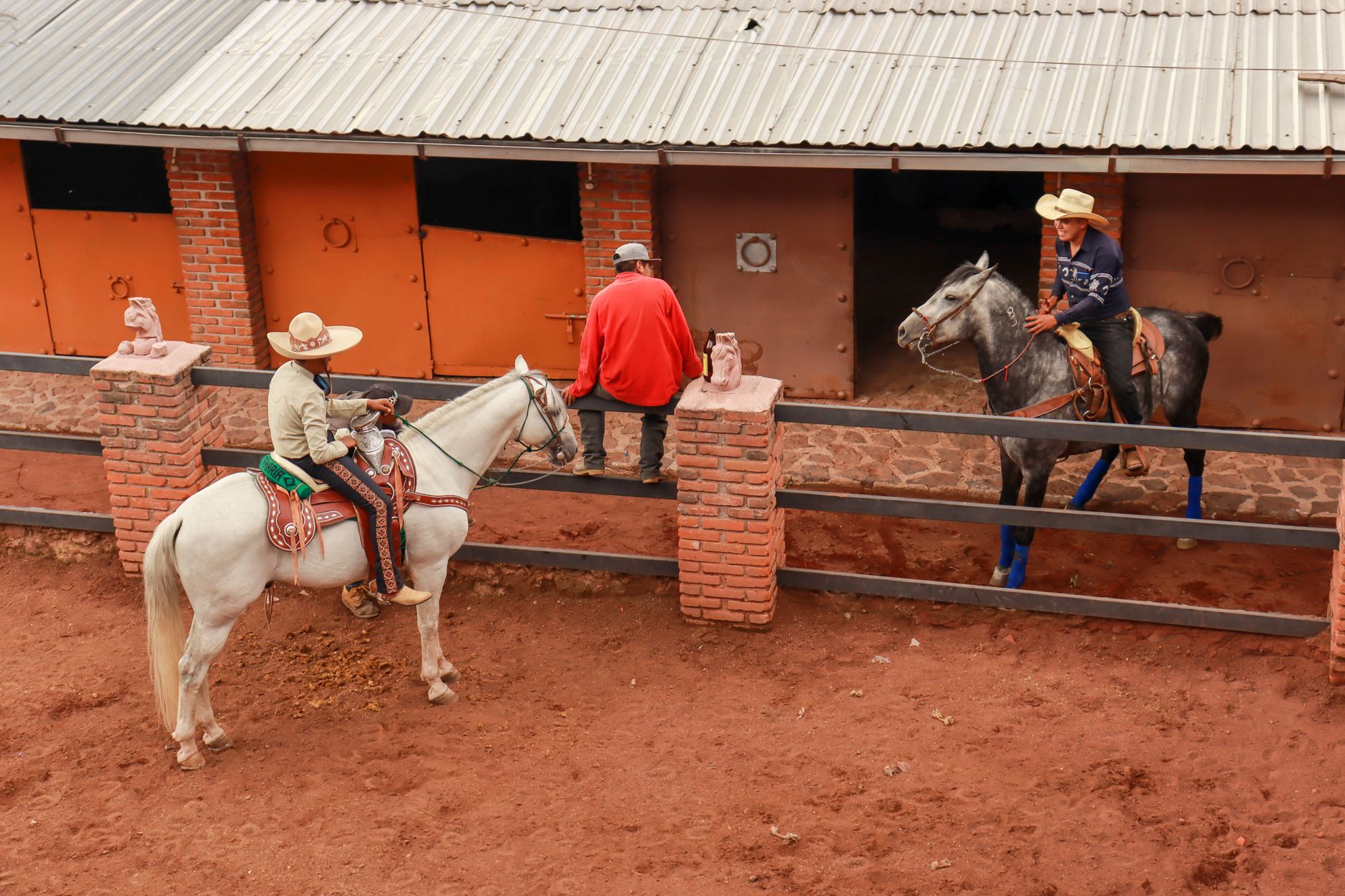
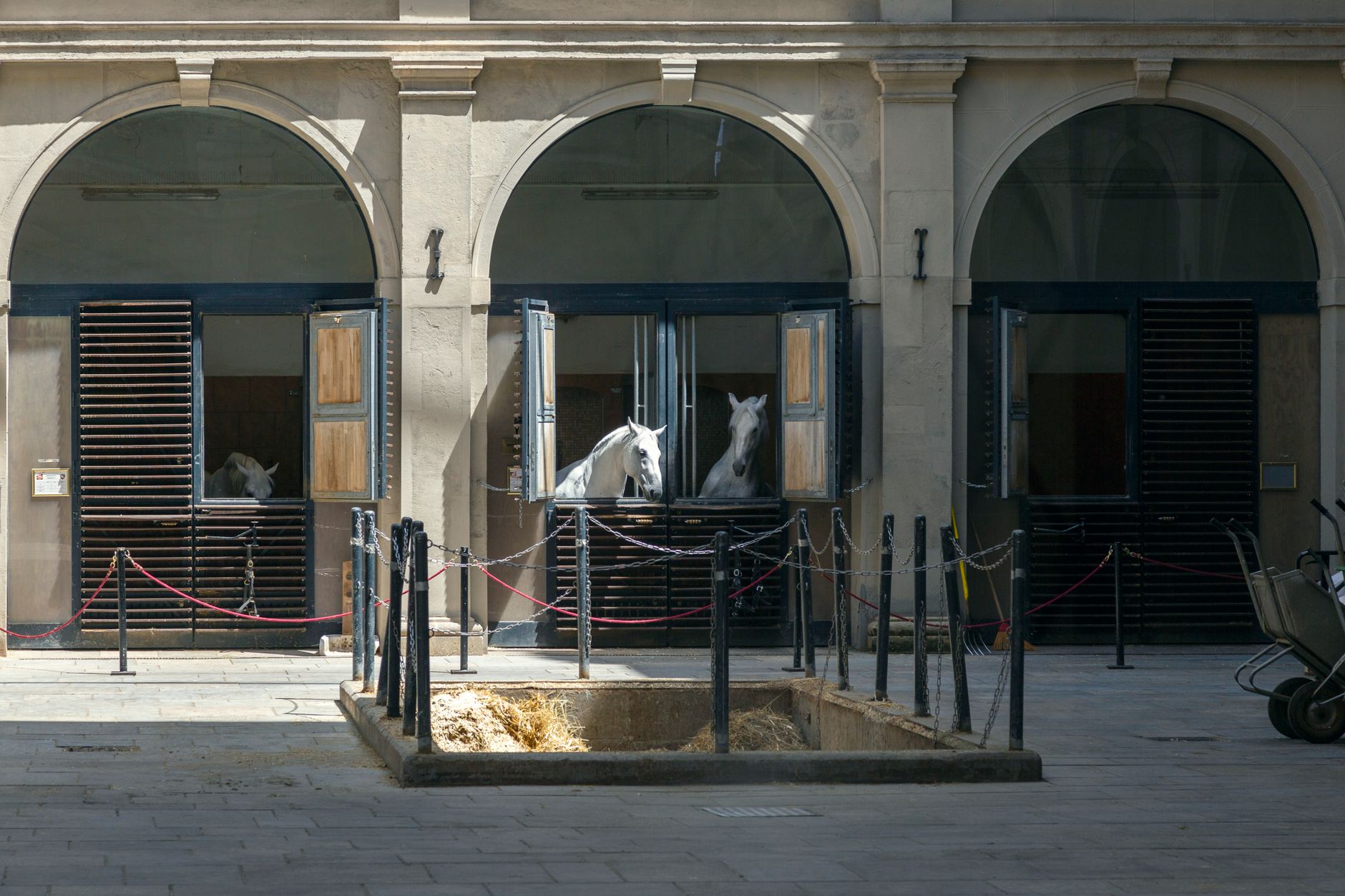
At the far edges of Bahia Palace, past the gilded reception halls and the harem's tiled courts, the architecture loosens into something more functional. These are the service quarters and stables — the working infrastructure behind one of Marrakech's most elaborate nineteenth-century households. The rooms are plainer here, the ceilings lower, the ornament sparse.
What you're standing in is the oldest part of the complex. Si Moussa, Grand Vizir to Sultan Hassan I, began construction on this northwestern section in 1866 — the stables and outbuildings came first, long before the grand courtyards were even imagined. Later, after 1894, the space was repurposed as a harem for the 24 concubines of Ba Hmat and their children.
💛 What travellers fall for
People who linger here tend to notice the shift in register — from spectacle to logistics. After the Cour d'Honneur and the Chambre de la Favorite, the relative plainness of this section reads differently. It's a useful place to let the scale of the whole enterprise sink in: 160 rooms, a mosque, a hammam, stables, gardens — and someone had to run all of it.
How Service Quarters and Stables came to be
Si Moussa — Chamberlain and later Grand Vizir to the Alaouite Sultan Hassan I — began building on this site in 1866. The stables and outbuildings were among the first structures raised, forming the functional backbone of a residence that would eventually sprawl into one of Morocco's most complex palatial compounds.
When Si Moussa's son Ahmed ben Moussa (known as Ba Hmat) inherited the title of Grand Vizir in 1894, he acquired neighbouring properties and commissioned the architect Muhammad ibn Makki al-Misfiwi, originally from Safi, to expand the palace significantly. The old stables were converted into a harem, housing Ba Hmat's 24 concubines and their children. On the palace's south side, additional annexes — stables and a mosque with a minaret — were also added during this period.
Who and what shaped it
People who shaped it
Landmark buildings
Plan your visit
On the map
When to go
Spring (March to May) and autumn (late September to mid-November) give you the most comfortable conditions — warm days, manageable light, and fewer crowds than summer. In July and August the heat is serious; mid-morning visits are advisable, with the middle of the day reserved for shade.
Right now
Background & history adapted from Wikipedia (CC BY-SA) · specs from Wikidata (CC0) · weather from Open-Meteo · map data © OpenStreetMap contributors · photos from Wikimedia Commons / Unsplash with per-image credit. No third-party reviews or social posts reproduced.