
Hammam (Bathhouse)
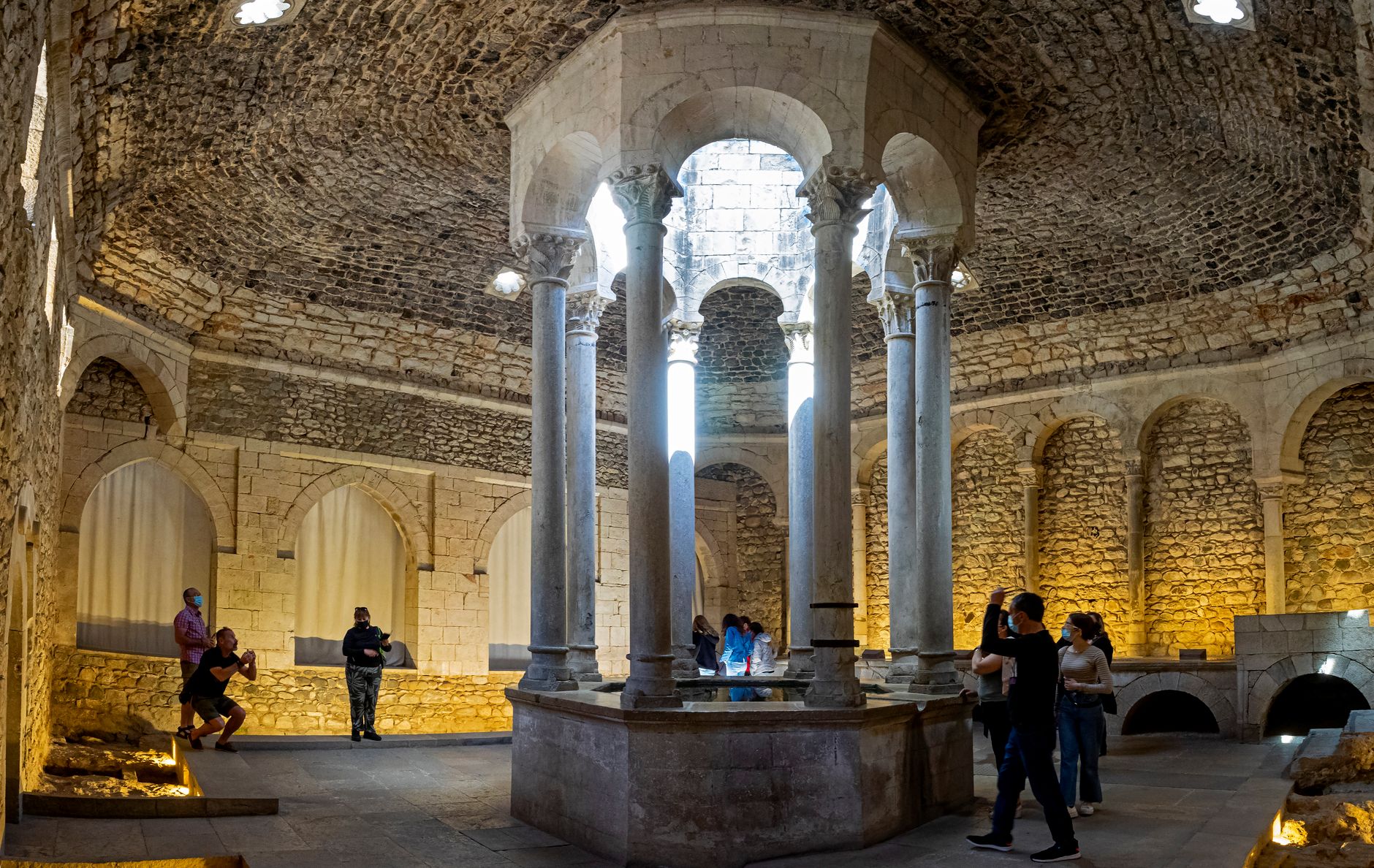
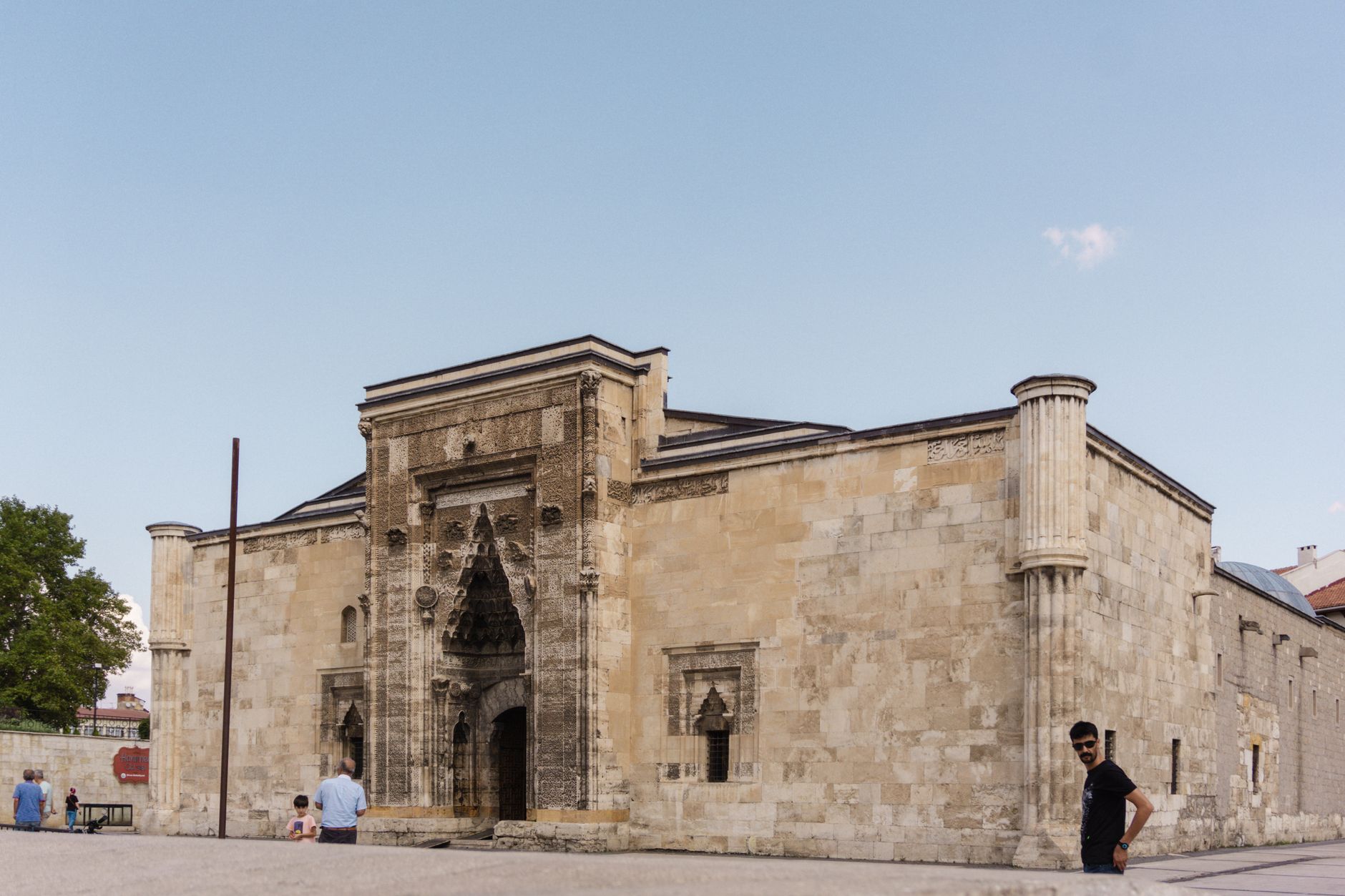
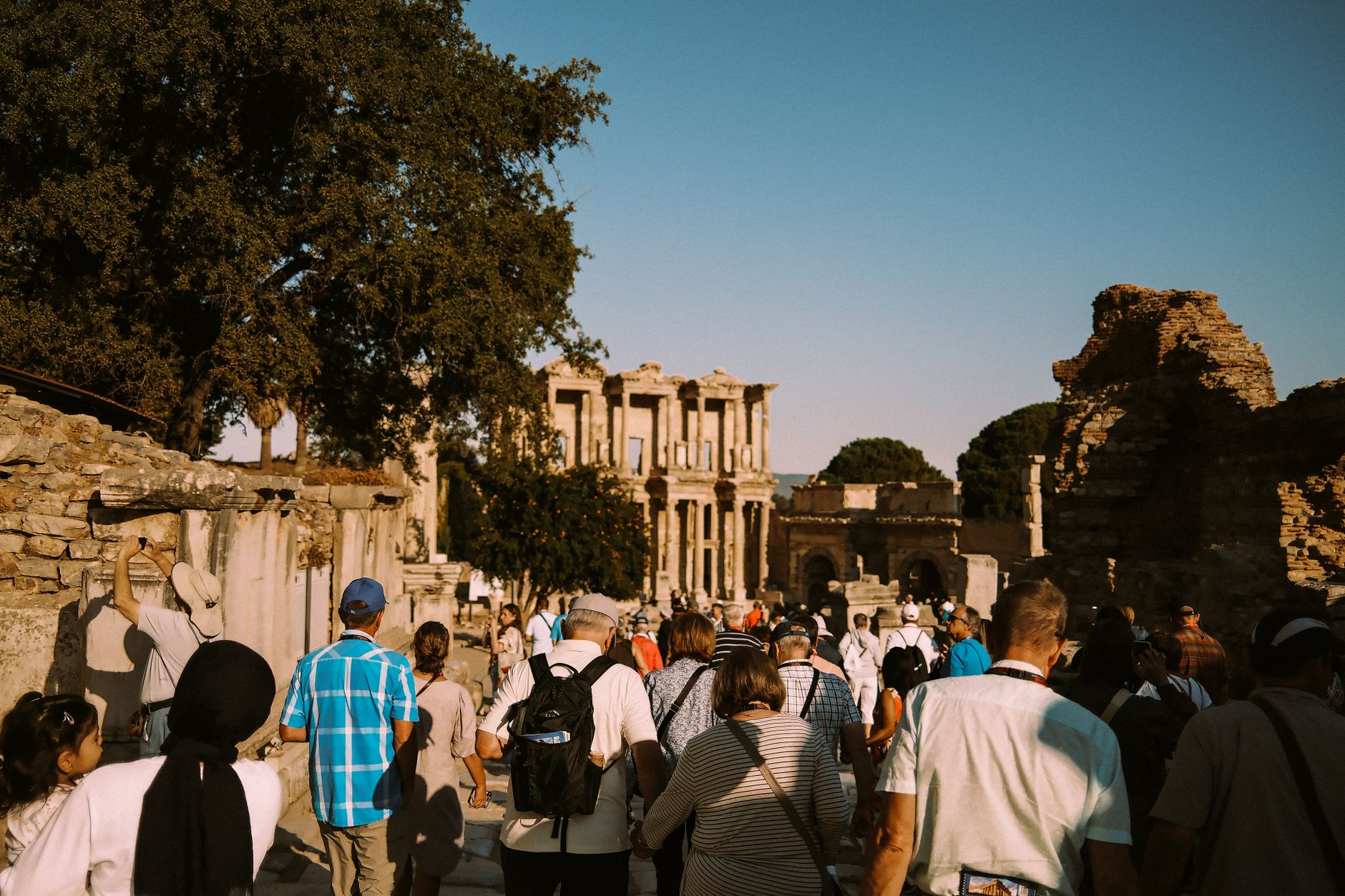
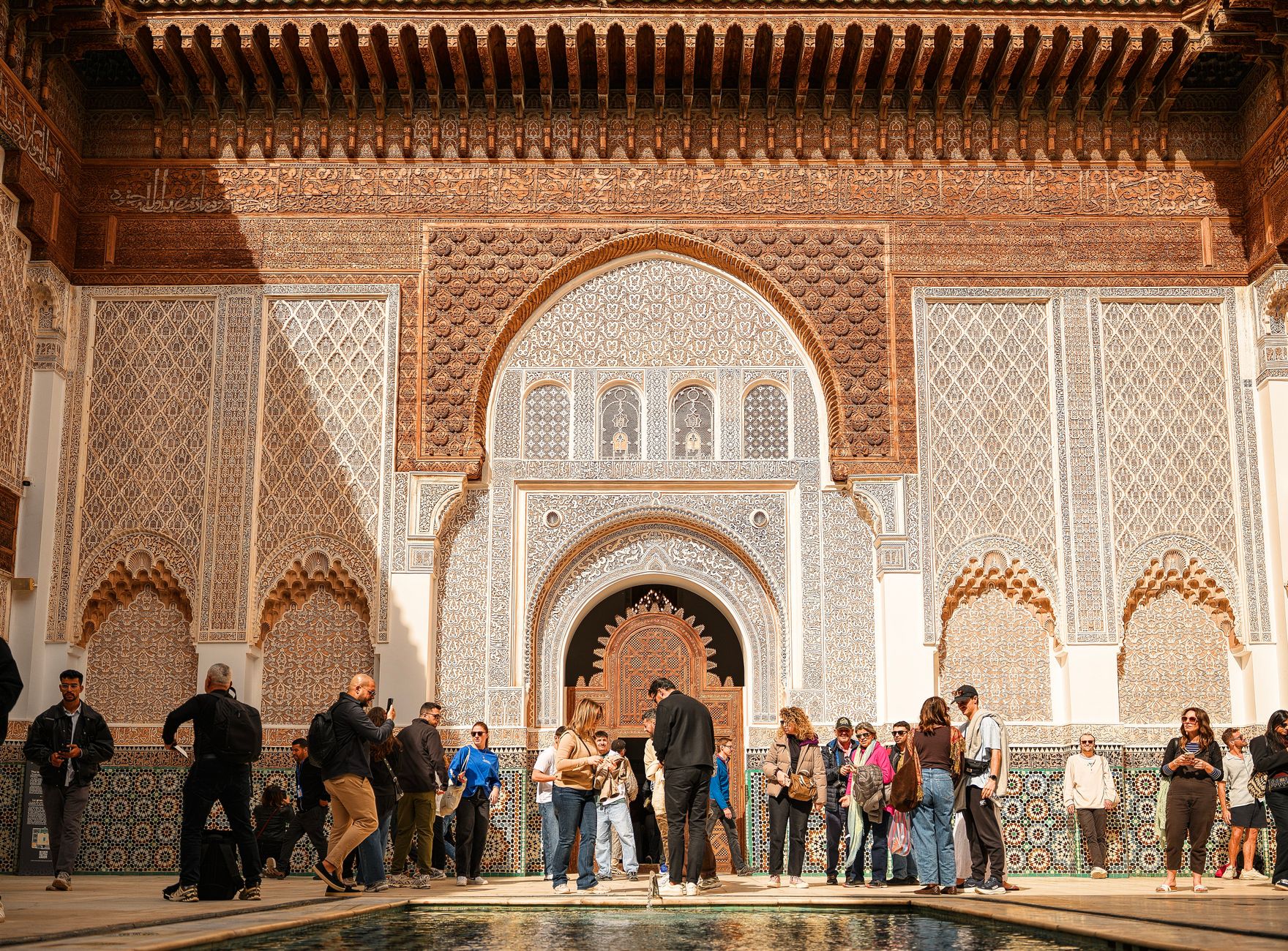
The hammam at Bahia Palace is not a working bathhouse you slip into — it is a room you pass through, reading what it says about a household that once ran to 150 rooms and the country's finest craftsmen. It sits within a complex built in two phases across the late nineteenth century, and by the time Si Ba Ahmed ibn Musa finished expanding his father's work around 1900, the palace had its own mosque, harem, gardens, and this bath.
What stops you here is the contrast: the hammam is quieter and more closed than the great courtyard or the painted salons, a functional space made with the same care as the ceremonial ones. The artisans Muhammad ibn Makki al-Misfiwi brought together did not distinguish between rooms meant to be seen and rooms meant to be used.
💛 What travellers fall for
People who come back tend to linger here longer than the guided pace allows. Step aside when a tour group moves through and you get the room to yourself for a minute. The lack of English signage, which can frustrate elsewhere in the palace, matters less in a space you can simply read with your eyes.
How Hammam (Bathhouse) came to be
The palace began in the 1860s when Si Musa, grand vizier to Sultan Muhammad ibn Abd al-Rahman, built an initial residence for his own use. After his death, his son Si Ba Ahmed ibn Musa — grand vizier to the young Sultan Moulay Abdelaziz — undertook a far more ambitious expansion between 1894 and 1900. He commissioned Muhammad ibn Makki al-Misfiwi, a master craftsman from Safi born in 1857, to oversee the work.
The hammam was part of that second phase, one element in a compound that also included treasure rooms, a mosque, a harem, and an Agdal garden. Ba Ahmed died in 1900, shortly after the work was complete, and the palace passed out of private use not long after.
Who and what shaped it
People who shaped it
Landmark buildings
See Hammam (Bathhouse) in motion
Plan your visit
On the map
When to go
Spring and autumn are the most comfortable seasons to walk the palace — March through May sees daytime temperatures between 20°C and 28°C, while September and October cool gradually from the low 30s. Summer heat regularly reaches 35–40°C, which makes the interior rooms a relief rather than a detour.
Right now
Background & history adapted from Wikipedia (CC BY-SA) · specs from Wikidata (CC0) · weather from Open-Meteo · map data © OpenStreetMap contributors · photos from Wikimedia Commons / Unsplash with per-image credit. No third-party reviews or social posts reproduced.