
Stucco Reception Room
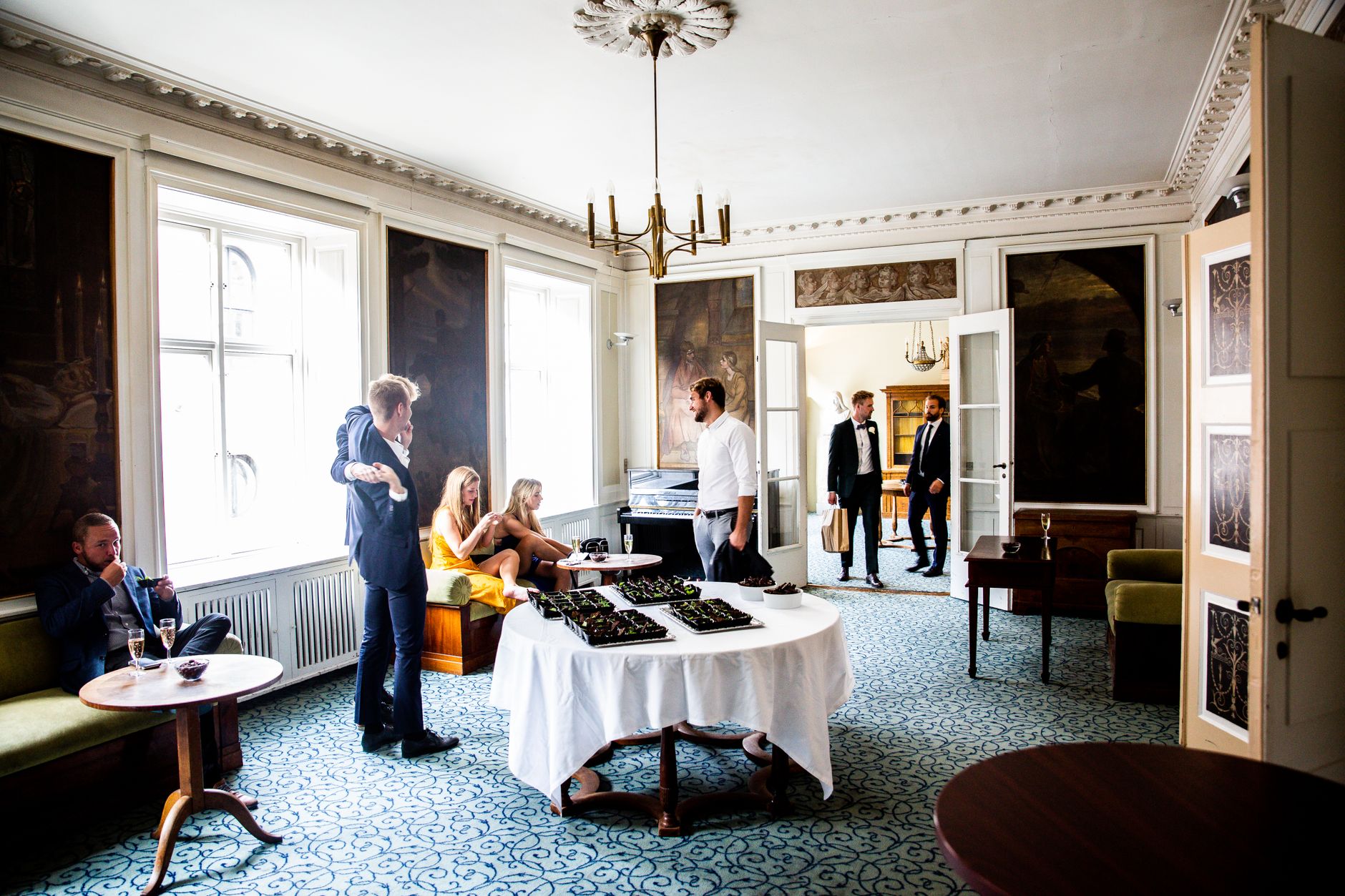

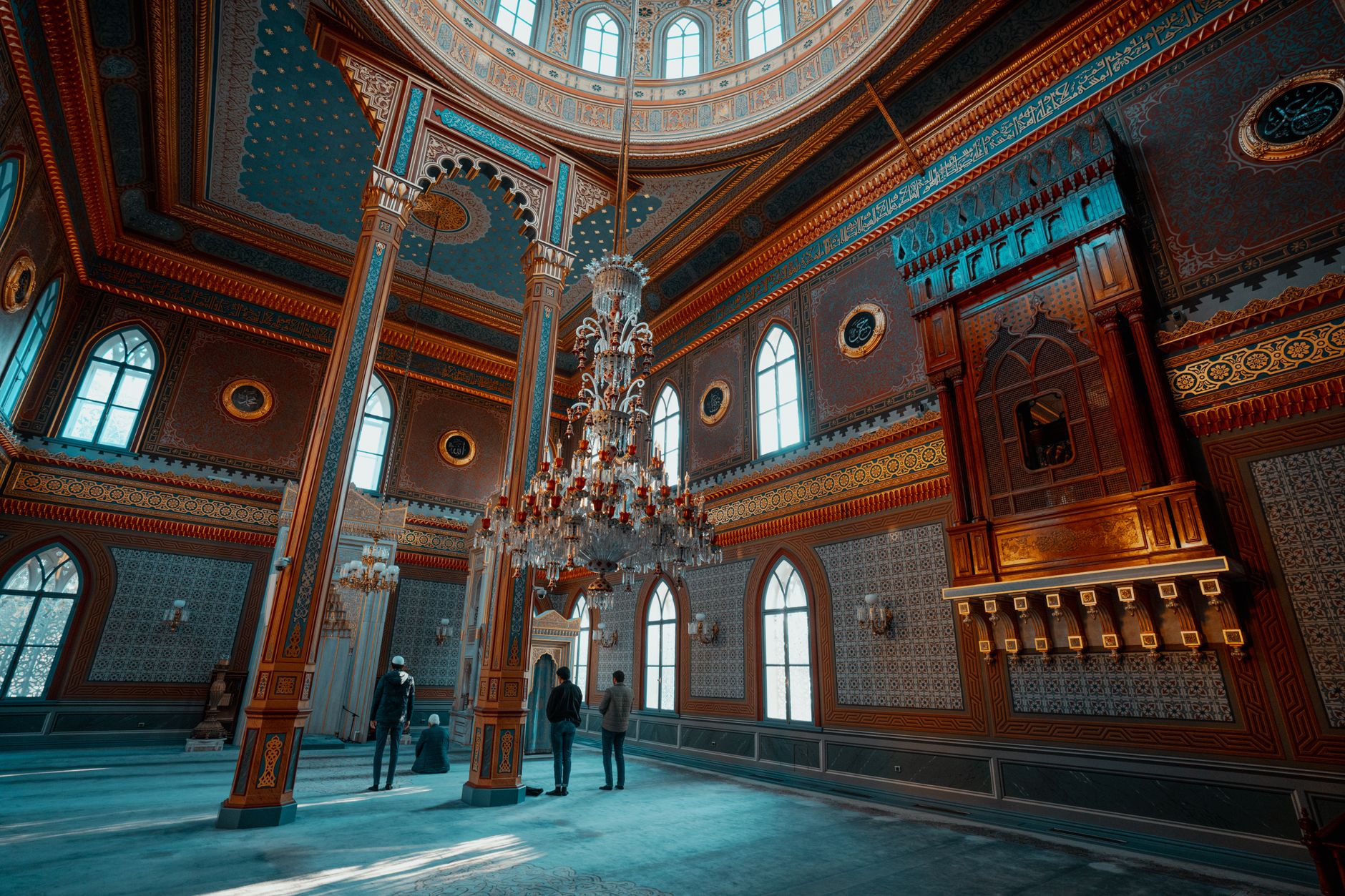
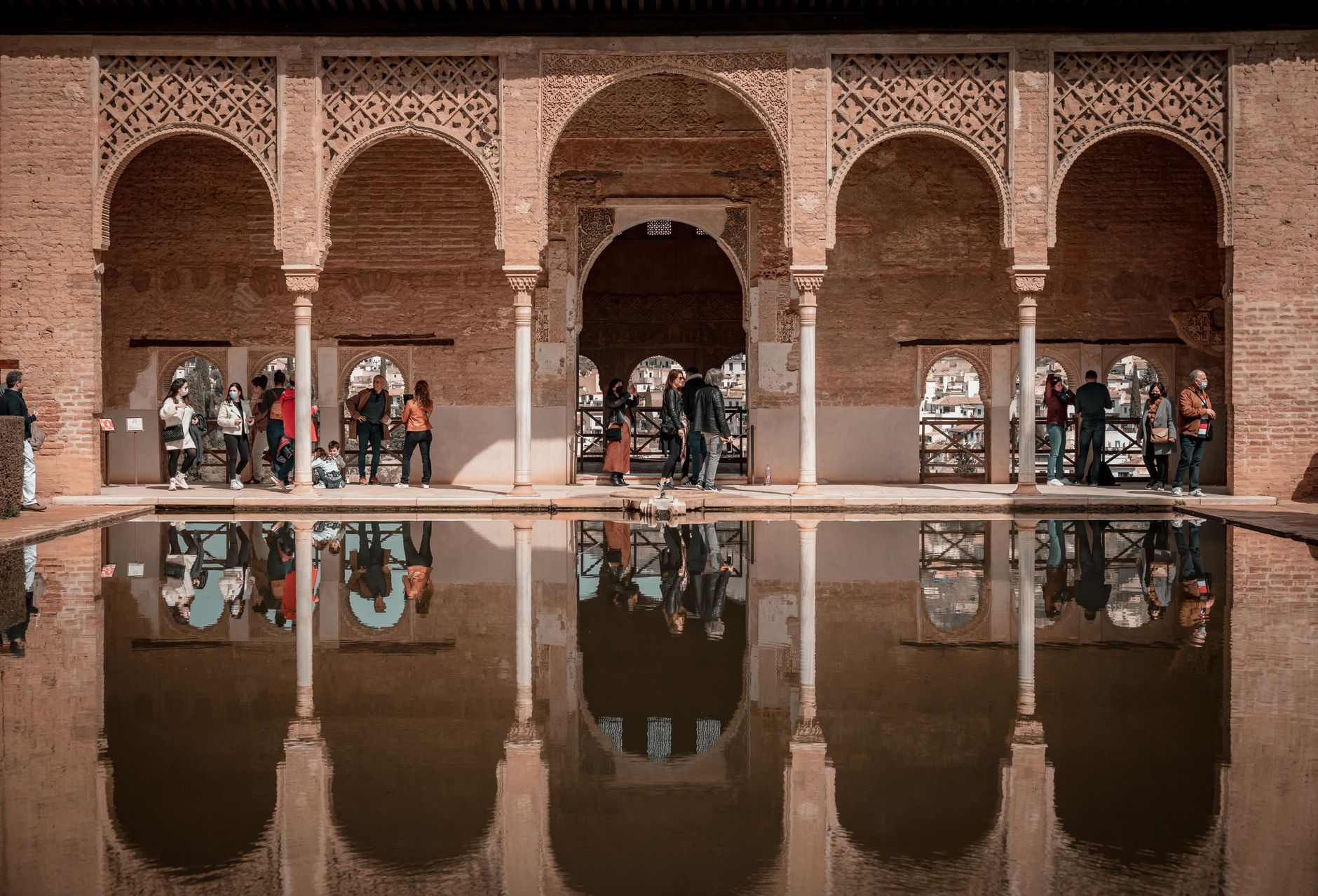
Stand in the Stucco Reception Room long enough and your eyes start to read the walls the way you might read a page — Arabic inscriptions threading through geometric patterns, arabesques tightening and opening like breath, and above it all a muqarnas vault doing that particular honeycomb trick of making a ceiling feel both heavier and more weightless than it should. The floors are marble and zellij underfoot, the cedar ceiling painted in colours that have held their ground for well over a century.
This room was built to impress, and it still does the job, though for different reasons now. What arrests you isn't grandeur exactly — it's the density of decision-making, every surface a record of what the craftsmen of the 1890s could do when given time and a client with ambition.
💛 What travellers fall for
People who come back to Bahia tend to linger here longer than they planned. The move is to arrive early, when the morning light is still low and the tour groups haven't thickened yet. Give yourself a moment to stand still rather than photograph — the muqarnas vault rewards patience more than a wide-angle lens.
How Stucco Reception Room came to be
The room belongs to the second phase of Bahia Palace, the part shaped by Ba Ahmed, son of the Grand Vizier Si Musa, who expanded the complex piece by piece from 1894 until his death in 1900. Si Musa had started the palace around 1866–67; Ba Ahmed spent his years as regent pushing it southward, acquiring adjacent land and filling it with rooms like this one. The architect Muhammad ibn Makki al-Misfiwi, born in Safi in 1857, oversaw the craftsmanship.
Ba Ahmed died in 1900 and the palace was looted almost immediately on Sultan Abdelaziz's orders. It later passed through the hands of Madani el-Glaoui, then became the residence of the French resident-general after 1912. The stucco survived all of it.
Who and what shaped it
People who shaped it
Landmark buildings
Plan your visit
On the map
When to go
Spring (March to May) and autumn (late September to November) are the most comfortable seasons — daytime temperatures between 20°C and 28°C in spring, cooling gradually through autumn. Summer pushes regularly into the high 30s, which makes the marble floors and shaded interior of the reception room feel like a genuine reprieve.
Right now
Background & history adapted from Wikipedia (CC BY-SA) · specs from Wikidata (CC0) · weather from Open-Meteo · map data © OpenStreetMap contributors · photos from Wikimedia Commons / Unsplash with per-image credit. No third-party reviews or social posts reproduced.