
Main Garden (Jardin Principal)
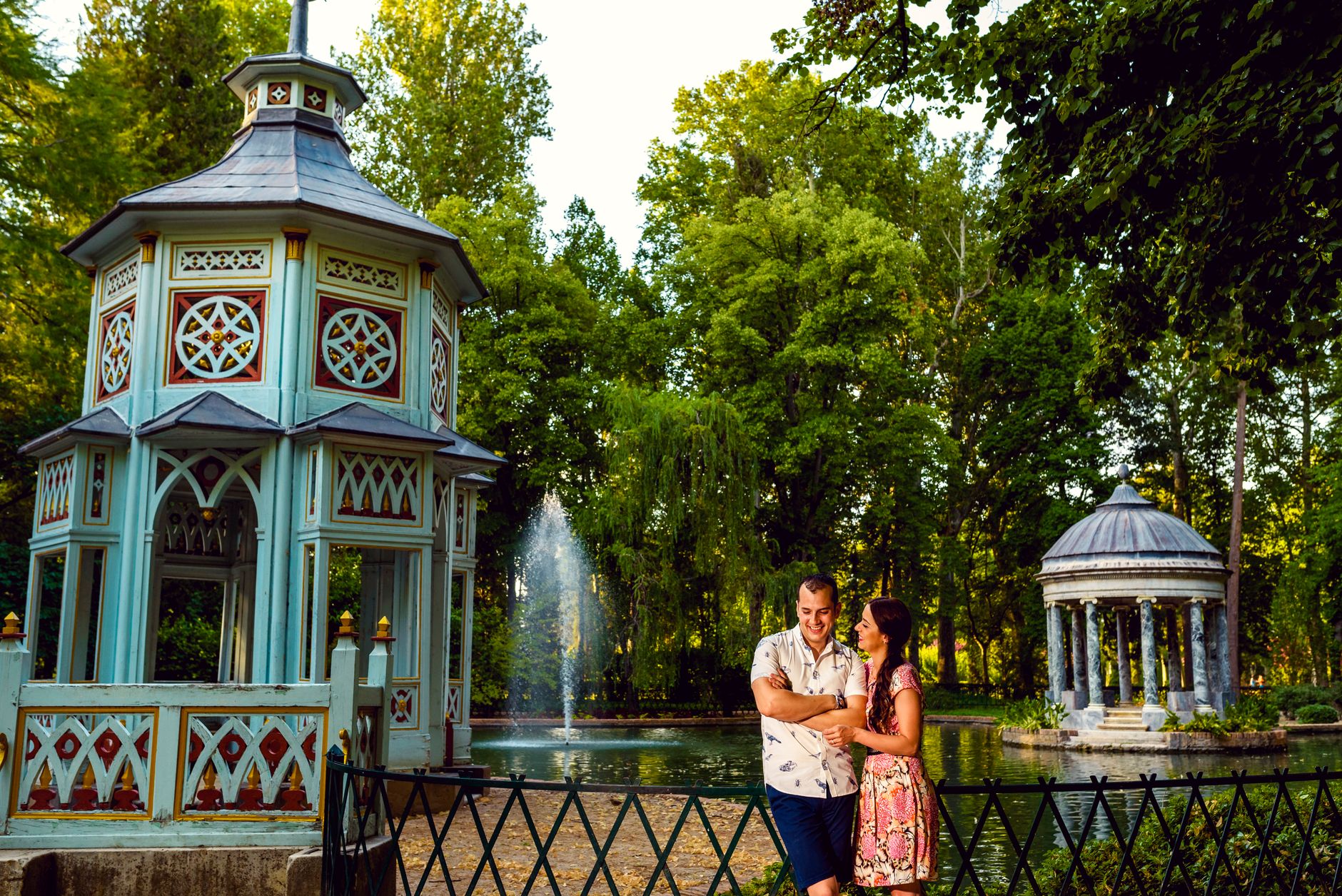
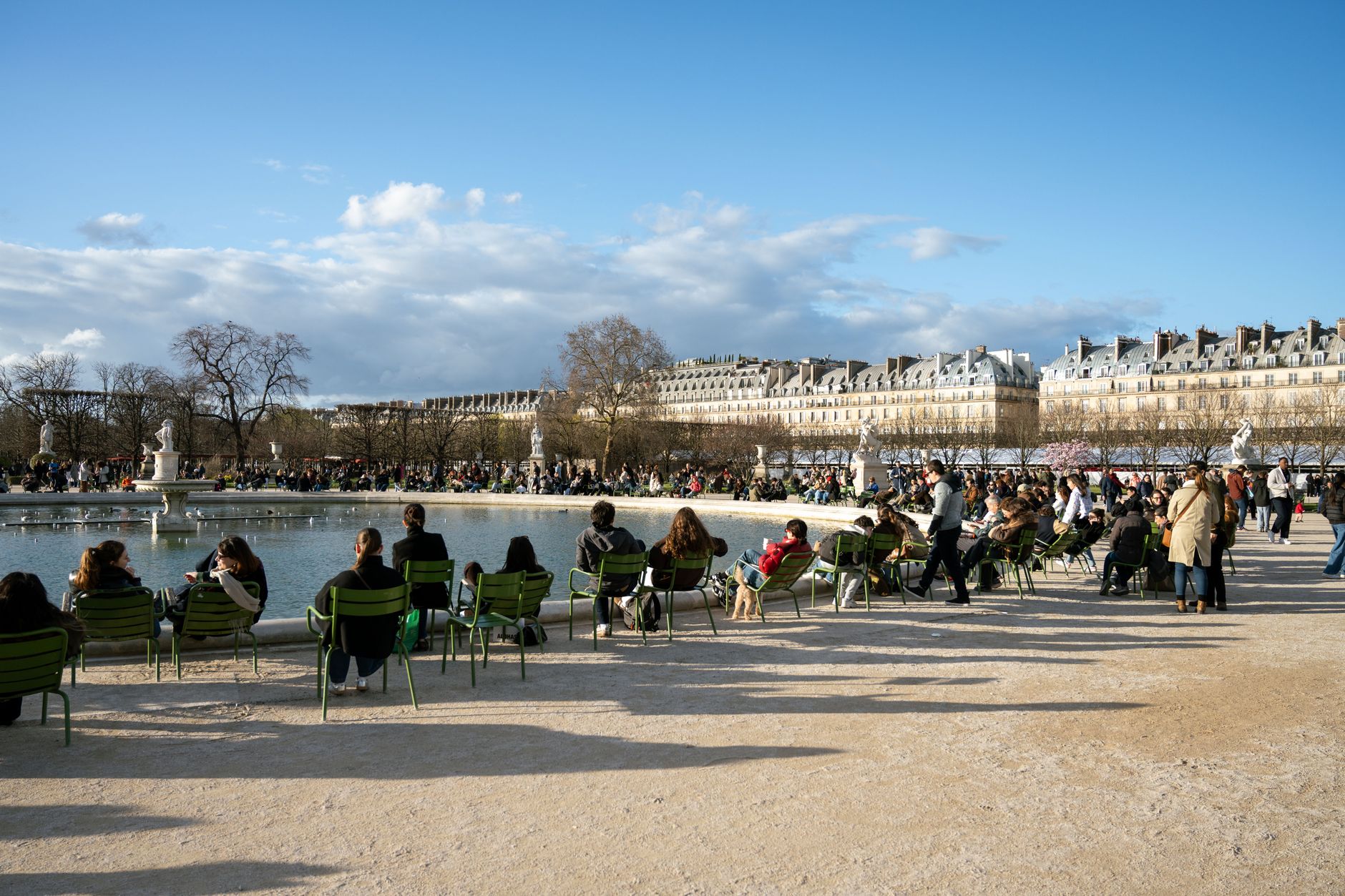
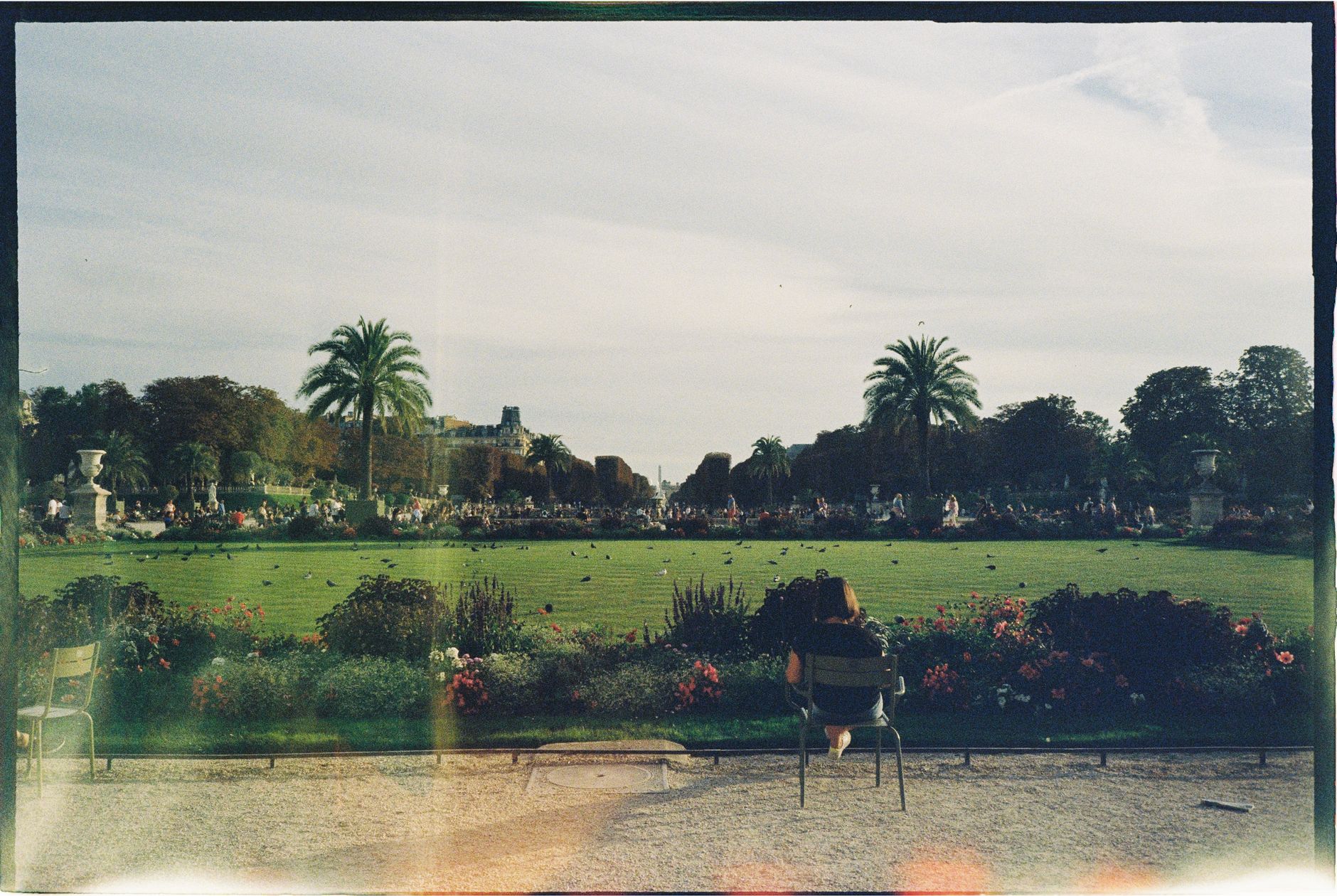

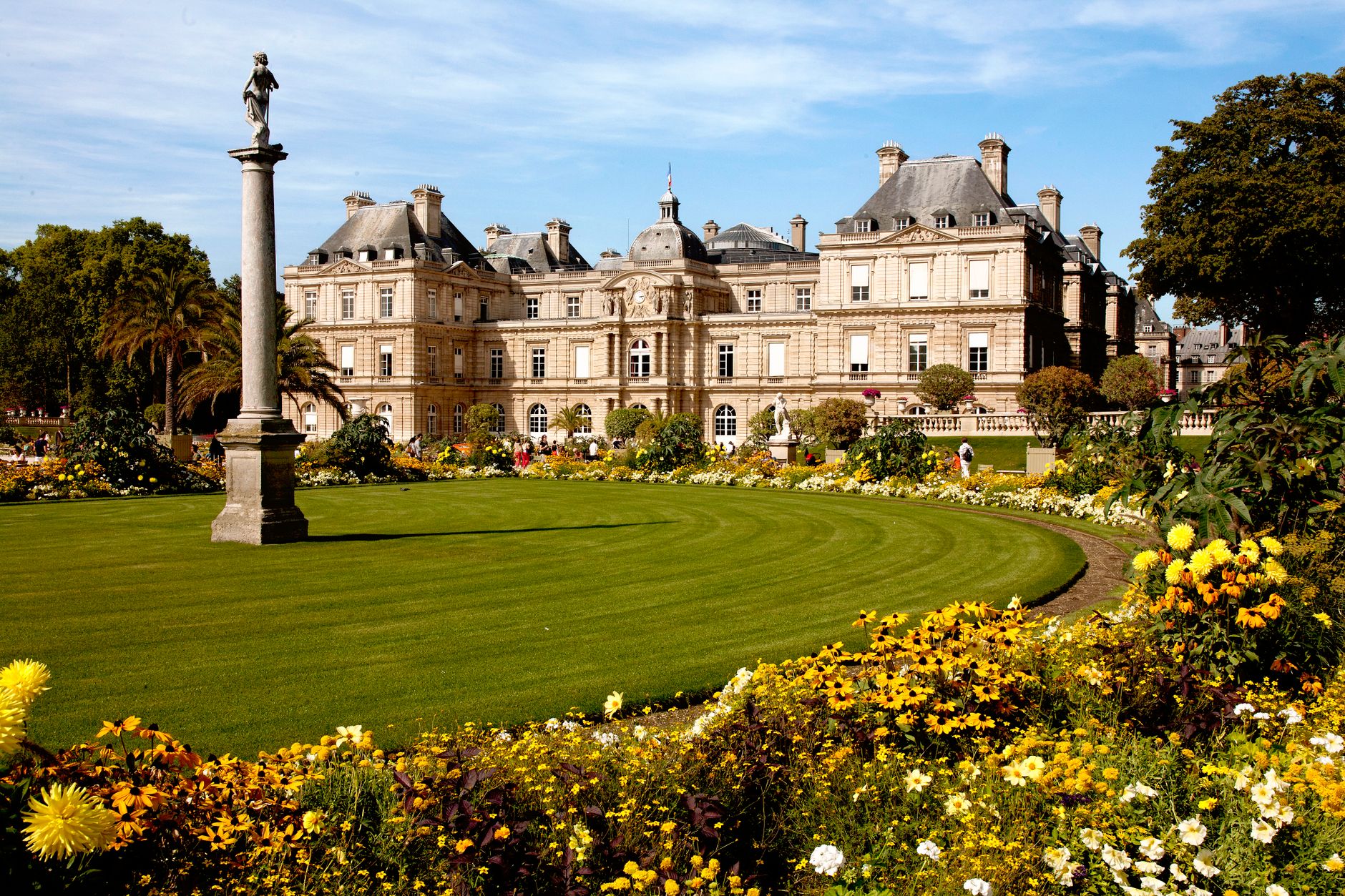
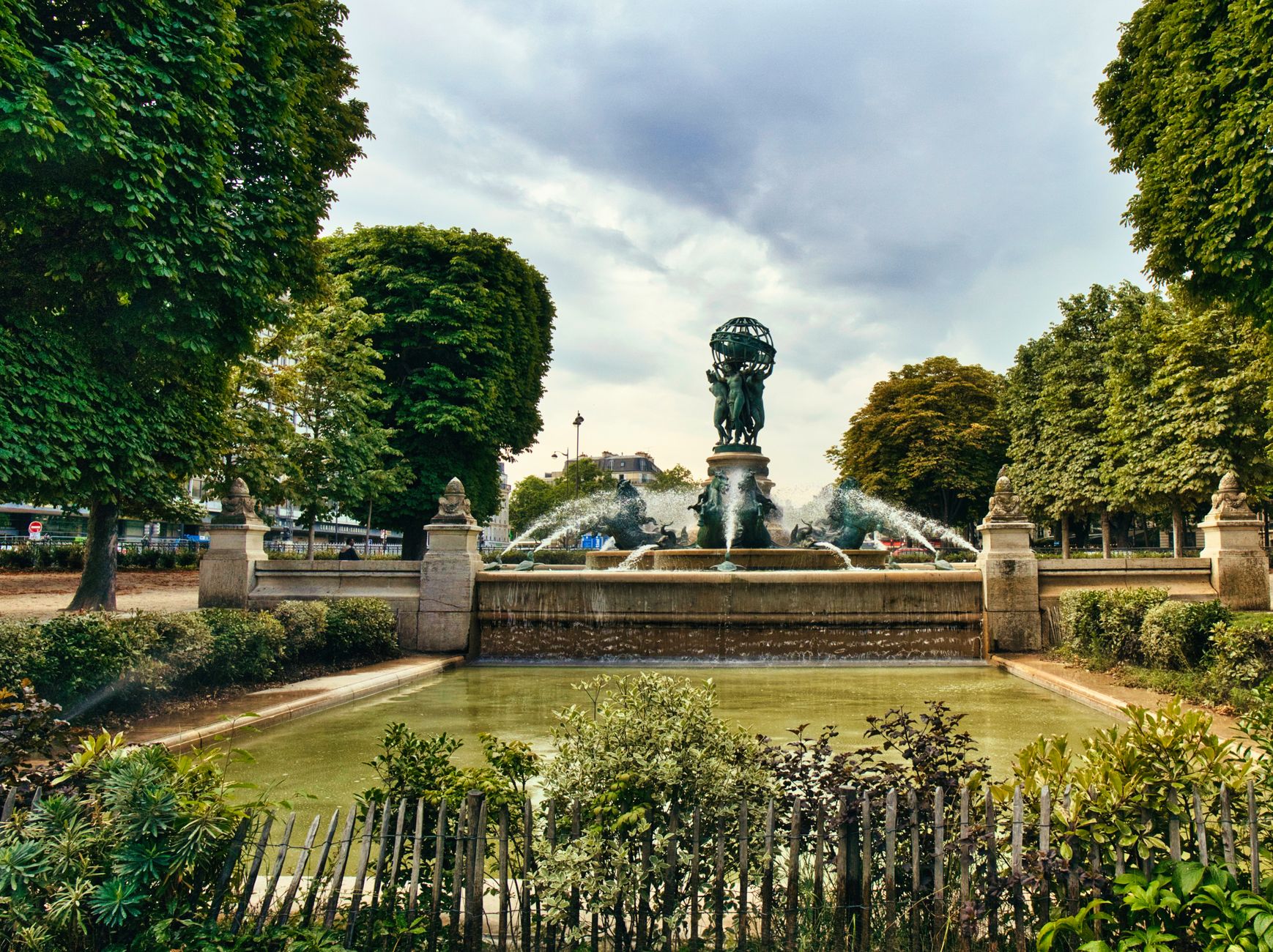
The Main Garden stops you mid-step. After the relative plainness of the entrance gate and the first shaded corridors, you walk out into a courtyard that stretches fifty metres east to west, divided into four quadrants by paths of multicoloured zellige tile, with a rectangular fountain at the crossing point and a smaller round basin turning quietly at its centre. The scale is unexpected.
Cypress, orange, jasmine, and banana trees grow here — some planted in the nineteenth century, when Ba Ahmed ibn Musa was still effectively running Morocco. The jasmine carries in the morning air. The fountain sound is low and steady.
💛 What travellers fall for
People who come back tend to arrive just after nine, before the tour groups move through from the Entrance Gate. The northwest corner of the garden, where the cypress trees throw the longest shade, is where you want to stand still for a few minutes. The zellige paths are worth crouching down to look at closely — the checkered pattern is simple by palace standards, which makes it easier to read.
How Main Garden (Jardin Principal) came to be
The garden's oldest roots go back to Si Moussa, a former slave who rose to become grand vizier under Sultan Muhammad ibn Abd al-Rahman and began building a residence here in the 1850s. The flanking halls were completed by 1866–67, their construction dates recorded in inscriptions that are still legible. Si Moussa died of typhoid in 1879.
His son Ba Ahmed ibn Musa inherited the project and transformed it. Between 1894 and 1900, while serving as the effective ruler of Morocco during the young Sultan Abdelaziz's minority, Ba Ahmed expanded the palace substantially. The Grand Courtyard — the garden space visitors move through today — was laid out in 1896–97, its zellige paths and central fountain installed by craftsmen working under architect Muhammad ibn Makki al-Misfiwi, who had previously worked in Andalusia. Ba Ahmed died of disease in 1900, the same year the work was largely complete. The palace was classified as a Historic Monument in 1924.
Who and what shaped it
People who shaped it
Landmark buildings
Plan your visit
On the map
When to go
Right now
Background & history adapted from Wikipedia (CC BY-SA) · specs from Wikidata (CC0) · weather from Open-Meteo · map data © OpenStreetMap contributors · photos from Wikimedia Commons / Unsplash with per-image credit. No third-party reviews or social posts reproduced.