
Painted Wooden Ceiling Hall
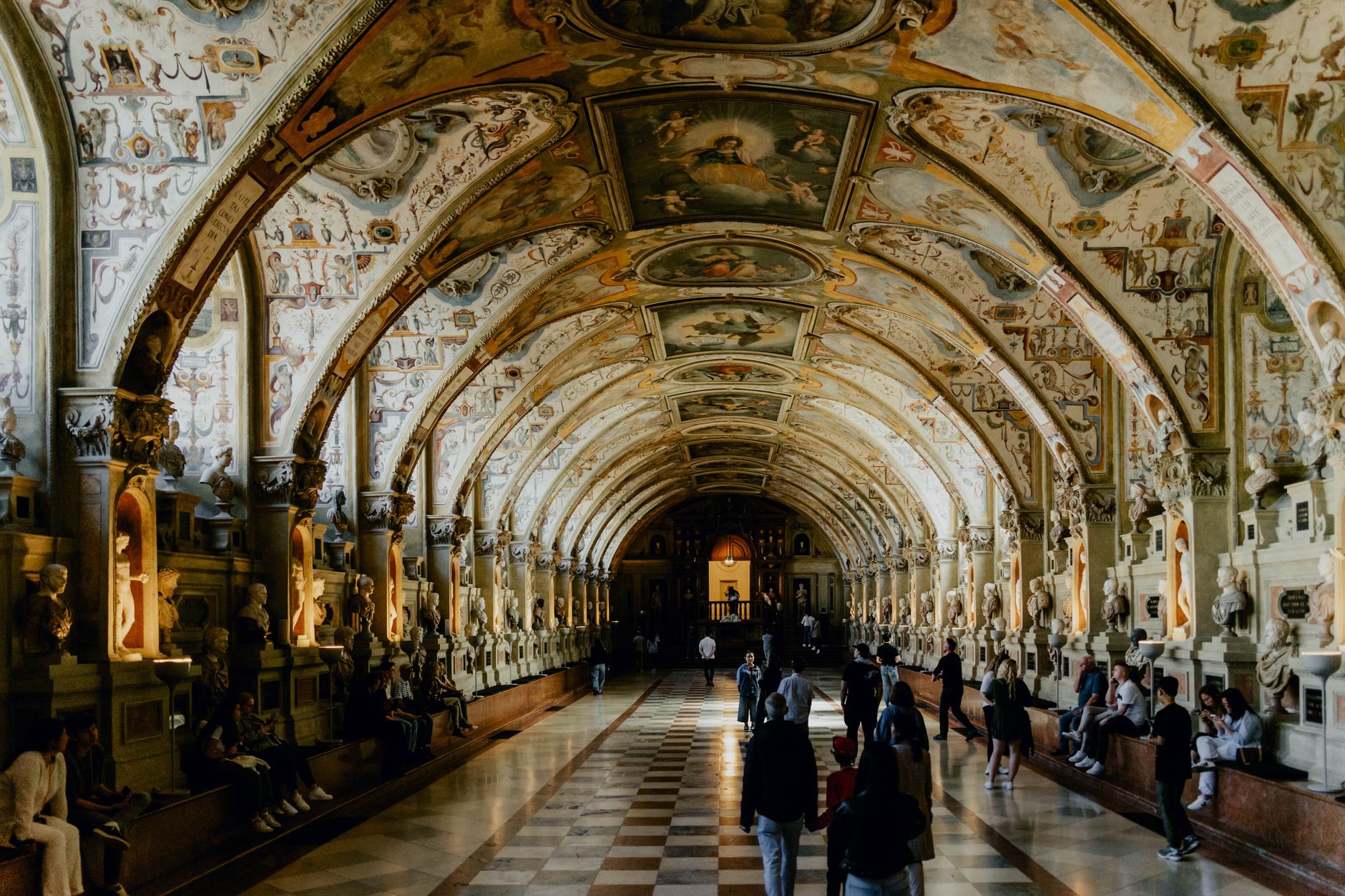
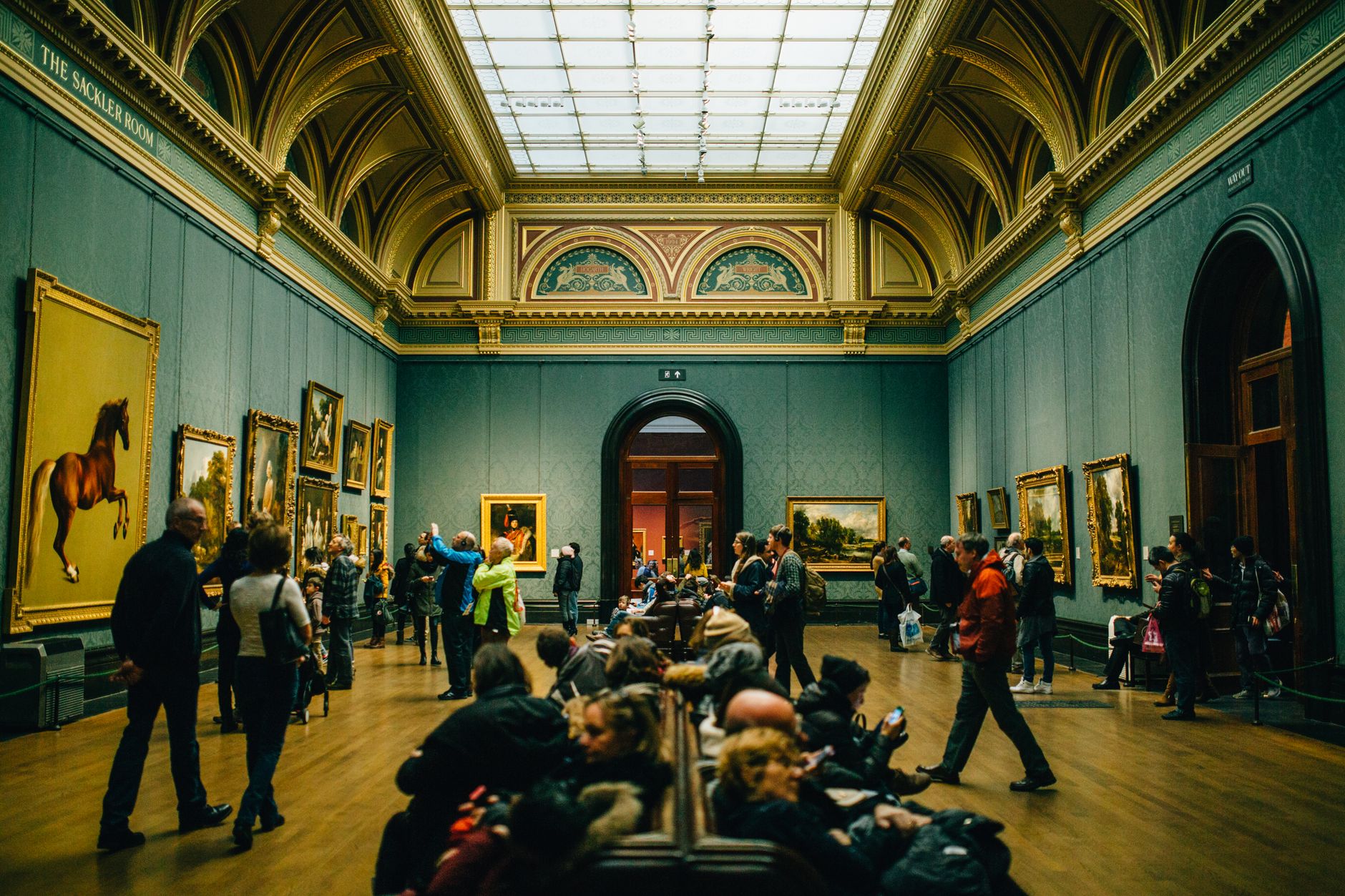
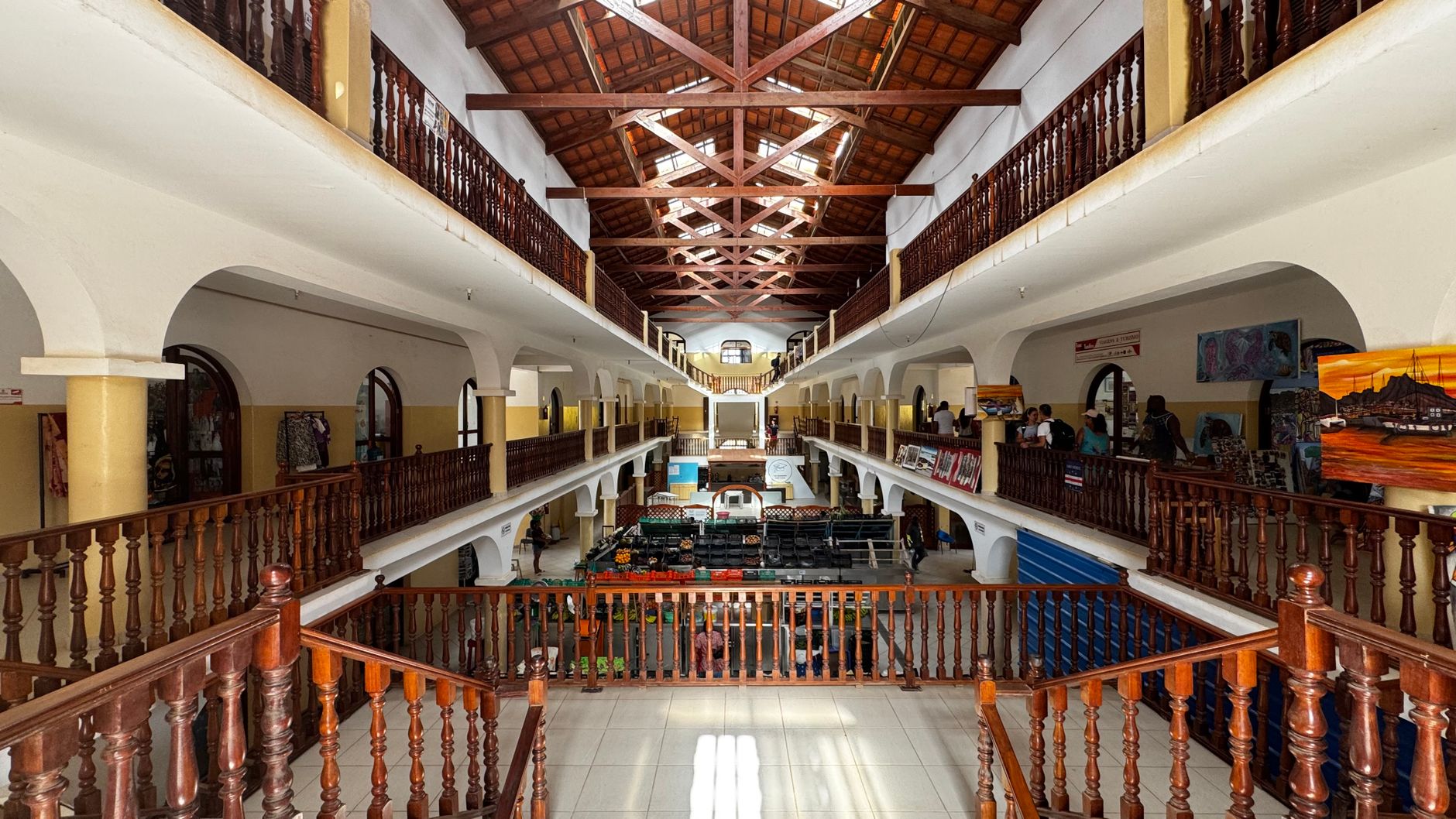
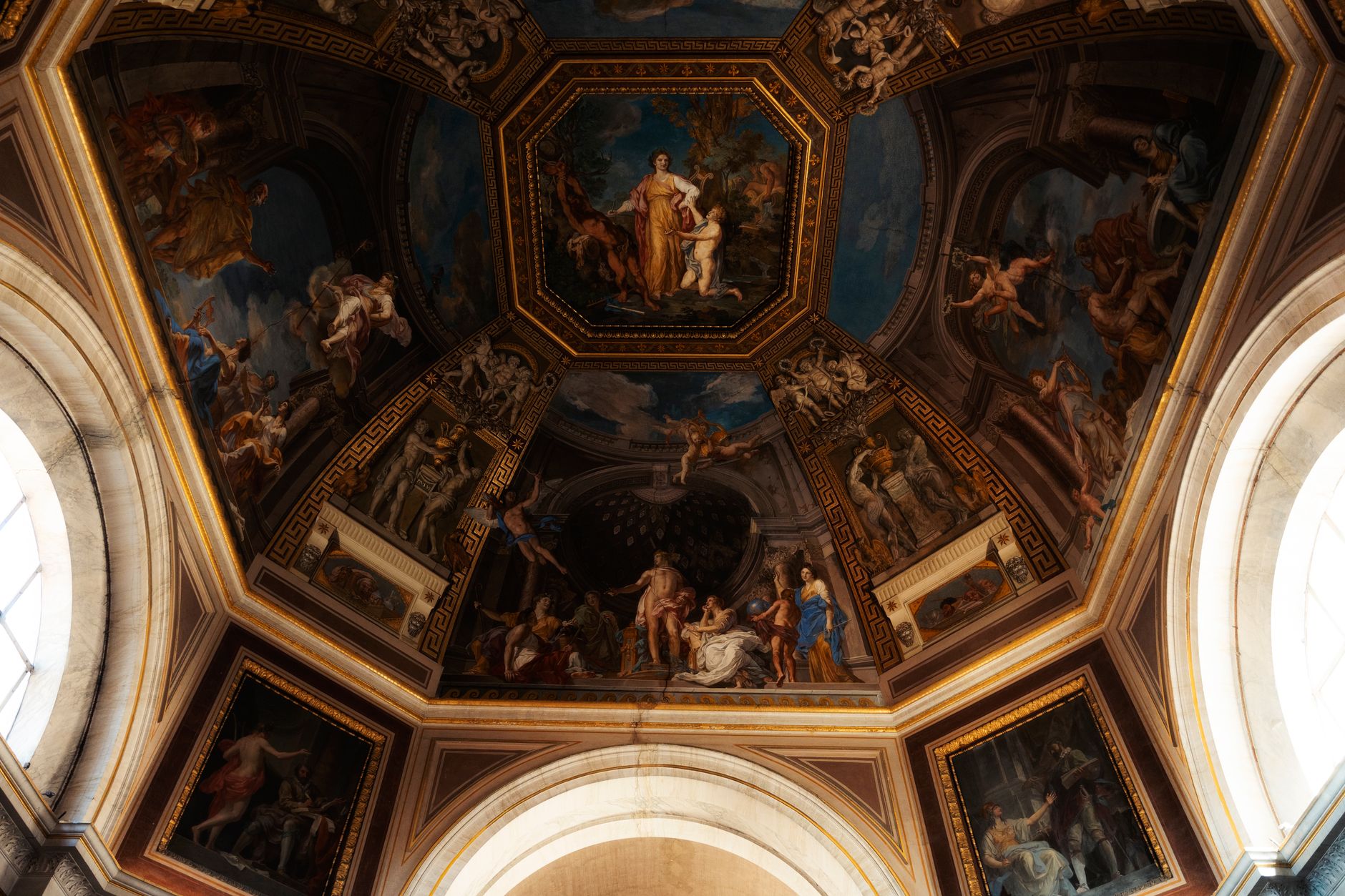
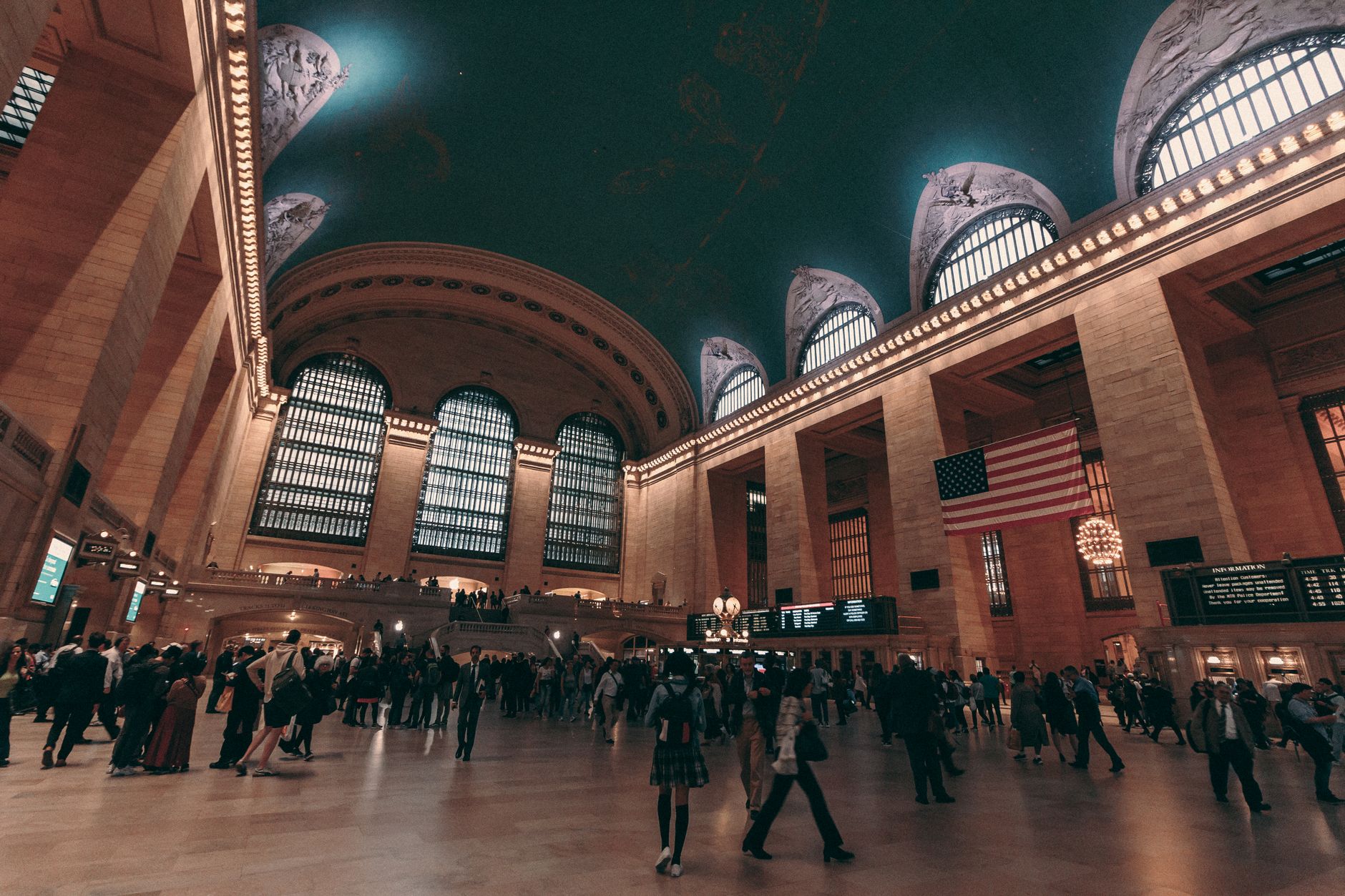
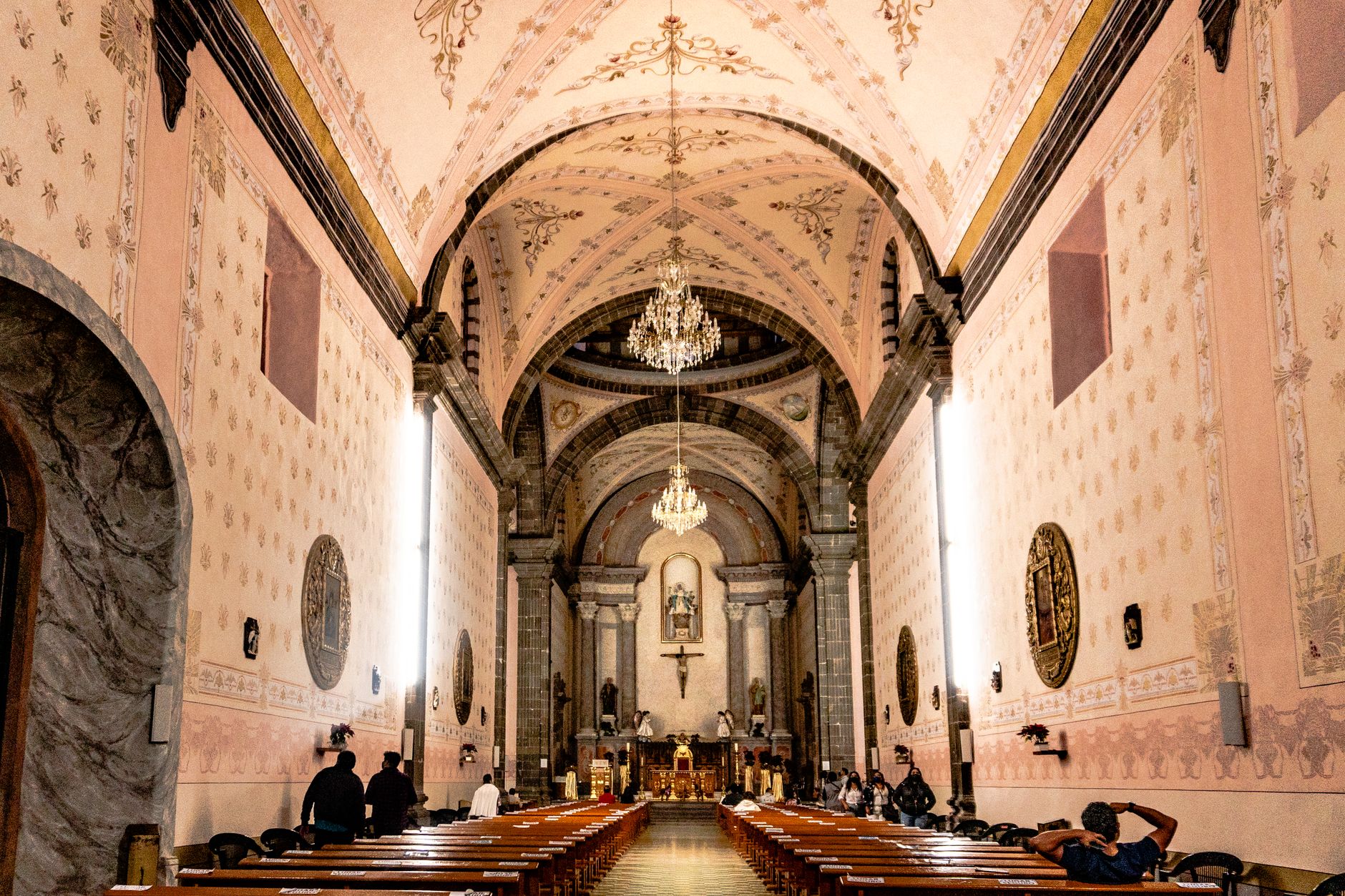
The hall stops you. Twenty by eight metres of cedar-wood ceiling painted in dense, interlocking floral patterns — deep reds, ochres, greens — stretches above you, and the carved canopies over the doorways carry the same obsessive colour into the vertical plane. An inscription inside dates the chamber to 1896–97, making it among the last rooms finished before grand vizier Ba Ahmed's death brought the whole project to an abrupt halt.
This is the Salle d'Honneur, the Hall of Honour, sitting at the east end of the Grand Courtyard — a room built to impress visiting dignitaries and still managing it, more than a century on.
💛 What travellers fall for
People who come back tend to linger here longer than anywhere else in the palace. The light shifts considerably through the day, and the ceiling reads differently in morning cool versus afternoon warmth. If you can, position yourself near the doorway canopies and look up at the carved and painted woodwork at close range — the detail at eye level rewards the attention.
How Painted Wooden Ceiling Hall came to be
The hall was commissioned by Ba Ahmed — Si Ba Ahmed ibn Musa — grand vizier to Sultan Moulay Abdelaziz, who spent the years between 1894 and 1900 expanding a palace his father Si Moussa had begun in the 1860s. The architect was Muhammad ibn Makki al-Misfiwi, born in Safi in 1857, and the hall's inscription dates its completion to 1896–97, placing it among the final additions before Ba Ahmed's death in 1900.
Within hours of Ba Ahmed dying, Sultan Abdelaziz reportedly ordered the palace stripped of valuables. It passed through French Protectorate residency from 1912, then royal use after Moroccan independence in 1956, before King Hassan II transferred it to the Ministry of Culture — which is why you can walk through it today.
Who and what shaped it
People who shaped it
Landmark buildings
Plan your visit
On the map
When to go
Right now
Background & history adapted from Wikipedia (CC BY-SA) · specs from Wikidata (CC0) · weather from Open-Meteo · map data © OpenStreetMap contributors · photos from Wikimedia Commons / Unsplash with per-image credit. No third-party reviews or social posts reproduced.