
Zellij Courtyard
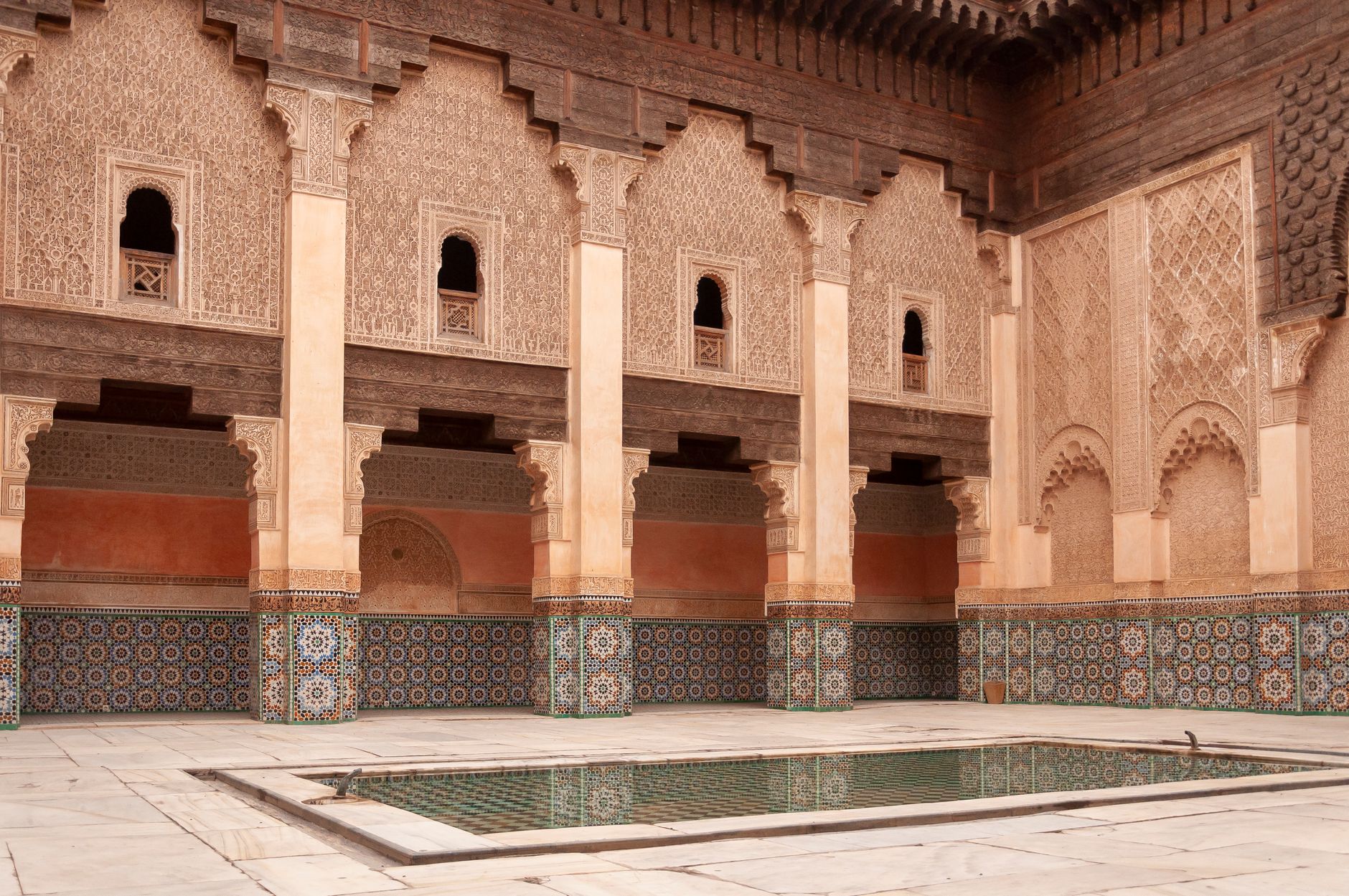
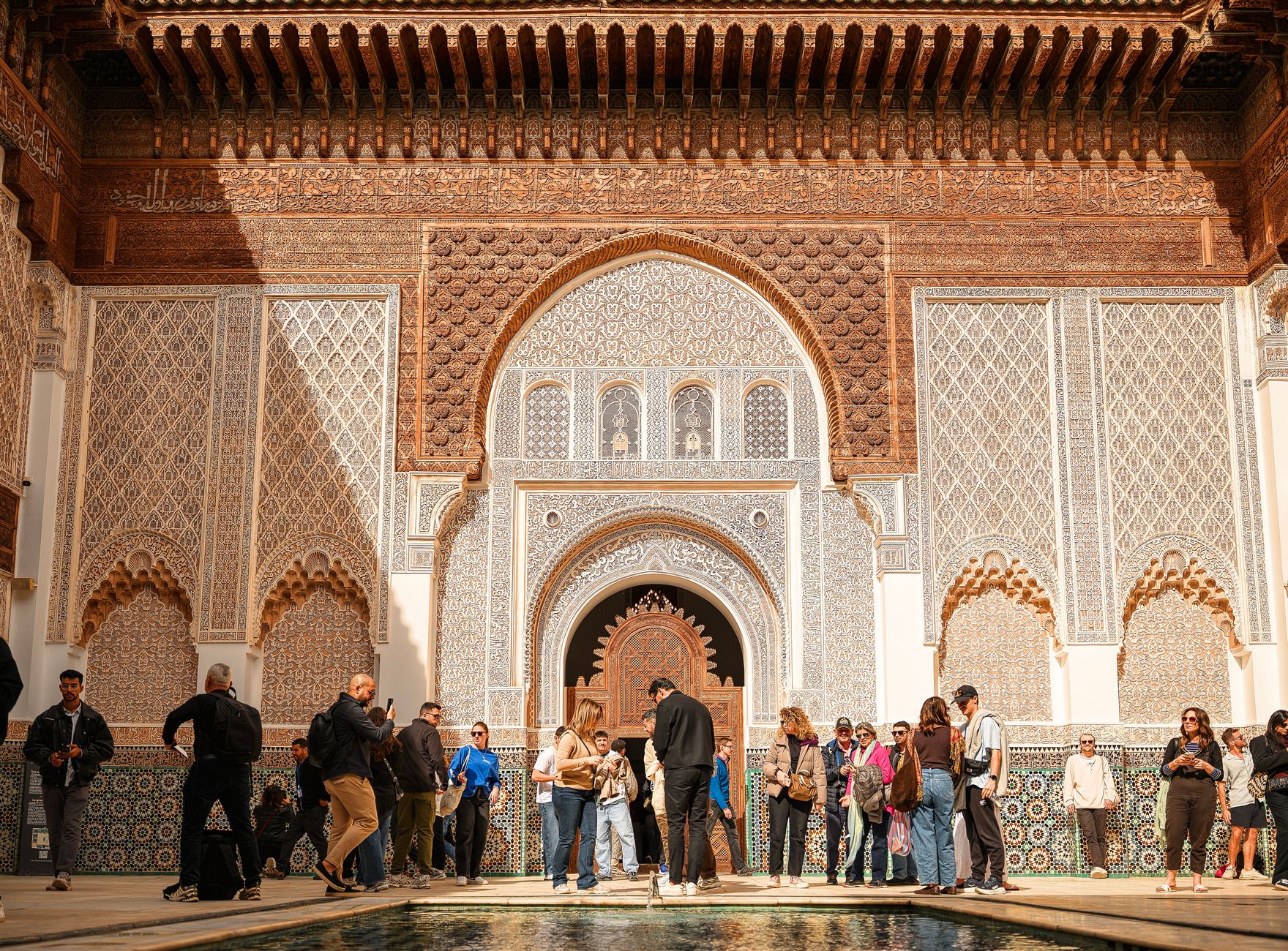
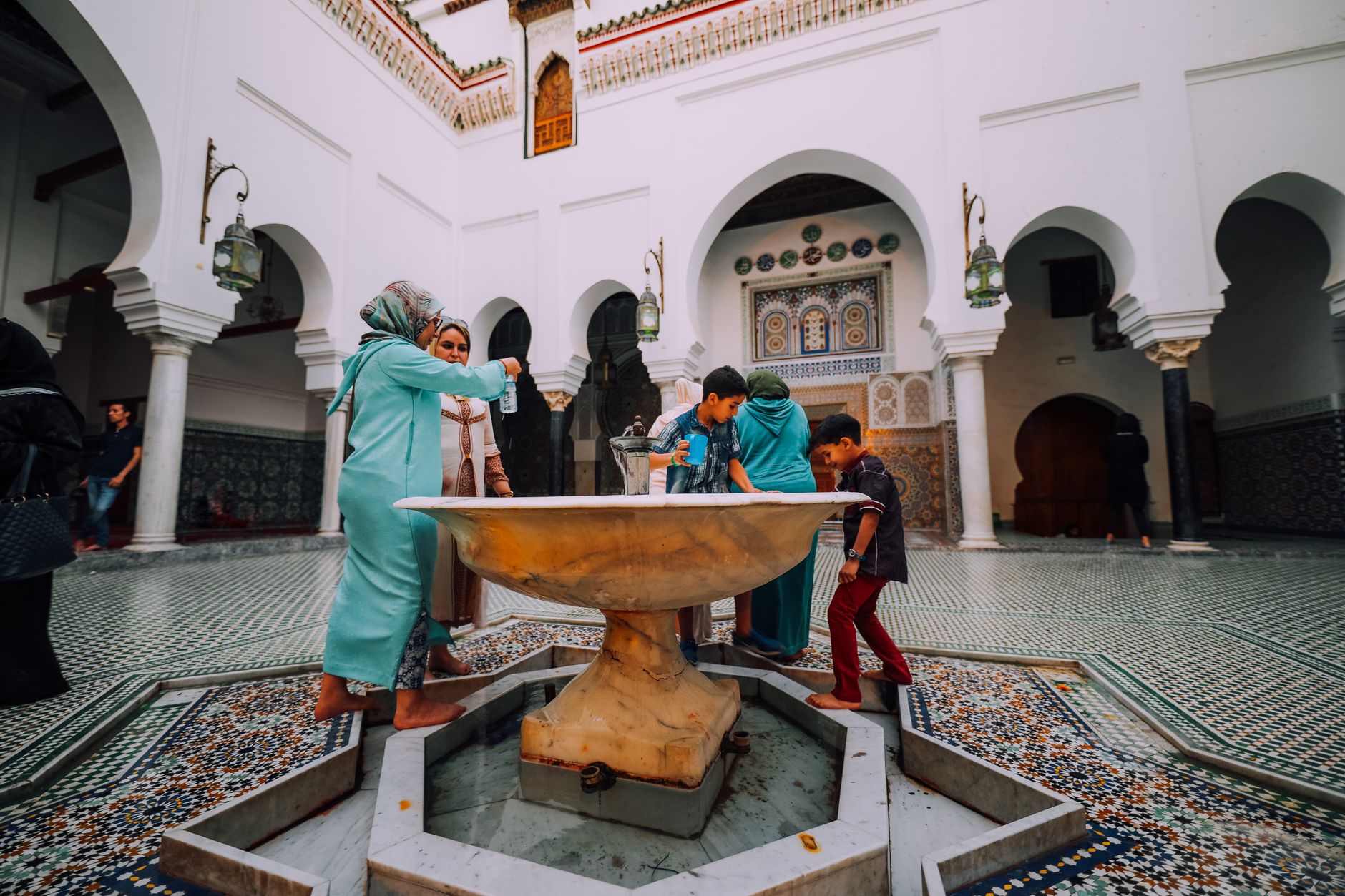
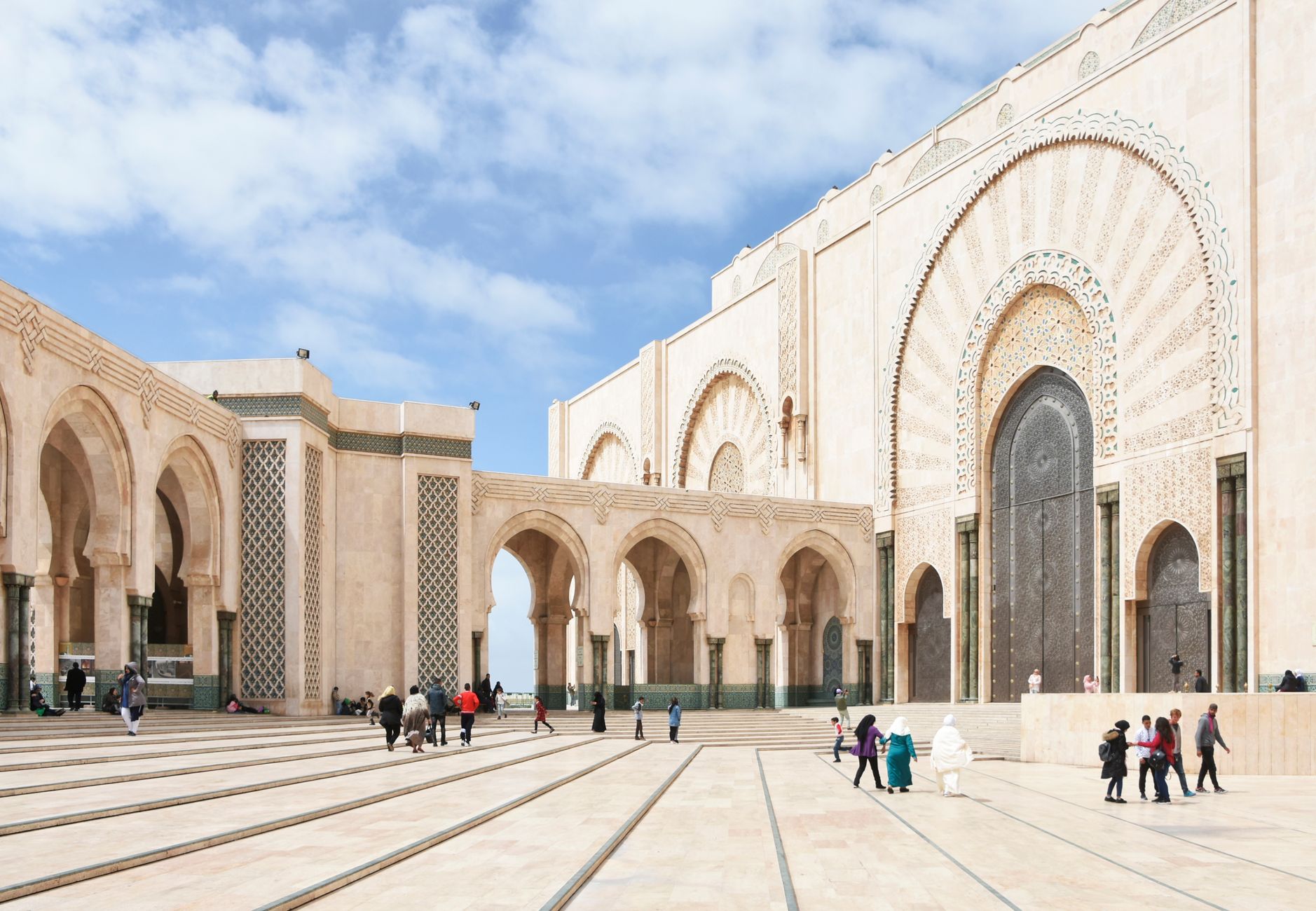
The zellij here stops you mid-step. Blue and green tiles cut into geometric precision line the borders of the courtyard floor, their colours holding a particular steadiness even in the flat midday light. Marble runs between them, cool underfoot. Above, cedar-wood ceilings carry painted floral patterns in ochre and red, and the carved canopies over the major doorways have the quality of something made by someone who expected to be looked at closely.
This is one of several internal courtyards within Bahia Palace's roughly 150 rooms, each organized around its own logic of light and enclosure. The geometry of the tilework draws the eye down and across, while the painted wood pulls it upward.
💛 What travellers fall for
People who come back tend to time it for early morning, when the tour groups haven't yet arrived from the medina. The light at 9 AM catches the tile angles differently than it does by noon. Worth walking slowly along the perimeter rather than cutting straight through — the transitions between marble and zellij are where the craft shows.
How Zellij Courtyard came to be
Bahia Palace's construction began in the 1860s under Si Musa, grand vizier to Sultan Muhammad ibn Abd al-Rahman. Si Musa had risen from a family with roots in the makhzen's service class to hold some of the highest offices in Morocco. The palace's more substantial expansion came under his son Ba Ahmed, who oversaw the building of the southern sections — including the smaller courtyards — between 1894 and 1900.
The architect was Muhammad ibn Makki al-Misfiwi, born in Safi in 1857. Ba Ahmed sourced materials across Morocco: marble likely from Meknes, cedar from the Middle Atlas, and tiles from Tetouan. The result is less a unified design than a layered accumulation — each patron adding rooms and courts around the ones before.
Who and what shaped it
People who shaped it
Landmark buildings
Plan your visit
On the map
When to go
Spring and autumn are the most comfortable seasons for moving through the open courtyards. Summer temperatures in Marrakech run high enough that even shaded tile floors offer only partial relief; winter can be cool and occasionally wet.
Right now
Background & history adapted from Wikipedia (CC BY-SA) · specs from Wikidata (CC0) · weather from Open-Meteo · map data © OpenStreetMap contributors · photos from Wikimedia Commons / Unsplash with per-image credit. No third-party reviews or social posts reproduced.