
Entrance Gate (Bab al-Bahia)
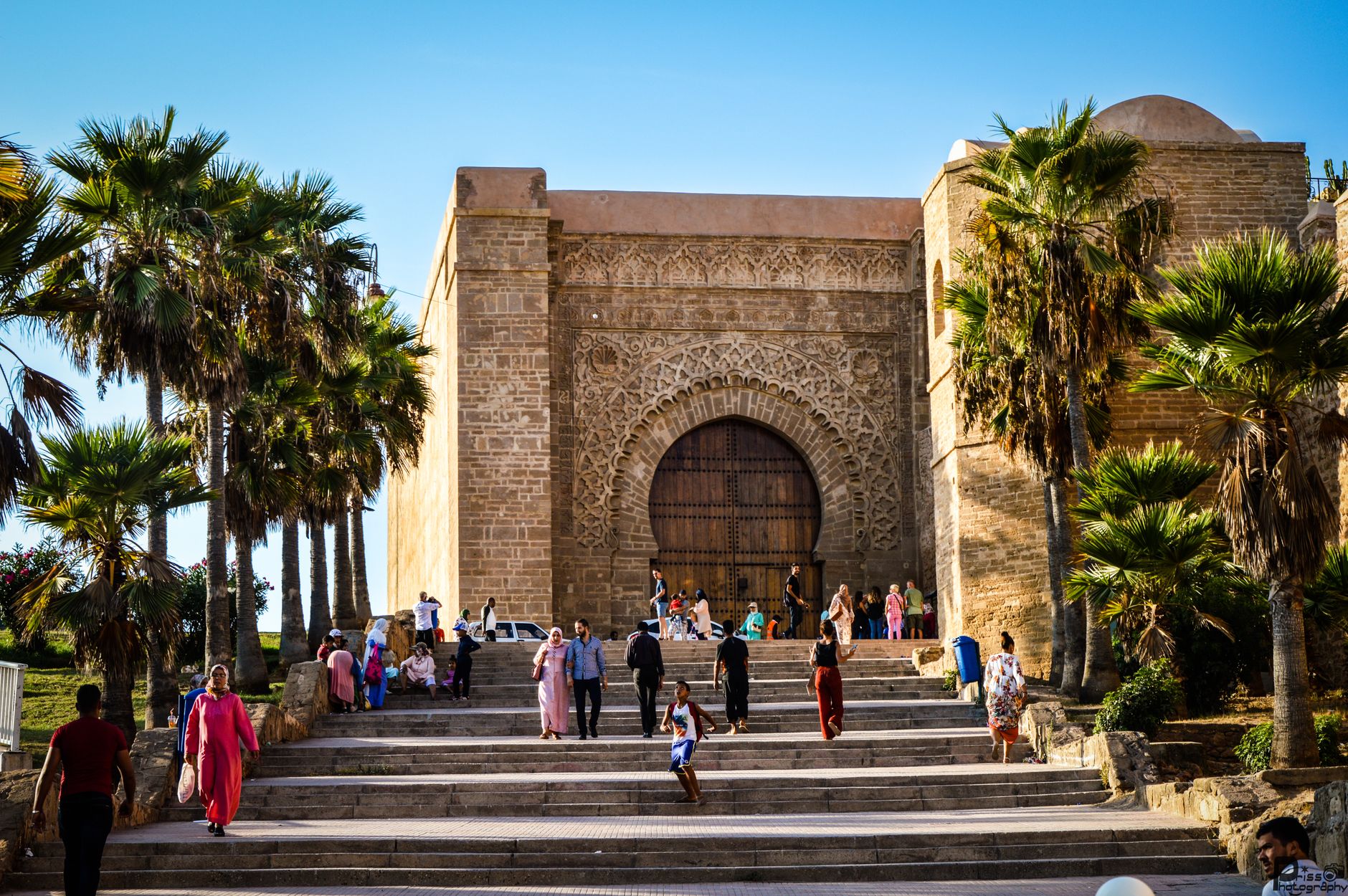
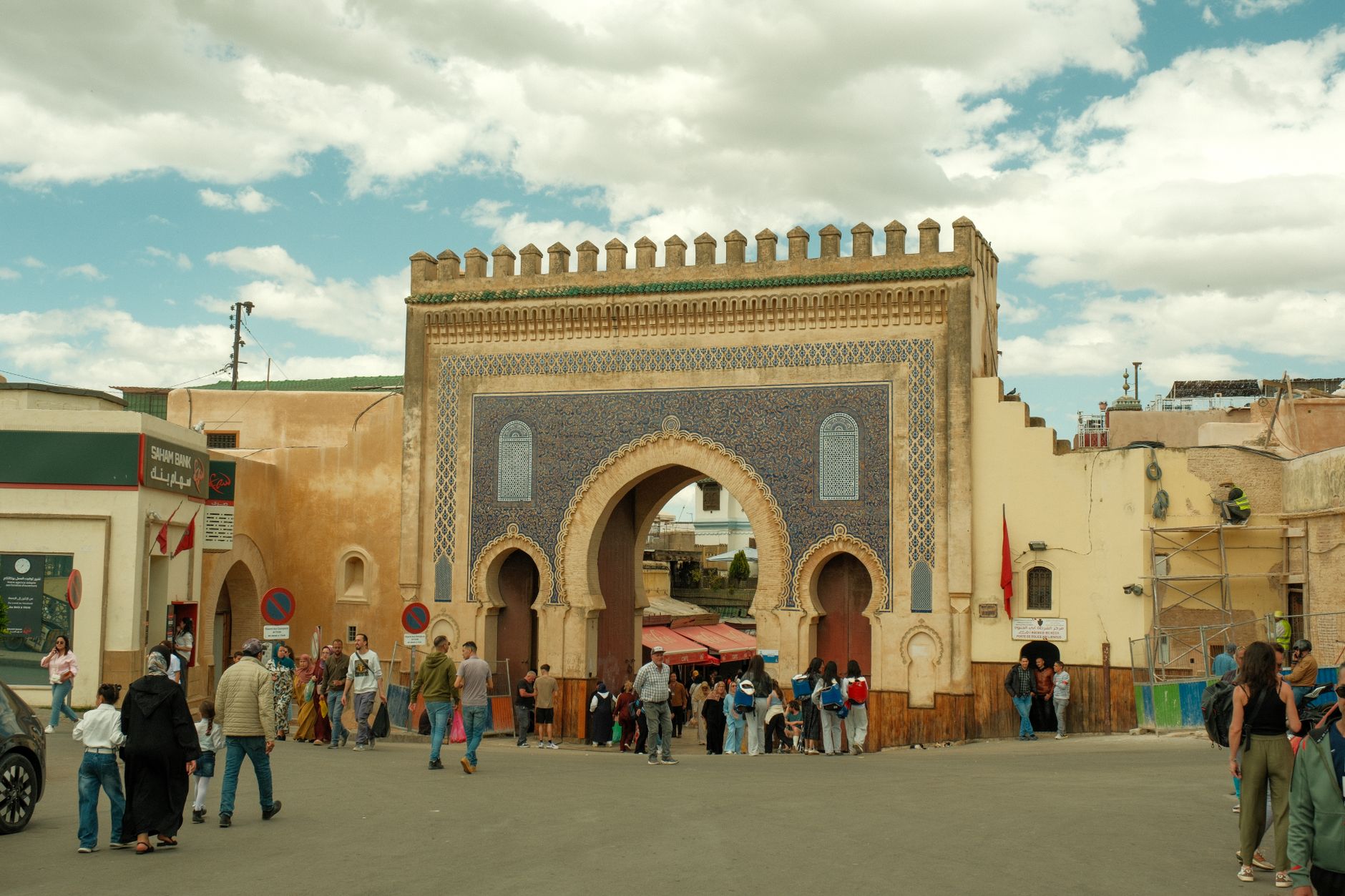
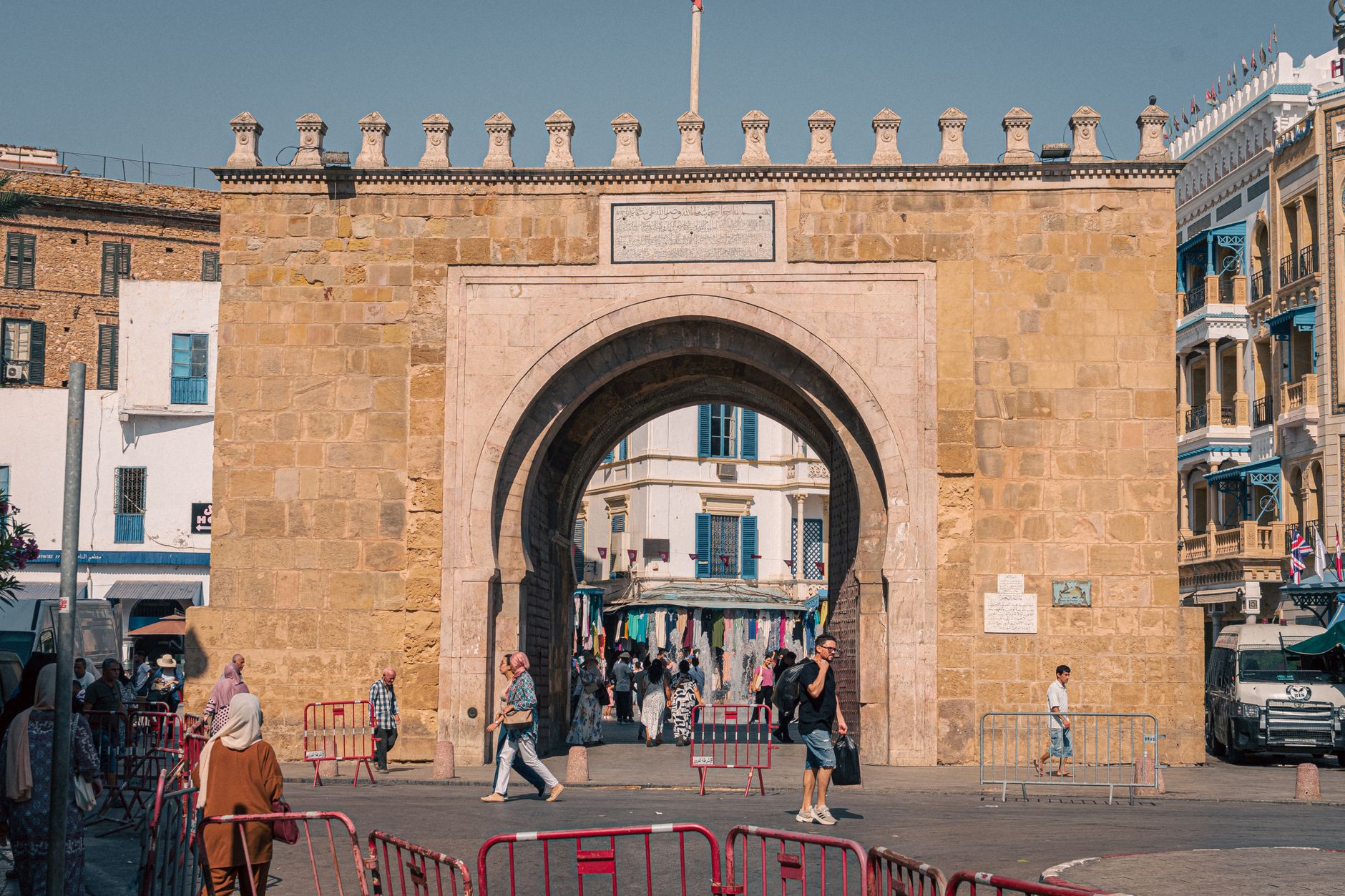
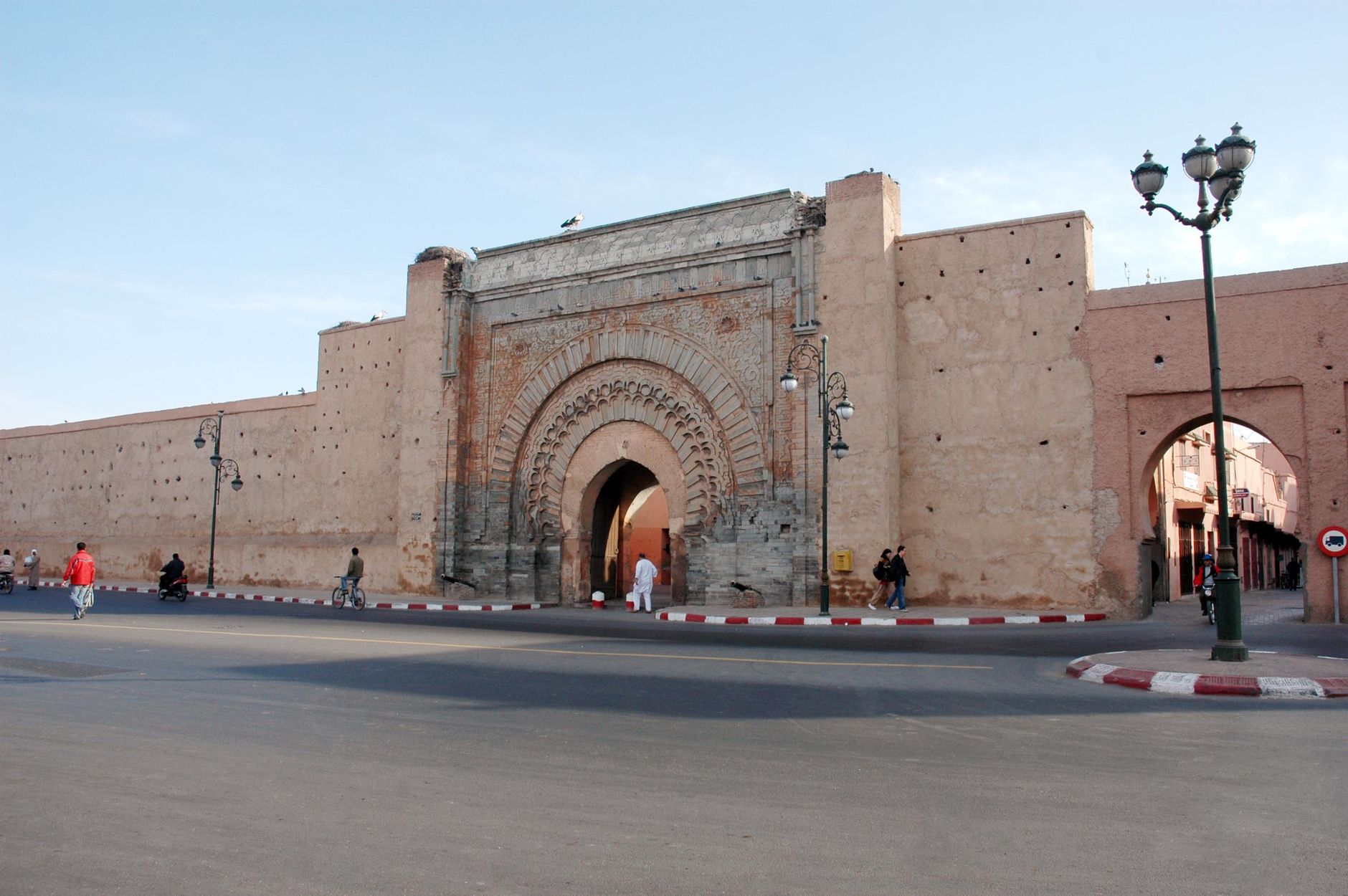
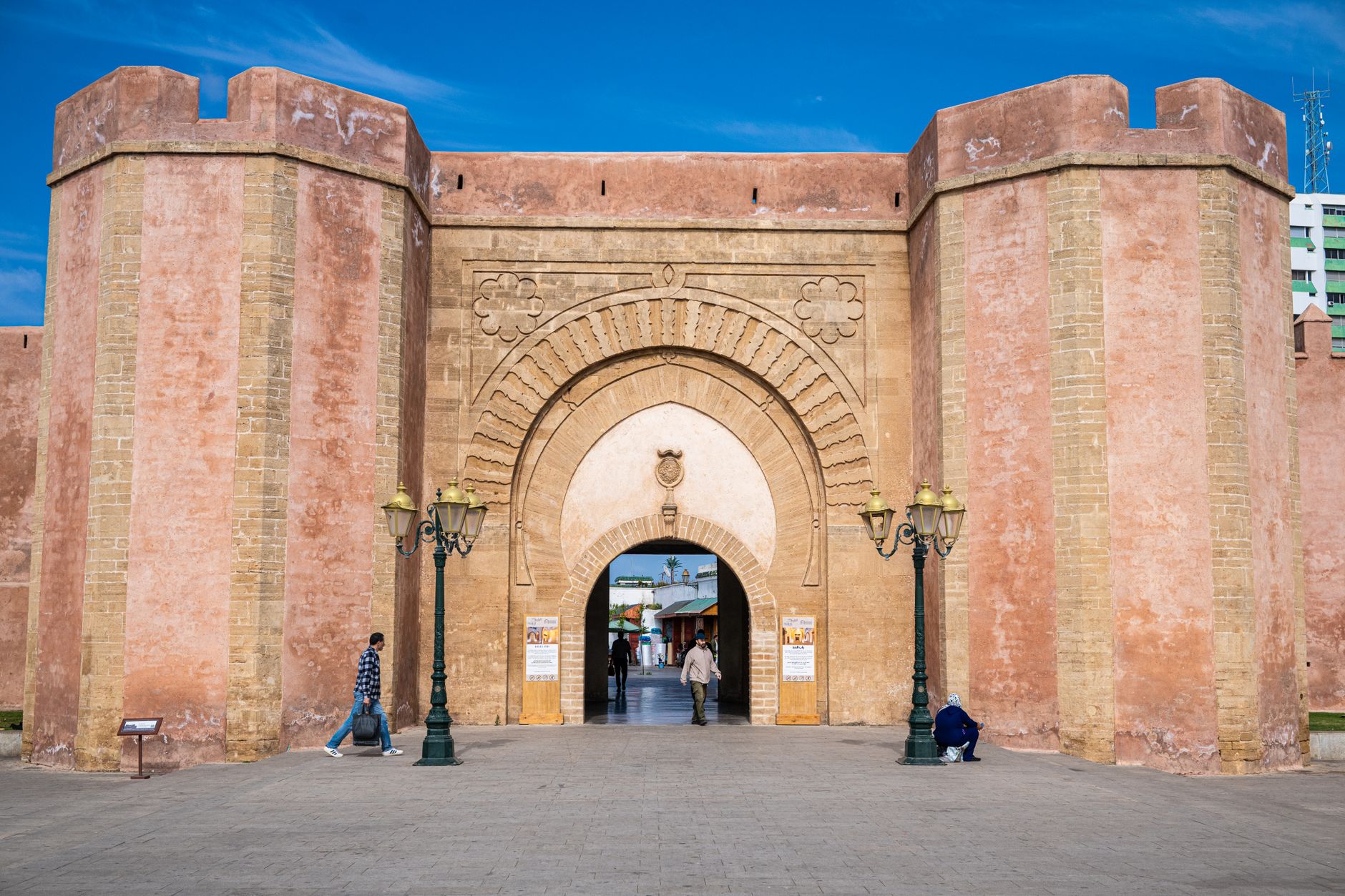
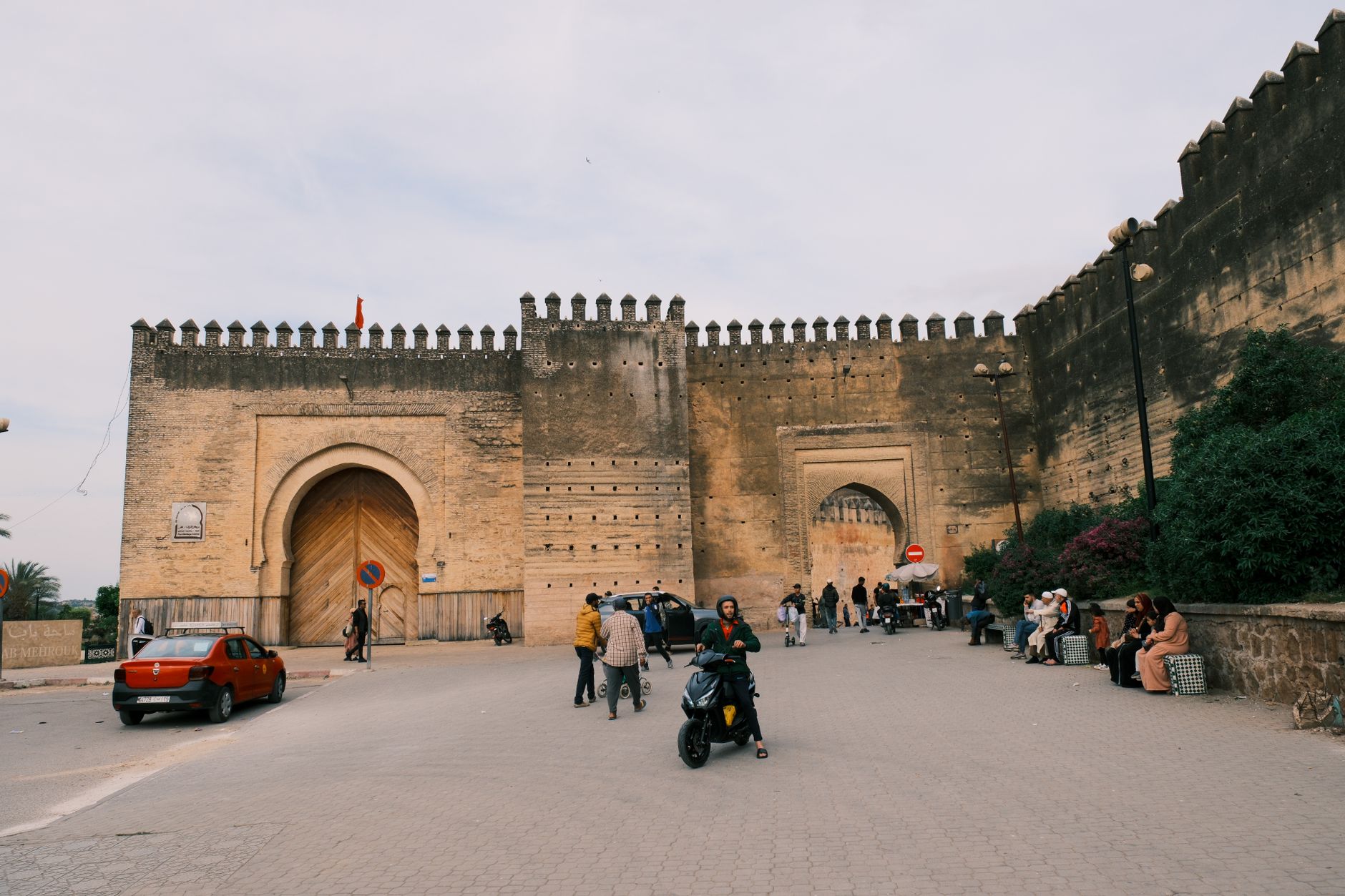
The path begins before you reach any door. Between the outer walls of Bahia Palace and the gate itself, a long approach is planted with palms, yuccas, cypresses and hibiscus, with jasmine trailing overhead and citrus trees close enough to brush. The scent of oranges arrives before the architecture does.
Bab al-Bahia — the Gate of the Brilliant — is the threshold between the medina's close lanes and the 150-room complex that Ba Ahmed ibn Musa built at the height of his power. What waits beyond it is the Stucco Reception Room, the Grande Cour, the hammam, the private riad gardens — but the gate and its planted corridor are worth a moment of their own, a deliberate decompression before the palace takes over.
💛 What travellers fall for
People who return tend to arrive right at 9am, when the ticket queue is short and the morning light comes low through the palms on the approach path. The walk from Jemaa el-Fnaa through the mellah — about twelve minutes on foot — is itself part of the visit. Taxis can't enter the medina, so you come on foot regardless.
How Entrance Gate (Bab al-Bahia) came to be
Bahia Palace takes its name — al-Bahia, the Brilliant — from Ba Ahmed ibn Musa's favourite wife, or so the story goes. Construction began under his father Si Musa in the 1860s, but the complex took its present form when Ba Ahmed, grand vizier to Sultan Moulay Abdelaziz, commissioned architect Muhammad ibn Makki al-Misfiwi to expand it dramatically between 1894 and 1900.
The palace was inaugurated in 1900, the same year Ba Ahmed died of disease. Within days, the sultan ordered its contents stripped and removed. Later, during the French Protectorate, Marshal Lyautey chose it for his administrative offices — a bureaucratic afterlife for a building conceived as a statement of personal power.
Who and what shaped it
People who shaped it
Landmark buildings
See Entrance Gate (Bab al-Bahia) in motion
Plan your visit
On the map
When to go
Spring (March–April) and autumn (late September to mid-November) offer the most comfortable conditions for the walk in. In July and August, temperatures can exceed 45°C for days at a stretch, which makes the shaded entrance path a relief but the open courtyards inside genuinely taxing.
Right now
Background & history adapted from Wikipedia (CC BY-SA) · specs from Wikidata (CC0) · weather from Open-Meteo · map data © OpenStreetMap contributors · photos from Wikimedia Commons / Unsplash with per-image credit. No third-party reviews or social posts reproduced.