
Orange Tree Courtyard
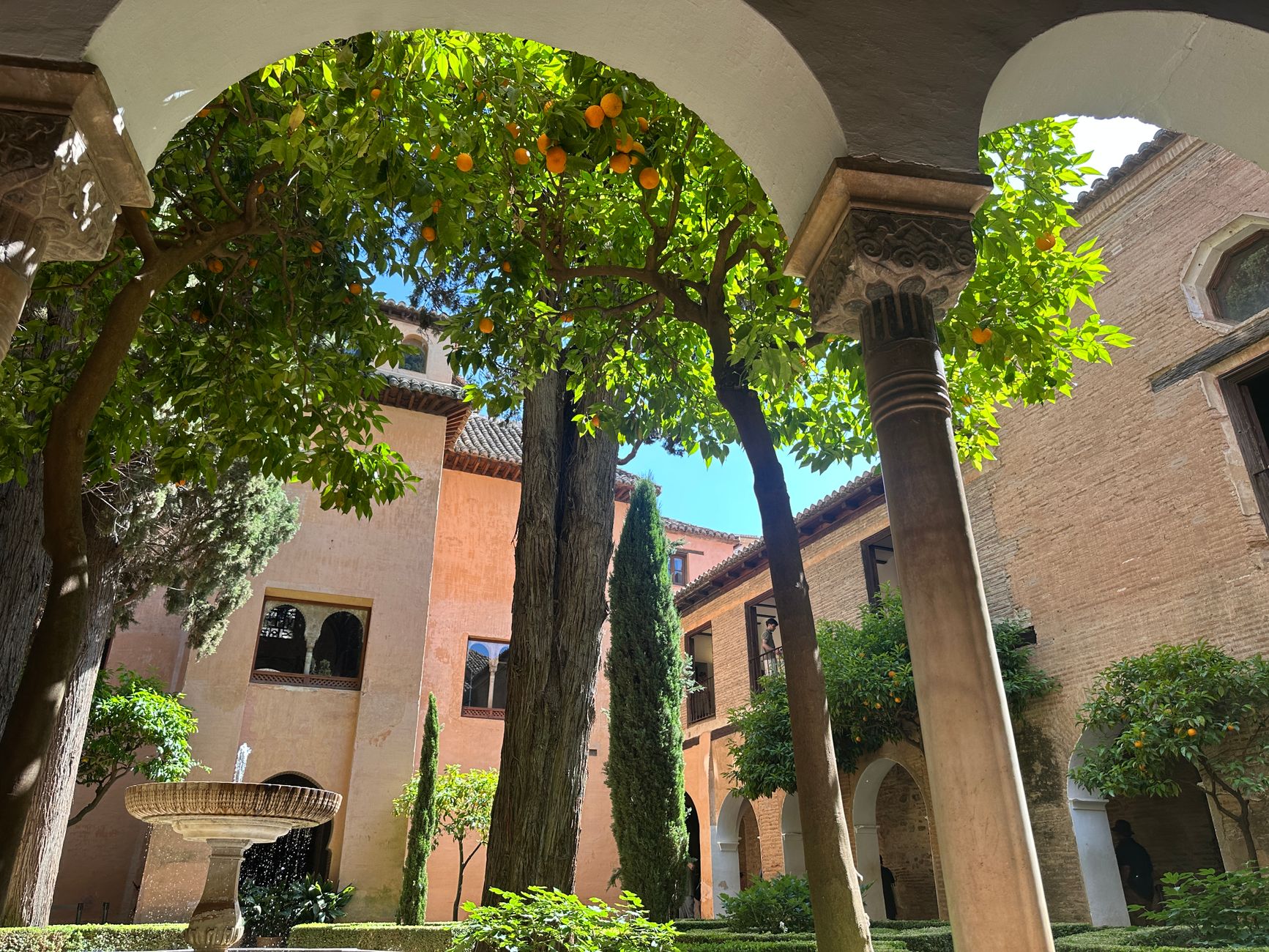
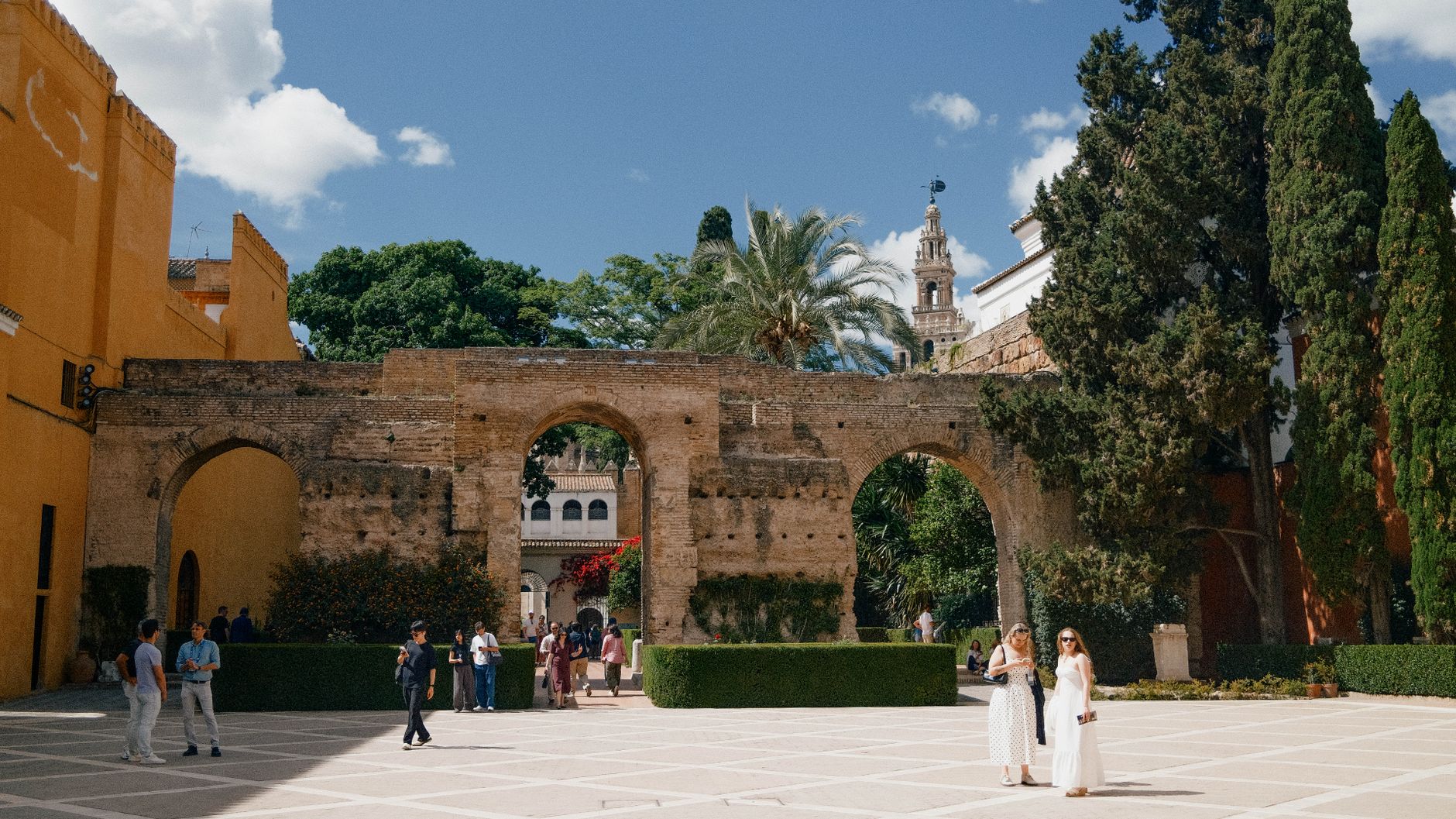
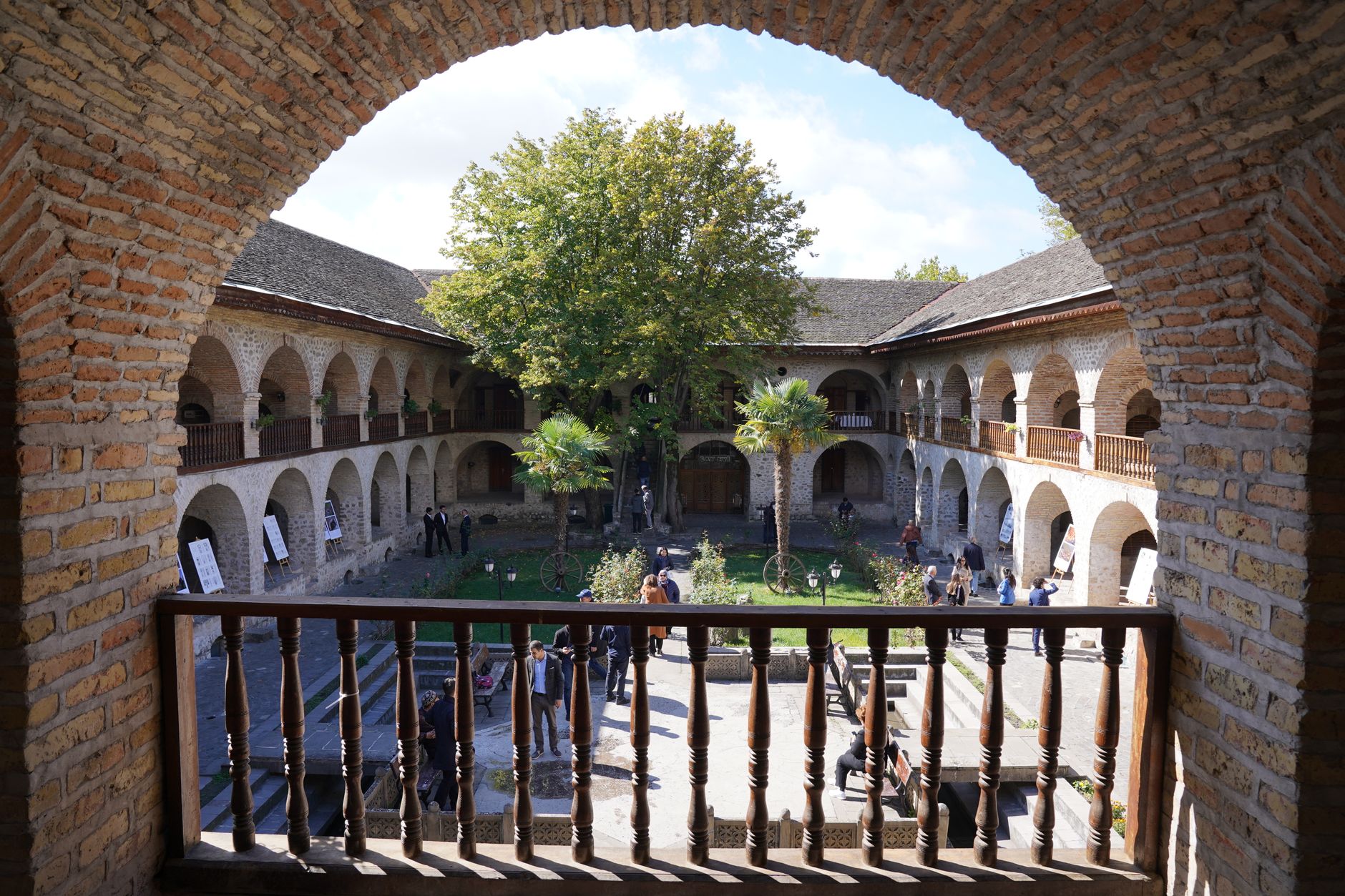
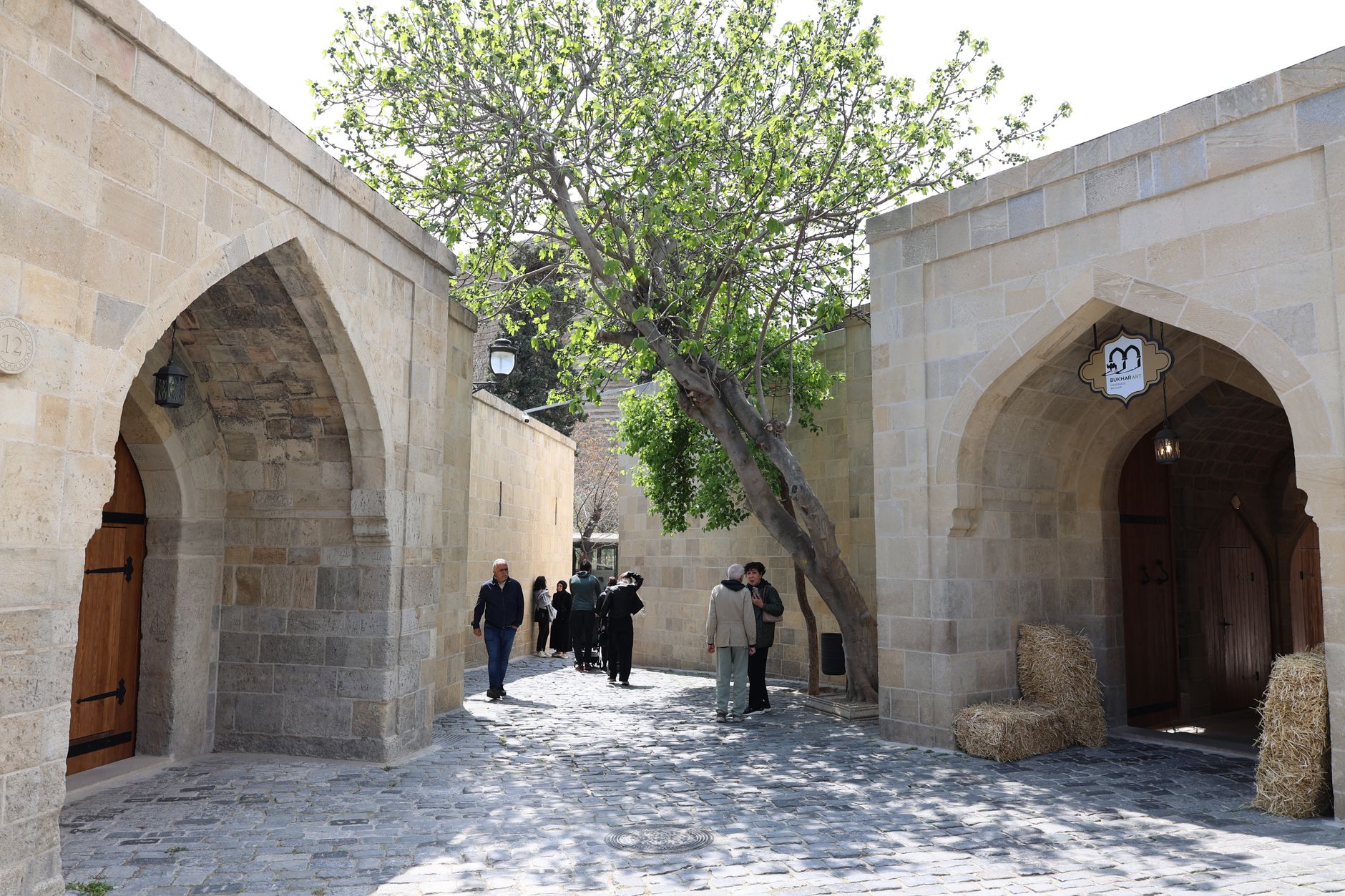
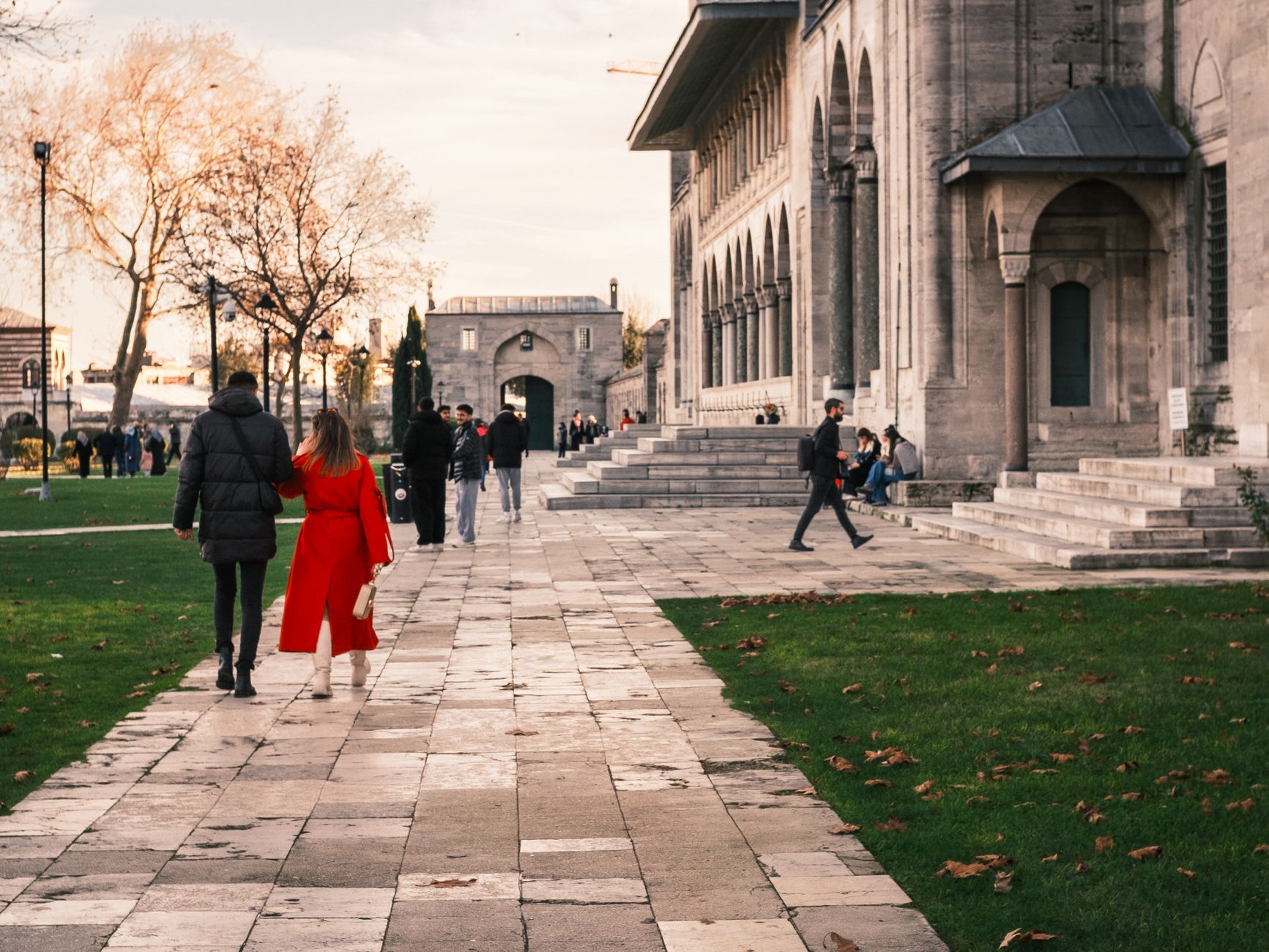
At the centre of the Orange Tree Courtyard, two zellige-bordered paths cross at a rectangular fountain, with a smaller round basin marking the intersection. The trees overhead — planted here when Ba Ahmed was still expanding the palace at the turn of the twentieth century — once supplied the palace kitchens. Now they simply cast shade and drop fruit no one harvests.
This is one of the more recent additions to Bahia Palace, part of the Petit Riad built during the great expansion of 1894–1900. The carved plaster and painted cedar in the surrounding rooms are as precise as anywhere in the complex, but the courtyard itself earns the longer look — especially in late afternoon, when the light turns the white marble warm.
💛 What travellers fall for
People who come back tend to time it for the first hour after opening. The fountain channels run quietly, the tour groups haven't arrived yet, and the orange trees hold the morning cool a little longer than you'd expect. The shift in light between nine and eleven is worth the early start.
How Orange Tree Courtyard came to be
Bahia Palace grew in two distinct phases. Si Moussa, grand vizier to Sultan Muhammad ibn Abd al-Rahman, began building in the 1860s; an inscription in what is now called Dar Si Moussa dates that section to 1867. After Si Moussa's death, his son Ba Ahmed ibn Musa took over as grand vizier and, starting in 1894, undertook a far more ambitious expansion that would take six years to complete.
Ba Ahmed commissioned the Marrakech-born architect Muhammad ibn Makki al-Misfiwi, who had worked in Andalusia and sourced materials internationally — glass came from Iraq. The Orange Tree Courtyard and its surrounding rooms belong to this later campaign, making them among the newest fabric in a palace that reads, room by room, as a record of two very different men's ambitions.
Who and what shaped it
People who shaped it
Landmark buildings
Plan your visit
On the map
When to go
Spring (March to May) and early autumn (late September to mid-November) give you the most comfortable conditions — warm without the punishing heat of summer, when midday temperatures regularly exceed 40°C. In July and August, the courtyard is best visited right at opening; by noon the marble reflects heat back at you and the shade from the orange trees only goes so far.
Right now
Background & history adapted from Wikipedia (CC BY-SA) · specs from Wikidata (CC0) · weather from Open-Meteo · map data © OpenStreetMap contributors · photos from Wikimedia Commons / Unsplash with per-image credit. No third-party reviews or social posts reproduced.