
Koutoubia Mosque
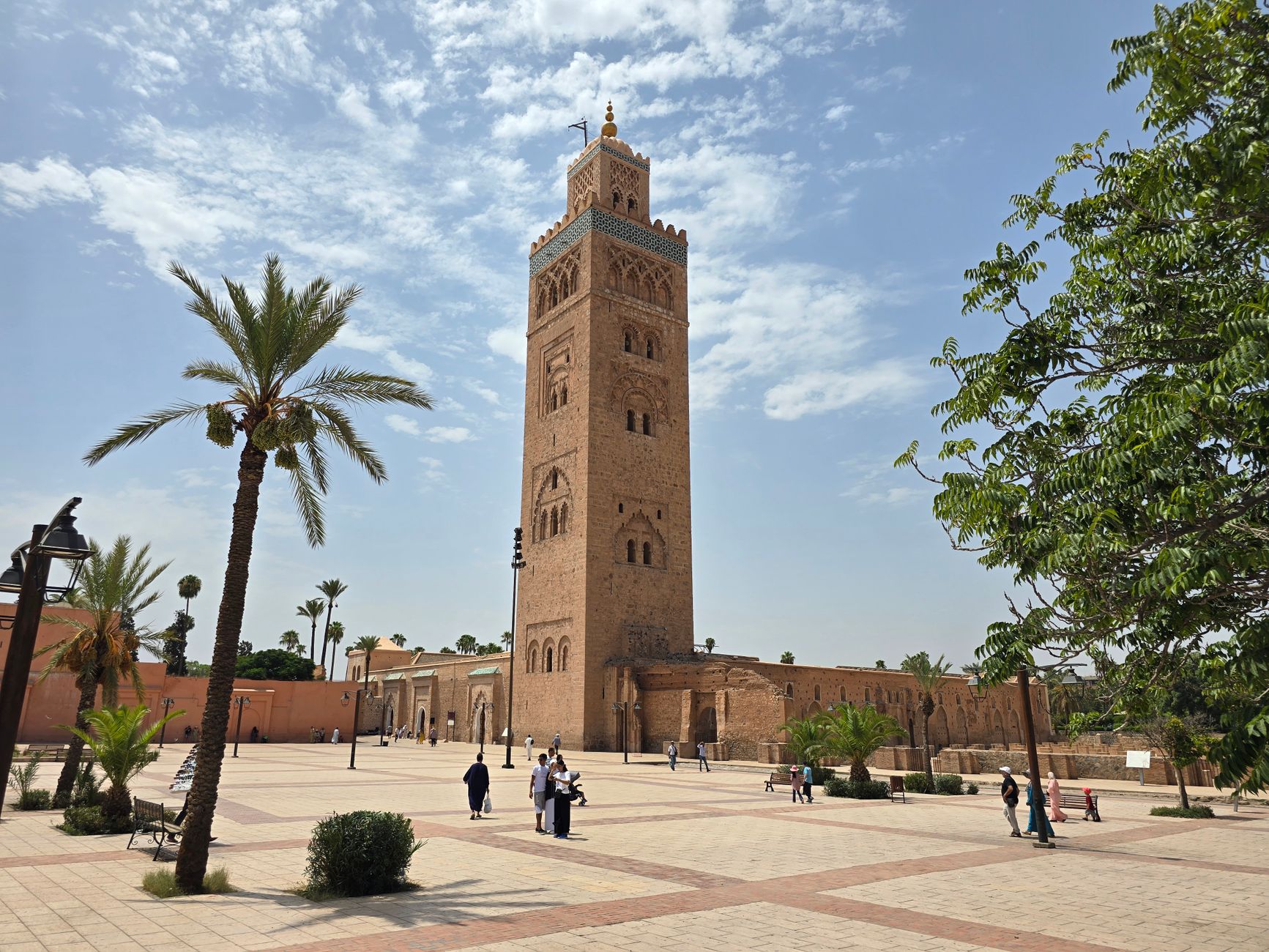
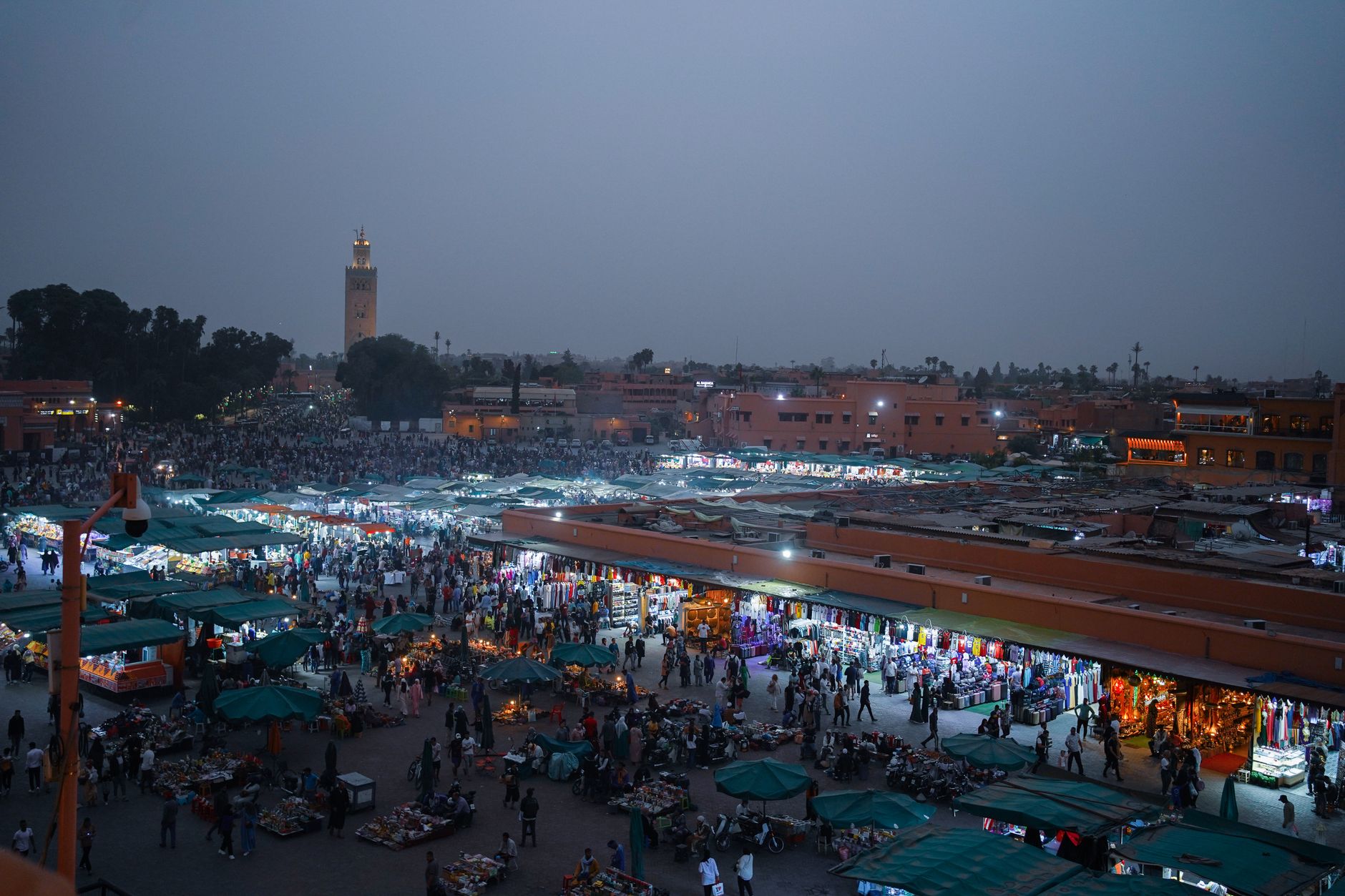
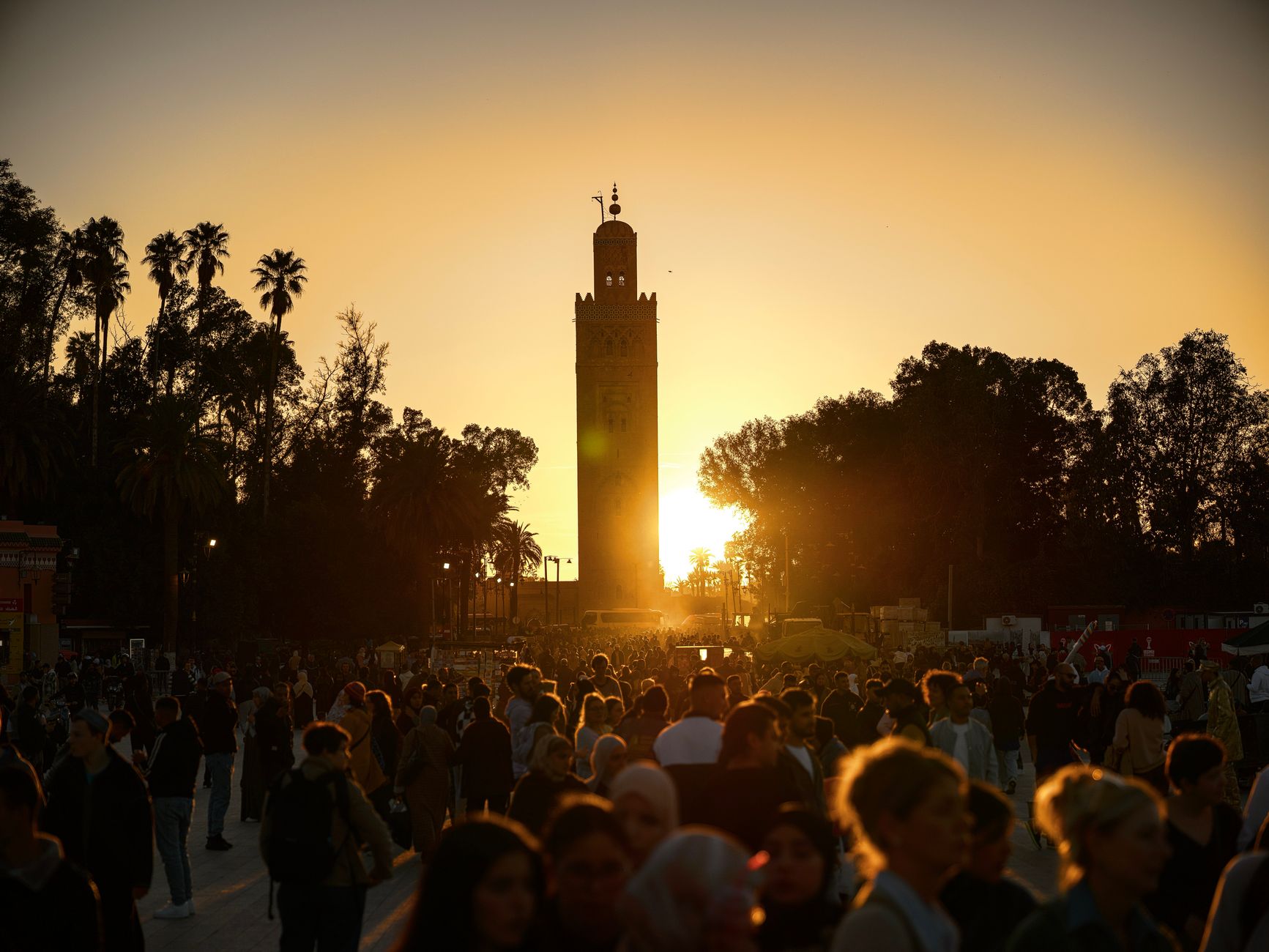
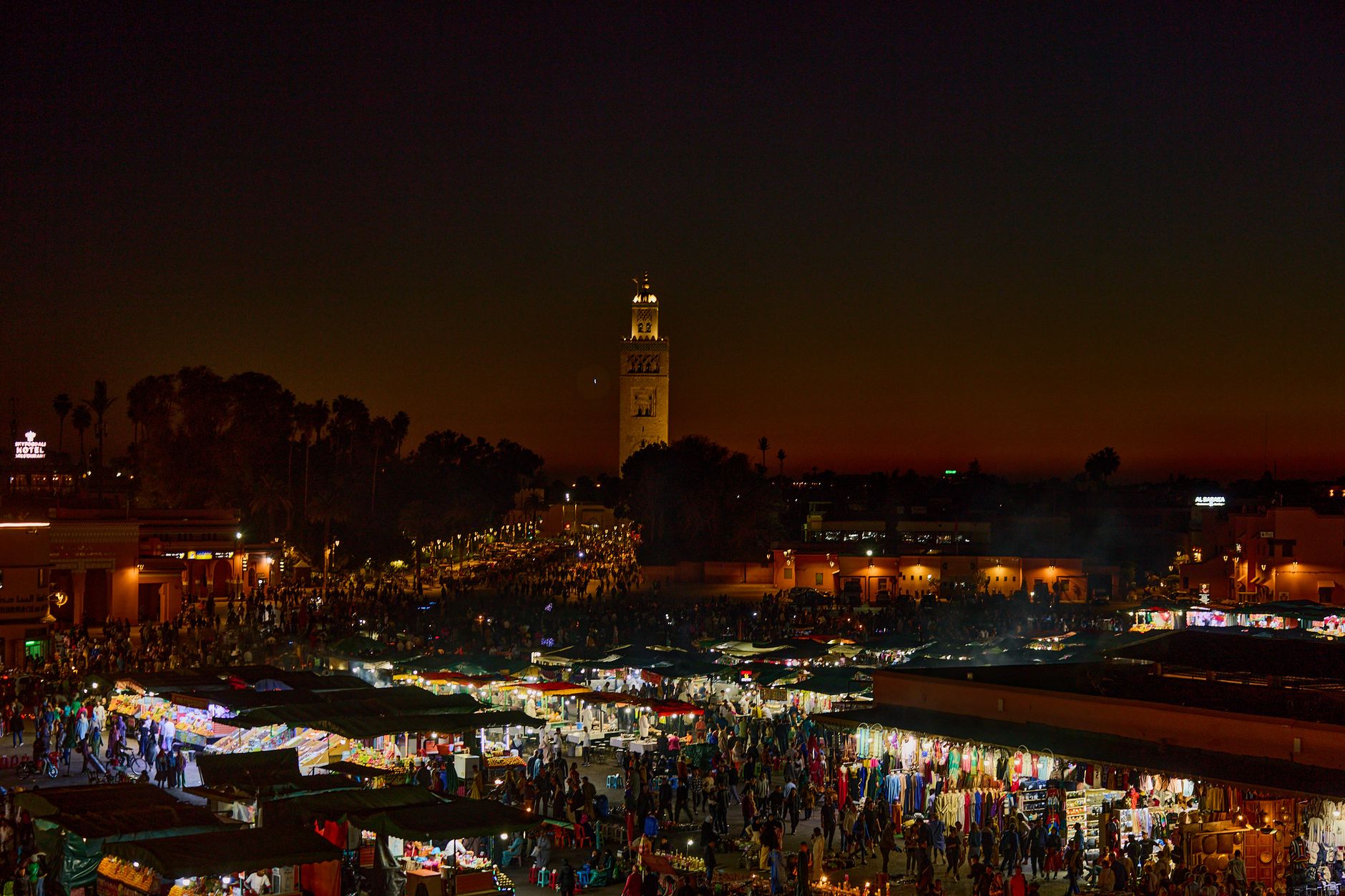
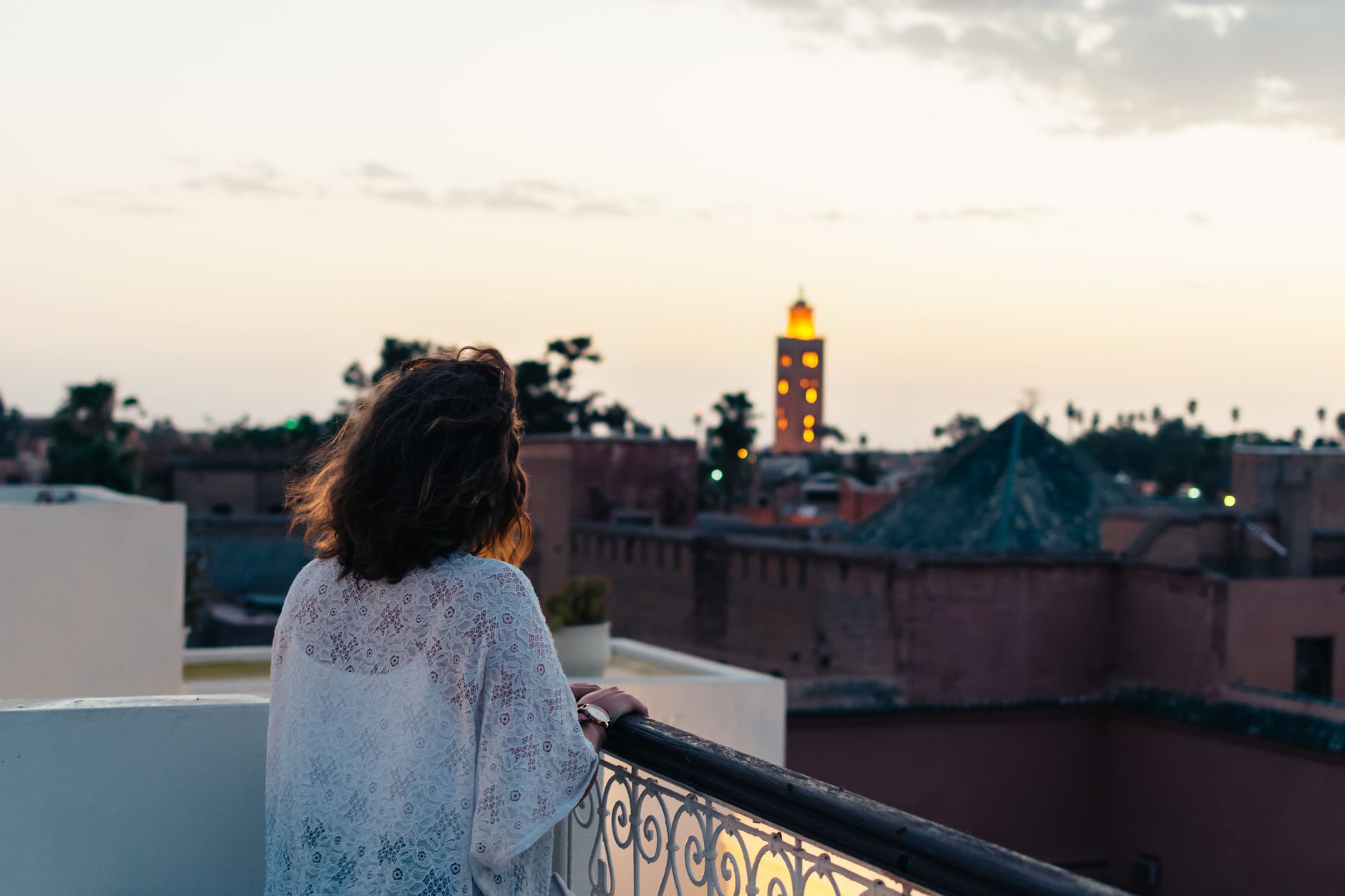
The minaret of the Koutoubia rises 77 metres above the southwest edge of the medina, and on a clear morning its shadow falls across gardens of rose bushes and orange trees before the city has properly woken up. No construction in Marrakech is permitted to exceed its height, which means the tower has been the fixed point of this skyline for the better part of nine centuries.
The name comes from the Arabic for booksellers — kutubiyyin — because as many as a hundred manuscript and book vendors once worked the streets at its base. That detail alone tells you something about the quarter's history. Non-Muslims cannot enter the prayer hall, but the exterior and the gardens repay a long, unhurried look.
💛 What travellers fall for
People who come back tend to time it twice: once at first light, when the minaret's ochre stone catches the sun from the garden side, and once just before sunset, when the three gilded copper orbs at the top hold the last warmth of the day. Neither moment takes long to reach from Jemaa el-Fnaa — it's roughly 200 metres west.
Deals in Koutoubia Mosque
Book directly at the provider
How Koutoubia Mosque came to be
Abd al-Mu'min, the Almohad caliph, founded the first mosque on this site in 1147 after taking Marrakech from the Almoravids. Within a decade it was clear the alignment was off, and around 1158 he ordered a second mosque built alongside the first — the ruins of that earlier structure are still visible. The minaret was completed around 1196, possibly under Ya'qub al-Mansur, and topped with three golden copper orbs said to represent the three holiest mosques of Islam.
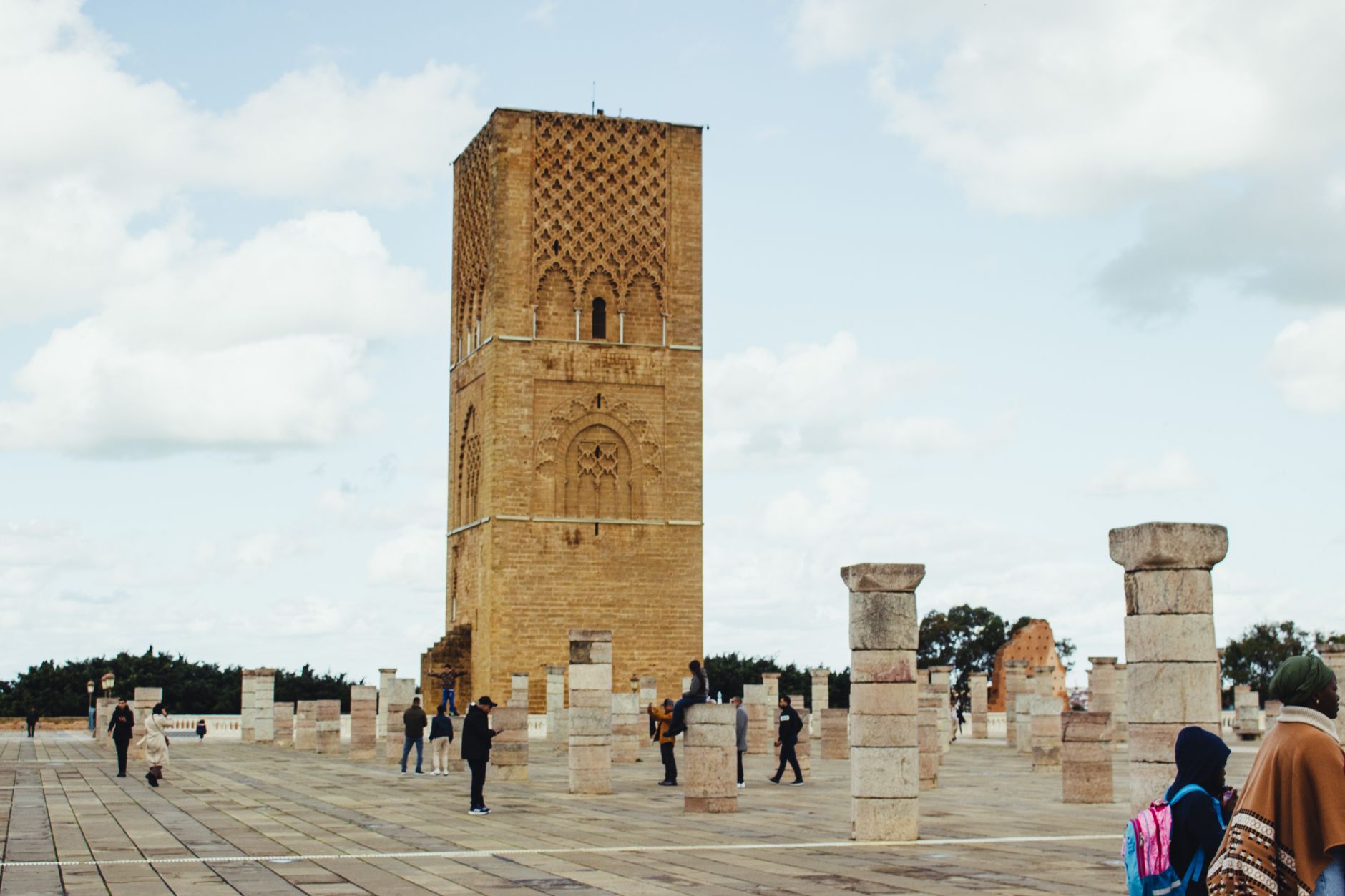
The tower became a template: architectural historians credit it as a direct influence on Seville's Giralda and Rabat's Hassan Tower. Restored in the late 1990s and fitted with solar panels in 2016, the mosque survived the September 2023 earthquake — magnitude 6.8 — though cracks appeared in the minaret. In 1943, Winston Churchill painted the tower from the gardens, a canvas that later sold at auction for millions.
Who and what shaped it
People who shaped it
Landmark buildings
See Koutoubia Mosque in motion
Plan your visit
On the map
When to go
Marrakech summers are hot and dry — the gardens offer little relief in July and August, and the stone plaza radiates heat. Spring and autumn are the most comfortable seasons for lingering outside; winters are mild and the low sun flatters the minaret's geometry.
Right now
Background & history adapted from Wikipedia (CC BY-SA) · specs from Wikidata (CC0) · weather from Open-Meteo · map data © OpenStreetMap contributors · photos from Wikimedia Commons / Unsplash with per-image credit. No third-party reviews or social posts reproduced.