
Gueliz
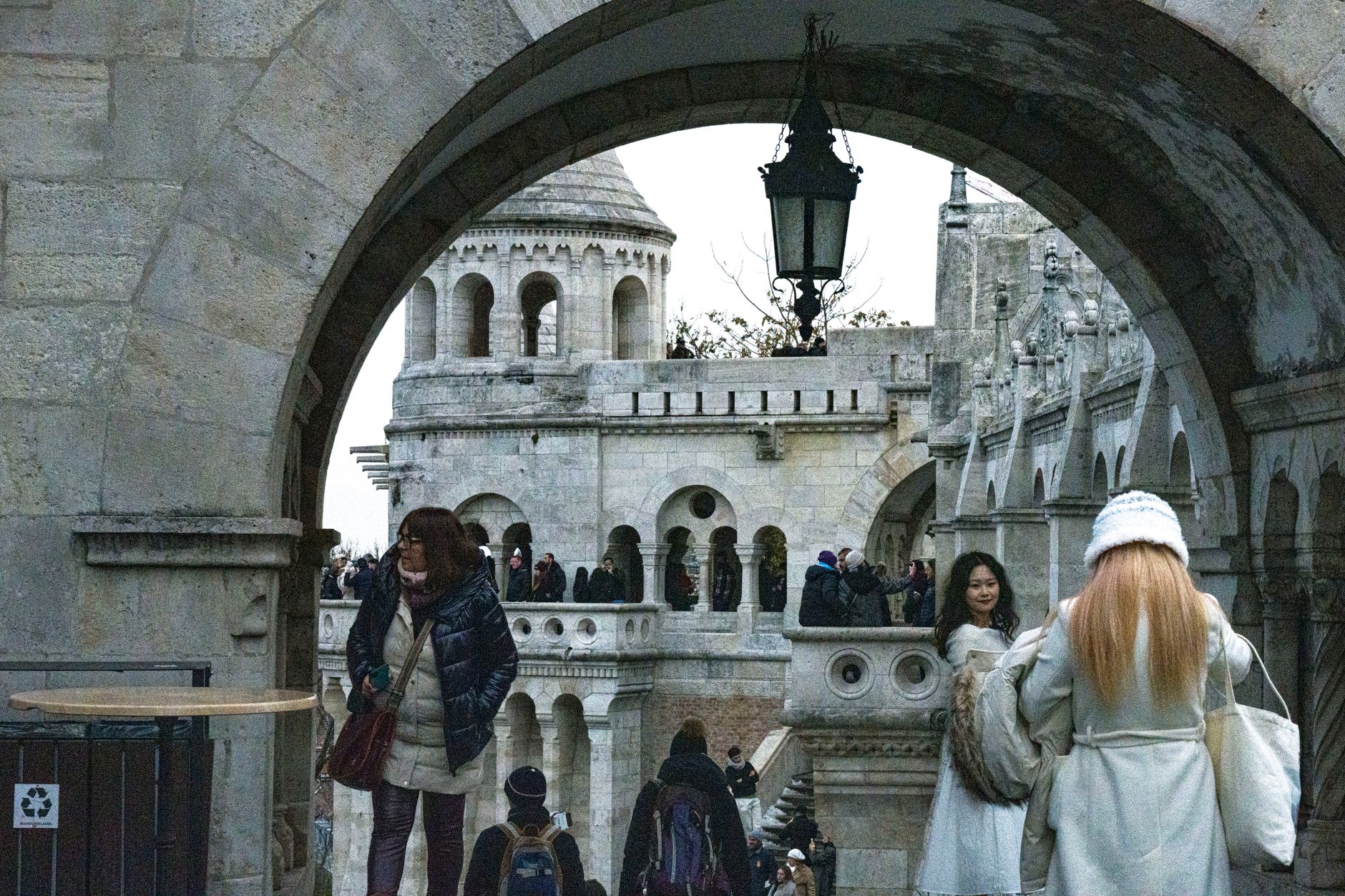
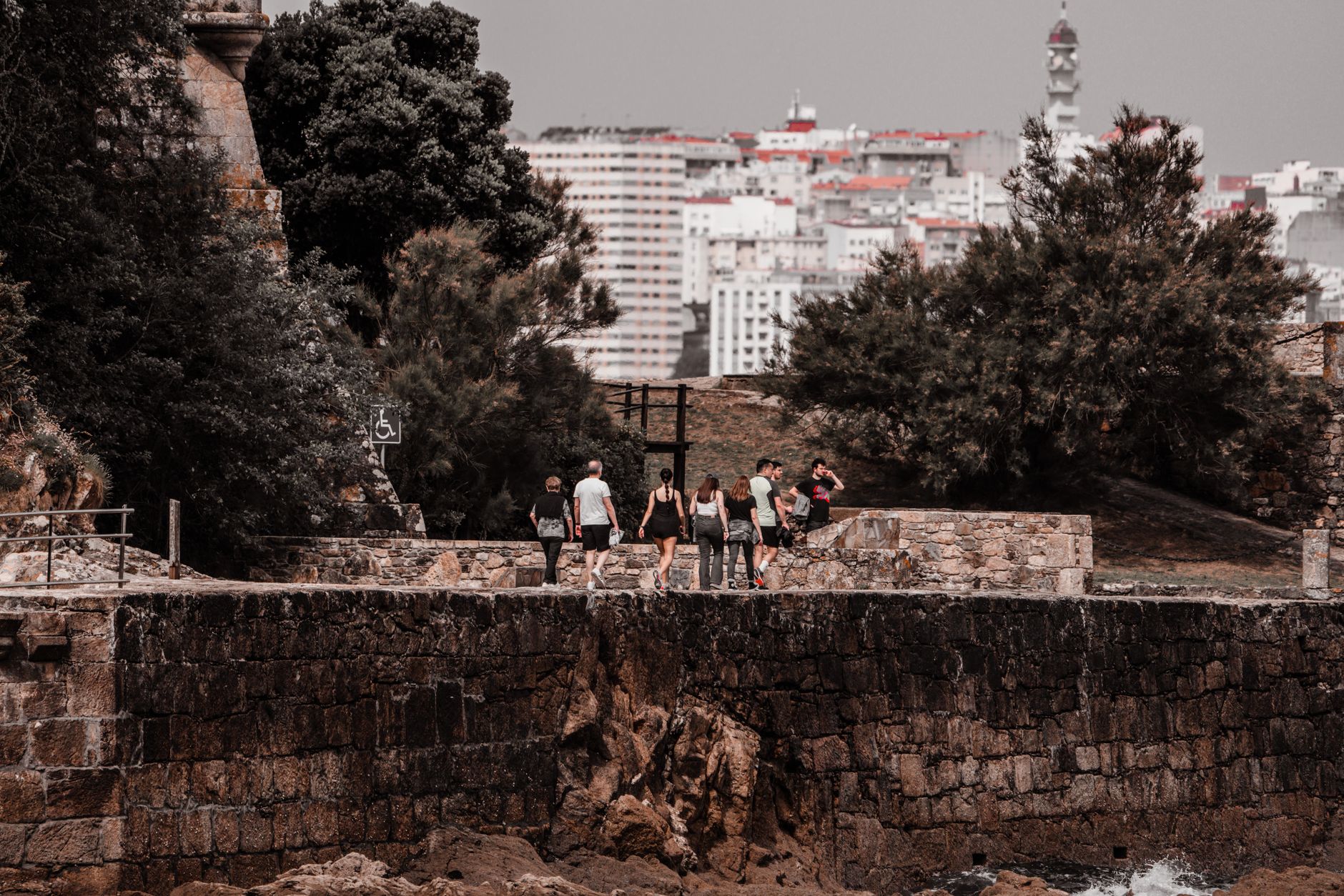
Gueliz is where Marrakech stops being ancient and starts being modern — wide avenues, Art Deco facades, pavement cafés where a nous-nous arrives without ceremony. It sits west of the Medina walls, a 20-minute walk from Jemaa el-Fna through Boulevard Al Yarmouk, and the shift is immediate: the street grid opens up, the light changes, and the century feels different.
This is also where you'll find Majorelle Garden, the cobalt-blue compound that Jacques Majorelle began planting in 1923 and which Yves Saint Laurent and Pierre Bergé later saved from development. Around it, the neighbourhood carries on — galleries, brasseries, a post office that still looks like a post office should.
💛 What travellers fall for
People who come back to Gueliz tend to mention the same few anchors: breakfast at Café Les Négociant, which has been on this corner since 1919, then the Comptoir des Mines Gallery before the crowds arrive. Book Majorelle online — the queue after 10 AM is real — and leave time for the Yves Saint Laurent Museum next door.
Deals in Gueliz
Book directly at the provider
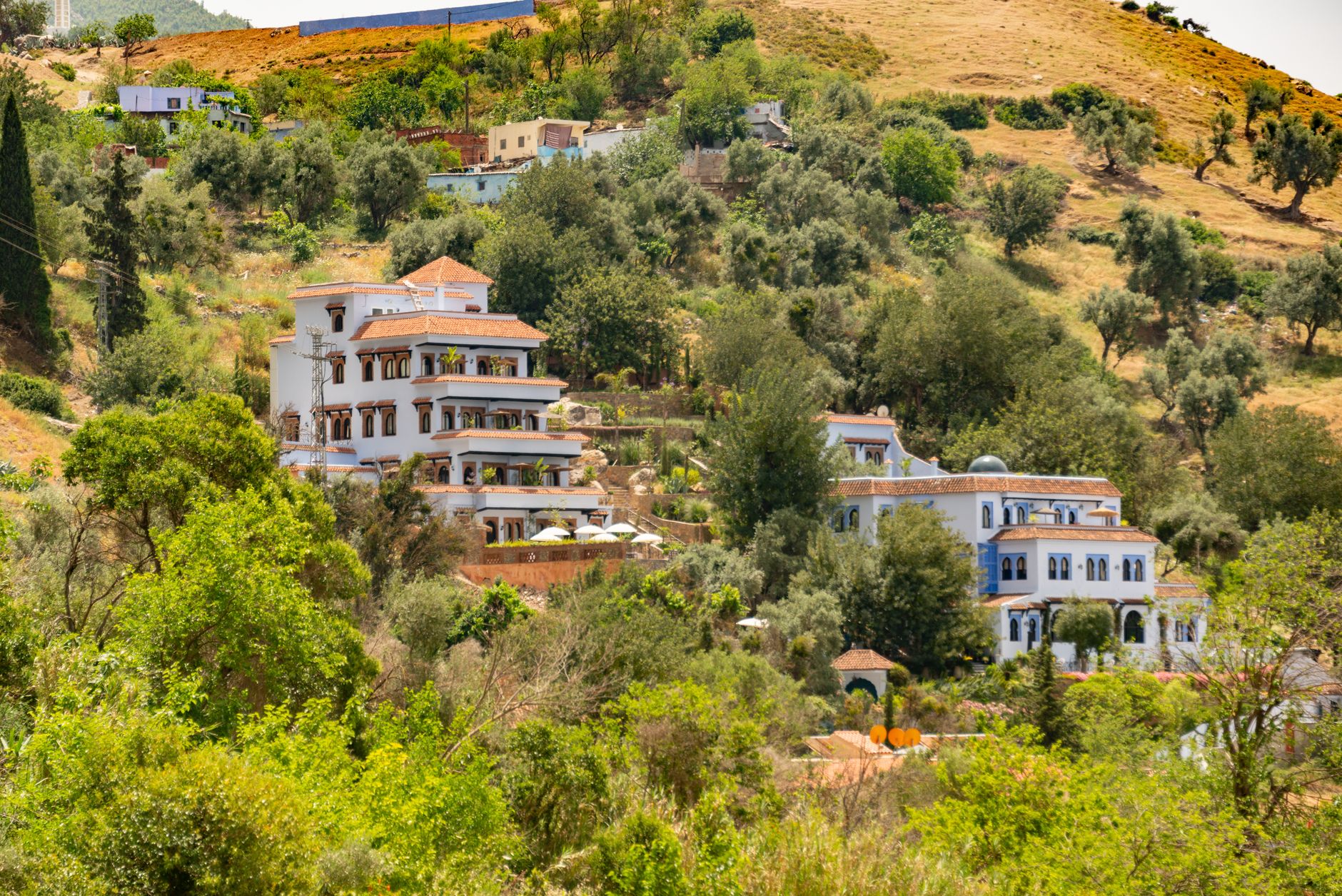

How Gueliz came to be
In 1912, Marshal Lyautey — the French colonial administrator who had just established the protectorate — commissioned urban planner Henri Prost to design a European quarter outside the Medina walls. The name derives from Jbel Gueliz, a hill to the northwest that the French used as a military position, and the word itself echoes the French église, reflecting the colonial imprint on the place.
By 1919 fewer than 900 people lived here. The district grew slowly, acquiring an Art Deco post office, a mining company building on what is now the Comptoir des Mines Gallery (1932), and the cafés and brasseries that gave Gueliz its particular Franco-Moroccan register. By 2014 the population had reached 188,333 — a city within a city, still legible as Prost's grid.
Who and what shaped it
People who shaped it
Landmark buildings
See Gueliz in motion
Plan your visit
On the map
When to go
Winters (December–February) are mild by day and genuinely cold at night, averaging around 13°C with lows near 6°C — a light jacket earns its place. Summers are very hot; spring and autumn, when temperatures are moderate and rain is rare, make the most comfortable time to walk the district's long avenues.
Right now
↡ Shopping areas






Background & history adapted from Wikipedia (CC BY-SA) · specs from Wikidata (CC0) · weather from Open-Meteo · map data © OpenStreetMap contributors · photos from Wikimedia Commons / Unsplash with per-image credit. No third-party reviews or social posts reproduced.