
Rue de la Liberté
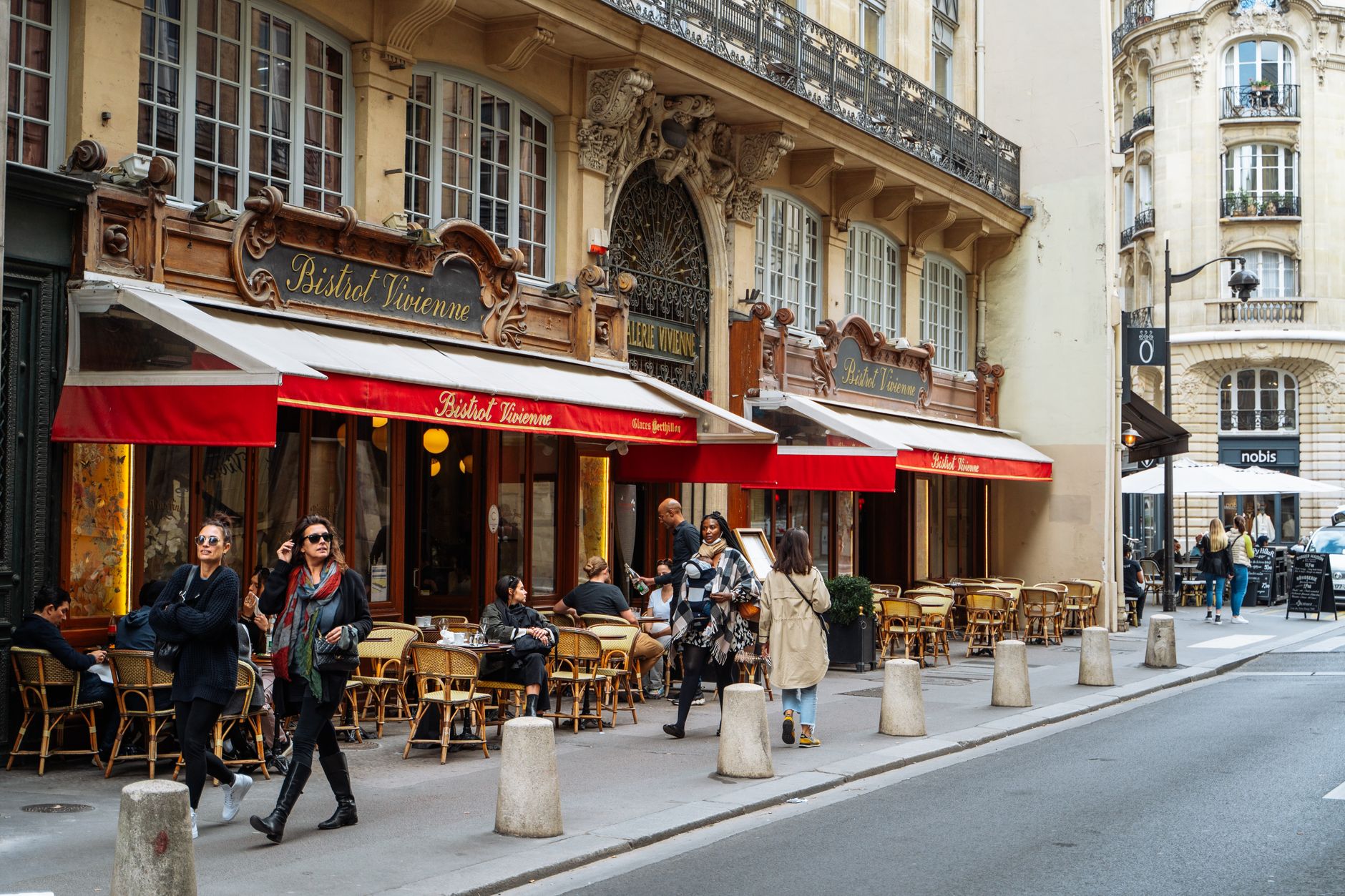
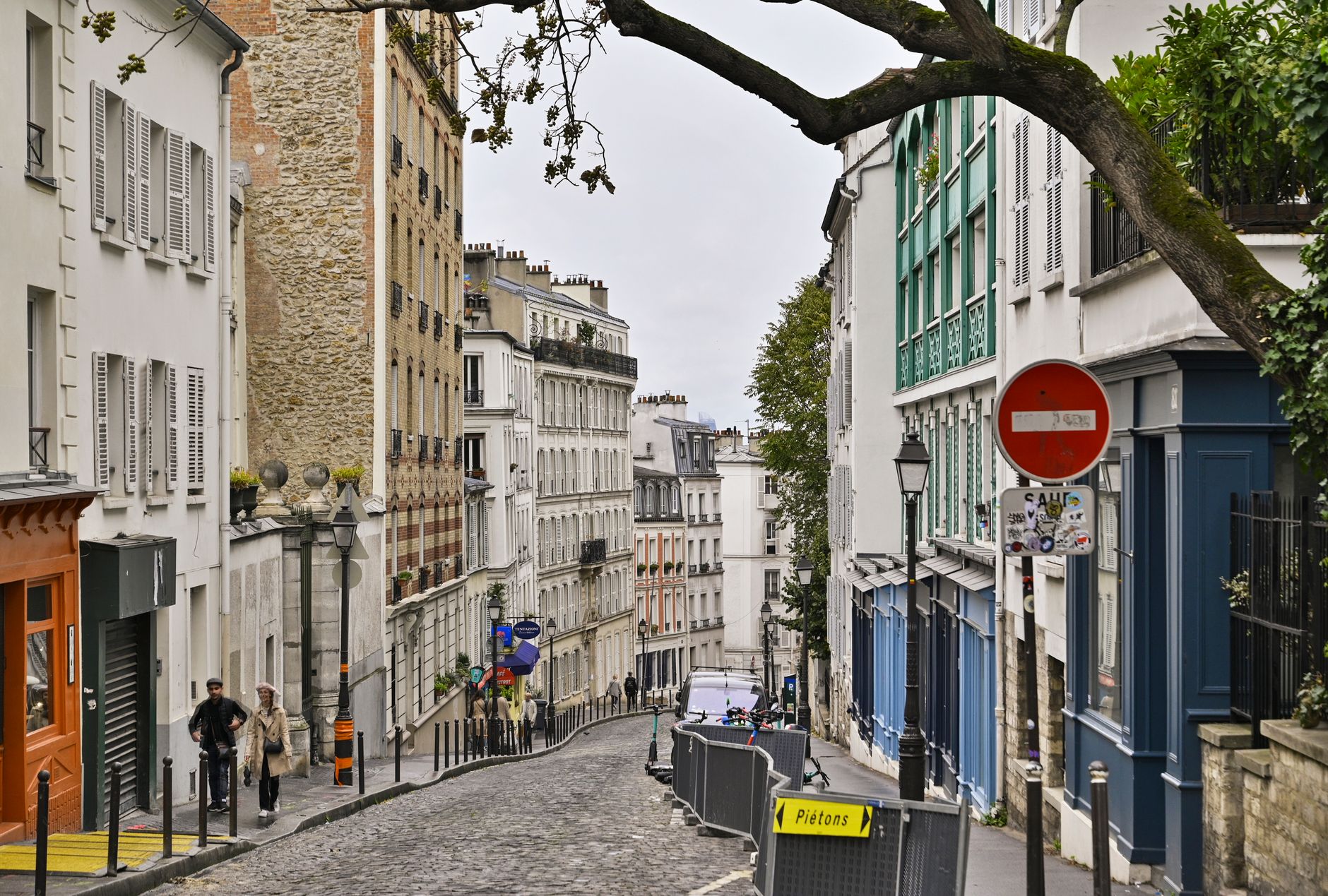
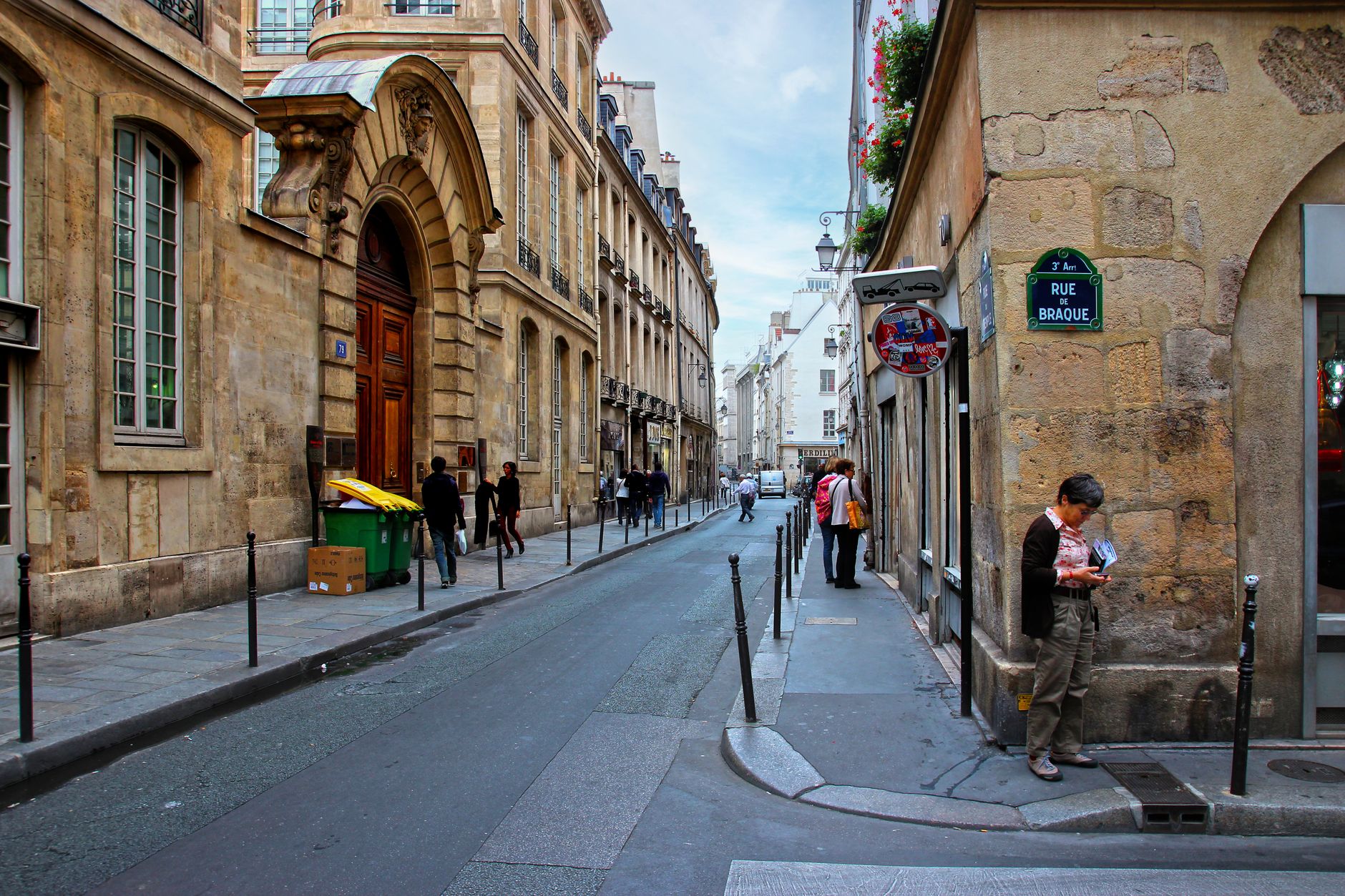
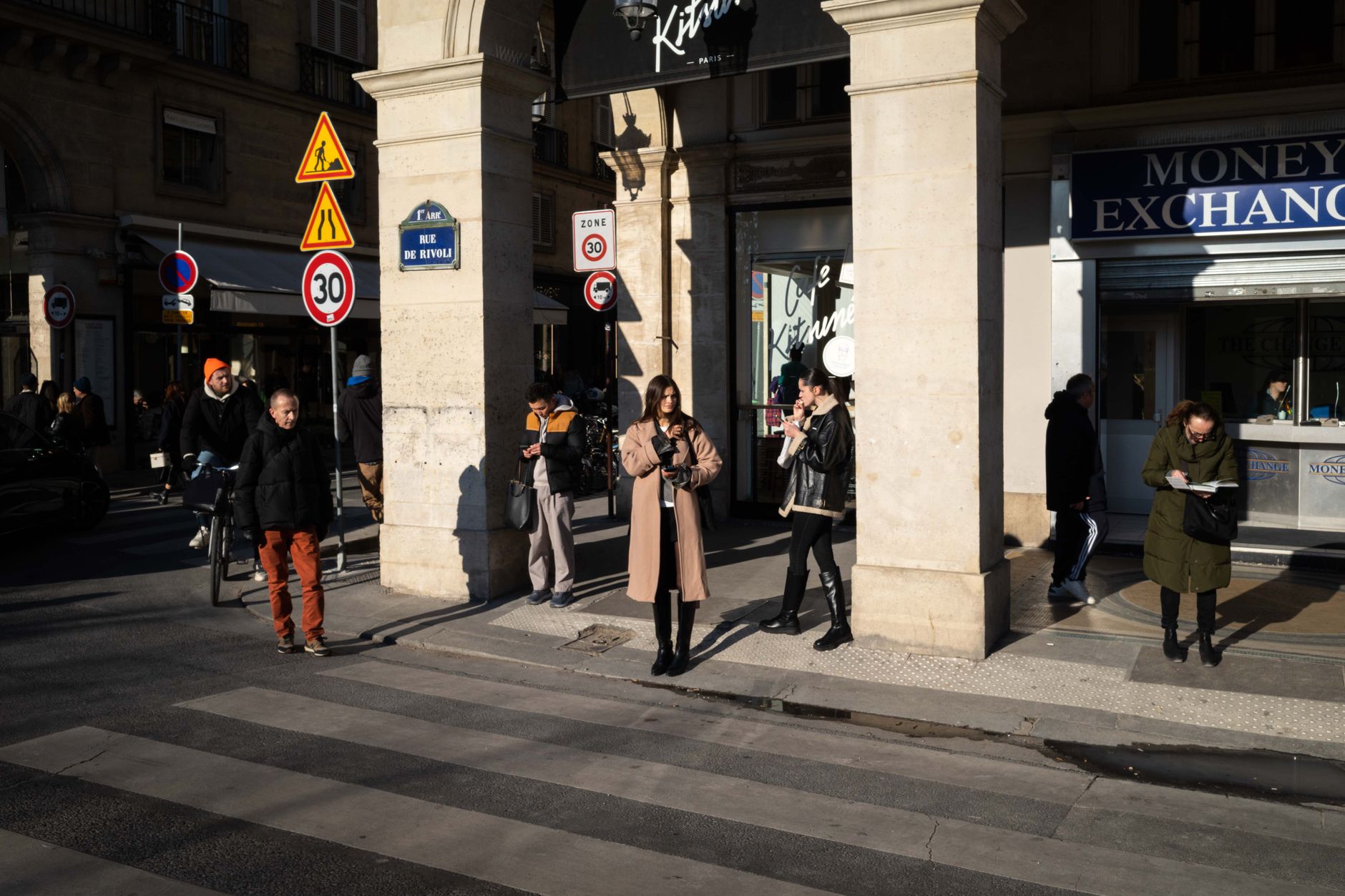
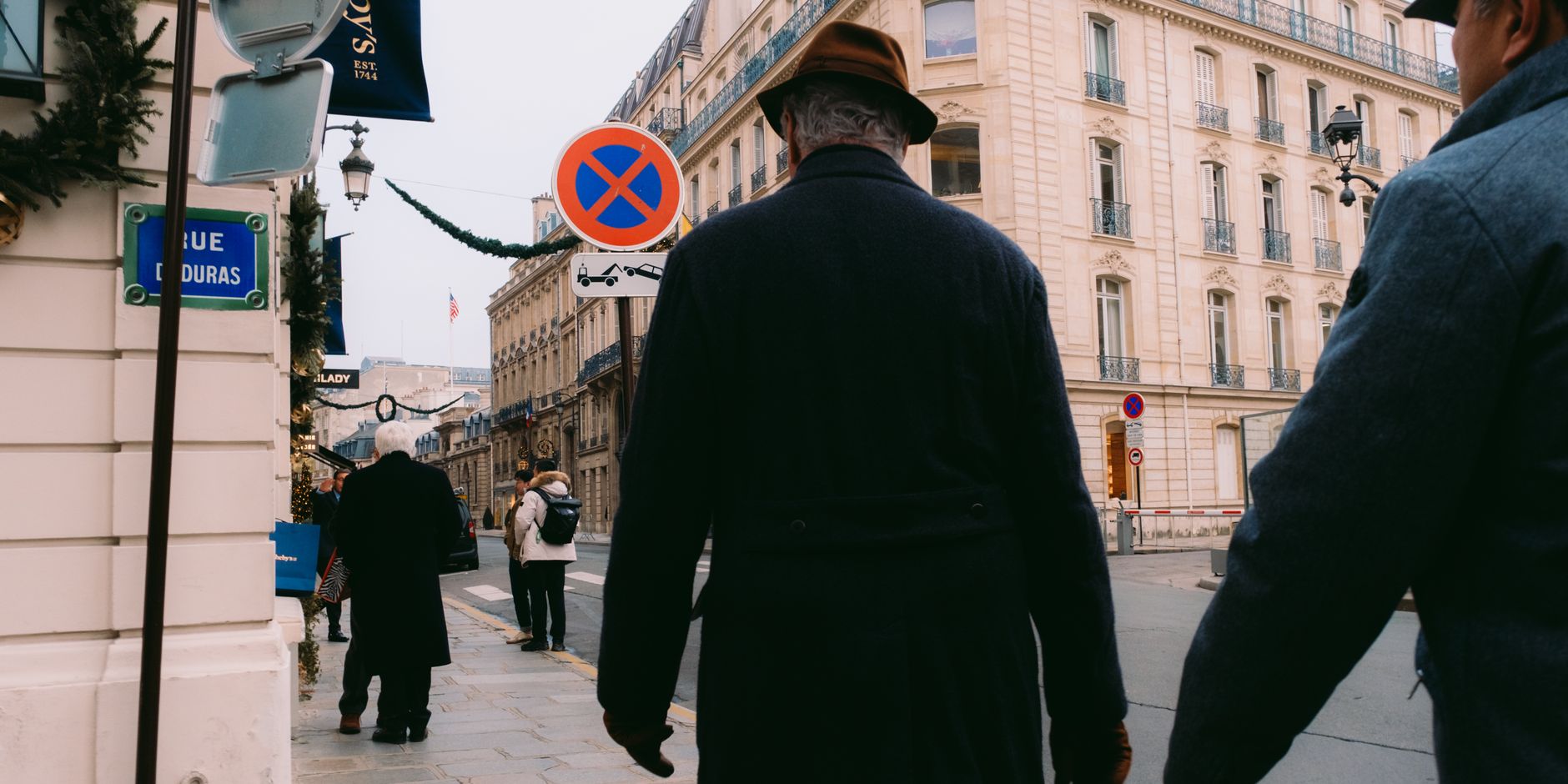
Rue de la Liberté runs through Gueliz with a particular calm that the medina never quite allows — wide pavements, fixed-price boutiques, the occasional terrace where a long lunch can stretch into the afternoon without anyone rushing you along. The street is Marrakech's other commercial logic: curated rather than chaotic, spaces designed as spaces.
L'Orientaliste at number 70 is worth slowing down for — the owner sources from over a hundred local artisans, so the handcrafted goods here have a traceable weight to them. Kechmara at number 3 pulls in an easy crowd for food and live music. Place de la Liberté, the fountain roundabout where Avenue Mohammed V crosses, marks one natural end of the walk.
💛 What travellers fall for
People who come back tend to time it around the shaded-terrace hours — mid-morning or the long post-lunch stretch before the heat peaks. Café de la Poste, just off the main drag at the corner of El Mansour Eddahbi, is the instinct for a coffee stop: a century-old building, thoughtfully restored by Studio KO, that earns its reputation without trying.
How Rue de la Liberté came to be
Gueliz was laid out in 1912 by the French architect Henri Prost, commissioned by Marshal Lyautey as part of the colonial administration's plan to build a European quarter separate from the medina. The district's name is thought to derive from the French word for church, referencing the Catholic church constructed near its centre. Rue de la Liberté emerged as the quarter's main commercial spine within that grid.
The planning logic — wide streets, setback buildings, shaded boulevards — was deliberate: a different city alongside the old one, rather than imposed upon it. Café de la Poste, at the corner of El Mansour Eddahbi, is among the earliest buildings from that period and has been sensitively restored, making it one of the few places on the street where the original ambition of the quarter is still legible.
Who and what shaped it
People who shaped it
Landmark buildings
Plan your visit
On the map
When to go
Marrakech summers are genuinely hot, and the wide pavements of Rue de la Liberté offer less shade than the medina's covered souks — spring and autumn give you the street at its most comfortable. Winter mornings can be cool but the afternoons are reliably mild.
Right now
Background & history adapted from Wikipedia (CC BY-SA) · specs from Wikidata (CC0) · weather from Open-Meteo · map data © OpenStreetMap contributors · photos from Wikimedia Commons / Unsplash with per-image credit. No third-party reviews or social posts reproduced.