
Rue Mohamed El Beqal

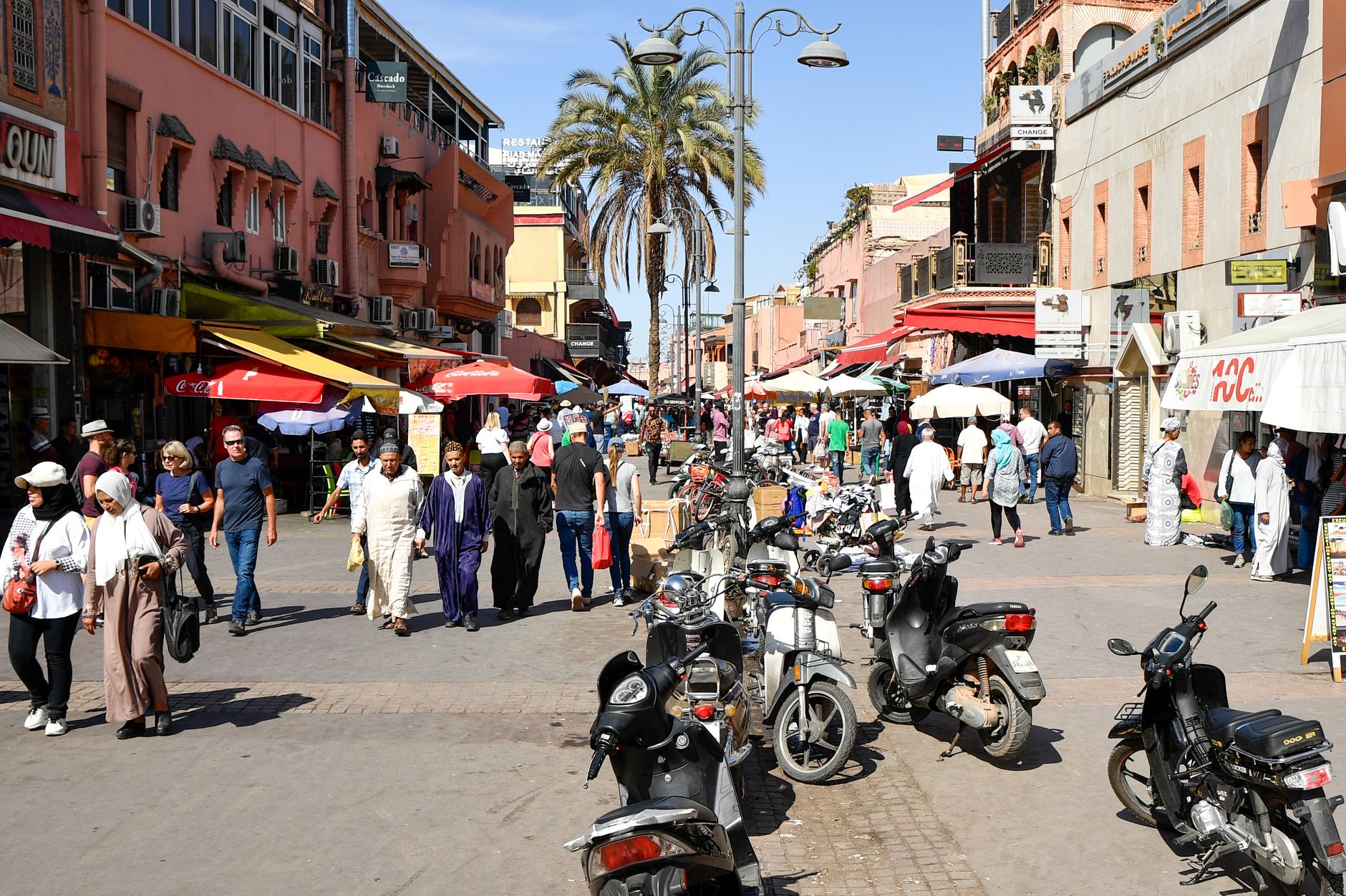
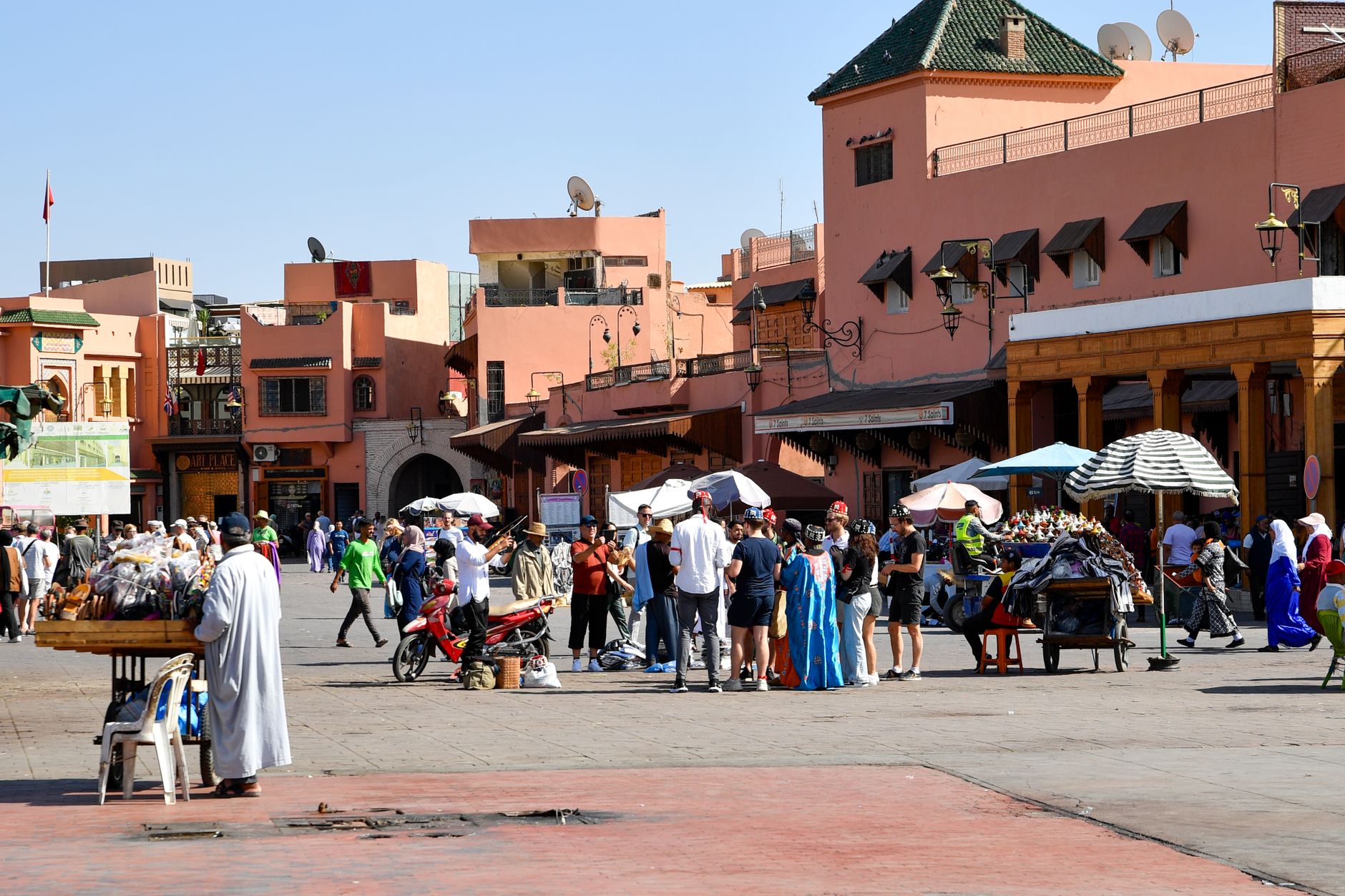
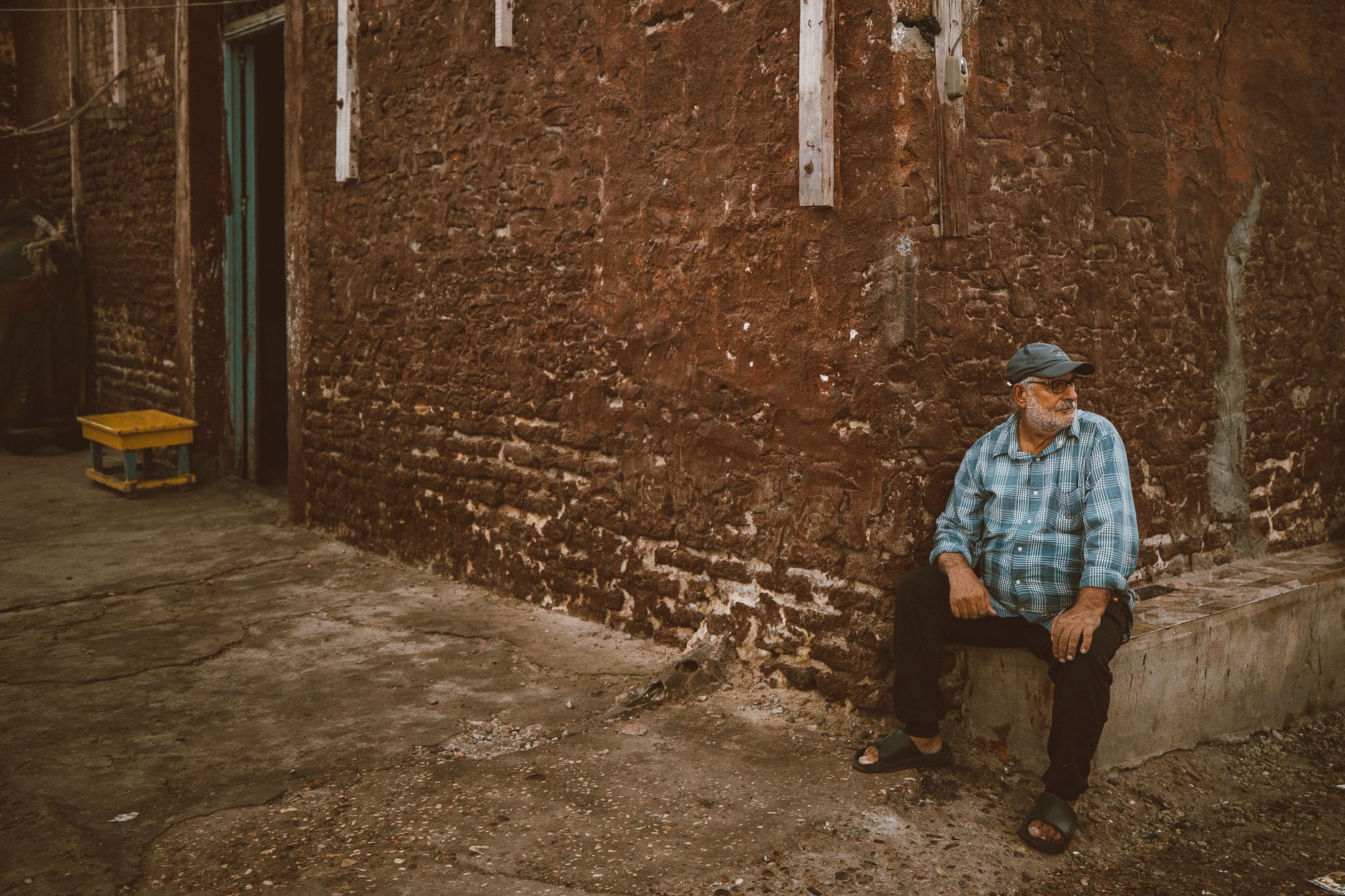
Rue Mohamed El Beqal runs through Gueliz at a quiet remove from the district's main boulevards, lined with the kind of addresses that accumulate slowly — a wine shop, a neighbourhood restaurant, a hotel with a spa that locals actually use. At number 65, Bejghueni draws a crowd that isn't consulting any app: grilled meats, Moroccan salad, lentils, tomato pulp. You sit, you eat, you watch the street do its thing.
This is Gueliz as it was always meant to be used — a walkable, European-inflected quarter where the café terrace and the qahwa somehow arrived at the same table. The Théâtre Royal and Galerie 127 are close. So is the bus station, if you need to move on.
💛 What travellers fall for
People who keep coming back to this end of Gueliz tend to mention L'Atelier du Vin at number 87 — a wine shop that doubles as a quiet place to slow down mid-afternoon. Bejghueni is the other constant: arrive before 13h00 or expect to wait for a table with anyone who works nearby.
How Rue Mohamed El Beqal came to be
Gueliz didn't exist before 1912. When France established its protectorate over Morocco, Marshal Lyautey commissioned architect Henri Prost to draw up a new European quarter west of the medina walls — a city alongside the old city, rather than imposed upon it. Prost laid out wide avenues, ordered plots, and the bones of what became Boulevard Mohammed V. By 1919 the quarter had fewer than 900 residents.
Rue Mohamed El Beqal emerged within that grid, accumulating its particular character over the decades as Gueliz grew from colonial outpost to a neighbourhood of 188,000 people. The Art Deco traces that survive on nearby streets — the Comptoir des Mines building dates to the 1930s — give some sense of the ambition behind Prost's original plan.
Who and what shaped it
Landmark buildings
Plan your visit
On the map
When to go
Spring (March–April) and autumn (late September to mid-November) offer the most comfortable conditions for walking the street and sitting outside — warm but not relentless. Summer days regularly push 35–40°C, and a south wind can spike temperatures higher still; winter afternoons are mild around 19°C, though nights can drop near freezing.
Right now
Background & history adapted from Wikipedia (CC BY-SA) · specs from Wikidata (CC0) · weather from Open-Meteo · map data © OpenStreetMap contributors · photos from Wikimedia Commons / Unsplash with per-image credit. No third-party reviews or social posts reproduced.