
Jemaa el-Fna
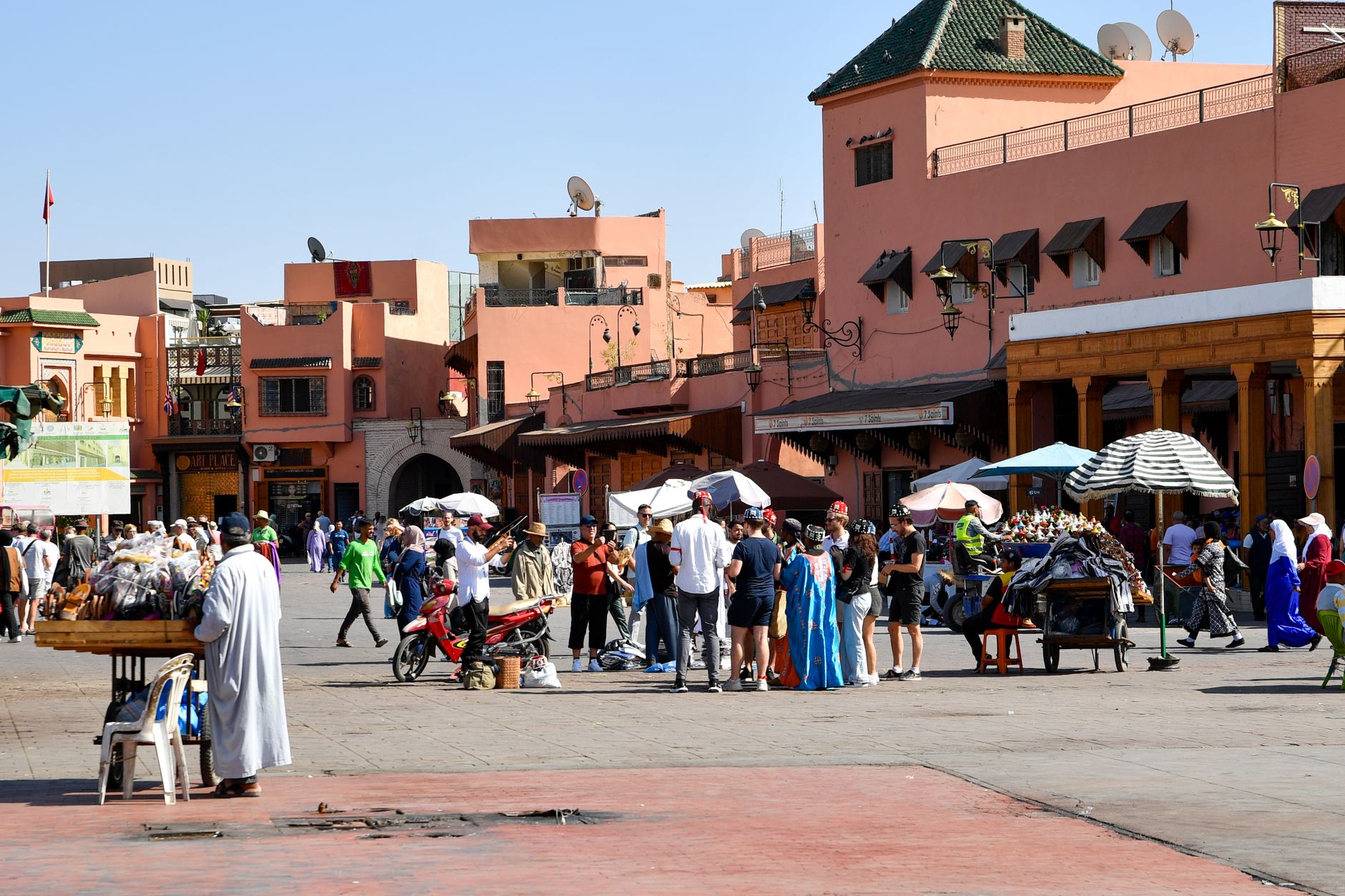
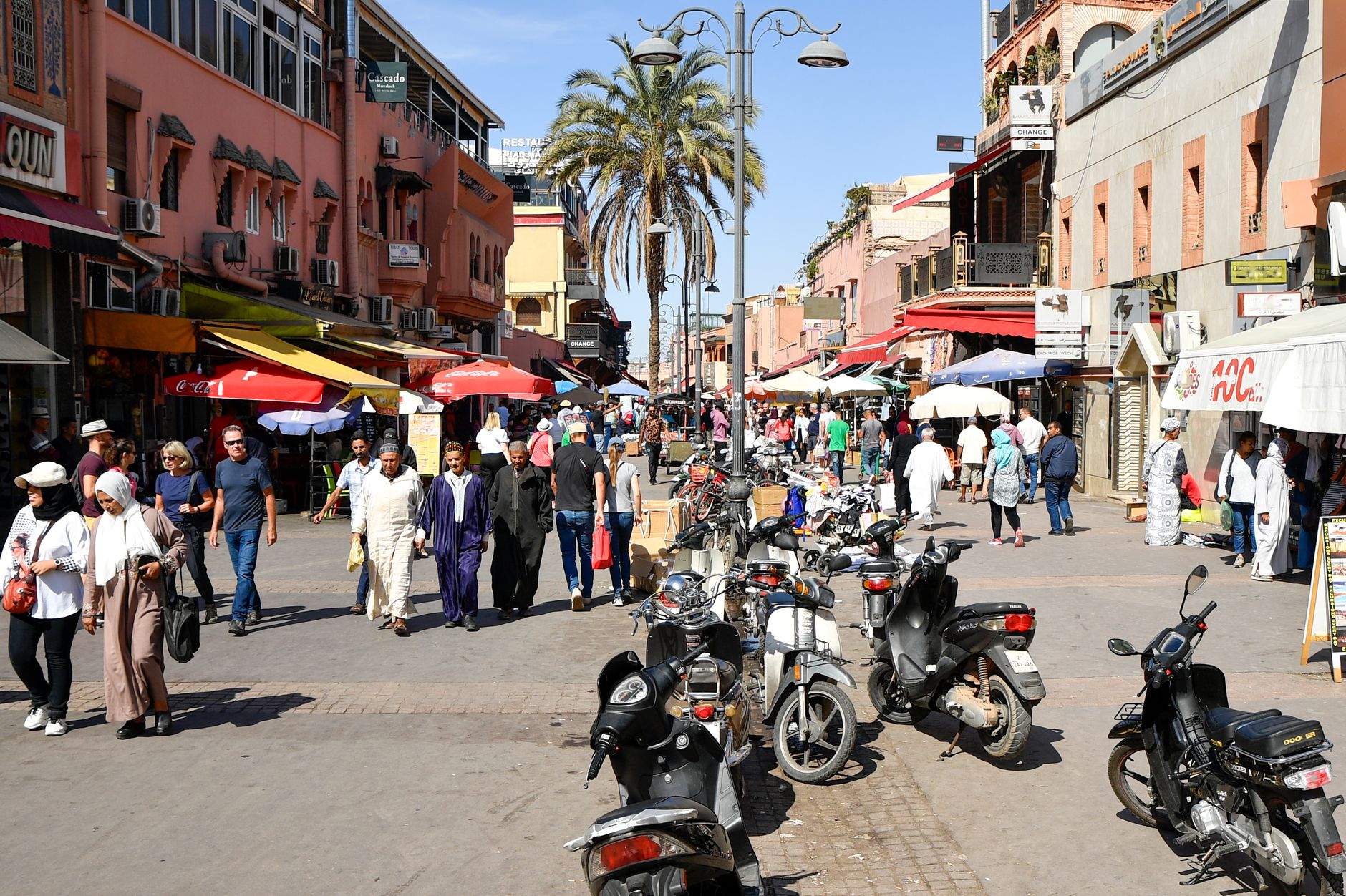
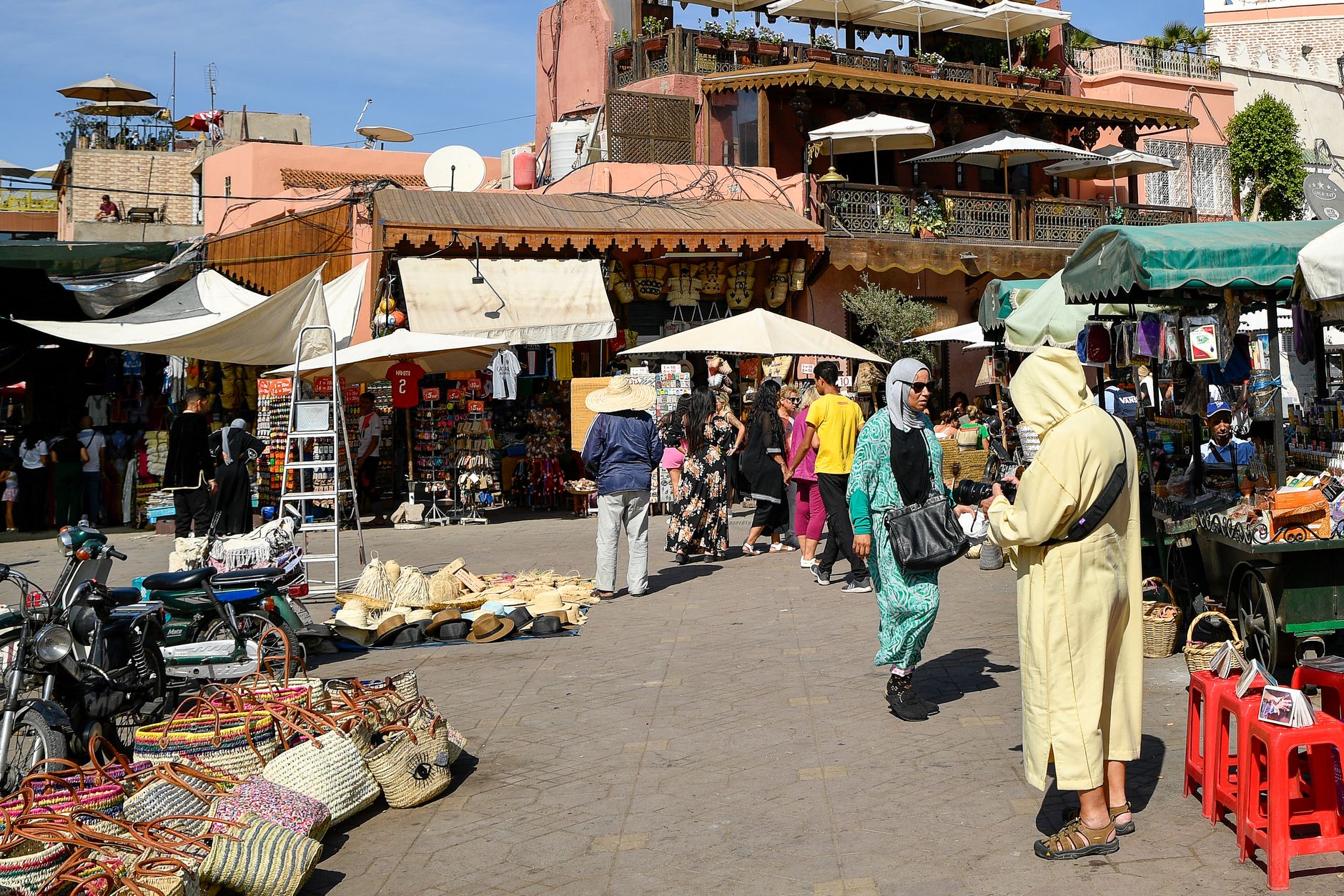
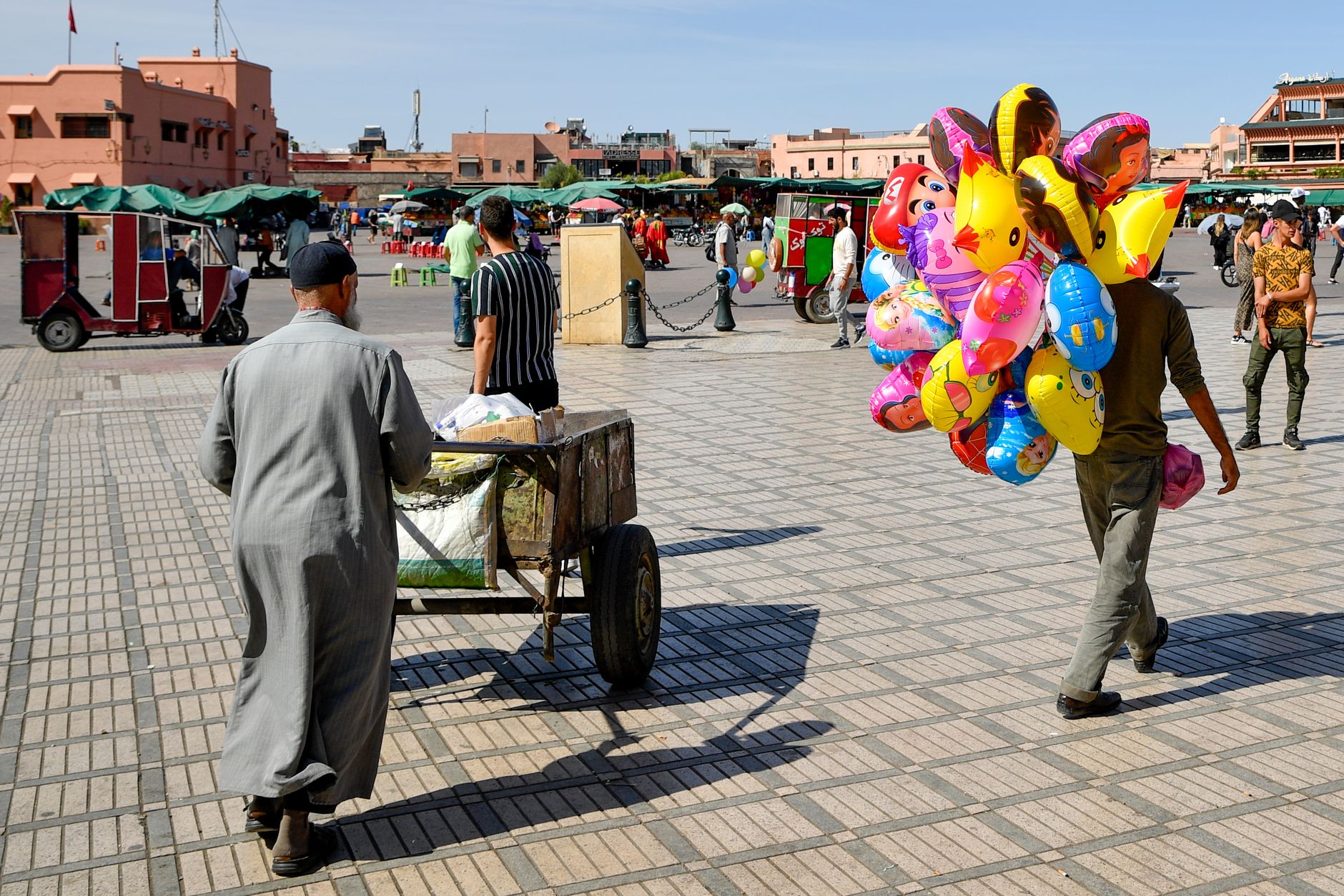
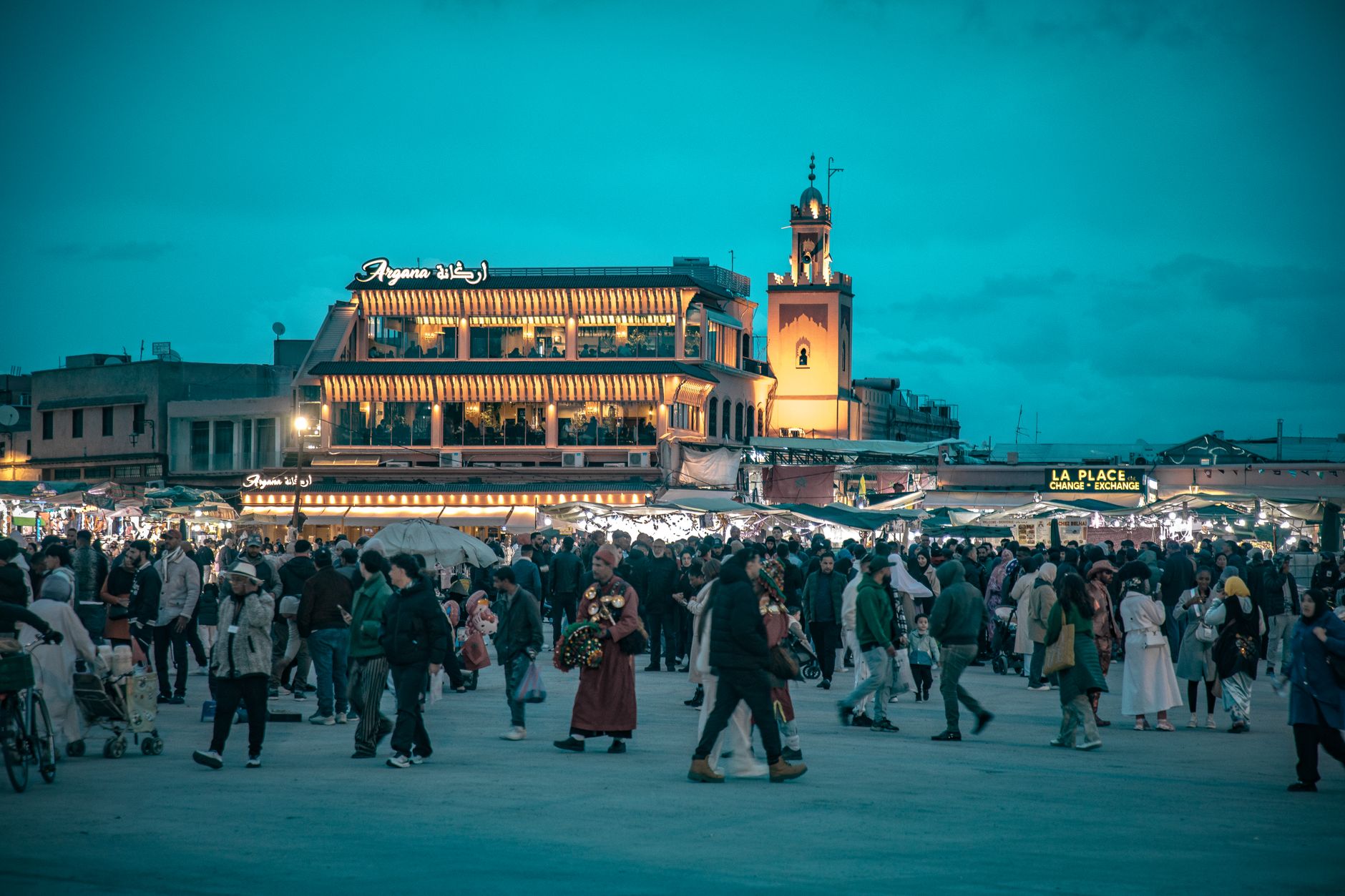
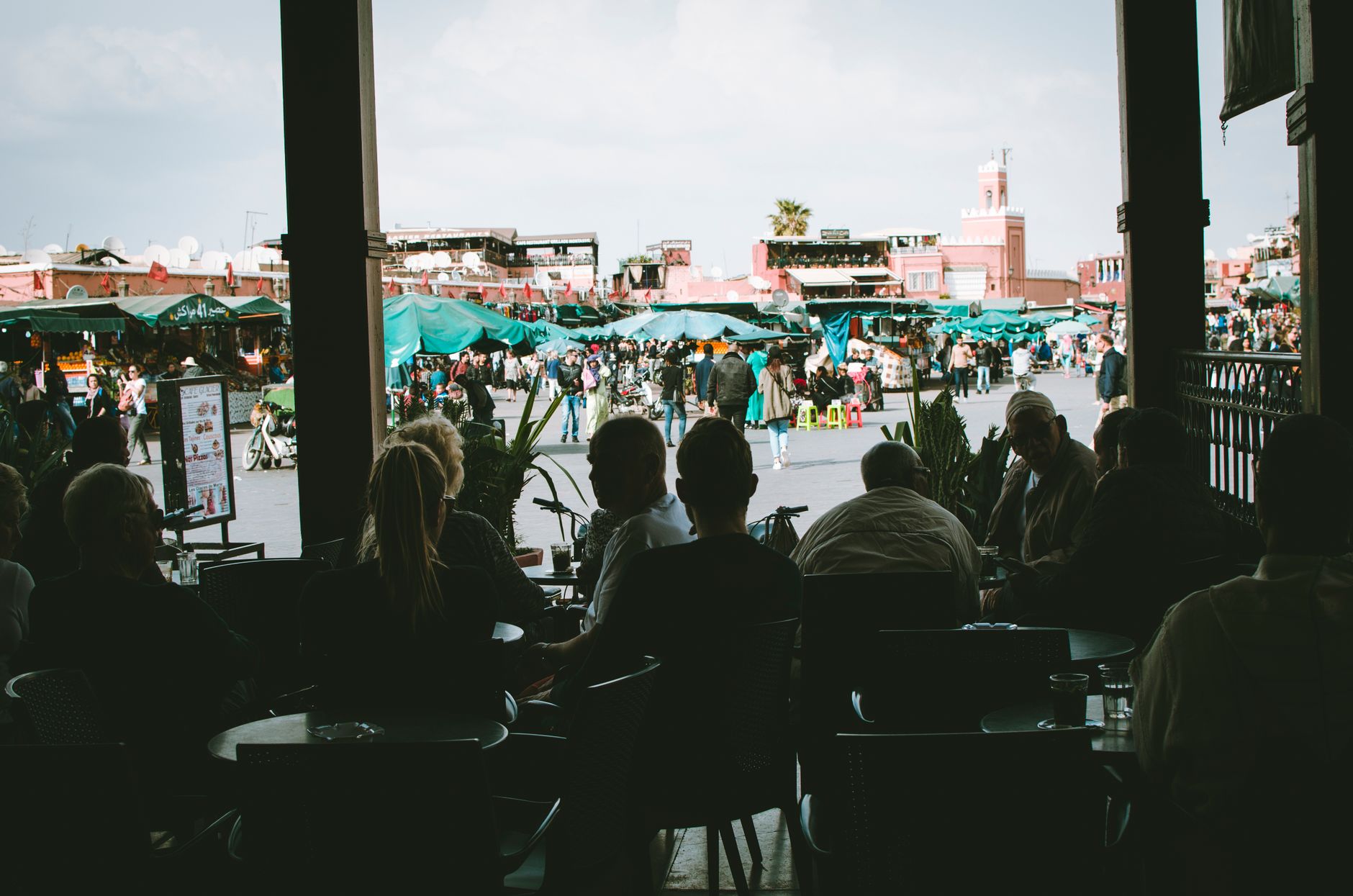
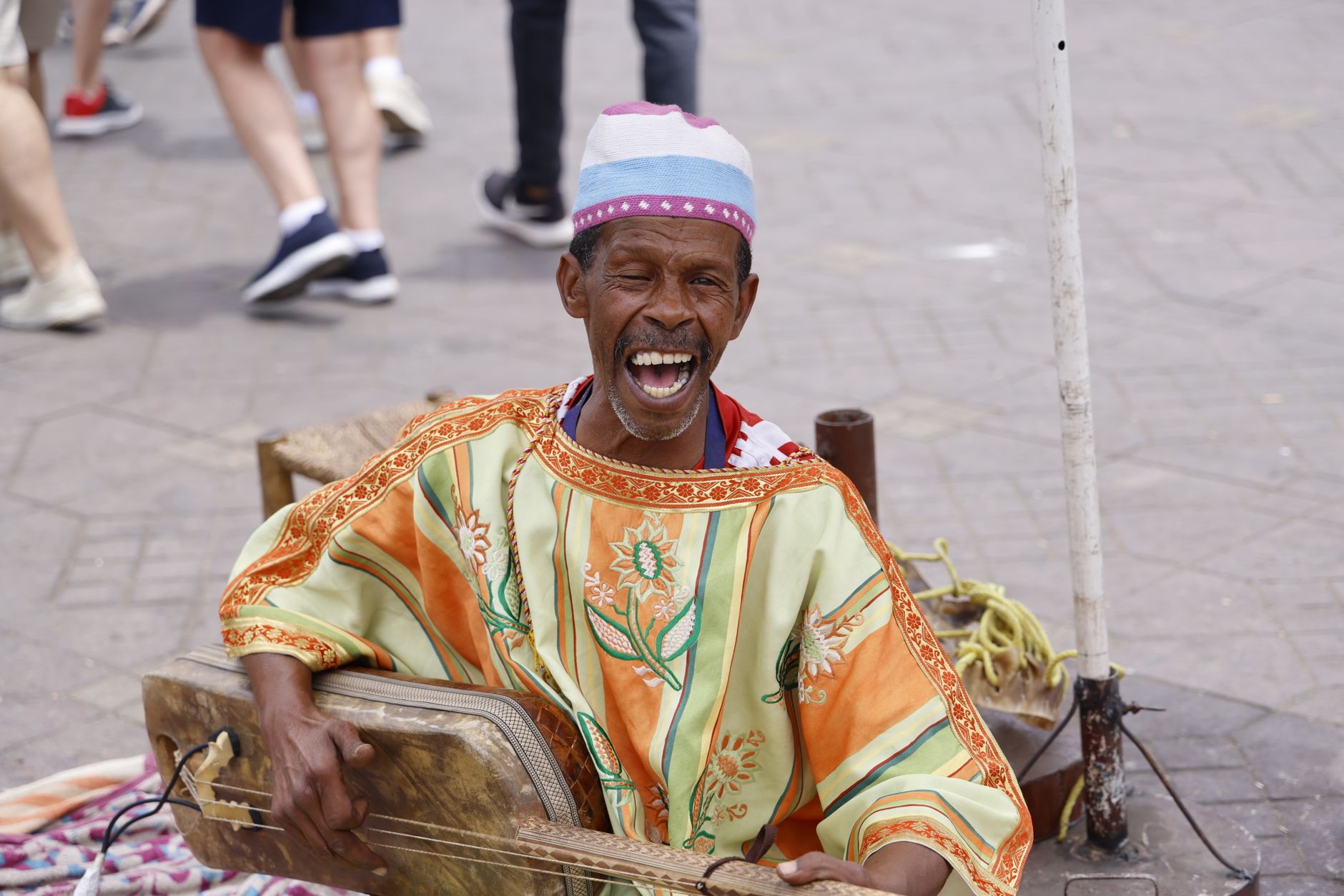
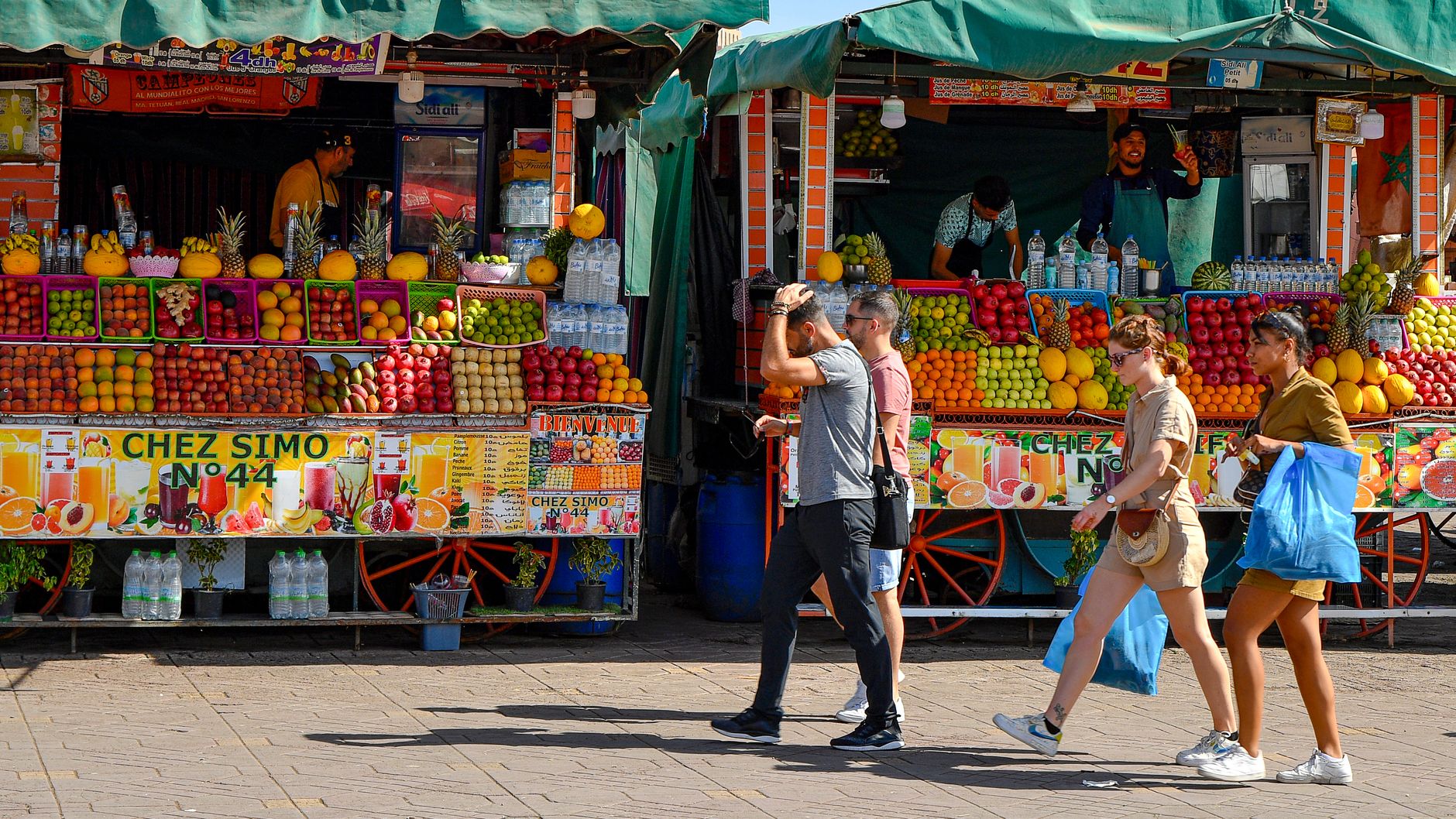
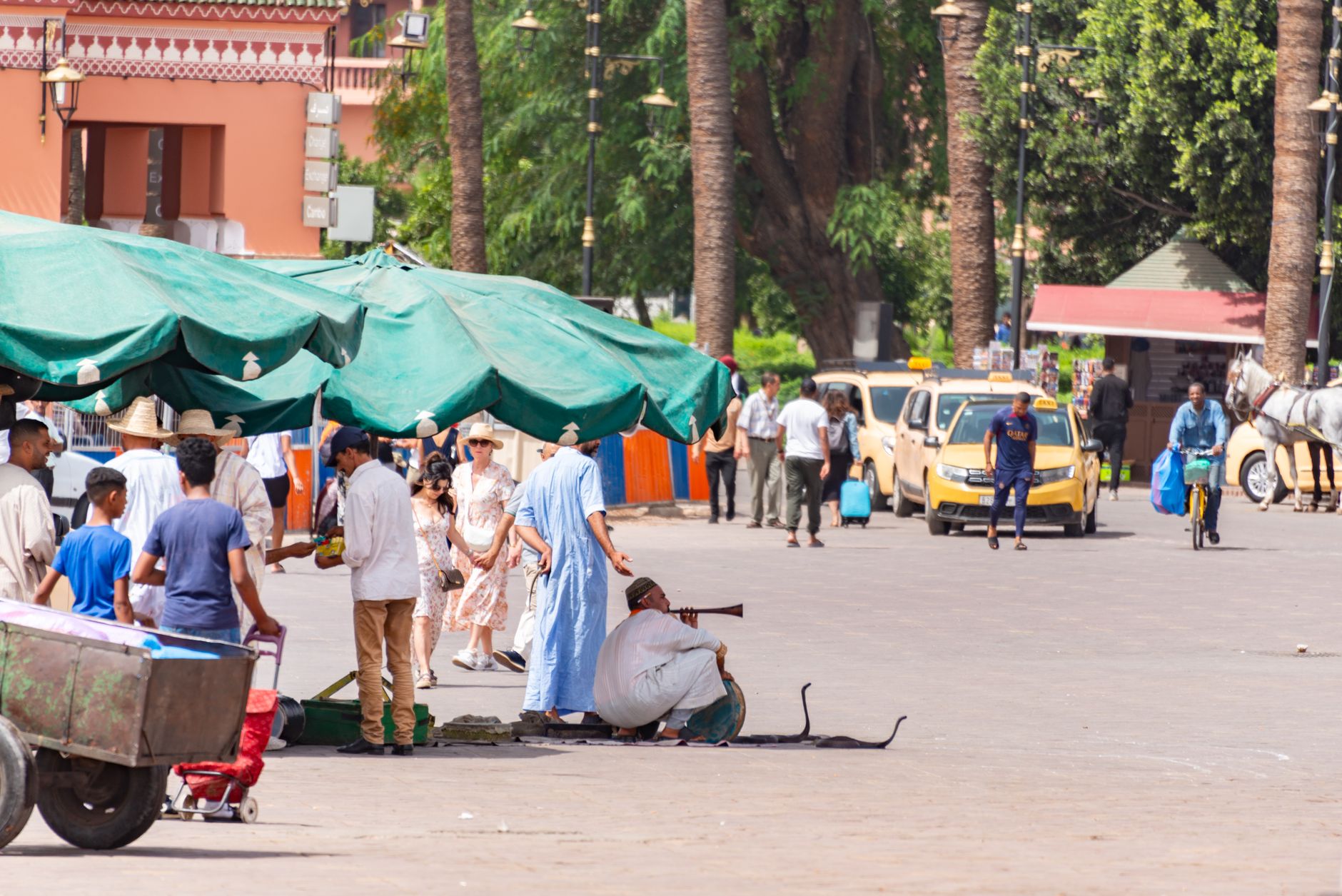
The name tells you everything, if you know the story. Jemaa el-Fna translates, roughly, as 'assembly of the dead' — a popular irony attached to a mosque that a 16th-century sultan started and never finished, its ruins eventually swallowed by the square you're standing in now. Today that triangular expanse fills every evening with over a hundred numbered food stalls, snake handlers, storytellers, and musicians, making it the largest open-air gathering of its kind on earth.
The square is free to enter, open around the clock, and closed to cars. None of that quite prepares you for the shift that happens around 4pm, when the stalls begin assembling and the whole place reorganises itself into something that feels less like a tourist attraction and more like a city's living room.
💛 What travellers fall for
People who come back tend to pick one food stall number and stick with it — the menus are nearly identical, but loyalty earns you a better seat and a warmer welcome. Come on a weekday if you can; the weekend crowd thickens considerably. And walk the perimeter at least once before you sit down anywhere.
Deals in Jemaa el-Fna
Book directly at the provider


How Jemaa el-Fna came to be
Marrakech was founded by the Almoravid dynasty around 1062, and Jemaa el-Fna has been part of the city's fabric since nearly the beginning. The square's name has an unlikely origin: the Saadian sultan Ahmad al-Mansur, who ruled from 1578 to 1603, began construction of a grand Friday mosque in the middle of the square. Plague and misfortune forced him to abandon it mid-build. The ruin sat long enough that locals, with characteristic wit, renamed it from the intended 'jamaa al-hna' — Mosque of Tranquility — to 'jamaa al-fana', Mosque of Ruination.
The ruins were apparently still visible in the 19th century, roughly where the Souk Jdid stands today. The current boundaries of the square were set during the French protectorate era. In 2001, UNESCO made Jemaa el-Fna the first site ever to receive its Masterpiece of the Oral and Intangible Heritage of Humanity designation — a recognition that inspired the entire programme.
Who and what shaped it
People who shaped it
Landmark buildings
See Jemaa el-Fna in motion
Plan your visit
On the map
When to go
October through early December and March through April offer the most forgiving conditions — warm days, cool evenings, and none of the punishing heat of July and August, when temperatures regularly push past 40°C and evening visits become the only sensible option. Winter days are mild and often clear, though March nights can still turn cold.
Right now
↡ Shopping areas


Background & history adapted from Wikipedia (CC BY-SA) · specs from Wikidata (CC0) · weather from Open-Meteo · map data © OpenStreetMap contributors · photos from Wikimedia Commons / Unsplash with per-image credit. No third-party reviews or social posts reproduced.