
Orange Juice Stalls
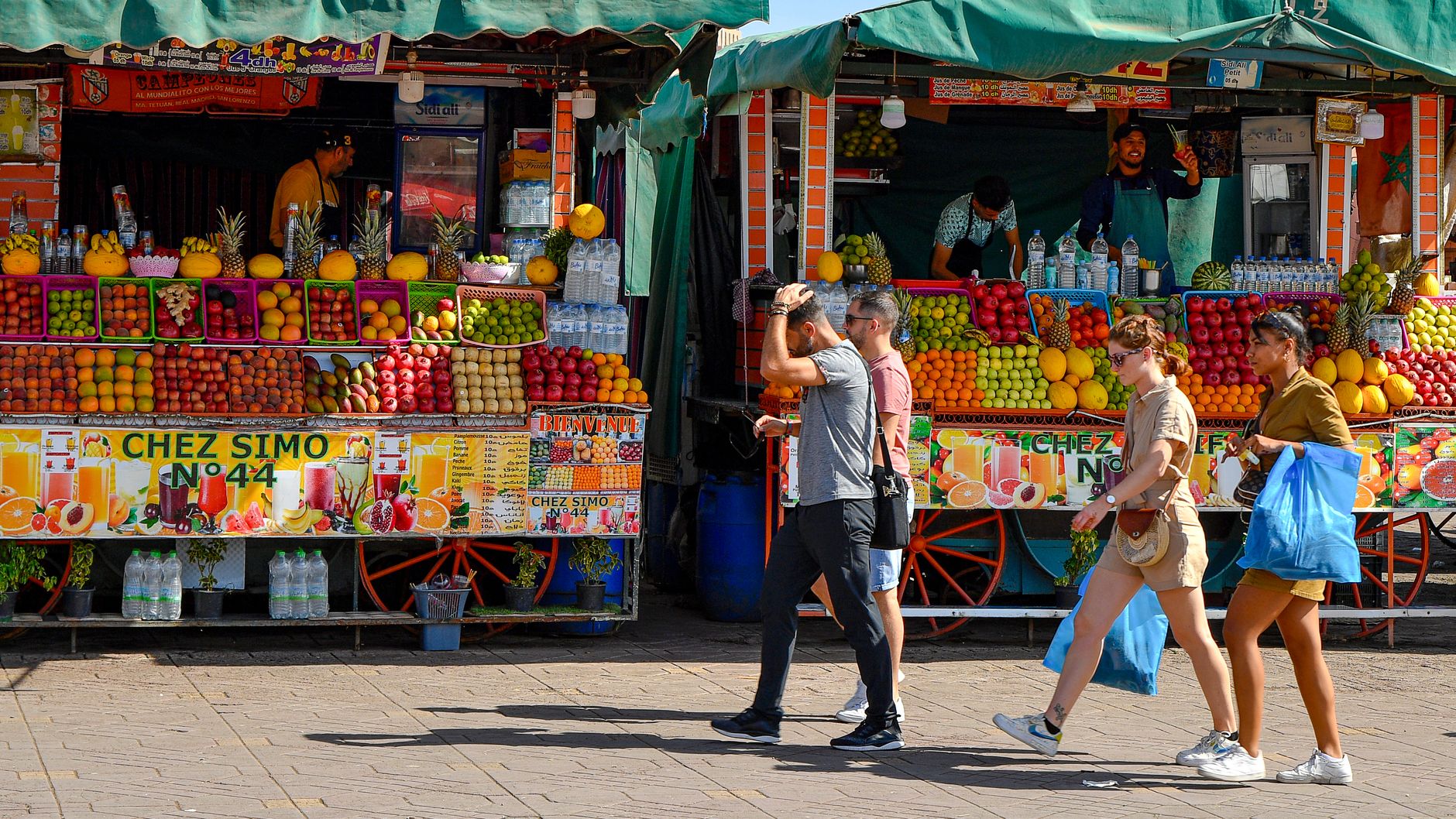
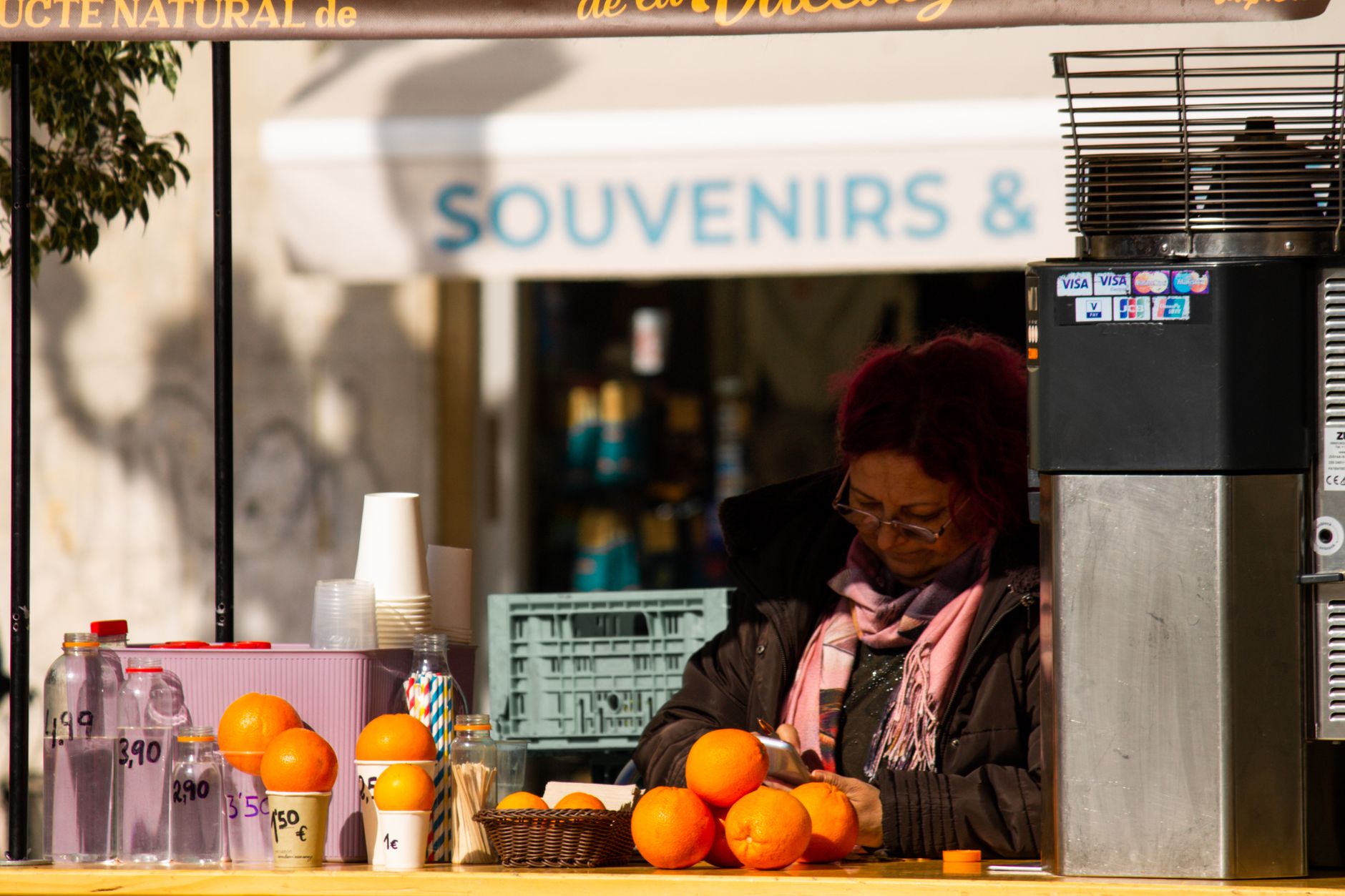
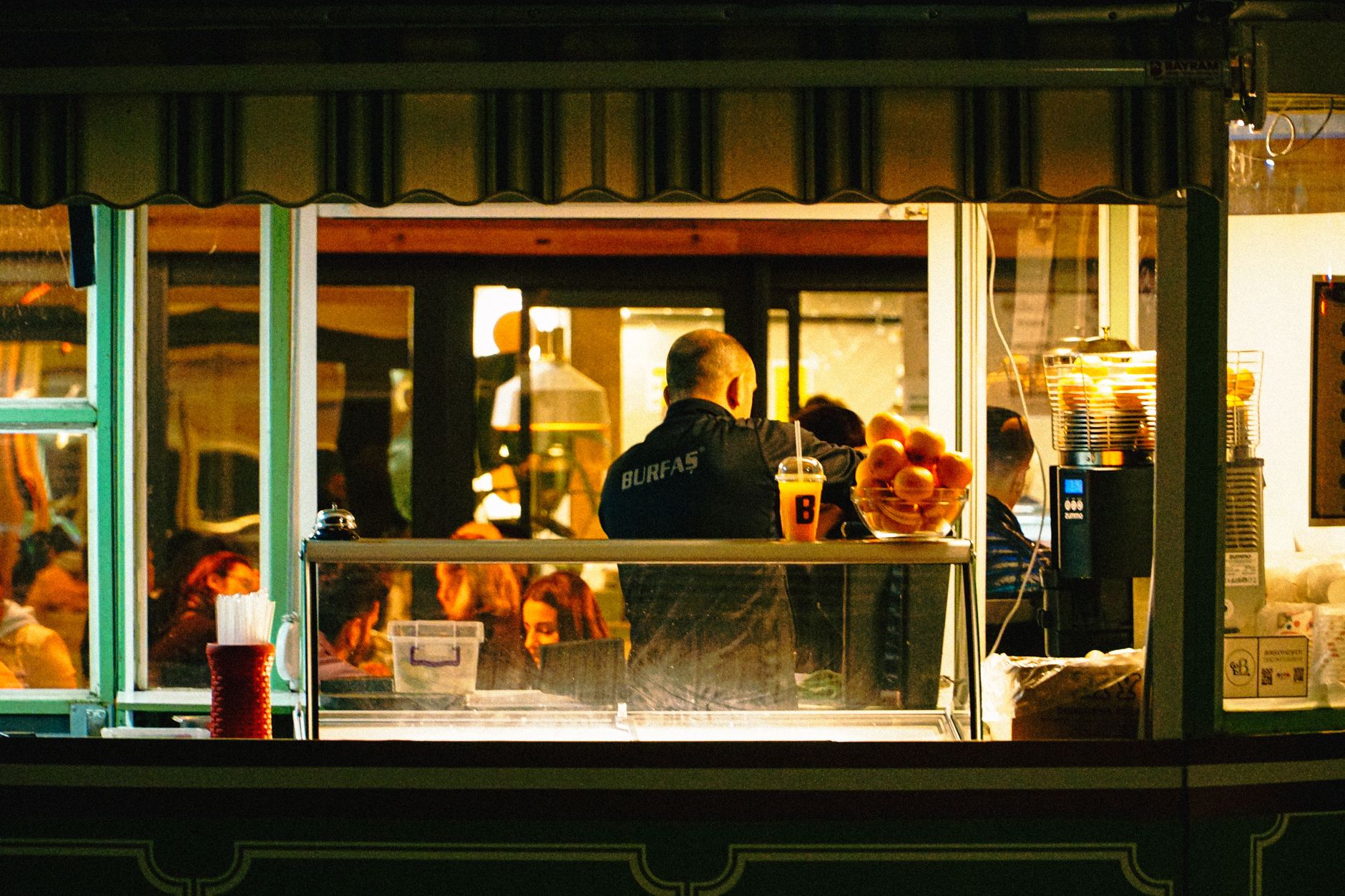
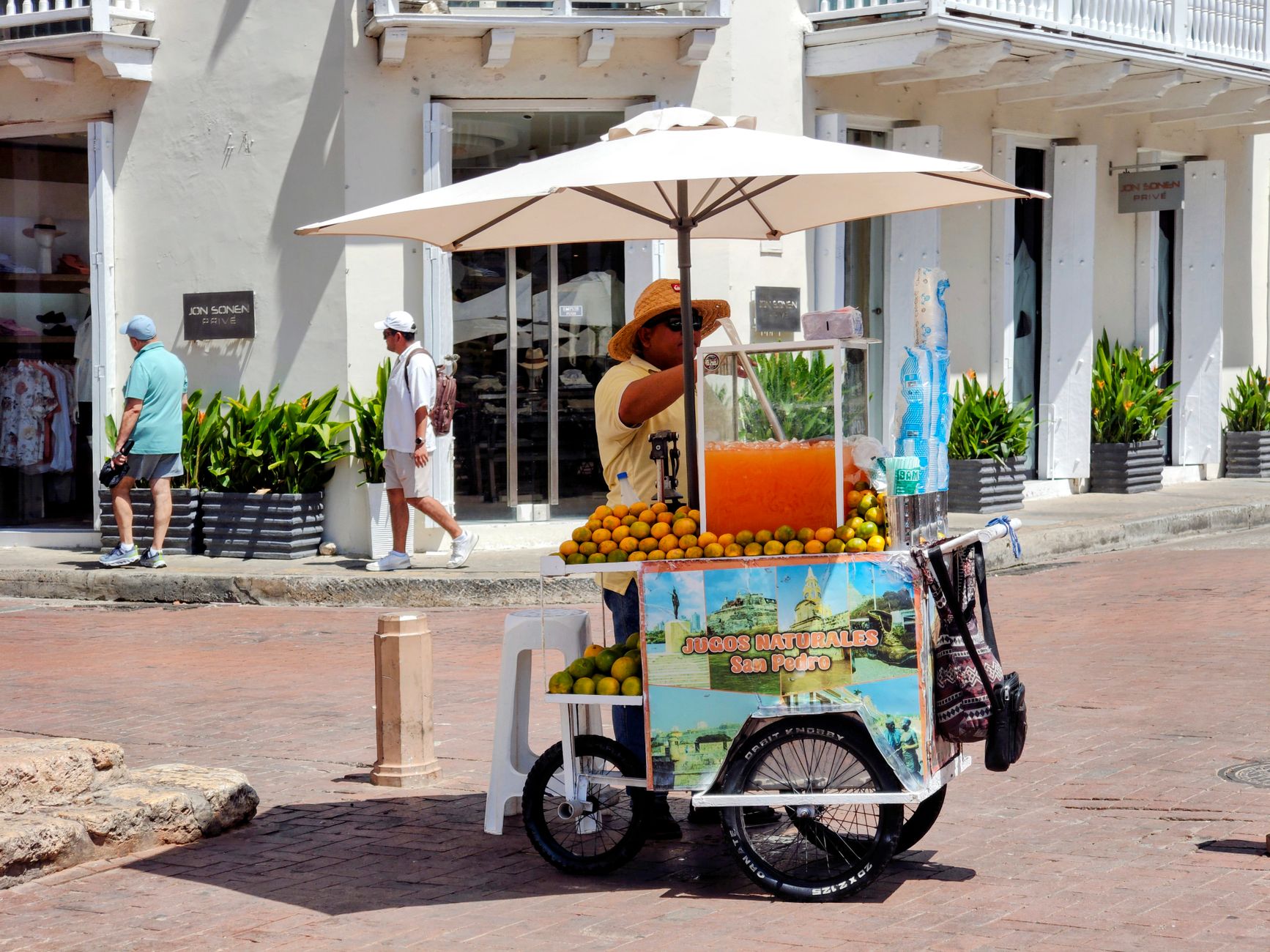
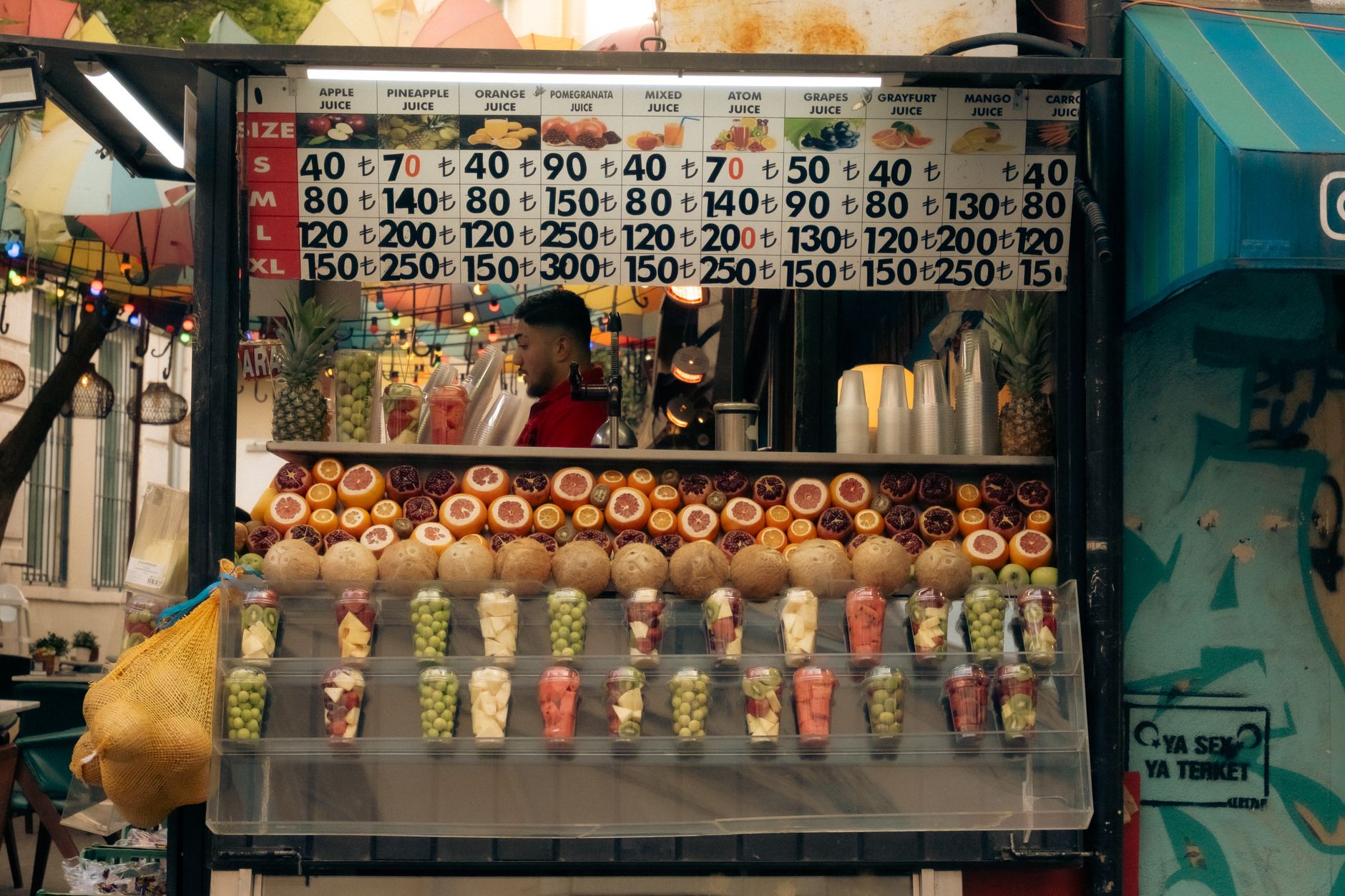
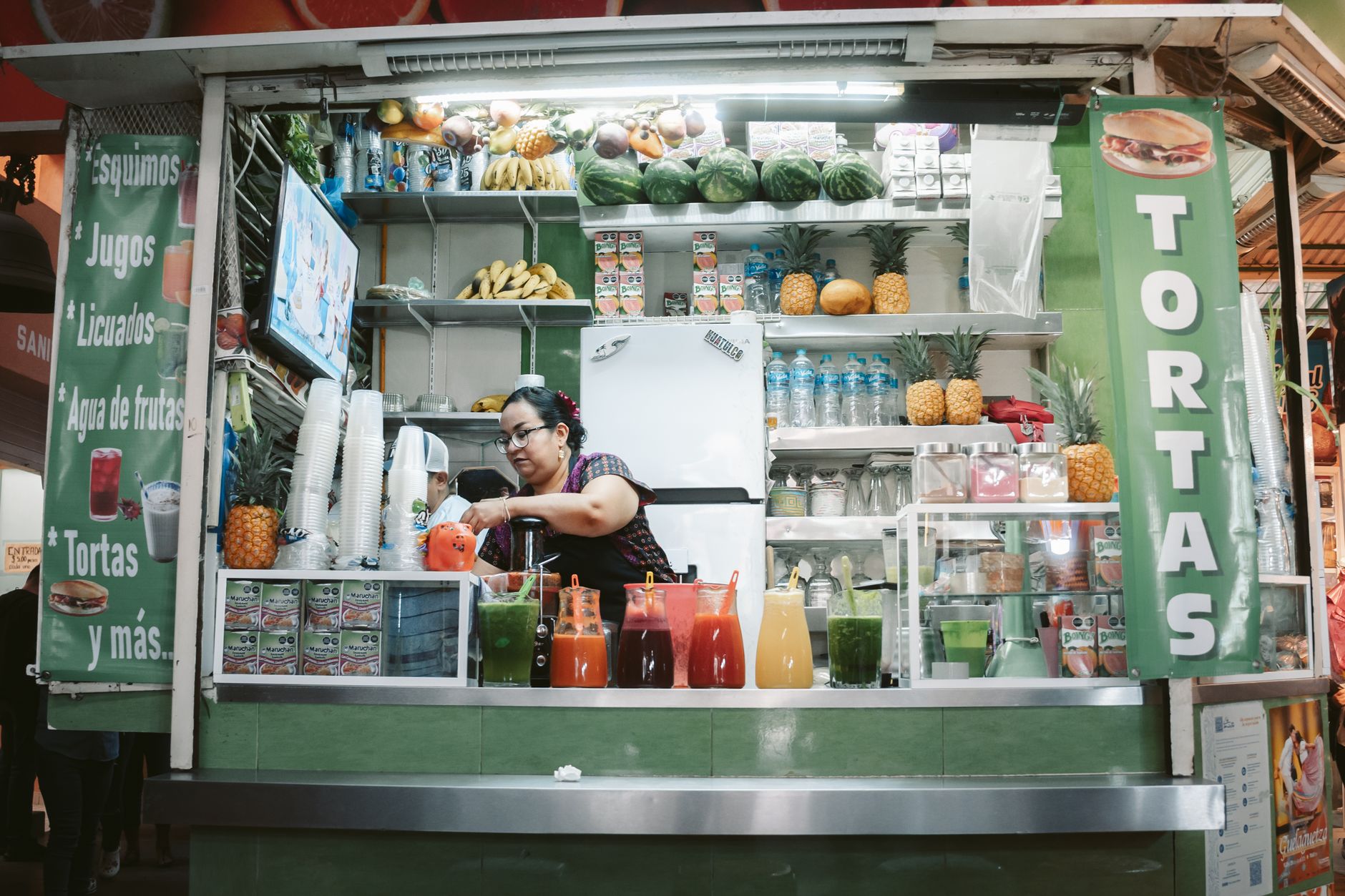
A row of wheeled wooden stalls lines the edge of Jemaa el-Fna, each one stacked with pyramids of oranges brought in from the surrounding countryside that same morning. The vendor's hands move fast — fruit halved, pressed, poured — and a glass of juice materialises in under a minute for somewhere between four and five dirhams.
These aren't permanent structures. They're more like carriages that arrived one day and never left, and they've become one of the square's most reliable anchors. While the rest of Jemaa el-Fna shifts shape from hour to hour, the juice stalls hold their ground from morning onwards, drawing locals picking up breakfast alongside anyone crossing the square mid-afternoon and needing to stop.
💛 What travellers fall for
People who come back to the square tend to treat the juice stalls as a reset point — something cold and uncomplicated between the Gnawa musicians and the Spice and Herb Vendors. The stalls near the northwestern corner, close to Café Argana, tend to be slightly less mobbed than those dead-centre. Watch the squeeze happen in front of you before you hand over your dirhams.
How Orange Juice Stalls came to be
Jemaa el-Fna dates to the founding of Marrakech in 1070 under the Almoravid dynasty, when the city was established as a political and trading centre drawing goods and people from across Africa, the Middle East, and Europe. The square has functioned as a marketplace and gathering point ever since, its character shifting across centuries while the basic premise — come here, trade, perform, eat — has remained.
In 2001, UNESCO designated Jemaa el-Fna a Masterpiece of the Oral and Intangible Heritage of Humanity, recognising not its stones but its living practices: the storytelling, the music, the food. The juice stalls sit squarely within that tradition, even if no one recorded the exact moment they first appeared.
Who and what shaped it
Landmark buildings
Plan your visit
On the map
When to go
Spring (March to May) and autumn (September to November) are the most comfortable times to stand at a stall in direct sun, with daytime temperatures between 20°C and 32°C. In July and August the square regularly hits 40°C, so morning visits make more sense than midday ones.
Background & history adapted from Wikipedia (CC BY-SA) · specs from Wikidata (CC0) · weather from Open-Meteo · map data © OpenStreetMap contributors · photos from Wikimedia Commons / Unsplash with per-image credit. No third-party reviews or social posts reproduced.