
Gnawa Musicians Area
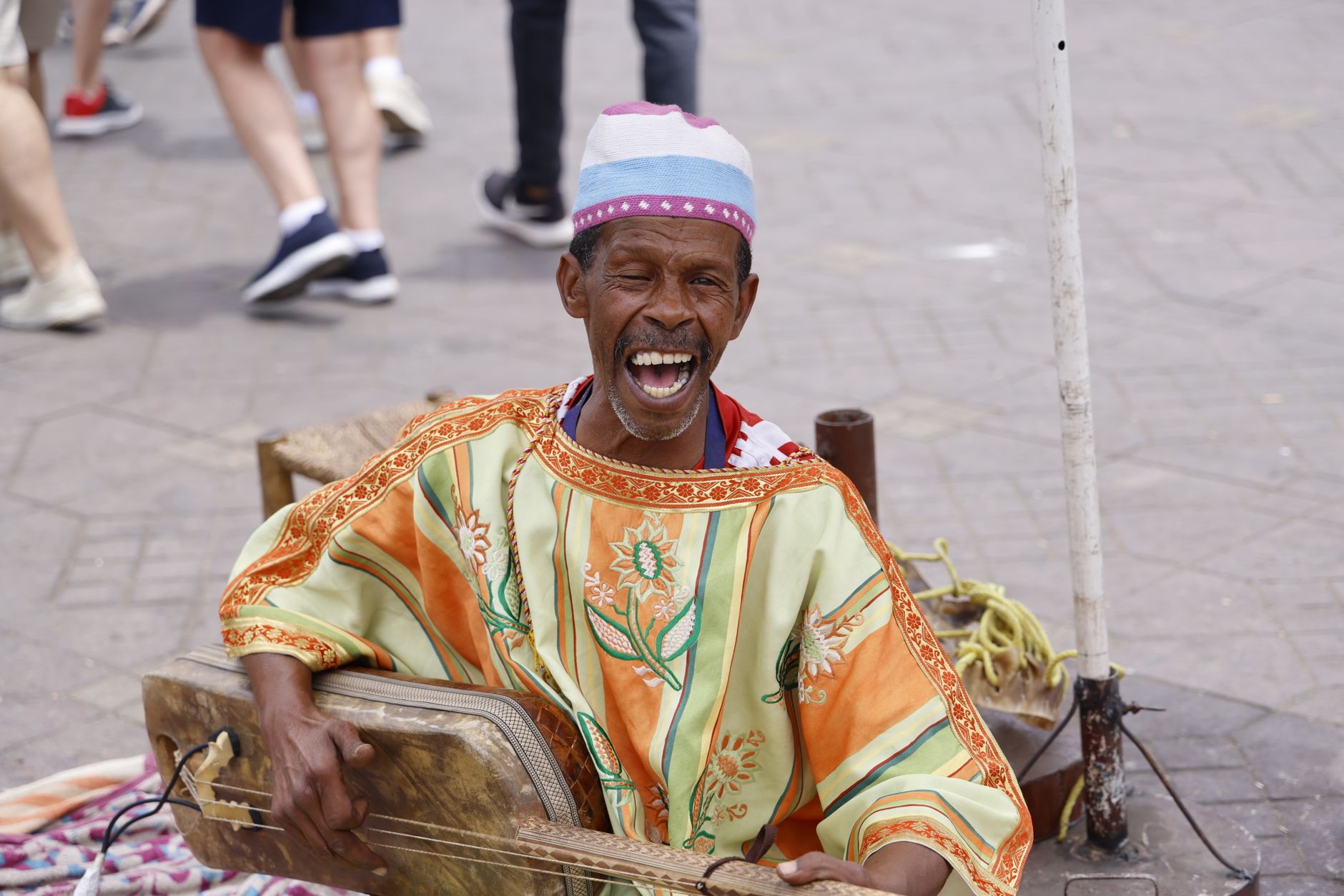
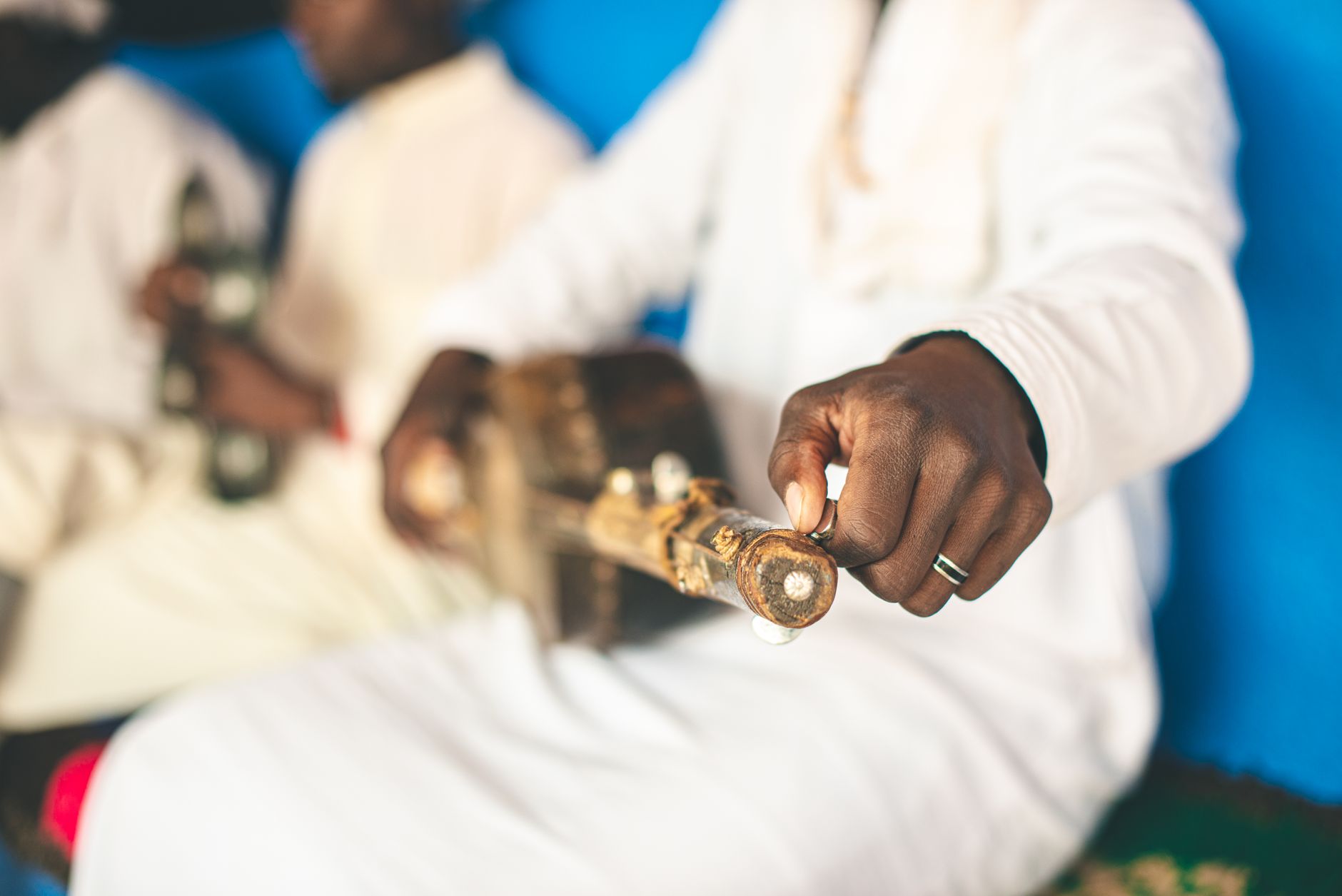
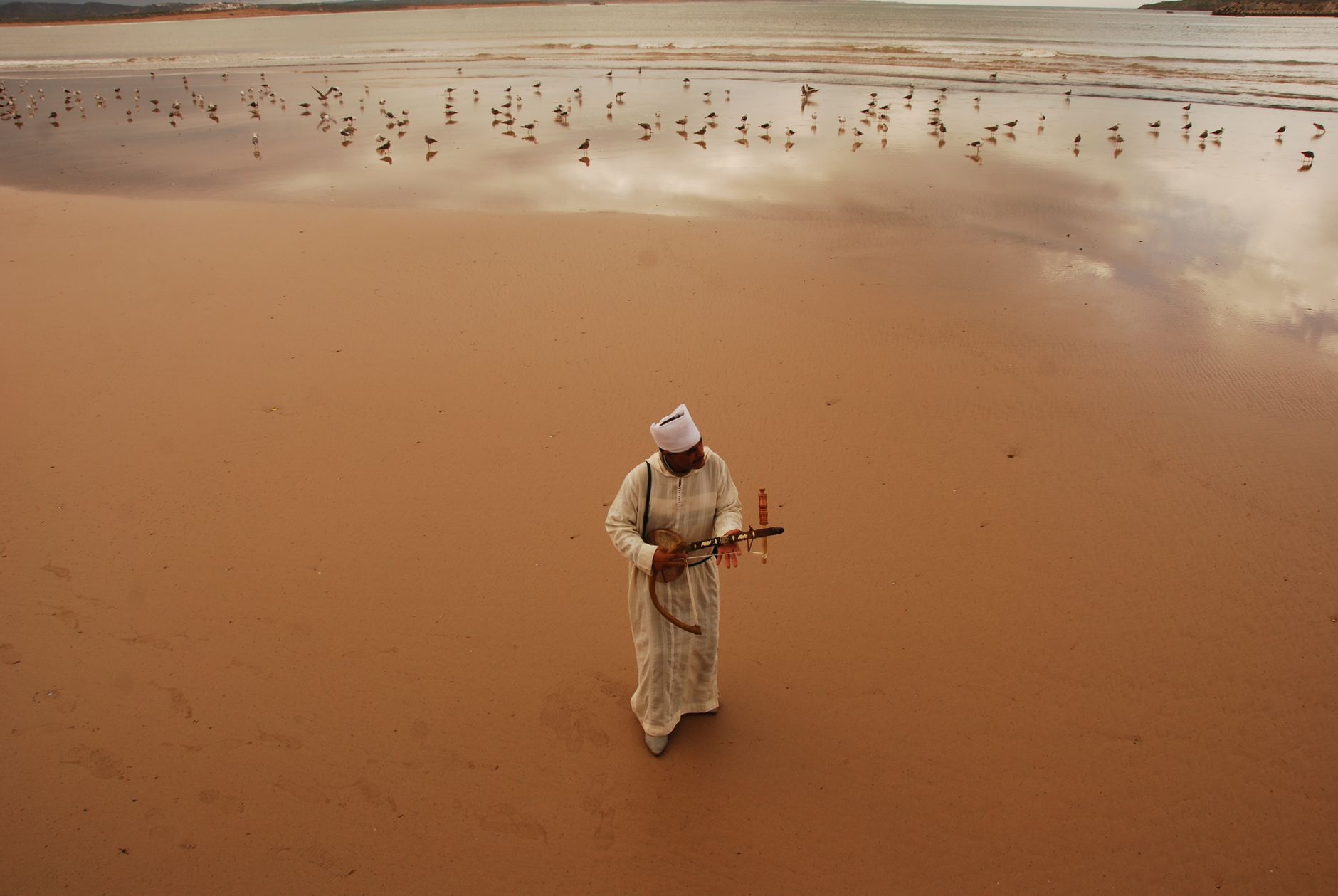
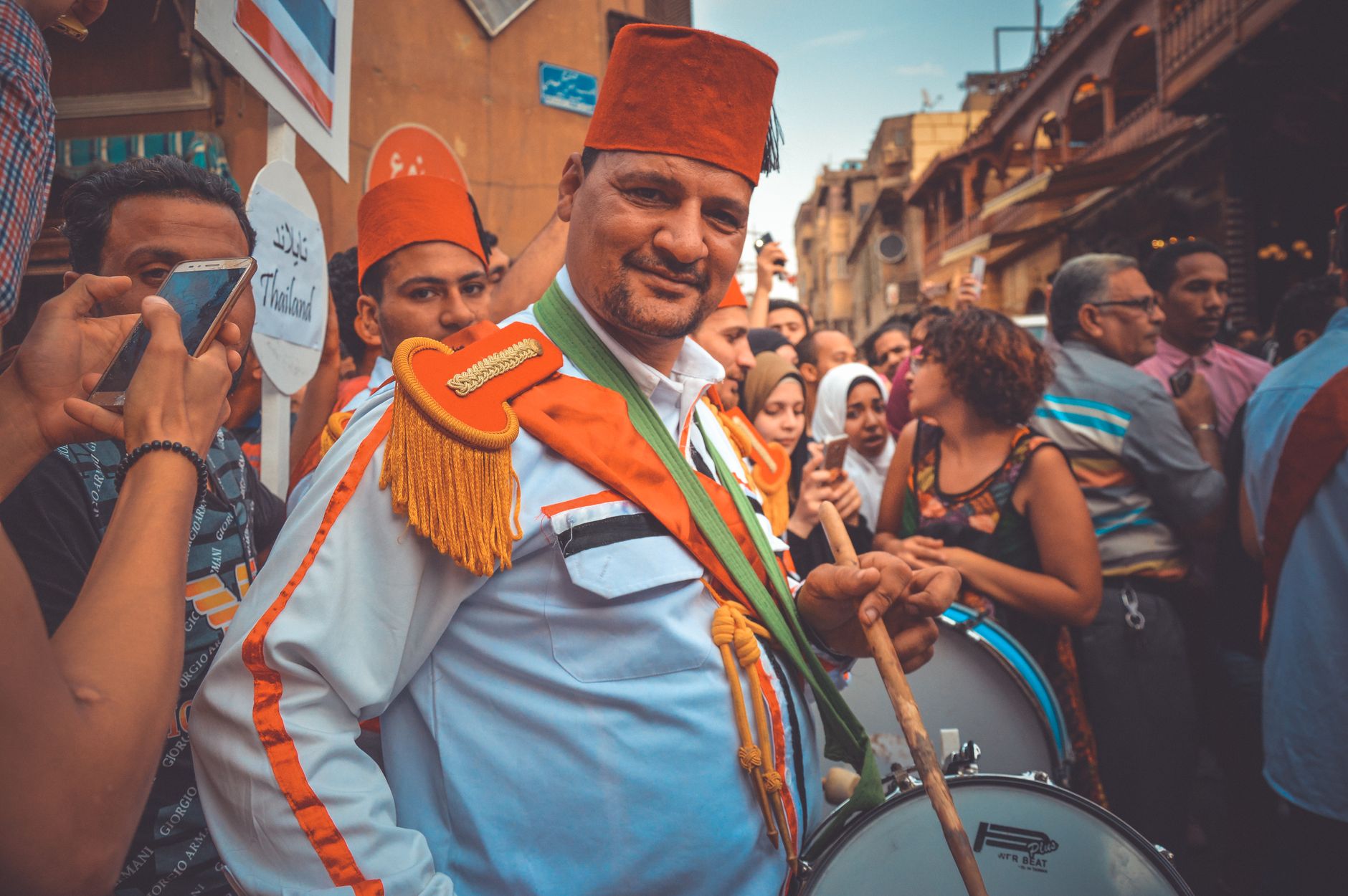
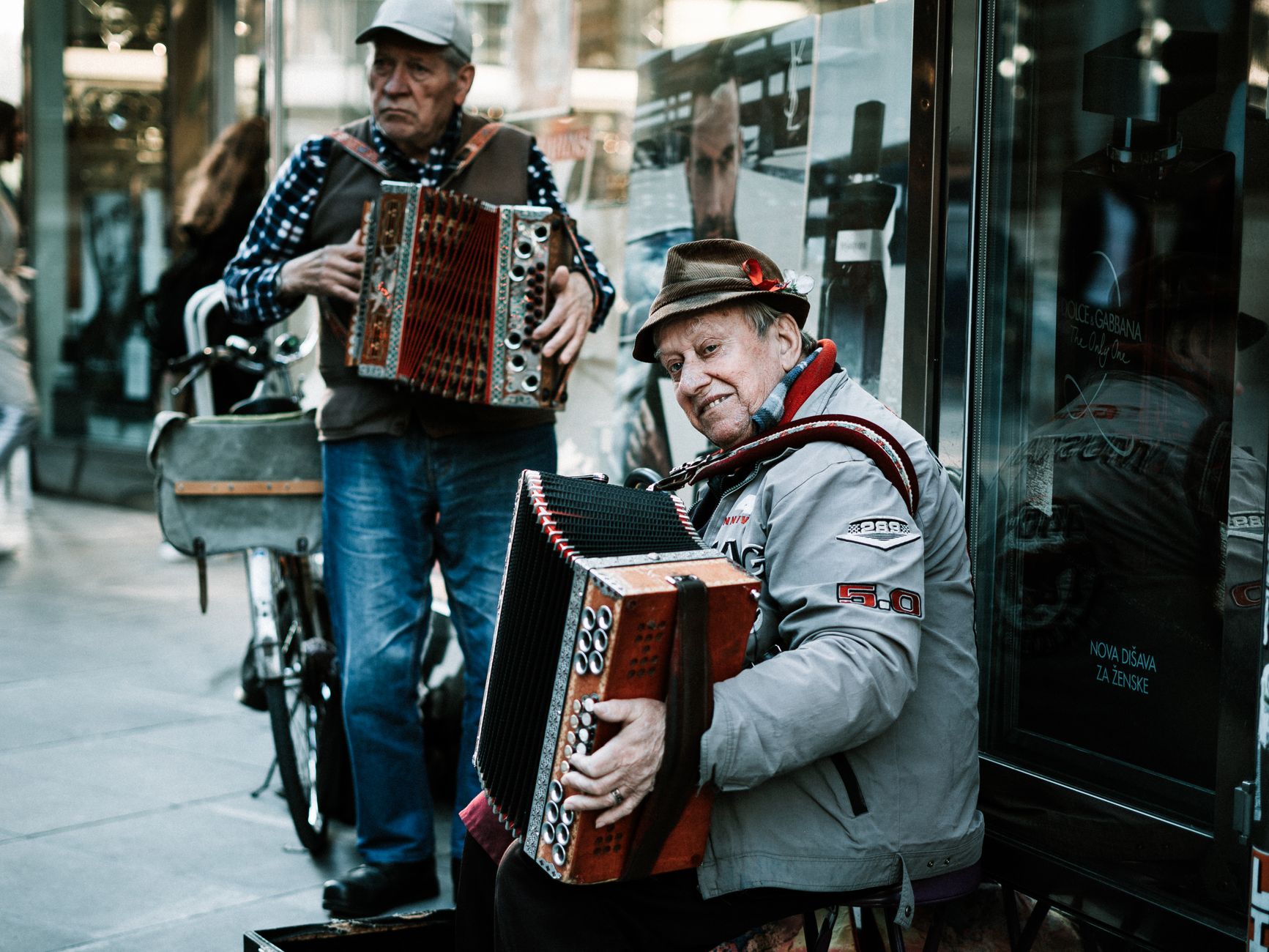
The sound reaches you before the sight does — a low, hypnotic pulse of iron castanets called qraqeb, layered over the deep drone of a three-stringed guembri bass. Follow it across the square and you'll find a circle of onlookers around a maâlem and his chorus, performing in the tradition that West African communities brought to Morocco centuries ago.
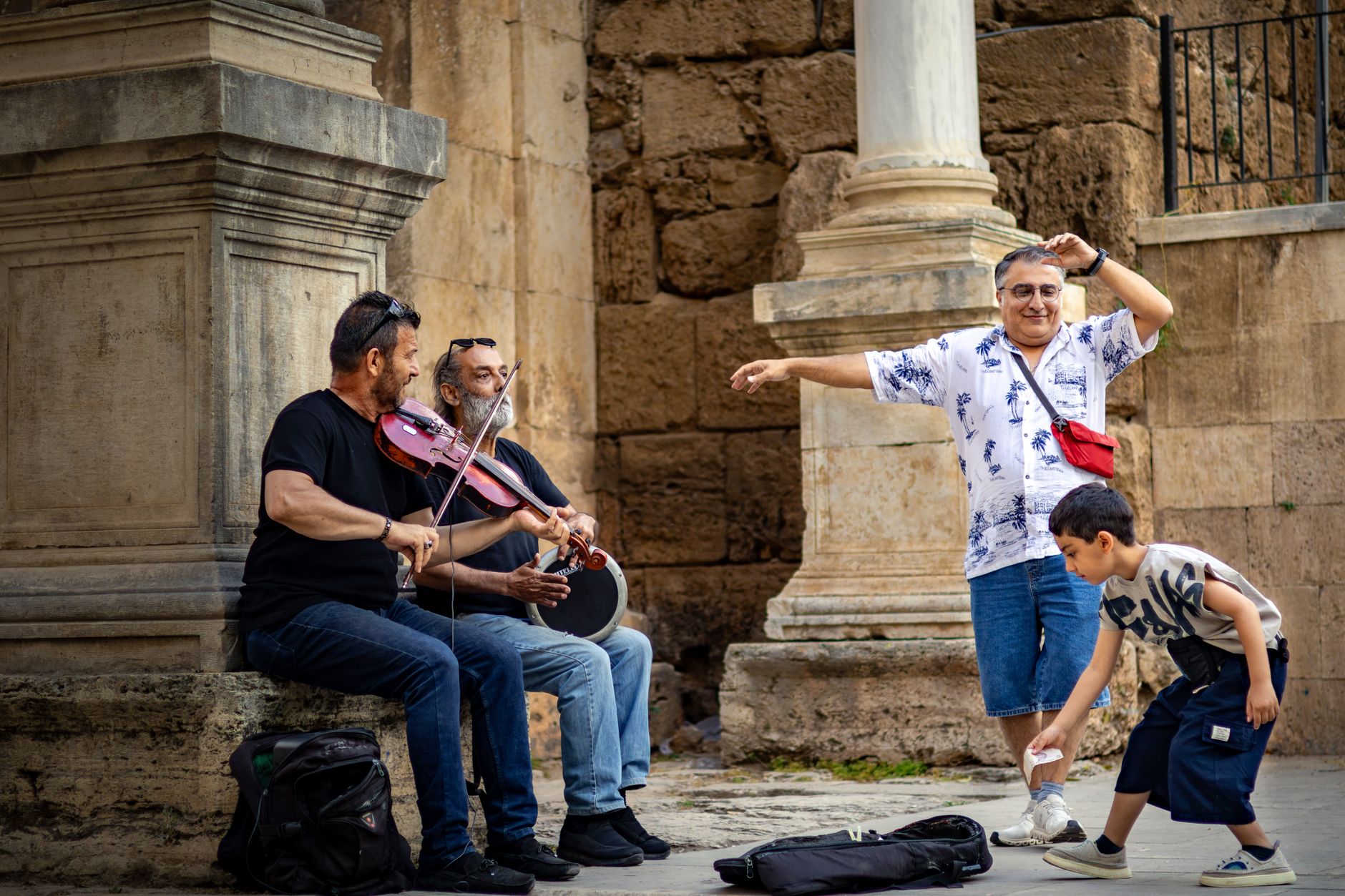
The Gnawa musicians occupy their own loosely defined territory within Jemaa el-Fna, distinct from the acrobats and the food smoke. They perform most nights, and a 20–50 MAD tip buys you a song and, if you stay long enough, the sense that the square has shifted registers entirely.
💛 What travellers fall for
People who return tend to say the same thing: come after sunset, around 8 or 9 PM, when the circle has had time to form properly and the maâlem has settled into the longer patterns. Arriving early in the evening means catching the setup; arriving late means the music is already deep in.
How Gnawa Musicians Area came to be
The Gnawa tradition traces its roots to West and sub-Saharan African communities — among them the Hausa, Fulani, and Bambara peoples — brought to Morocco from around the 11th century onward, with further movement through the 16th and 17th centuries. Their music, built around the guembri and the iron qraqeb castanets, developed into a distinct spiritual and ceremonial practice, the lila, used for healing rituals.
Jemaa el-Fna itself has served as Marrakech's central public space since the city's founding under the Almoravid dynasty in the 11th century. UNESCO recognized the square as a Masterpiece of Oral and Intangible Heritage in 2001, and Gnawa music was separately inscribed on UNESCO's Representative List of Intangible Cultural Heritage of Humanity in 2019.
Who and what shaped it
People who shaped it
Landmark buildings
See Gnawa Musicians Area in motion
Plan your visit
On the map
When to go
Spring (March to May) and autumn (September to November) offer the most comfortable evenings on the square, with temperatures between roughly 22°C and 32°C. Summer nights are warm and theatrical but can still exceed 35°C well after dark; winter evenings drop sharply, sometimes below 5°C, so a layer matters more than you'd expect.
Right now
Background & history adapted from Wikipedia (CC BY-SA) · specs from Wikidata (CC0) · weather from Open-Meteo · map data © OpenStreetMap contributors · photos from Wikimedia Commons / Unsplash with per-image credit. No third-party reviews or social posts reproduced.