
Acrobats Performance Zone
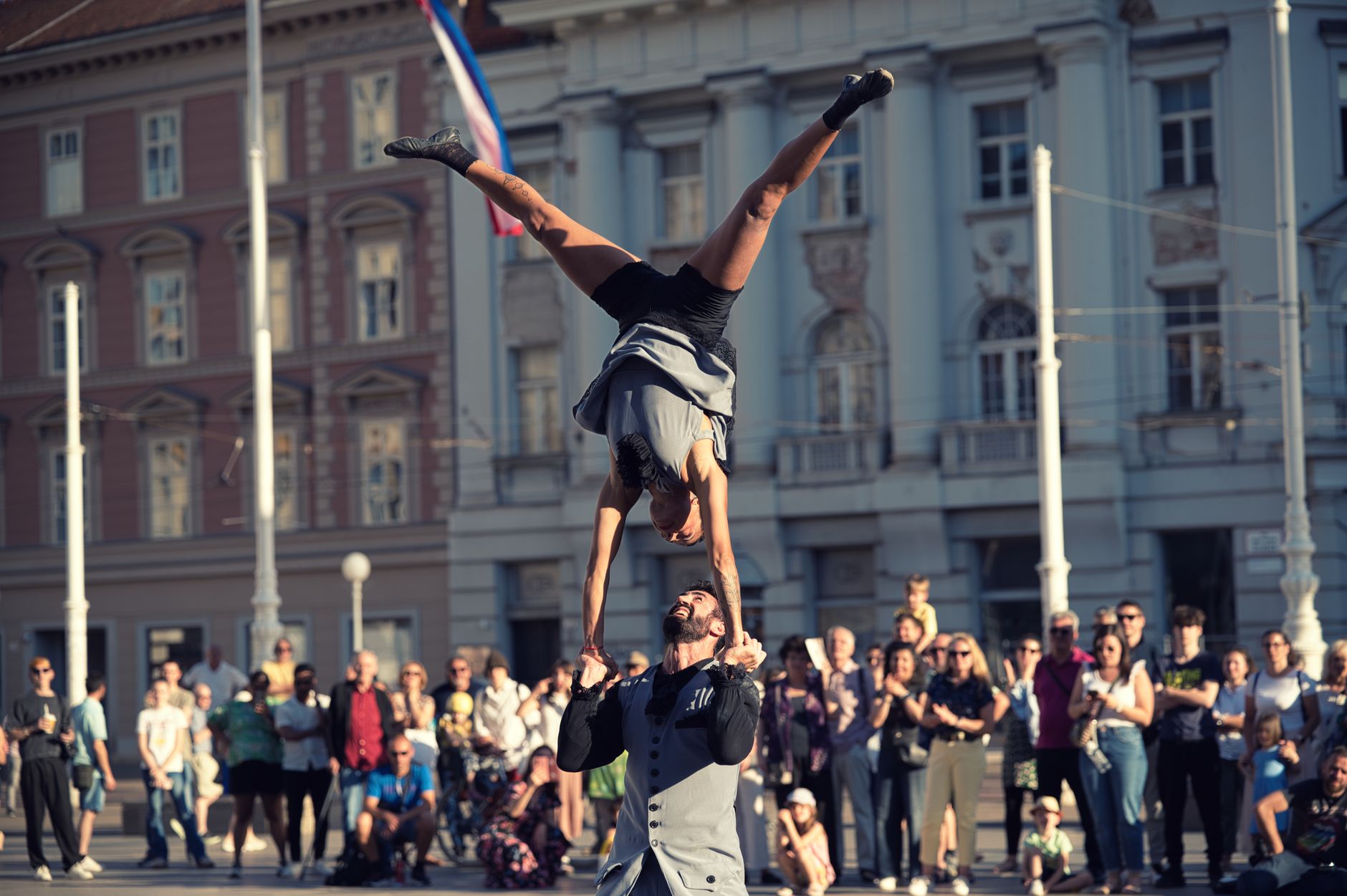
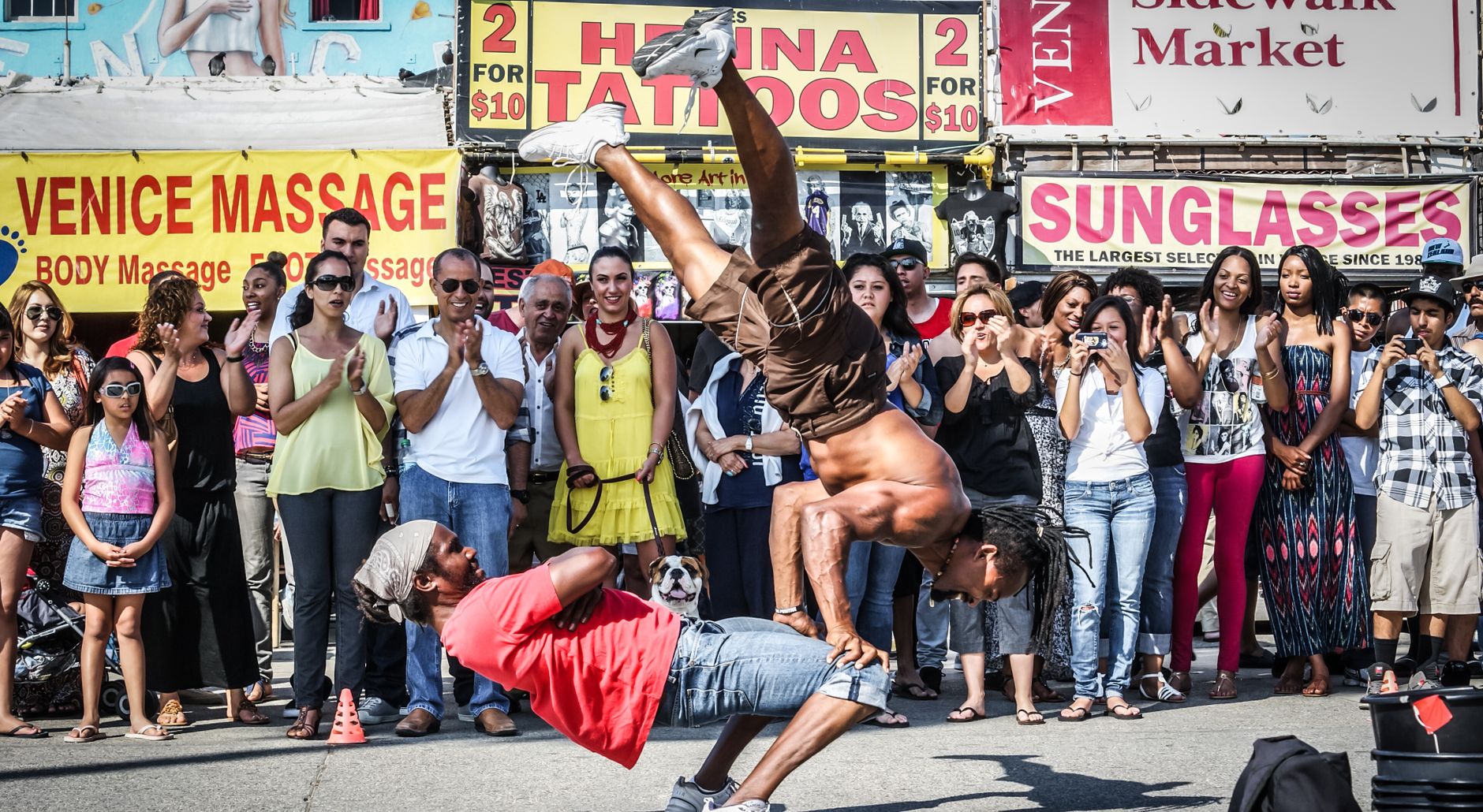
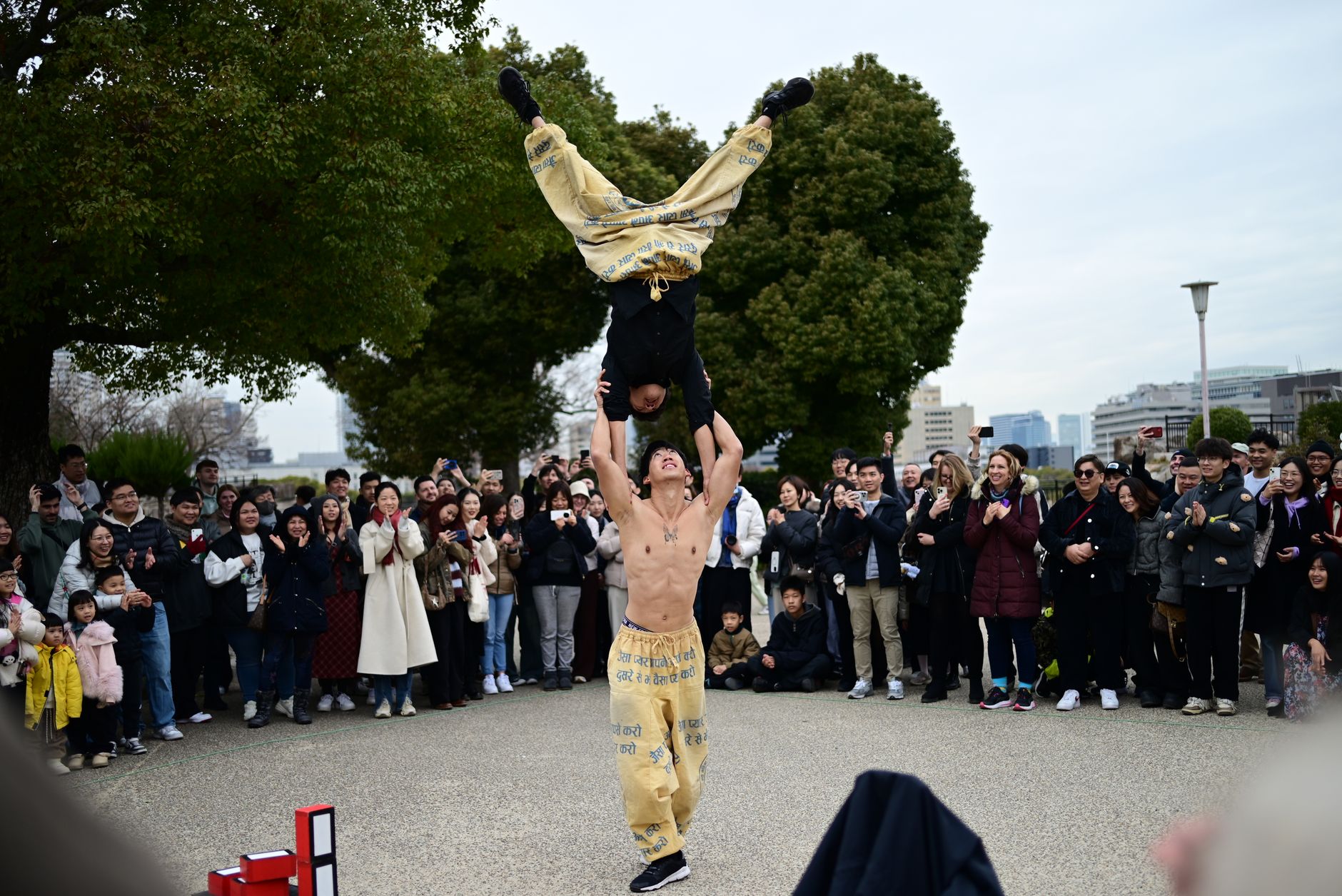
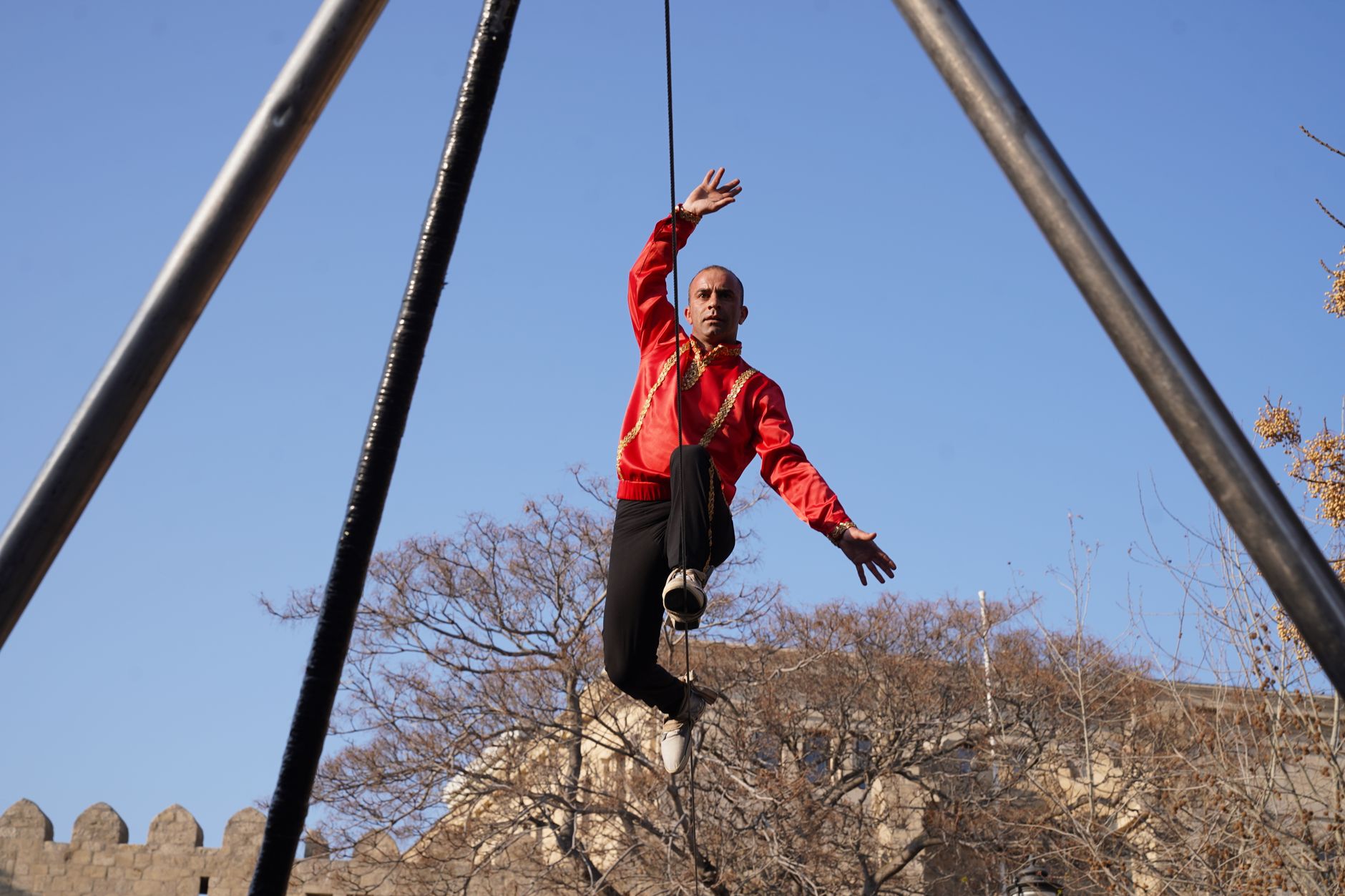
Sometime around midday, a drum starts and a circle forms. By the time you've registered what's happening, a boy is already airborne — flipping clean over a human pyramid while the crowd closes in around him. This is the acrobats' zone, an unmarked patch of open ground in Jemaa el-Fna where troupes — many of them brothers, or fathers and sons from the Anti-Atlas mountains near Tiznit — run through tumbling sequences and stacked formations that have been passed down through family lines for generations.
There's no stage, no barrier, no programme. The performance radius is defined entirely by the crowd, which contracts and expands with each new trick. You're both audience and architecture here.
💛 What travellers fall for
People who come back say the same thing: go twice. The morning version of this zone is quieter — good for watching without the press of bodies. Return at sunset, when the light drops and the drumming gets louder, and you're seeing a different performance entirely. Have small change ready — 10 to 20 MAD per person is the understood contribution.
How Acrobats Performance Zone came to be
Jemaa el-Fna has been the public heart of Marrakech since the Almoravids founded the city in 1062. Its name — often translated as 'assembly of the dead' or 'mosque of annihilation' — is thought to derive from an unfinished Friday mosque begun by the Saadian sultan Ahmad al-Mansur (ruled 1578–1603) and later abandoned, leaving the square to its more secular purpose as a gathering ground.
For centuries, the square functioned as a living public forum — a place for storytellers, traders, and performers to hold court in the halqa, those open circles where proverbs, history, and social commentary circulated without being written down. UNESCO recognised this tradition as Intangible Cultural Heritage in 2001. The square itself has been a protected urban landmark since 1922.
Who and what shaped it
Landmark buildings
See Acrobats Performance Zone in motion
Plan your visit
On the map
When to go
Spring (March to May) and autumn (late September to November) are the most comfortable seasons — daytime temperatures sit between 20°C and 28°C in spring, cooling gradually through autumn. Summer afternoons push 35–40°C, which makes the open square punishing; if you're visiting then, save the acrobats for the hour before sunset. Winter days are mild, but nights drop sharply, sometimes below 5°C.
Right now
Background & history adapted from Wikipedia (CC BY-SA) · specs from Wikidata (CC0) · weather from Open-Meteo · map data © OpenStreetMap contributors · photos from Wikimedia Commons / Unsplash with per-image credit. No third-party reviews or social posts reproduced.