
Storytellers Circle
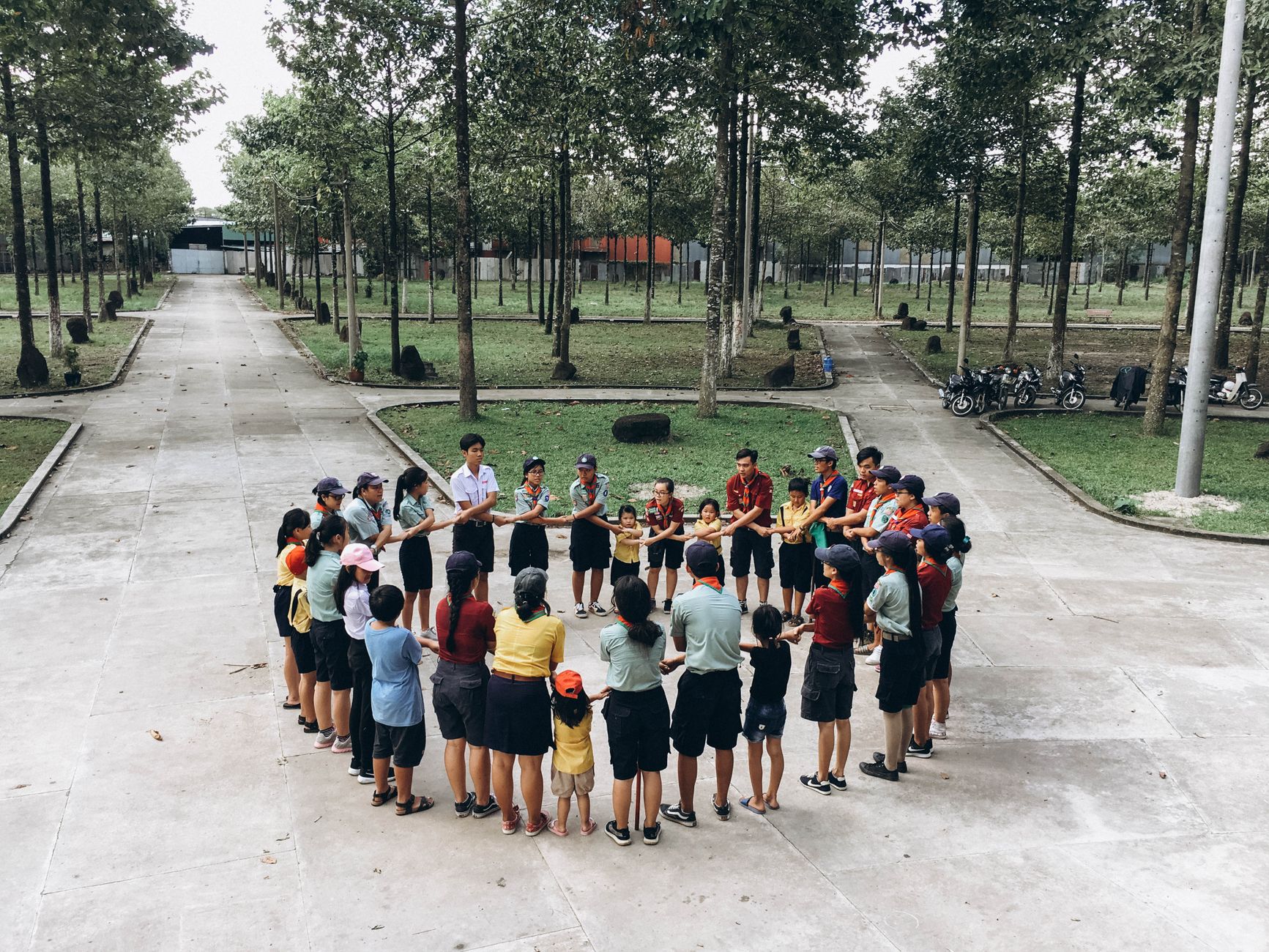
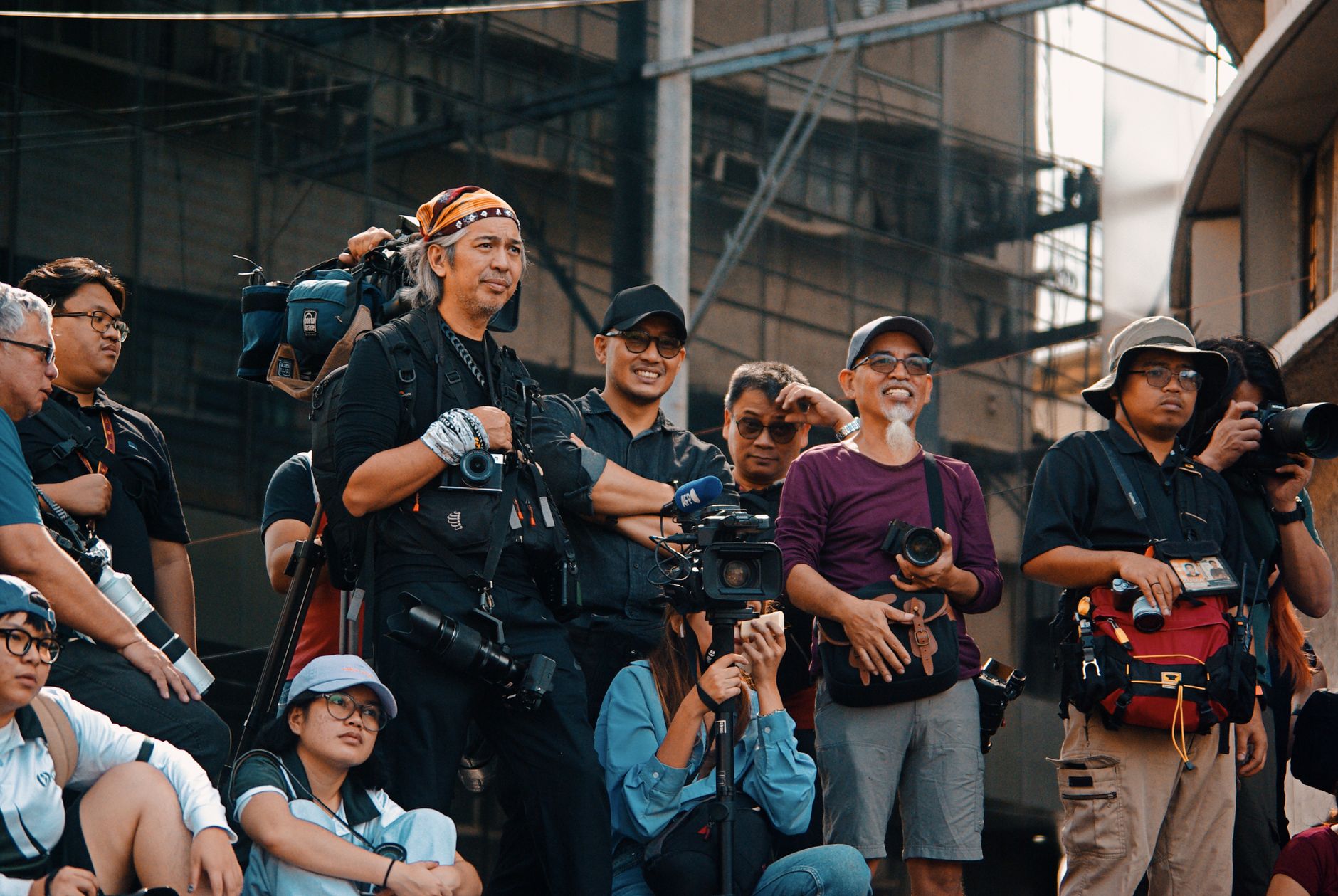
Somewhere in the open expanse of Jemaa el-Fna, a circle forms without announcement. People drift toward a voice — a man or woman at the centre, hands moving, pausing, dropping low — and the crowd tightens. This is the halqa, the ring of listeners that has been closing around storytellers here since the eleventh century. The tales come in Darija, Moroccan Arabic, so the words may escape you, but the architecture of a good story doesn't: the build, the pivot, the held breath before the punchline.
The storytellers typically appear between the third and fourth calls to prayer — Al Asr and Al Maghreb — working a narrow window of roughly three hours before the food stalls claim the square entirely. That afternoon light is worth timing for on its own.
💛 What travellers fall for
People who keep coming back tend to find Abdelilah Amal or Mostafa Dardak first — both have held their circles for over twenty-five years, and the crowd around them has a different quality, more settled, more attentive. Bochra Laghssais, one of Hajj Ahmed Ezzarghani's apprentices, has built her own following and is worth seeking out specifically.
How Storytellers Circle came to be
Marrakech was founded around 1070 by the Almoravid ruler Youssef Ibn Tachfin, and the storytelling tradition on Jemaa el-Fna dates to that same century — making the halqa one of the oldest continuous performance forms in North Africa. The square itself carries an unfinished monument at its edge: the Saadian sultan Ahmad al-Mansur, who ruled from 1578 to 1603, began construction of a grand Friday mosque in the centre of the square but abandoned it, most likely due to plague outbreaks.
In 2001, UNESCO named Jemaa el-Fna the first place ever to receive Masterpiece of the Oral and Intangible Heritage of Humanity status — a recognition aimed squarely at the storytellers, musicians, and performers who have kept the square alive as a human gathering rather than a monument.
Who and what shaped it
People who shaped it
Plan your visit
On the map
When to go
Spring (March to May) and autumn (September to November) offer the most comfortable conditions — warm without the intensity of summer, when July and August temperatures can push past 40°C. If you visit in summer, the late-afternoon storytelling window actually works in your favour: the worst heat has passed by the time the halqa forms.
Right now
Background & history adapted from Wikipedia (CC BY-SA) · specs from Wikidata (CC0) · weather from Open-Meteo · map data © OpenStreetMap contributors · photos from Wikimedia Commons / Unsplash with per-image credit. No third-party reviews or social posts reproduced.