
Monkey Handlers Zone
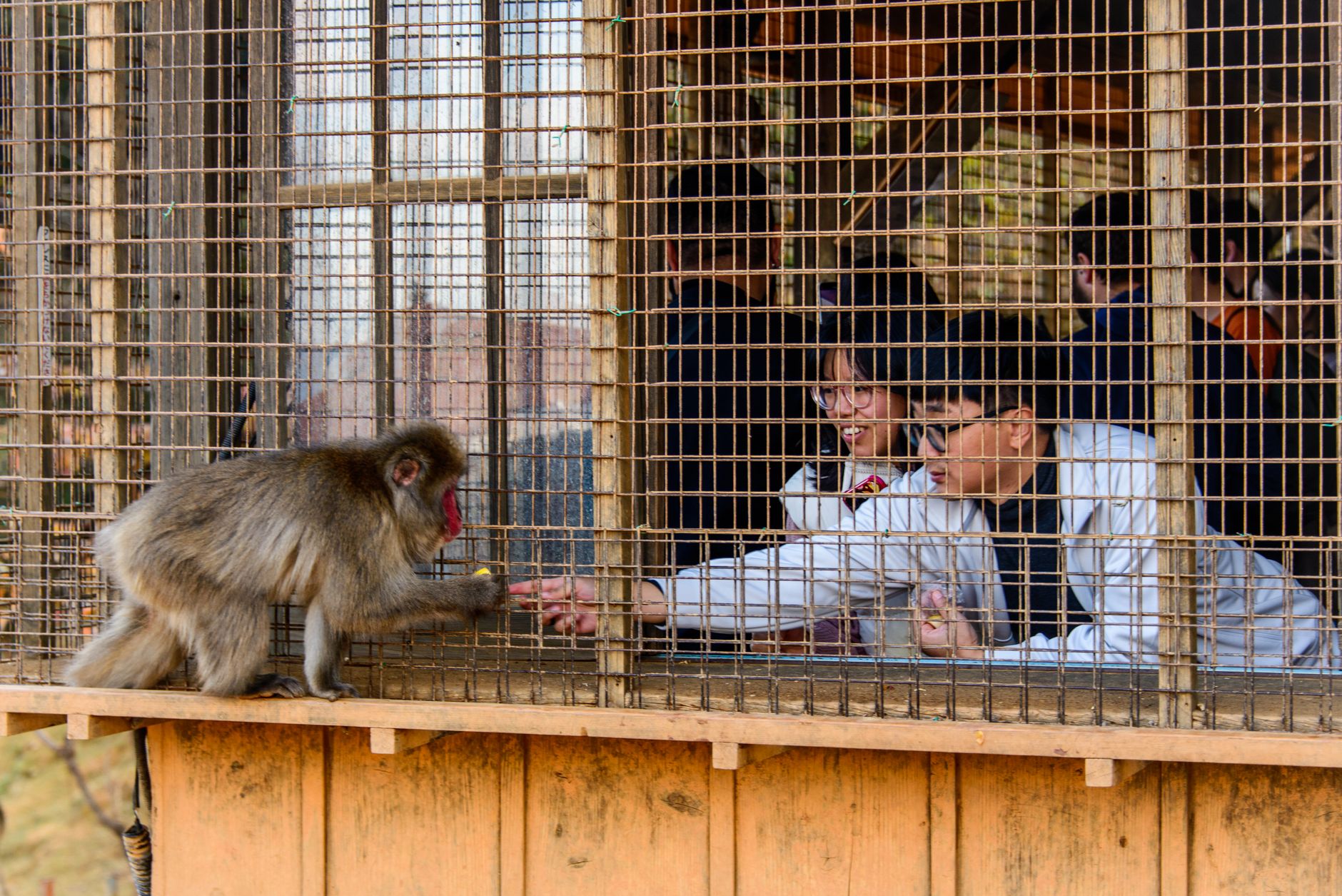
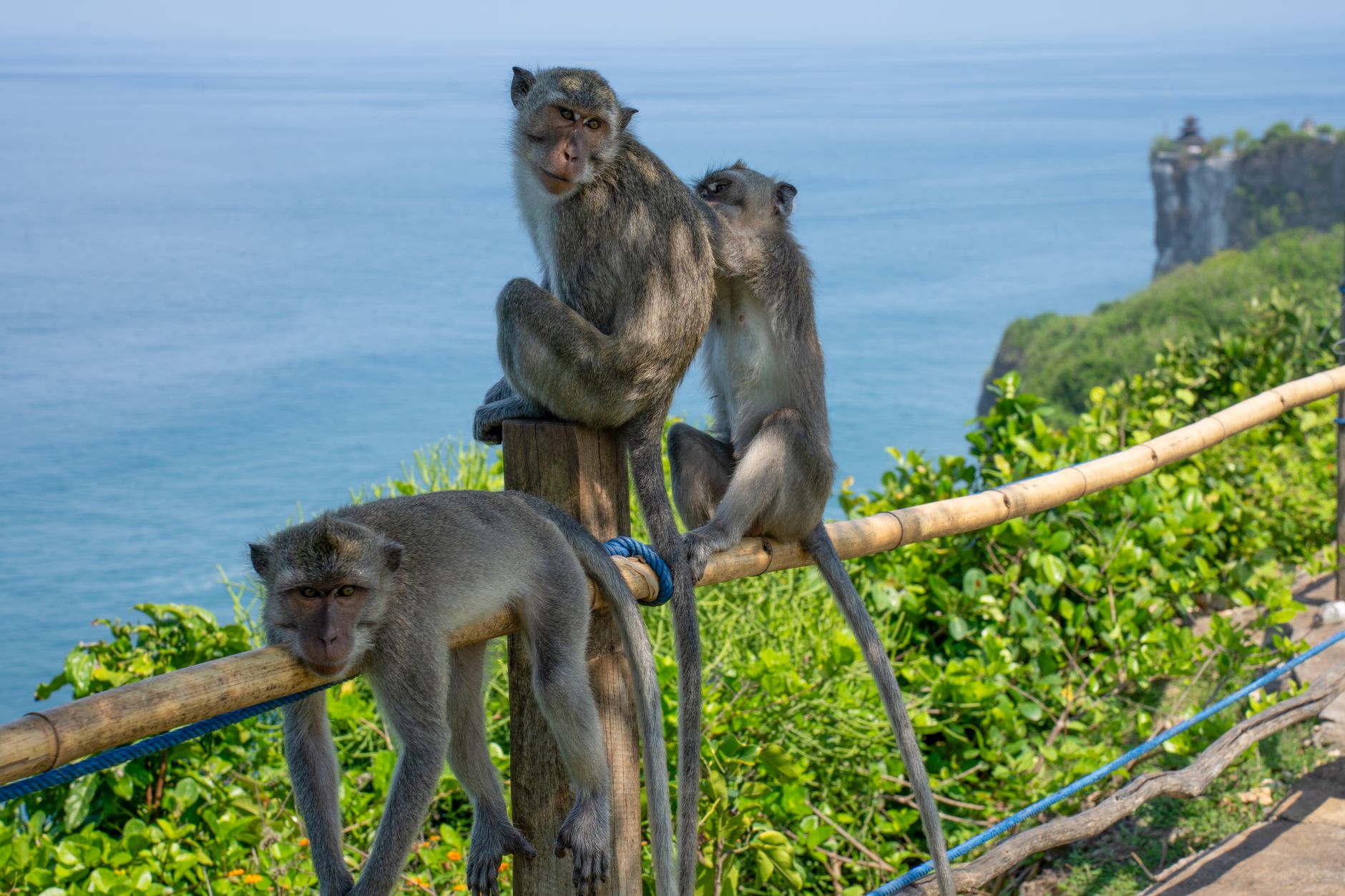
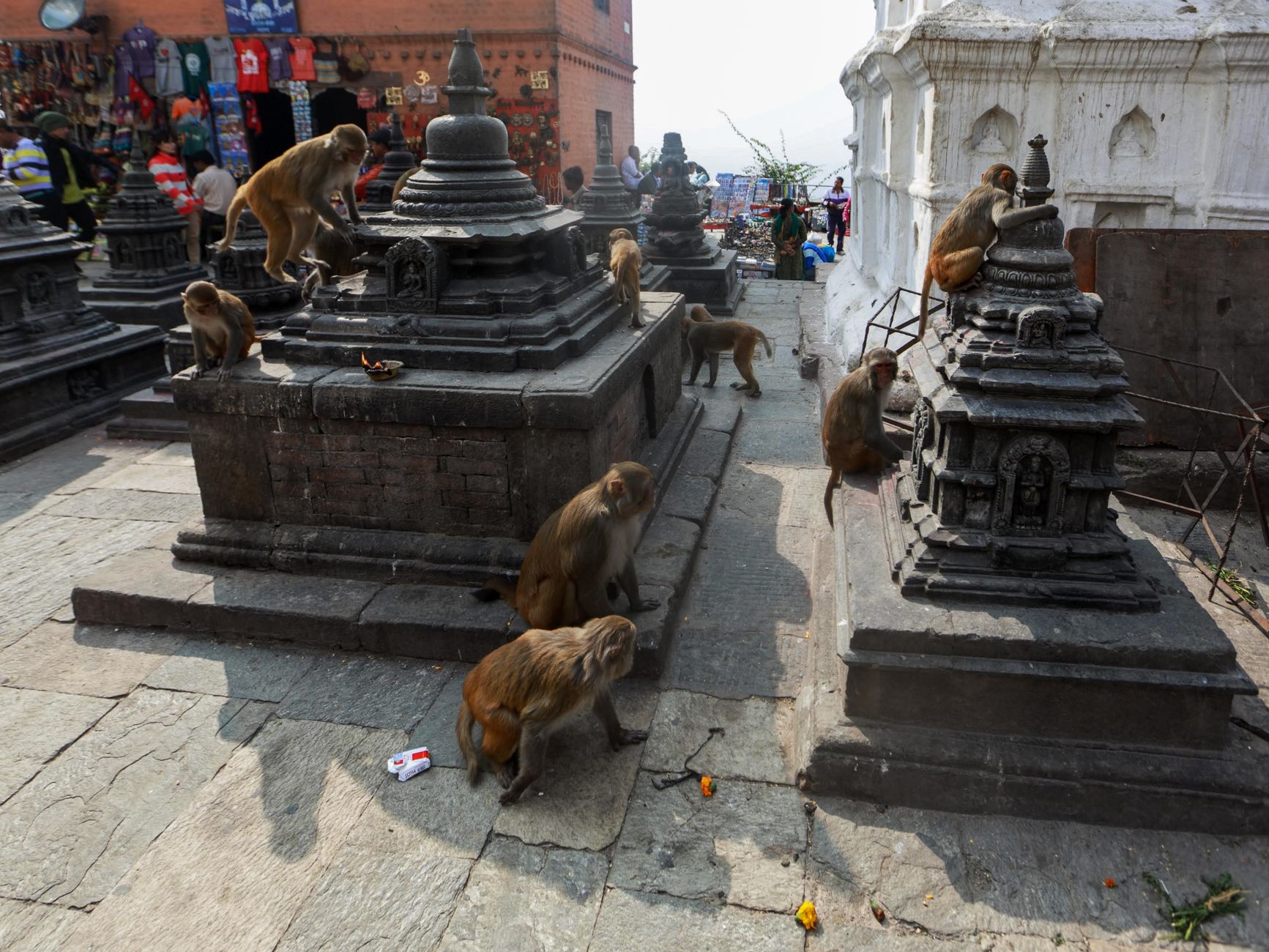
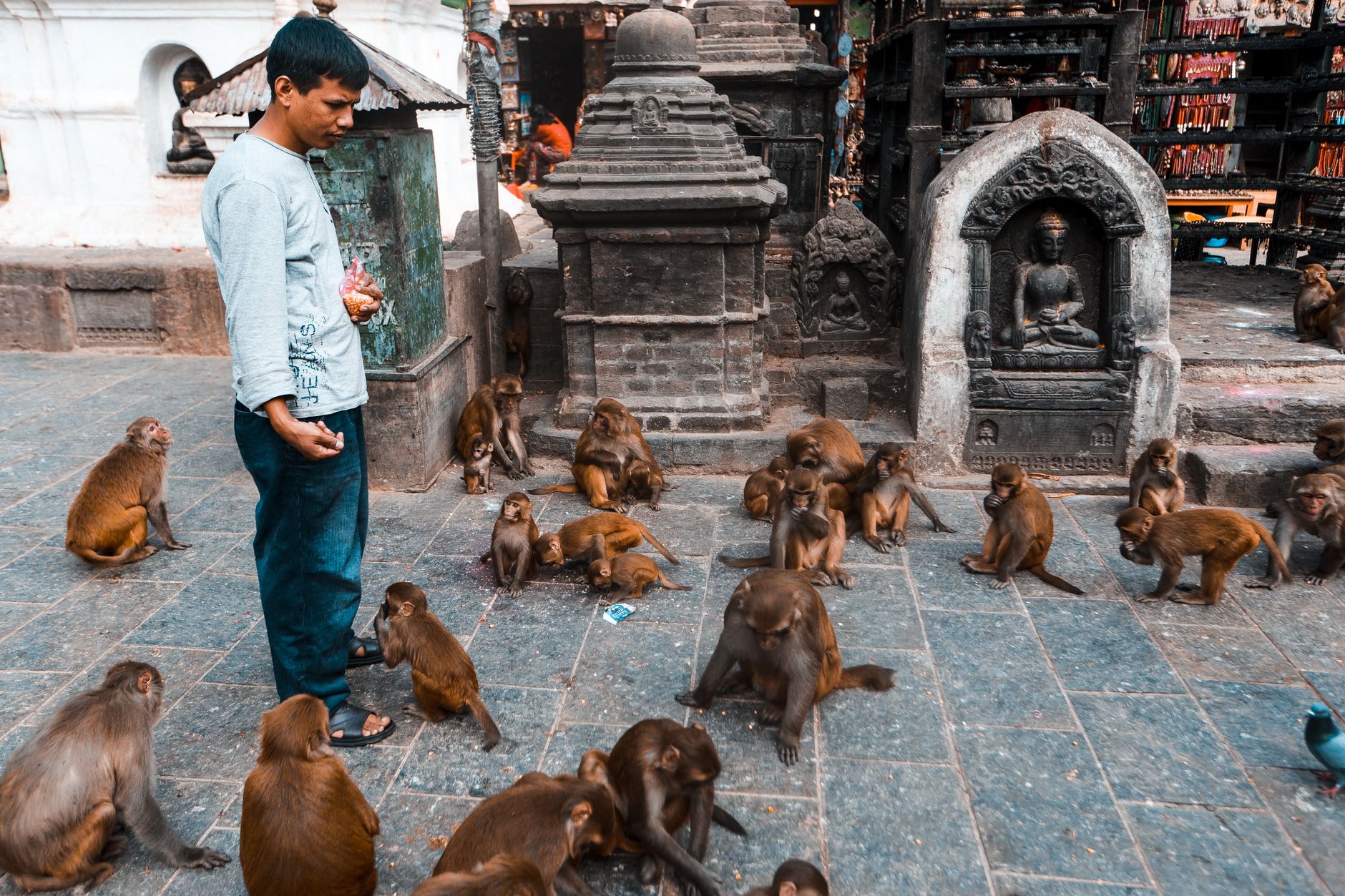
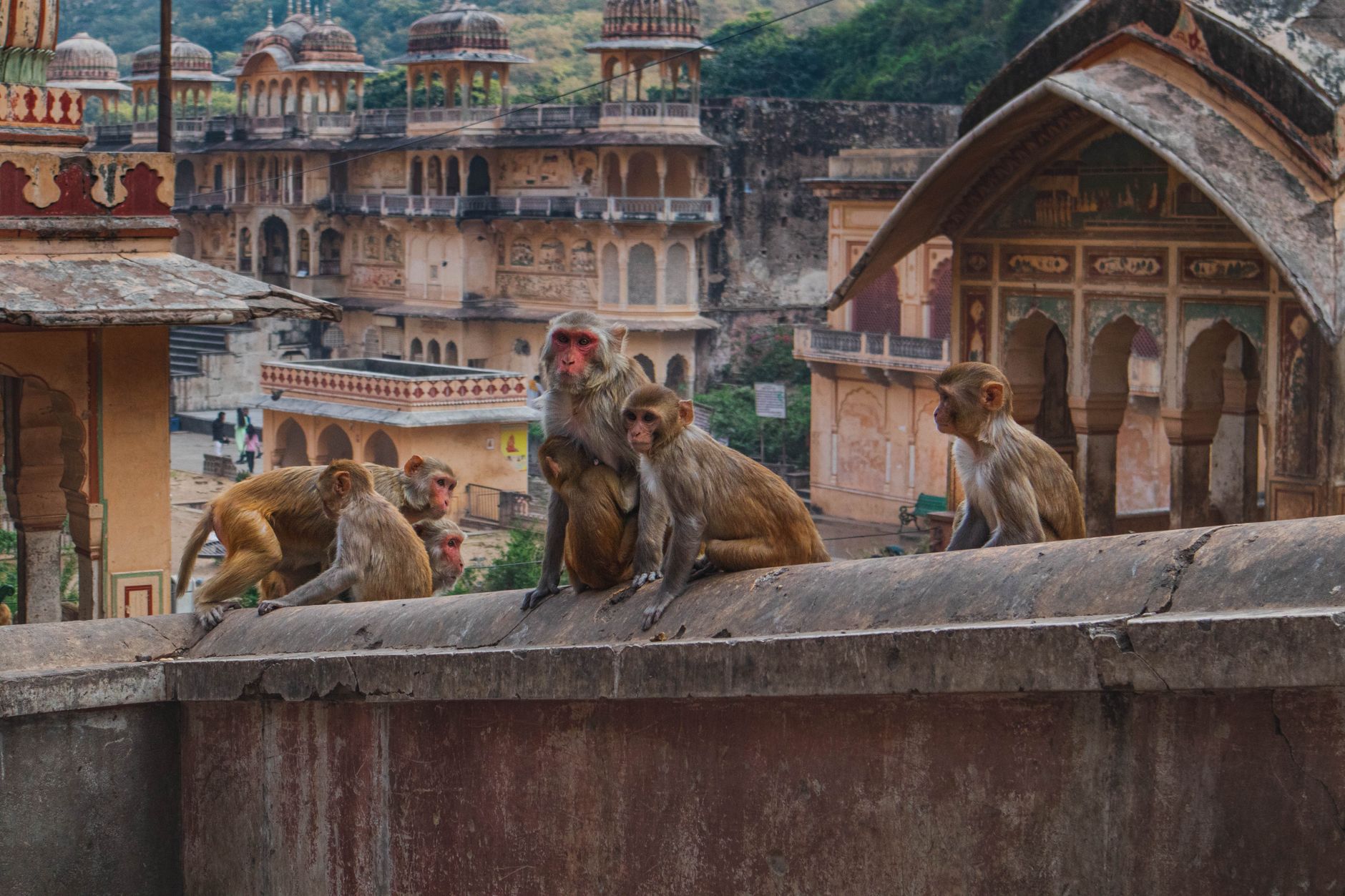
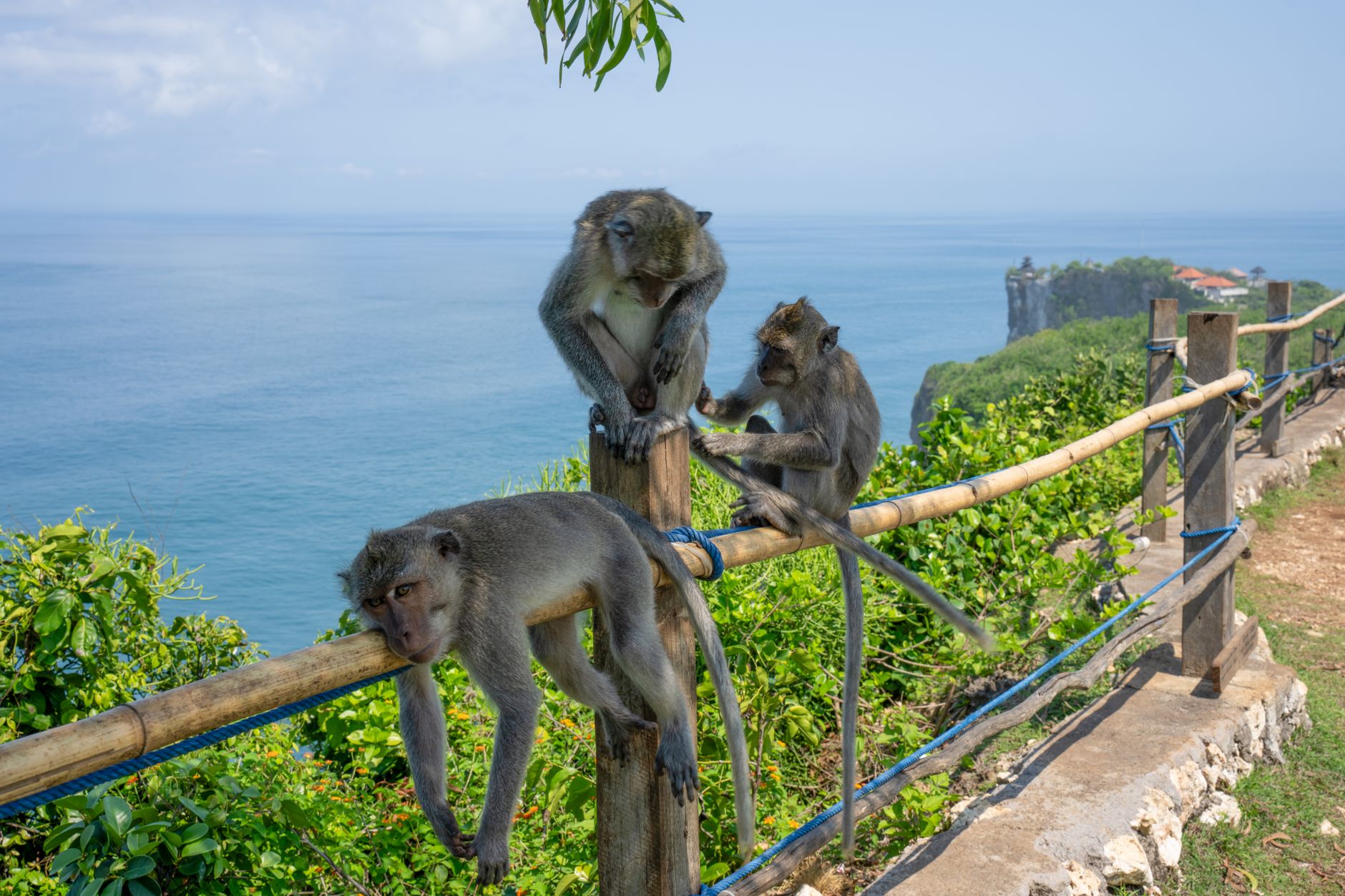
Somewhere in the afternoon lull of Jemaa el-Fna, before the food stalls roll out and the square tips into full evening theatre, you'll find a cluster of handlers with Barbary macaques on metal chains. The animals — tailless, wide-eyed, sometimes dressed in small bonnets and leather collars — are the only macaque species native to Africa, and they draw a crowd the way most things in this square do: through sheer unexpectedness.
The zone has no fixed address, no signage, no boundary. Handlers move with the light and the foot traffic. If you want a photograph, the price is negotiated on the spot, and it will be negotiated firmly.
💛 What travellers fall for
People who've spent time here tend to agree on one thing: keep your camera lowered until you've decided what you actually want. Once it's out, you're in a transaction. Majid Hamdi, one of the elder handlers, has been a fixture long enough that regulars know his face — a useful anchor if you want to find the zone on a quieter afternoon.
How Monkey Handlers Zone came to be
Jemaa el-Fna dates to around 1070 AD, founded under the Almoravid ruler Youssef Ibn Tachfin. It served, under the Almohad dynasty in the 12th and 13th centuries, as a site for public announcements and harsher civic displays. By the Saadian period in the 16th century, the square had already settled into something closer to its present character — a gathering place for storytellers, musicians, healers, and performers.
UNESCO recognised Jemaa el-Fna as a Masterpiece of the Oral and Intangible Heritage of Humanity in 2001. The monkey handlers occupy one thread of that long performance tradition, though the legal framework around them is more recent: keeping Barbary macaques is illegal in Morocco, but a number of handlers hold permits allowing the animals to be used as tourist attractions.
Who and what shaped it
People who shaped it
Plan your visit
On the map
When to go
Spring (March to May) and autumn (September to November) keep temperatures manageable for time spent standing in an open square. In July and August the midday heat regularly exceeds 40°C — early morning or evening is the practical choice.
Right now
Background & history adapted from Wikipedia (CC BY-SA) · specs from Wikidata (CC0) · weather from Open-Meteo · map data © OpenStreetMap contributors · photos from Wikimedia Commons / Unsplash with per-image credit. No third-party reviews or social posts reproduced.