
Central Performance Area
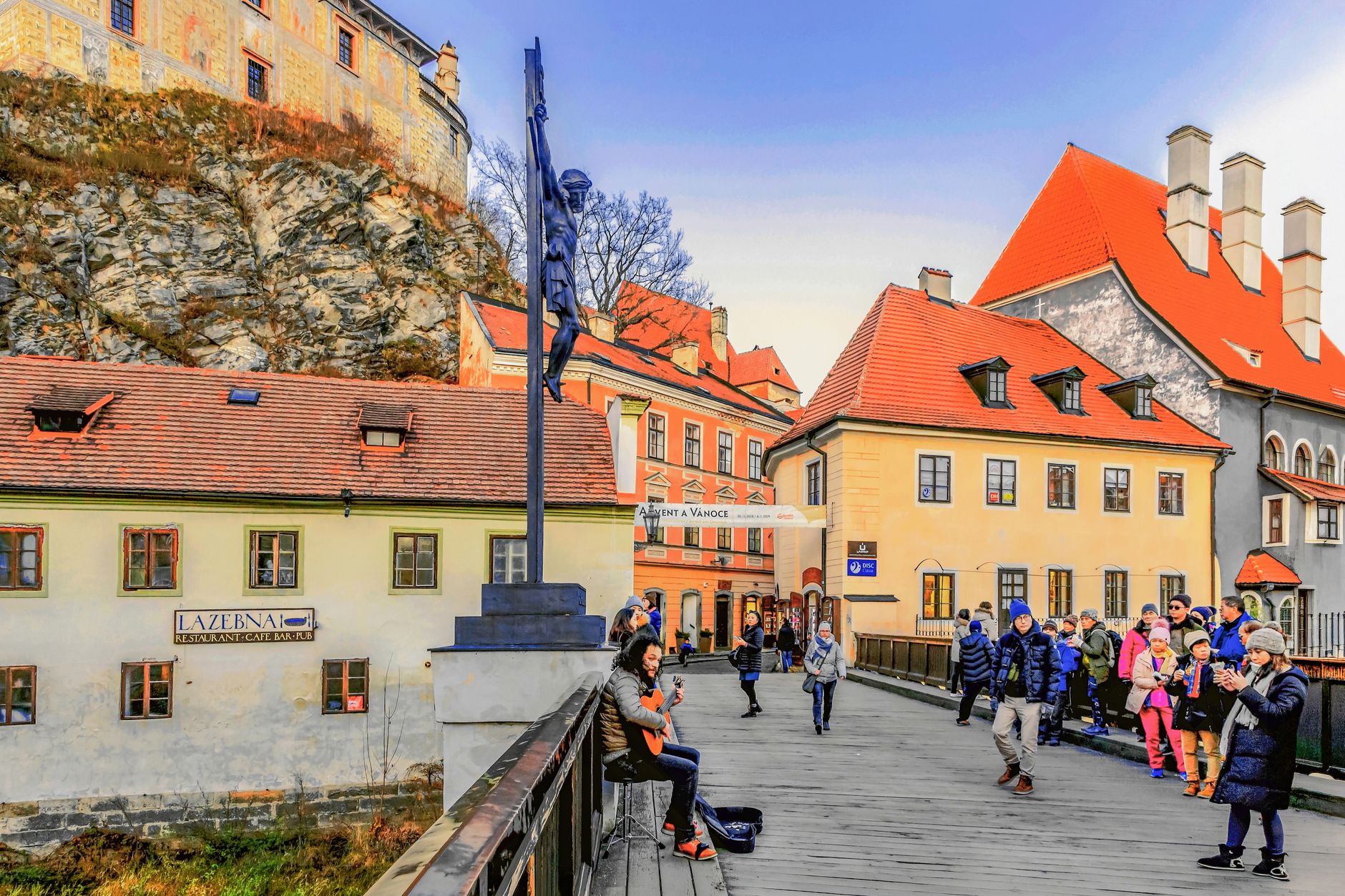
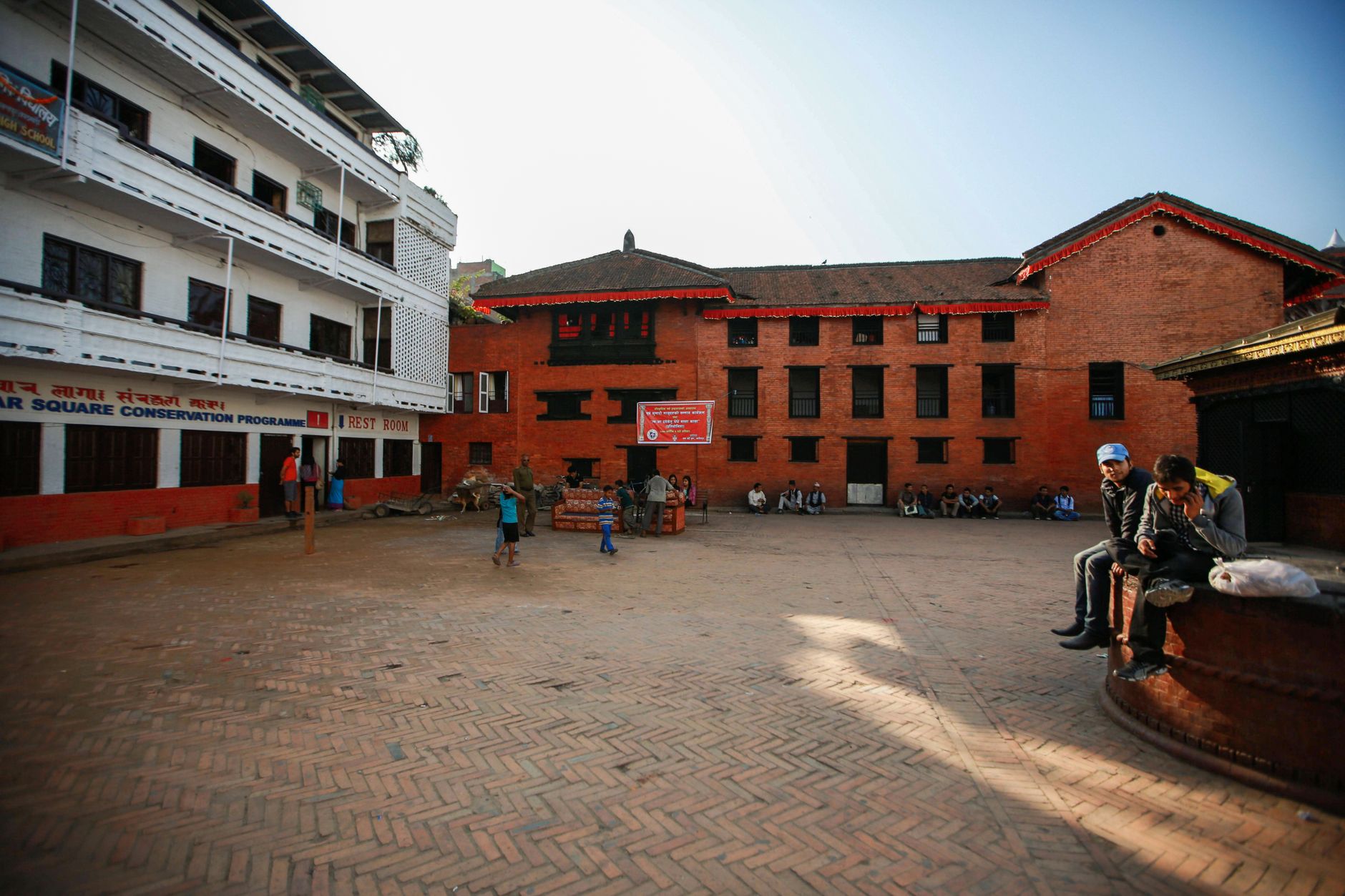
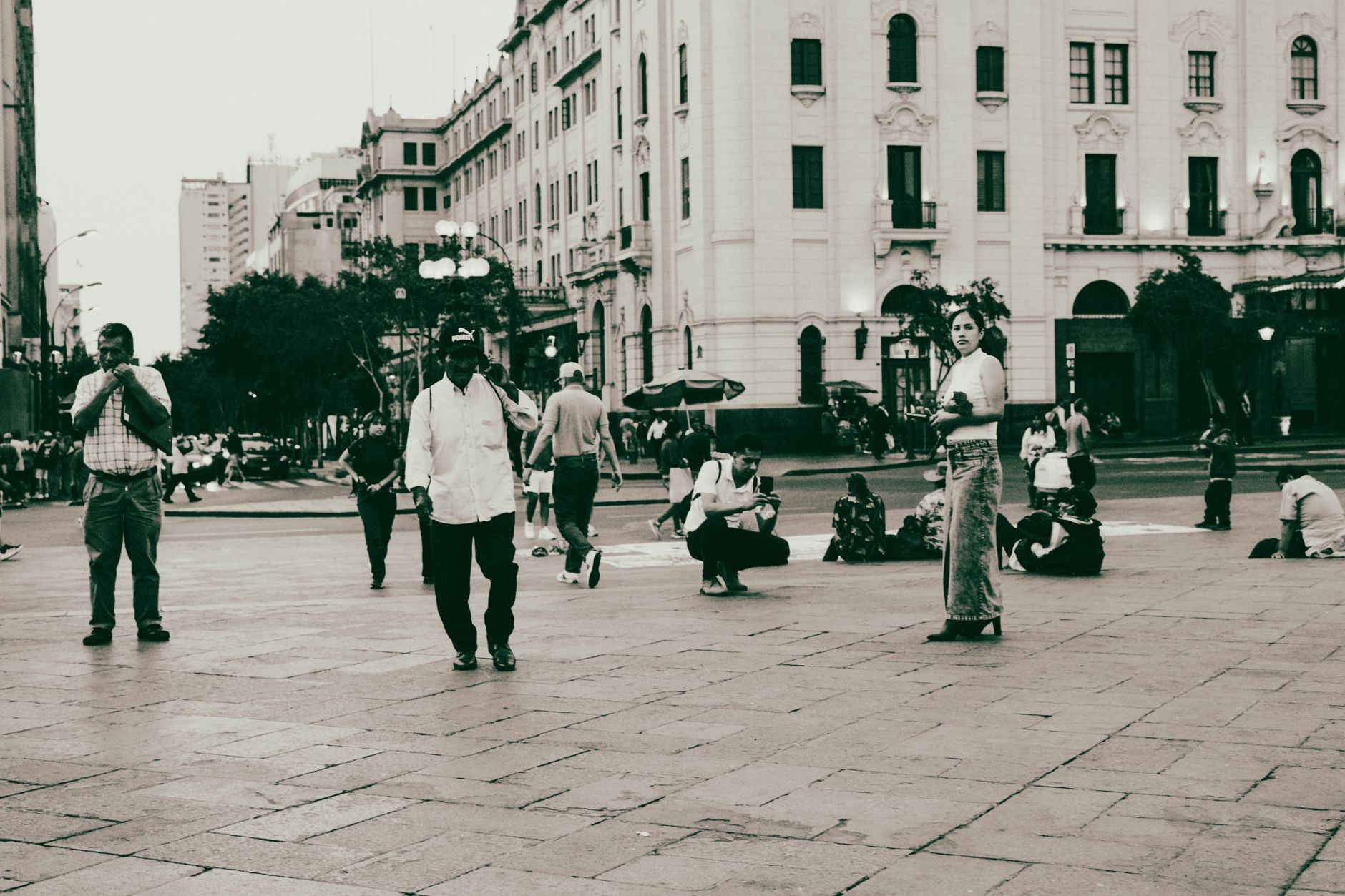
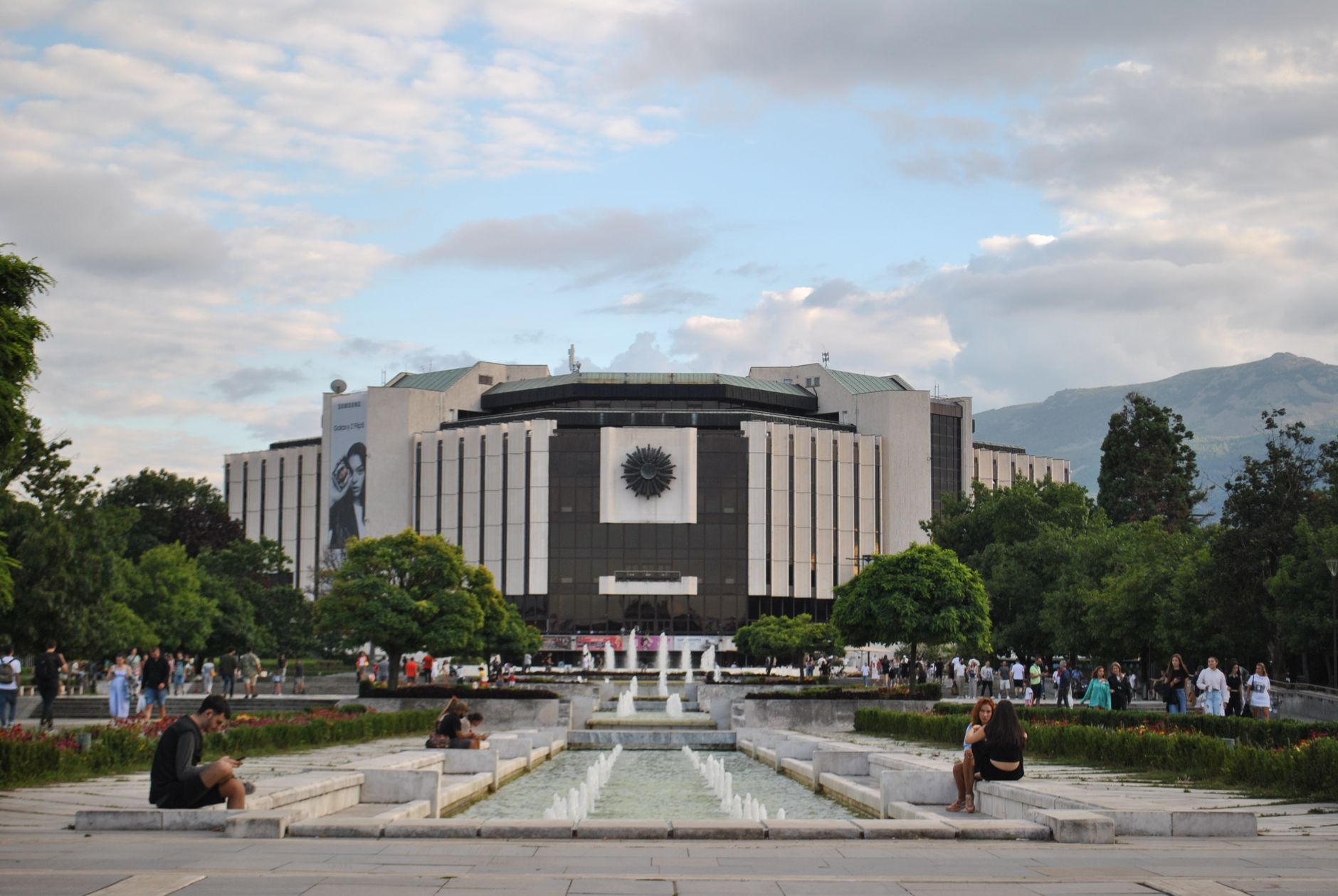
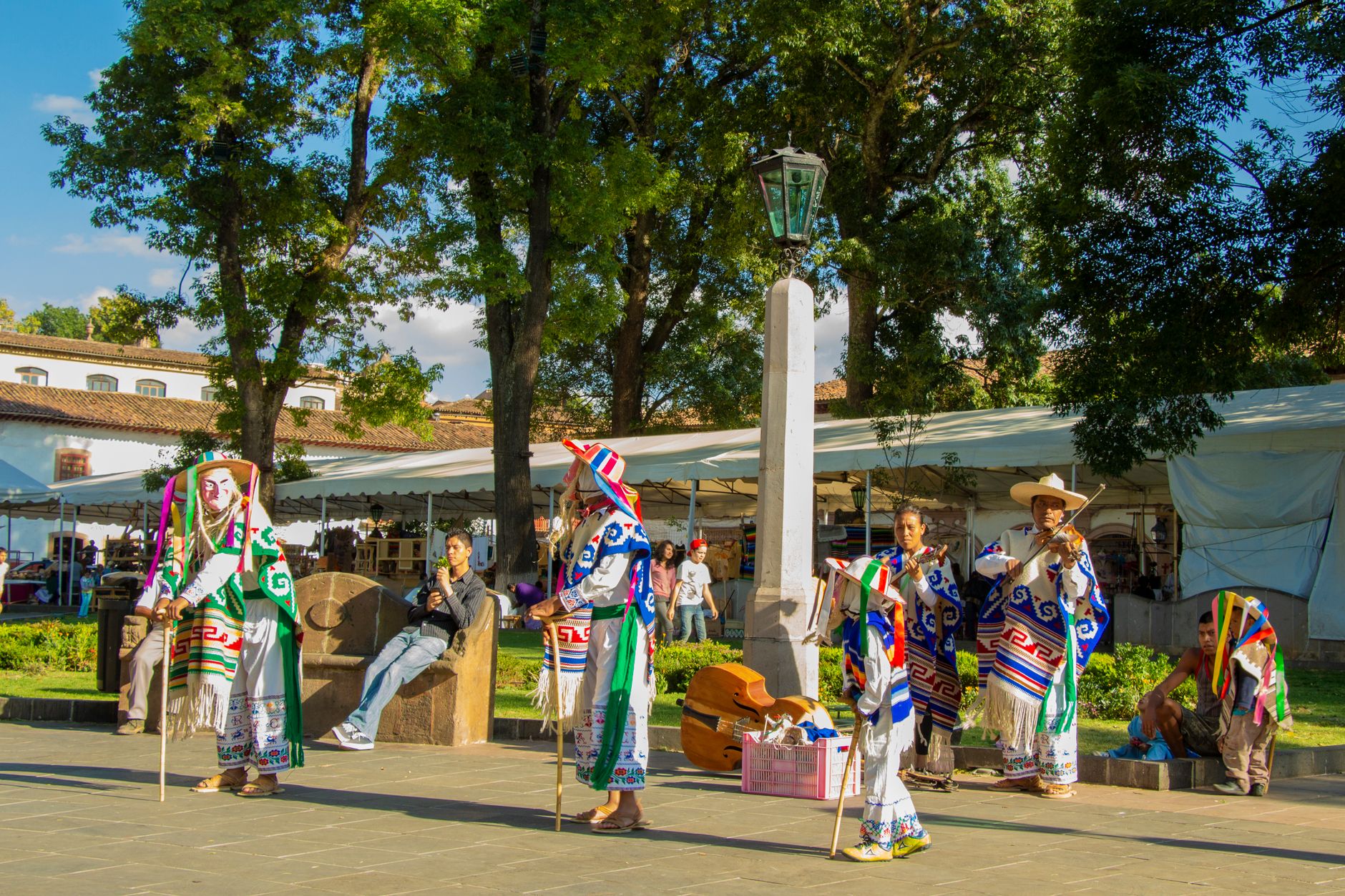
The open ground at the center of Jemaa el-Fna doesn't look like much at noon — a flat expanse of pale dust, the Koutoubia's minaret anchoring the western sky, a few figures moving across the heat. But the square is designed by habit and repetition, not architecture, and by late afternoon the whole logic of the place shifts. Circles form around musicians, acrobats, and storytellers, each crowd a small gravity well. What surrounds you here — the Gnawa musicians, the snake charmers, the henna artists — all orbits this central open stage.
The performances have no fixed schedule and no ticketed start time. You read the crowd to find where something is happening, then edge in. That's the whole method.
💛 What travellers fall for
People who come back consistently say the same thing: arrive around four in the afternoon, not at sunset, when the light is still angled and the performers are warming up rather than performing for peak crowds. If you want a photograph with any of the performers, have small dirhams ready — five to twenty is standard — and ask first.
How Central Performance Area came to be
The Almoravid dynasty founded Marrakech in 1062, and the square took shape as a public gathering ground from those early years. When the Almohads took the city in 1147, they renovated it, and the Koutoubia Mosque — begun that same year — rose just under half a kilometer to the west. Later, the Saadian sultan Ahmad al-Mansur attempted to build a monumental mosque within the square itself; construction stopped partway through, the ruins were absorbed by stalls and foot traffic, and one leading explanation for the name Jemaa el-Fna — "Mosque of Ruins" — traces back to that abandoned project.
The square earned a darker name in the 17th century: "Place des Trépassés," after a plague that ran from 1598 to 1607. A 1922 royal decree protected it from construction, and in 2001 UNESCO recognized Jemaa el-Fna as a Masterpiece of Oral and Intangible Heritage — one of the first such designations anywhere in the world.
Who and what shaped it
People who shaped it
Landmark buildings
See Central Performance Area in motion
Plan your visit
On the map
When to go
Spring (March to May) and autumn (September to November) are the most comfortable seasons, with daytime temperatures between 20°C and 28°C in spring and a gradual cool-down through autumn. Summer afternoons regularly exceed 40°C; if you're visiting in July or August, the square is best approached after six in the evening. Winter days are mild and often sunny around 18–20°C, but the temperature drops sharply after dark — bring a layer if you're staying past sunset.
Right now
Background & history adapted from Wikipedia (CC BY-SA) · specs from Wikidata (CC0) · weather from Open-Meteo · map data © OpenStreetMap contributors · photos from Wikimedia Commons / Unsplash with per-image credit. No third-party reviews or social posts reproduced.