
Snake Charmers Area
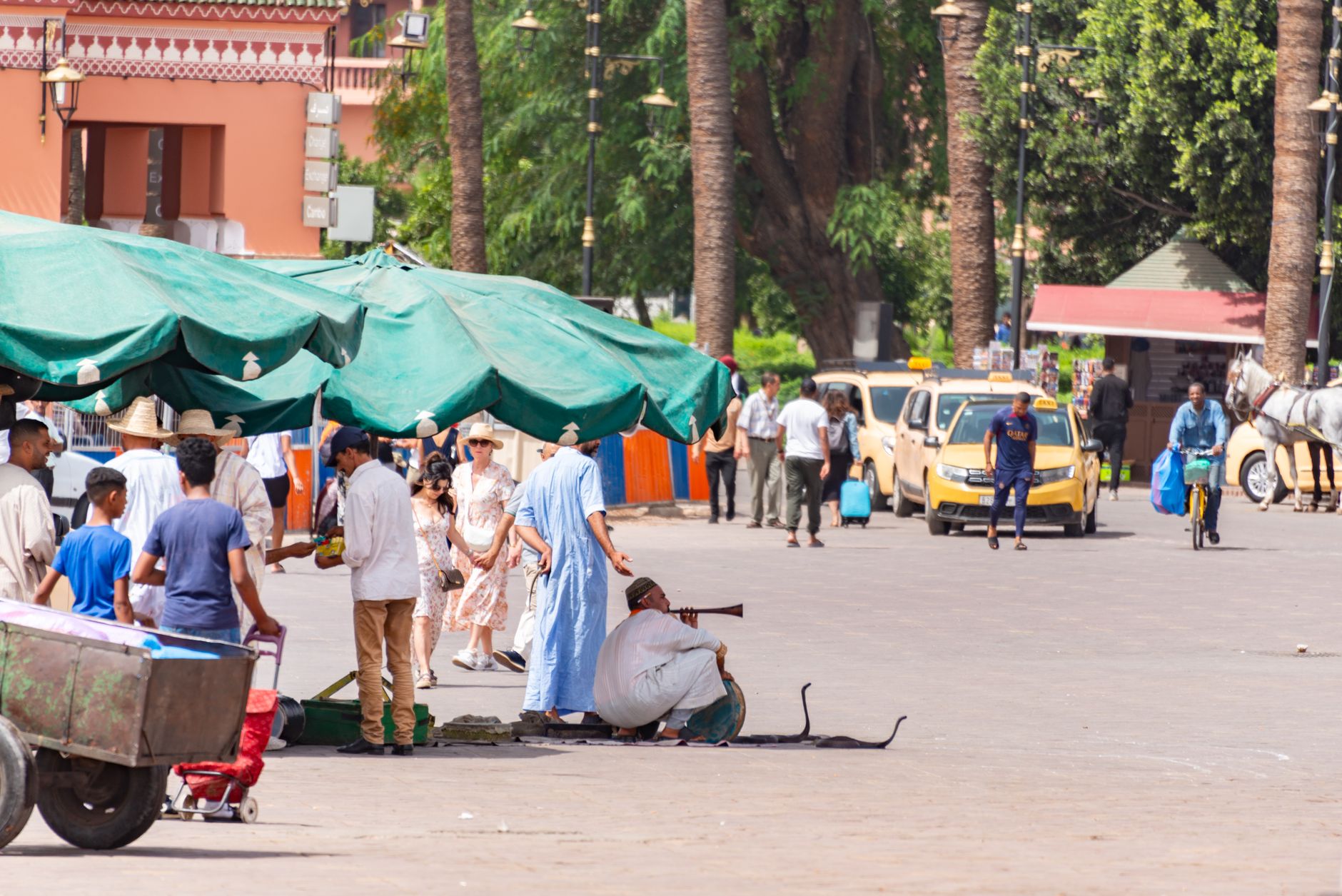
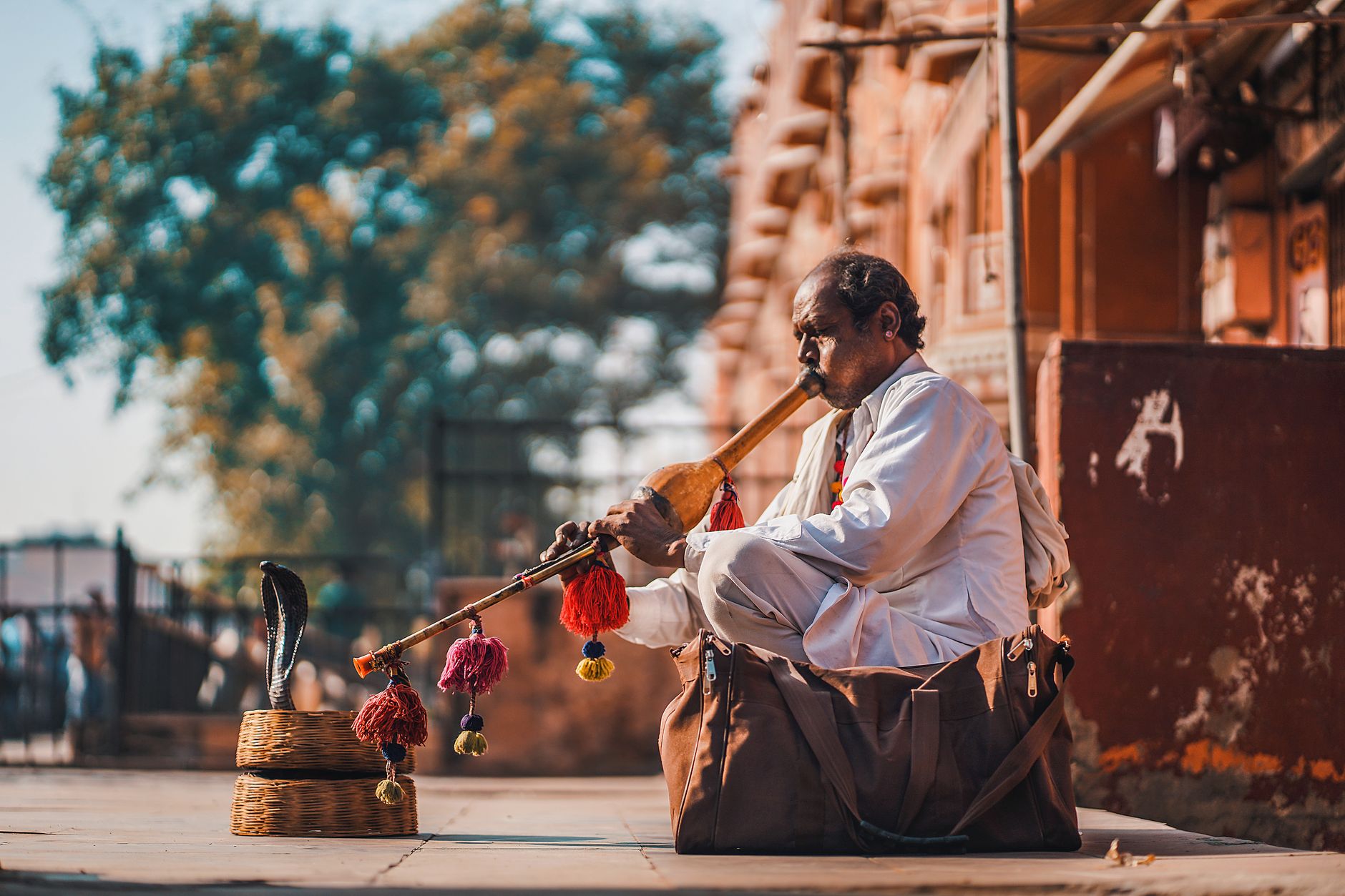
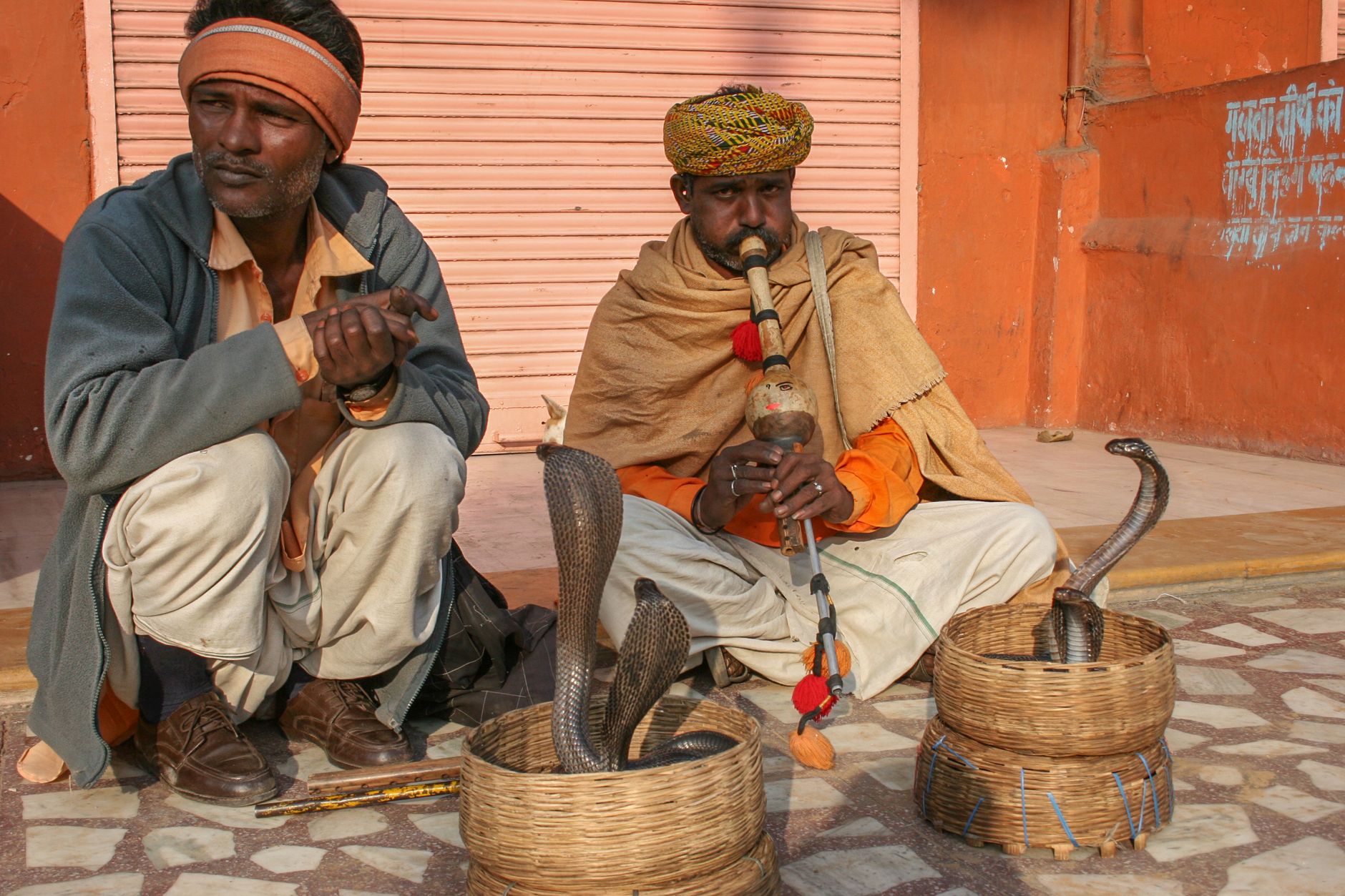
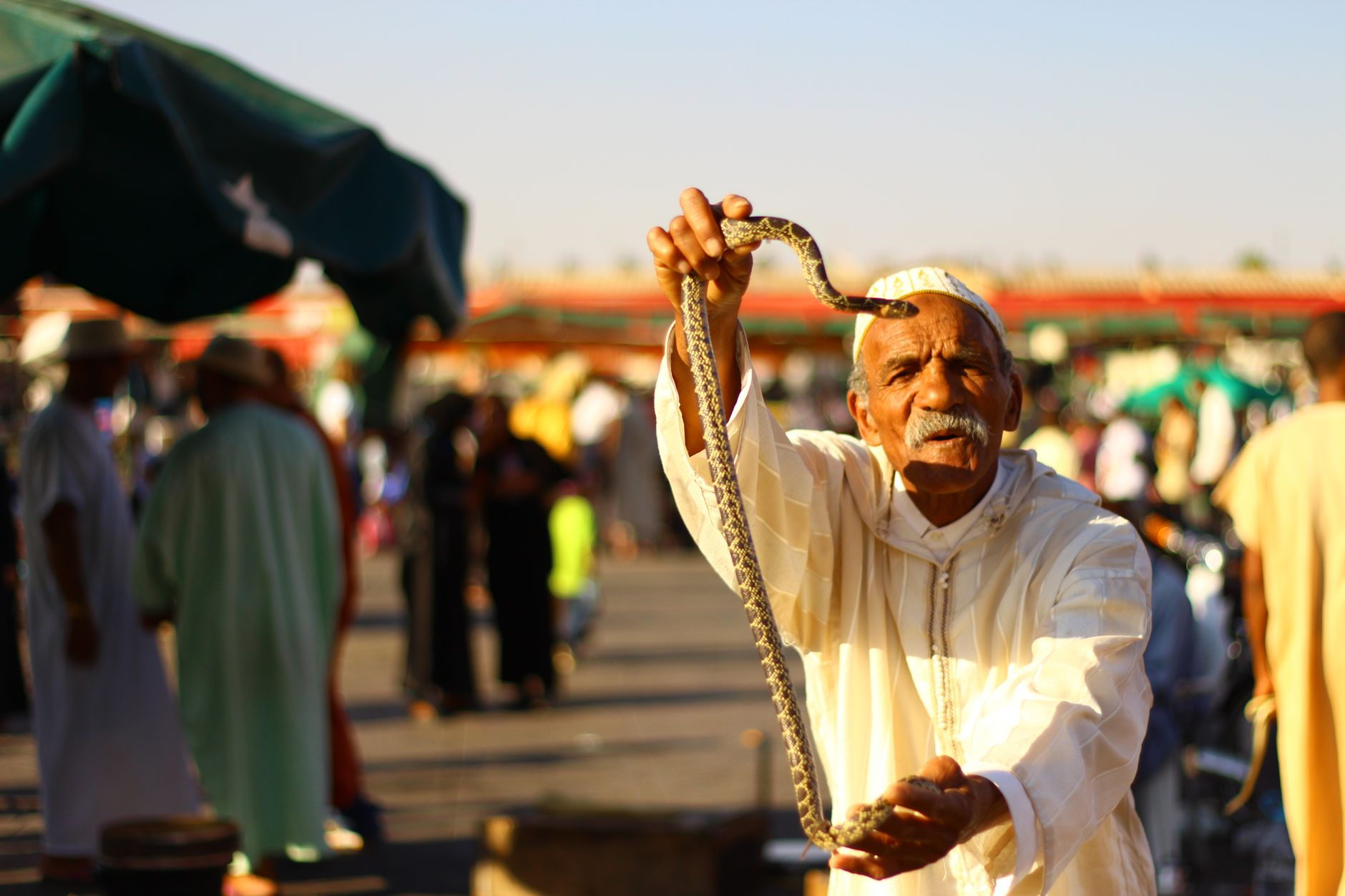
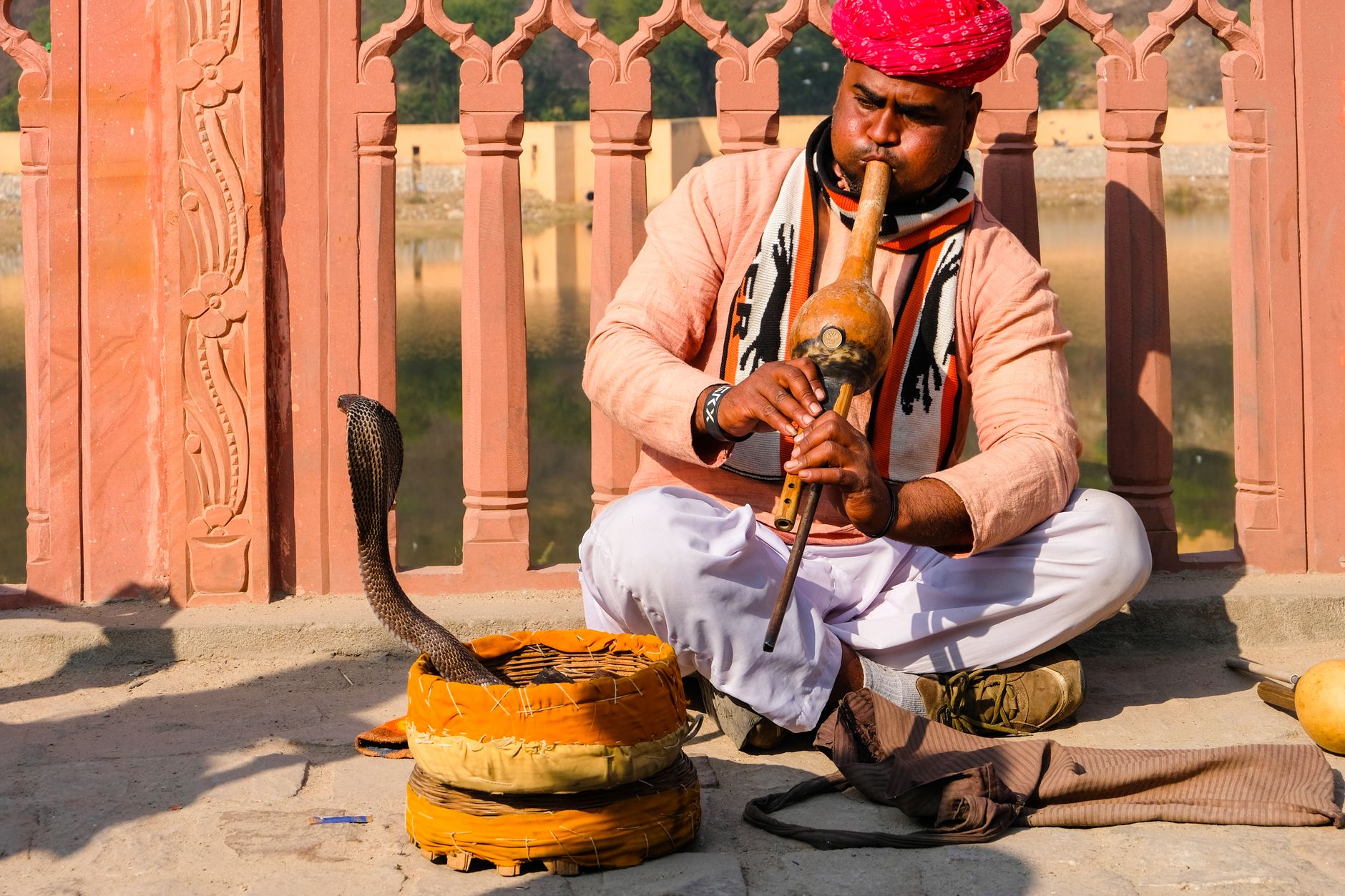
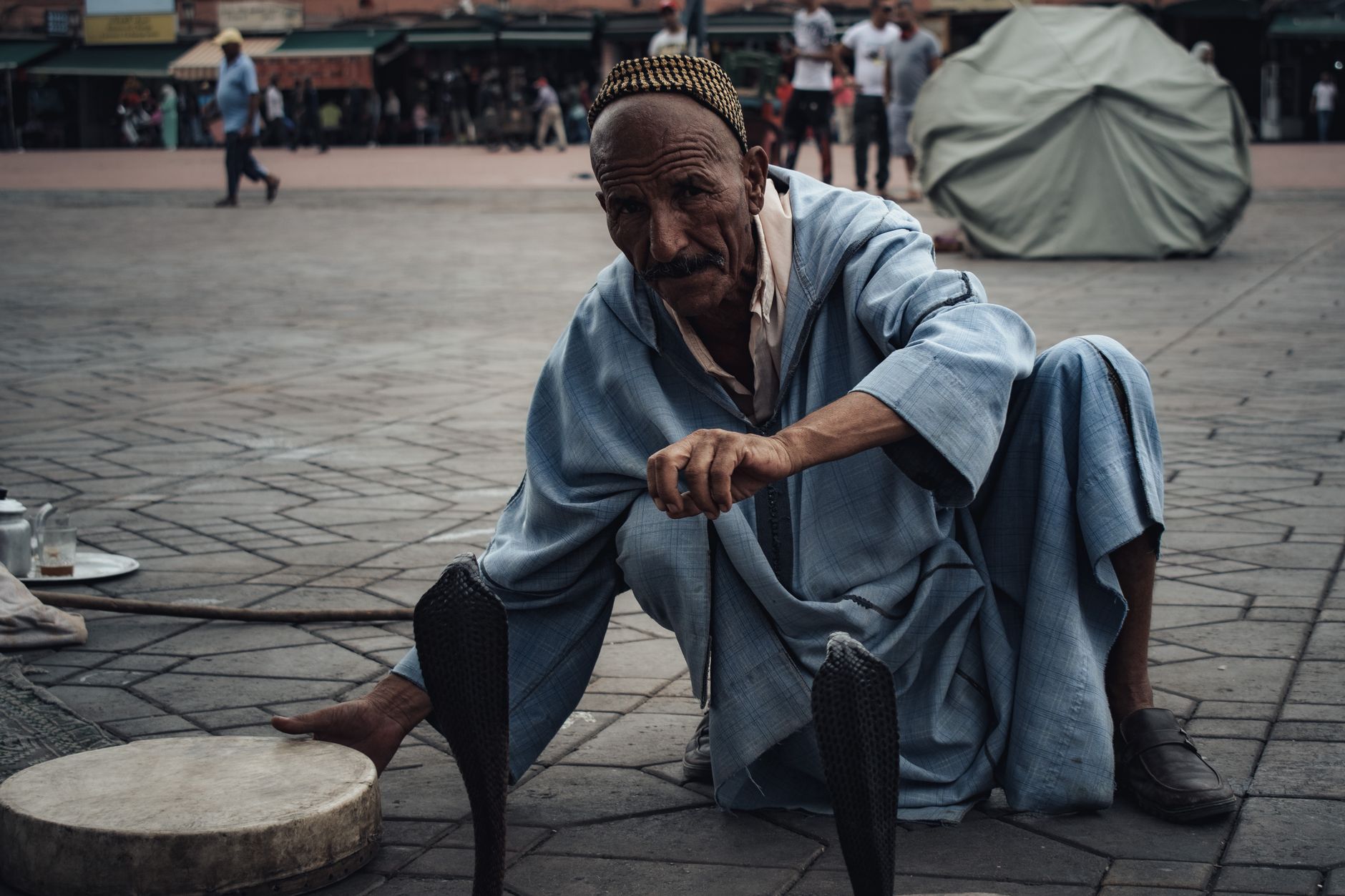
By mid-morning, the cobras are already up. Three men — a drummer, a flutist playing the reeded ghaita, and a handler — sit cross-legged on the stones of Jemaa el-Fna, and the snakes sway in front of them, hoods fanned, tracking the sound. The area is not fenced or ticketed; it occupies a loose patch of the square, and you can walk into it or away from it at will.
The men belong to the Aïssaoua, a Sufi brotherhood whose roots stretch back to Meknes, not Marrakech. That backstory — religious, centuries-deep — sits underneath what looks, on the surface, like street theatre. The cobras are Egyptian, captured in the desert around Tan Tan and Guelmim. A tip in dirhams is expected before you photograph.
💛 What travellers fall for
People who return to the square tend to say the same thing: come before the crowds thicken, around 10am, when the flutes start and the light is still cool. You can watch from a distance without being drawn into a transaction. Sunset is when the performance intensifies — but so does the pressure to pay.
How Snake Charmers Area came to be
Jemaa el-Fna was laid out by the Almoravids around 1070, when Marrakech itself was founded. Its name is widely understood to mean 'Assembly of the Dead,' a reference to the public executions once held there. The Saadian sultan Ahmad al-Mansur, ruling from 1578 to 1603, began a Friday mosque in the middle of the square and never finished it.
The Aïssaoua brotherhood, to which the snake charmers belong, was founded in Meknes by Mohamed ben Aissa between 1465 and 1526 — predating their presence in Marrakech's square by generations. In 2001 UNESCO recognised Jemaa el-Fna as a Masterpiece of Oral and Intangible Heritage; a 2008 inscription specifically acknowledged the Aïssaoua and their practice.
Who and what shaped it
People who shaped it
Landmark buildings
Plan your visit
On the map
When to go
Spring (March to May) and autumn (September to November) are the easiest seasons — warm enough to linger on the stones without discomfort. July and August regularly push past 40°C; if you visit then, the early morning or after sunset is the only sensible window.
Right now
Background & history adapted from Wikipedia (CC BY-SA) · specs from Wikidata (CC0) · weather from Open-Meteo · map data © OpenStreetMap contributors · photos from Wikimedia Commons / Unsplash with per-image credit. No third-party reviews or social posts reproduced.