
Spice and Herb Vendors
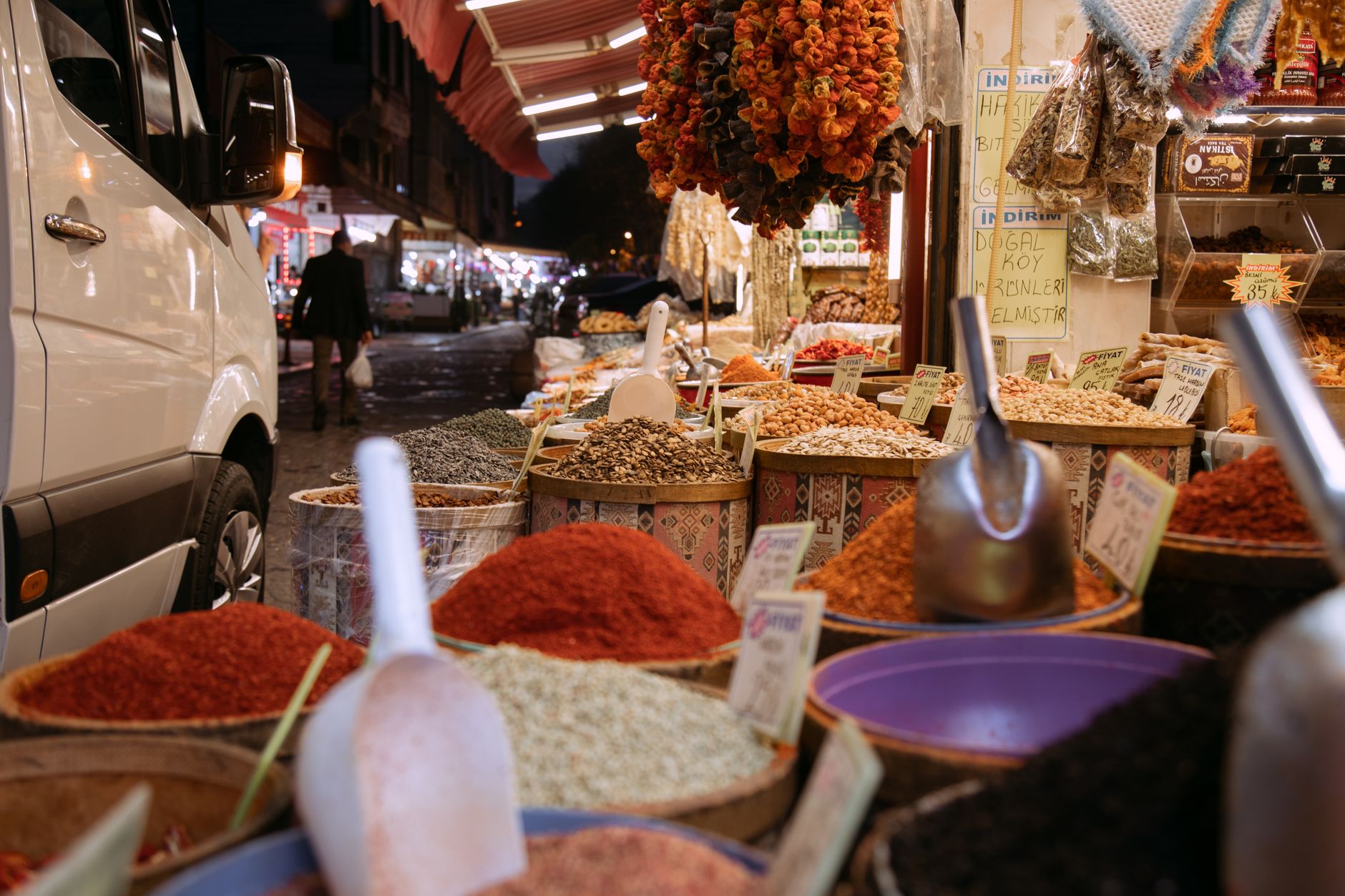
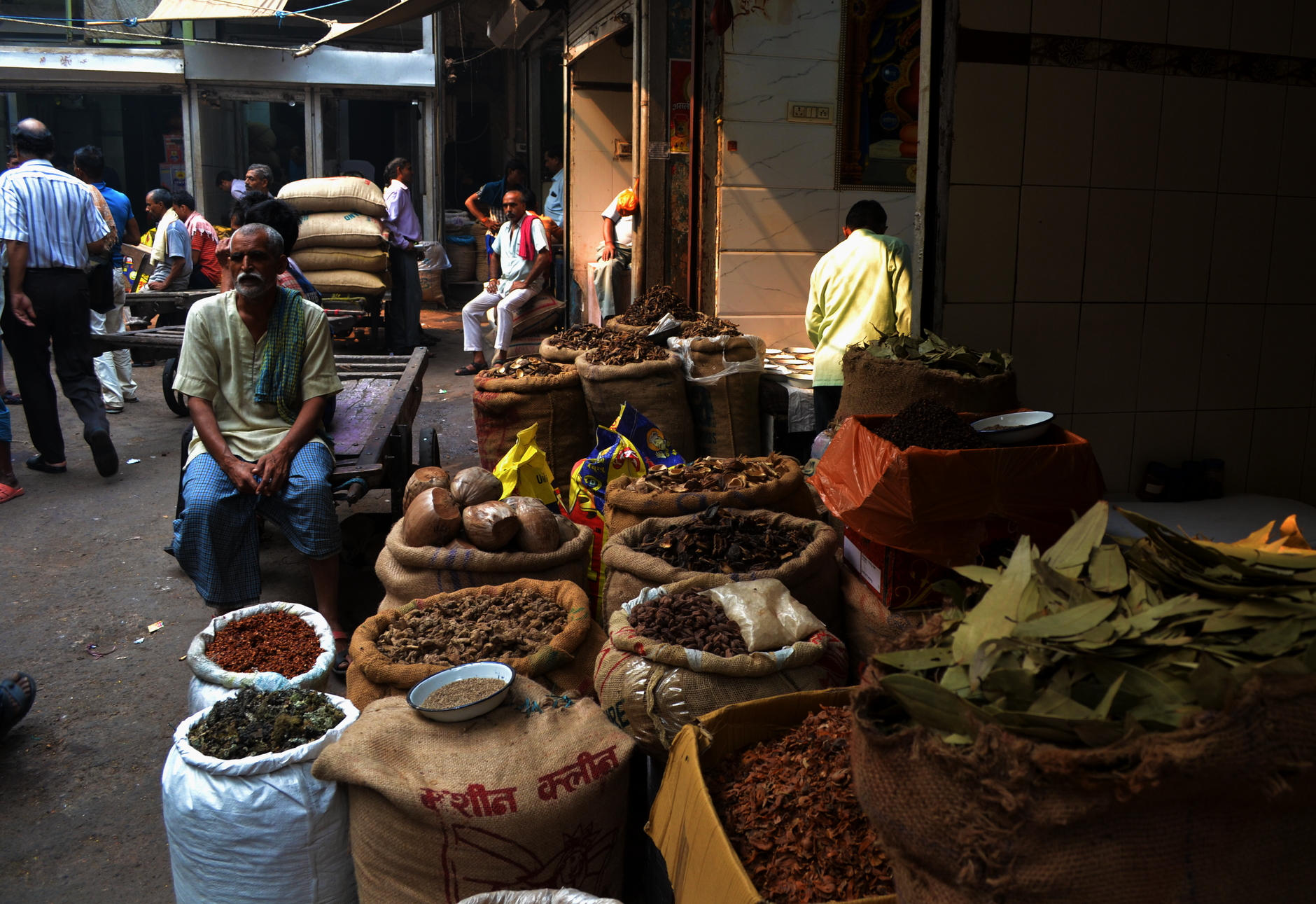
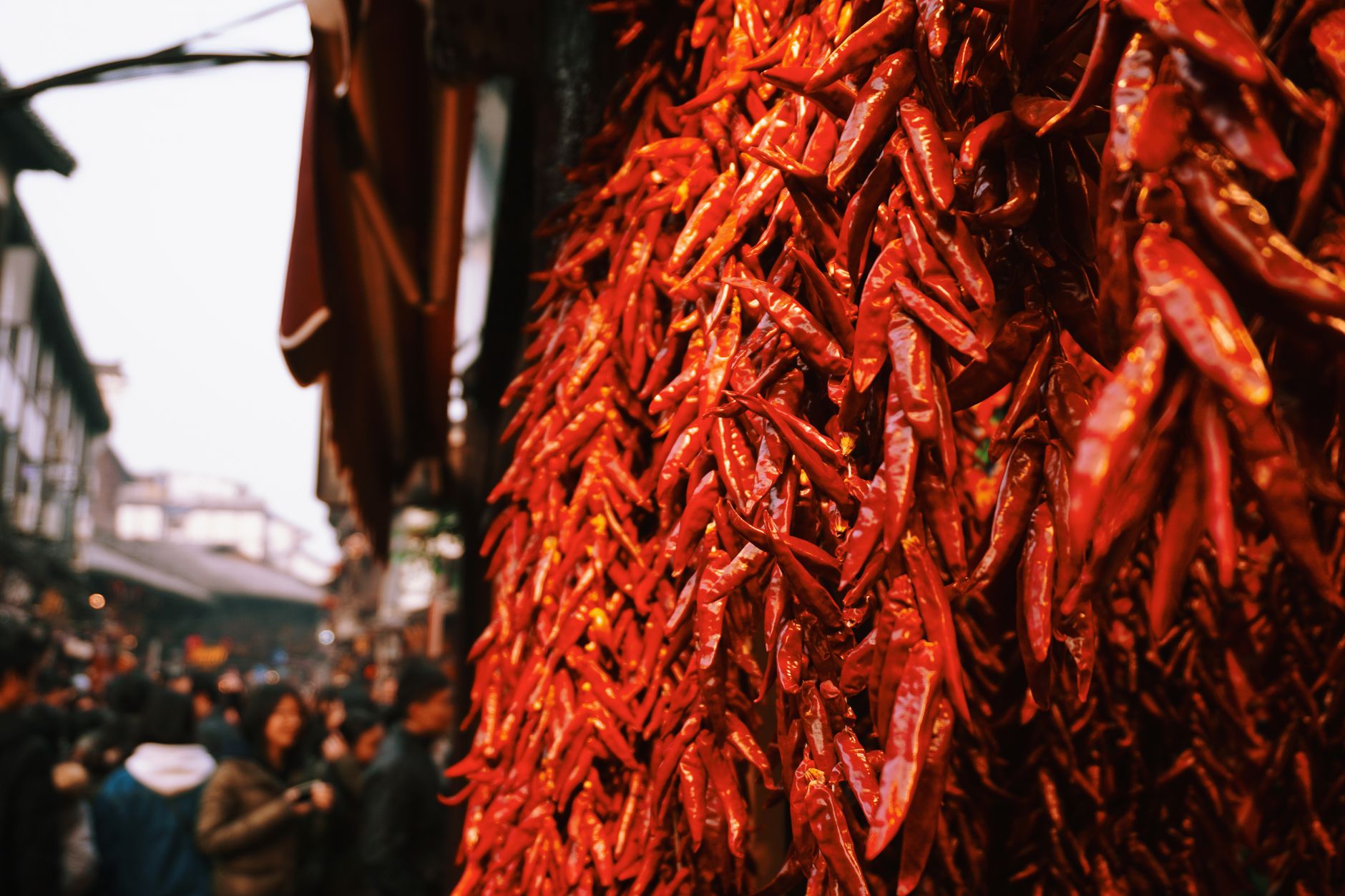
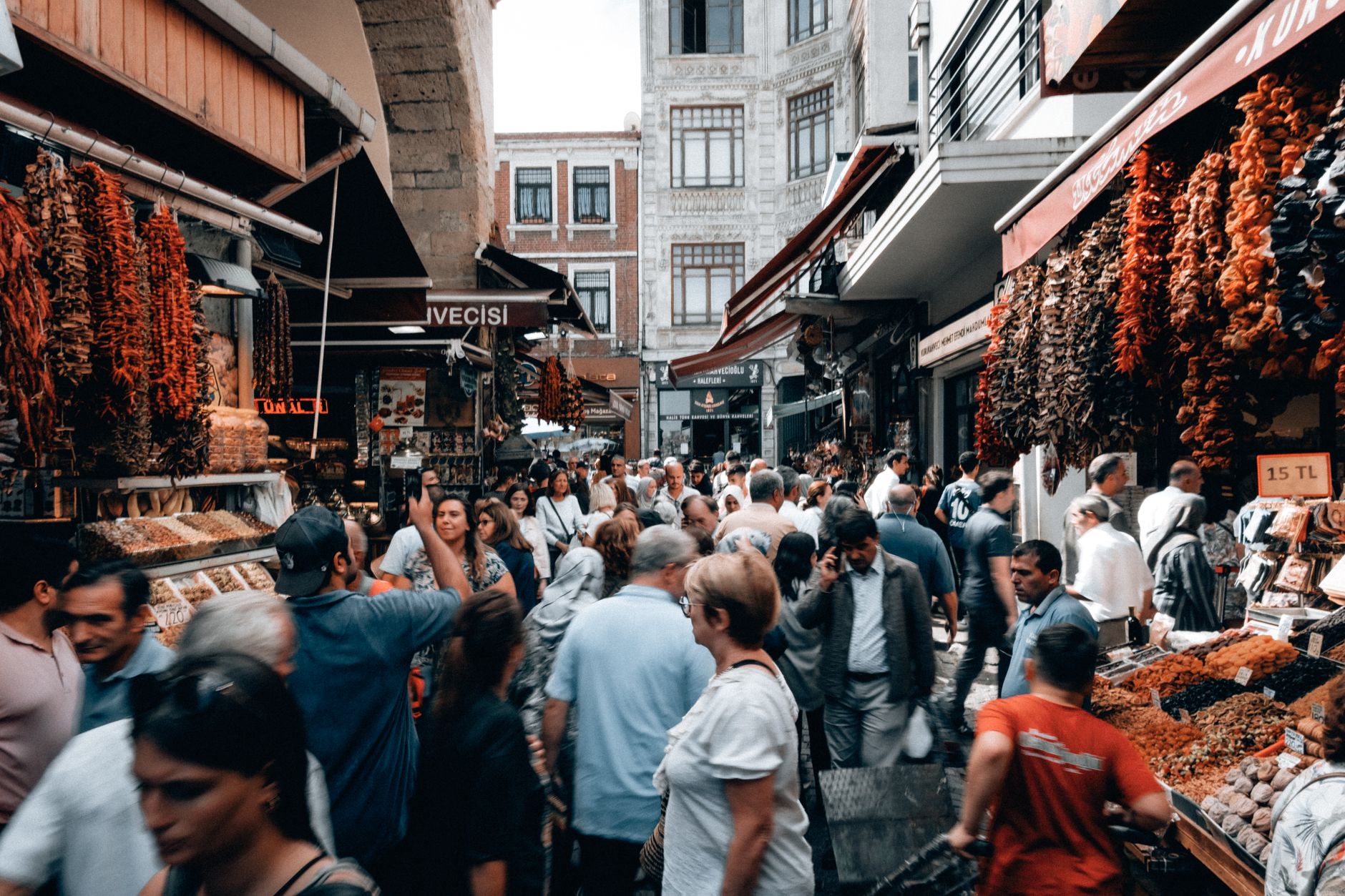
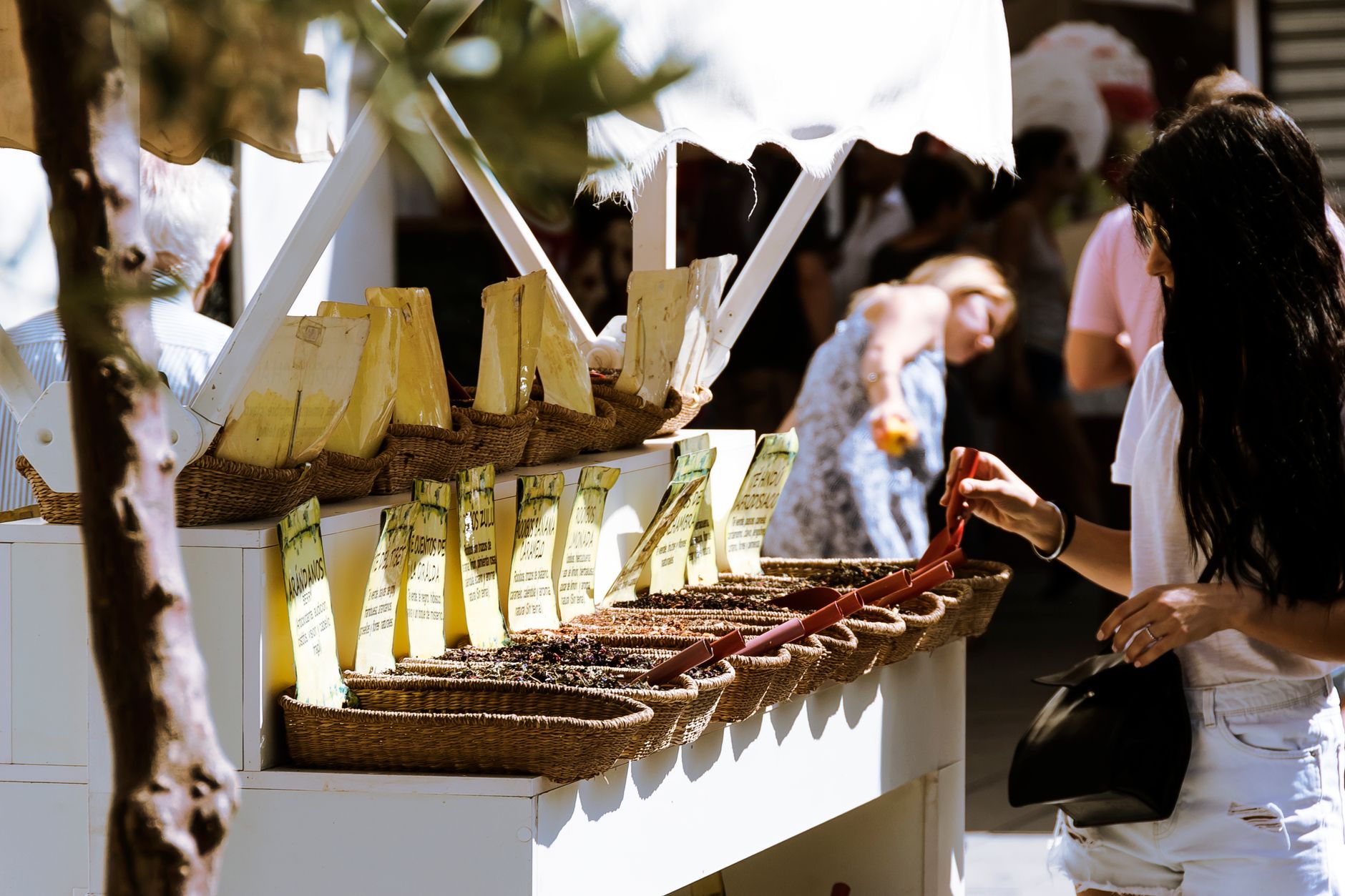
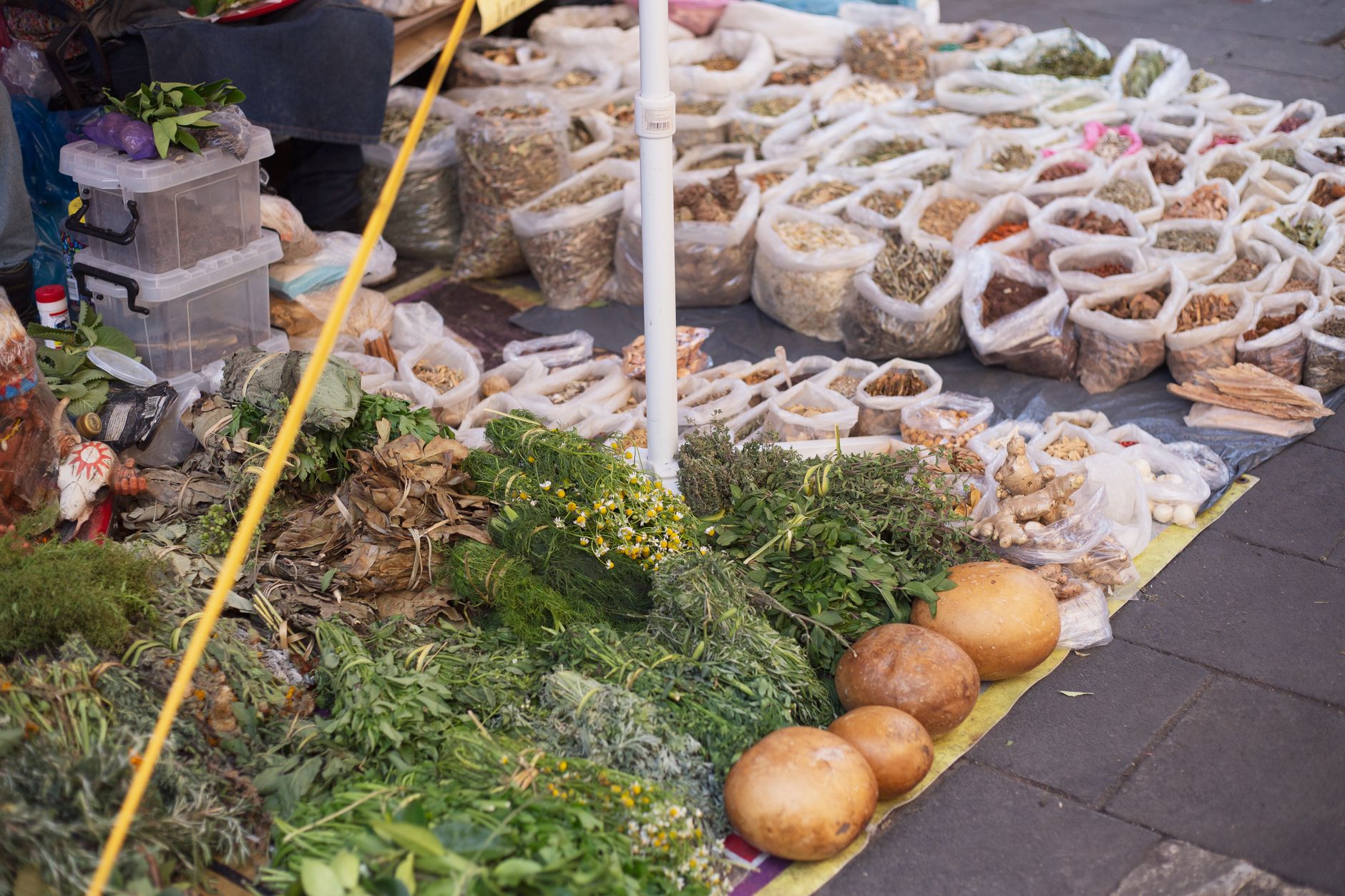
The stalls at Rahba Kedima — the open square just off Souk Semmarine, a short walk north from Jemaa el-Fna — are stacked with things that do double or triple duty: cumin for the tagine, dried rose petals for the bath, beldi black soap for the hammam, herbs whose names you won't recognise but whose uses stretch back centuries before modern pharmacology arrived. Older Amazigh women sit among baskets of their wares, presiding over goods that span cooking, cosmetics, and traditional medicine in a single breath.
This is where the square's sensory register shifts from performance to transaction. Colours here are earthy and exact — saffron threads, paprika mounds, charcoal-dark nigella seeds — and the air carries cumin and something floral underneath it.
💛 What travellers fall for
People who come back tend to walk straight past the first ring of stalls nearest Jemaa el-Fna — those are priced for tourists who haven't yet found their bearings. Five minutes deeper into the medina, through Souk Semmarine and left into Rahba Kedima, the quality improves and the conversation slows down enough to be worth having.
How Spice and Herb Vendors came to be
The square that anchors this area — Jemaa el-Fna — dates to Marrakech's founding by the Almoravids around 1070. Its name carries a strange history: the Saadian sultan Ahmad al-Mansur, who ruled from 1578 to 1603, began a grand Friday mosque in the middle of the square but abandoned it mid-construction, likely due to plague. The unfinished ruin gave the square a new name — jamaa al-fana', 'mosque of ruination' — a long way from the jamaa al-hna, 'mosque of tranquility', that had apparently been intended.
The spice trade in this part of the medina is older than any single vendor's memory. Souk el Attarine — whose name simply means 'spice and perfume sellers' in Arabic — has anchored the nearby medina's aromatic economy for centuries. In 2001, Jemaa el-Fna became the first site in the world to receive UNESCO's Masterpiece of Oral and Intangible Heritage status, recognition that the living culture of the square mattered as much as any stone monument.
Who and what shaped it
Landmark buildings
Plan your visit
On the map
When to go
Spring (March to May) and autumn (September to November) are the most comfortable seasons to spend time at the stalls — warm enough to linger, cool enough to think. In July and August temperatures regularly top 40°C, so morning visits before the heat peaks make the most sense.
Right now
Background & history adapted from Wikipedia (CC BY-SA) · specs from Wikidata (CC0) · weather from Open-Meteo · map data © OpenStreetMap contributors · photos from Wikimedia Commons / Unsplash with per-image credit. No third-party reviews or social posts reproduced.