
Dried Fruit and Nut Vendors
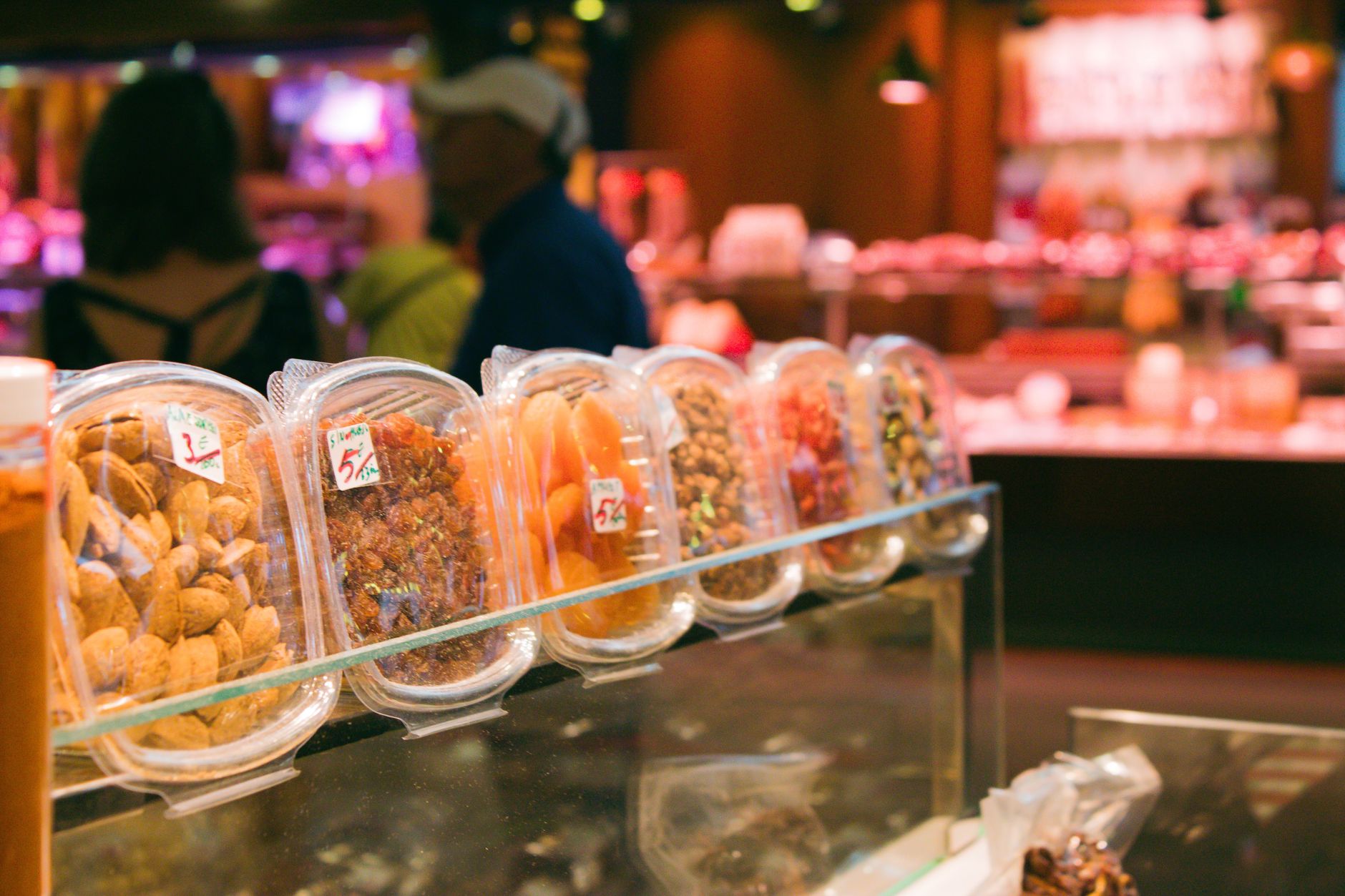
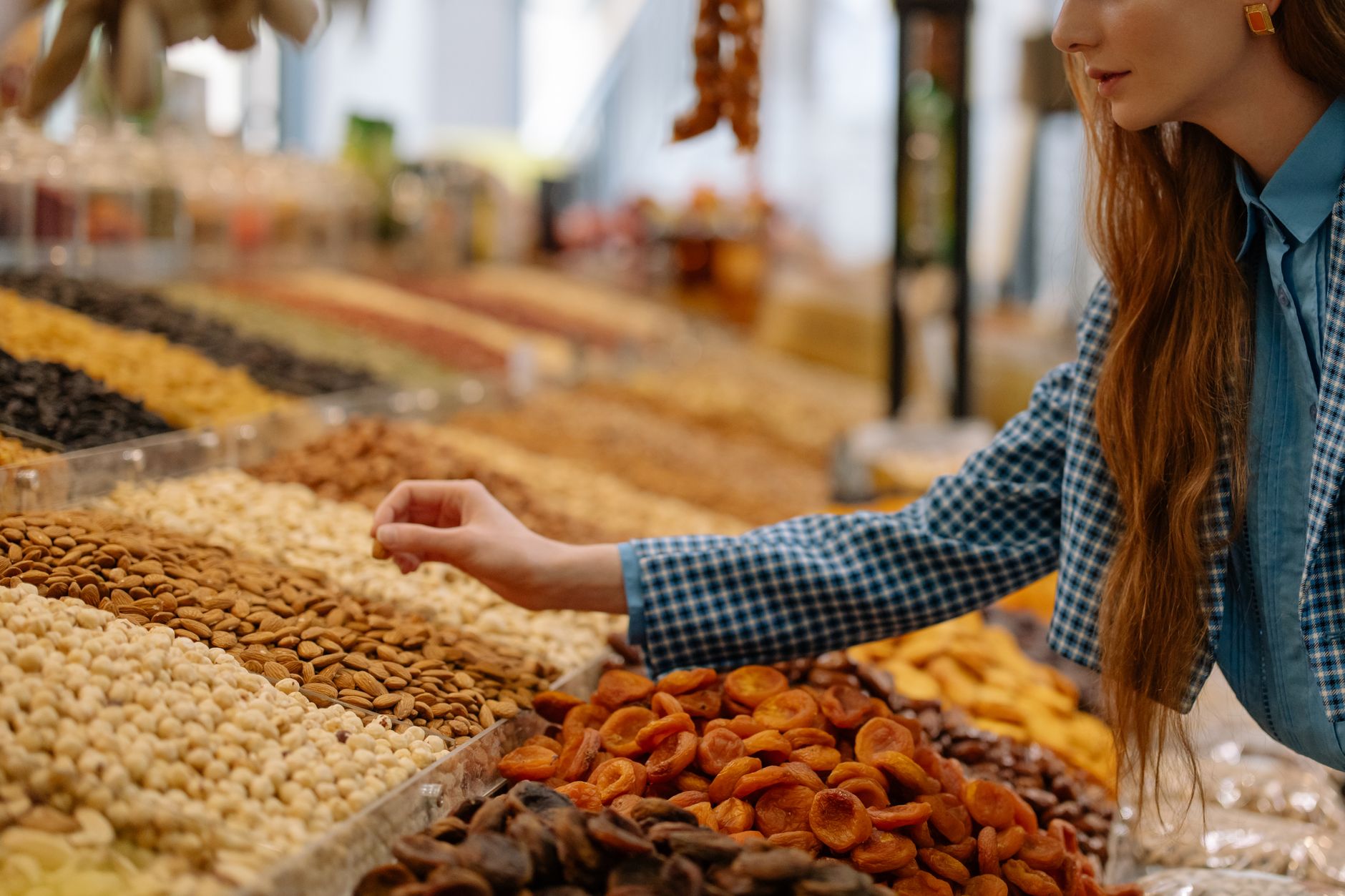
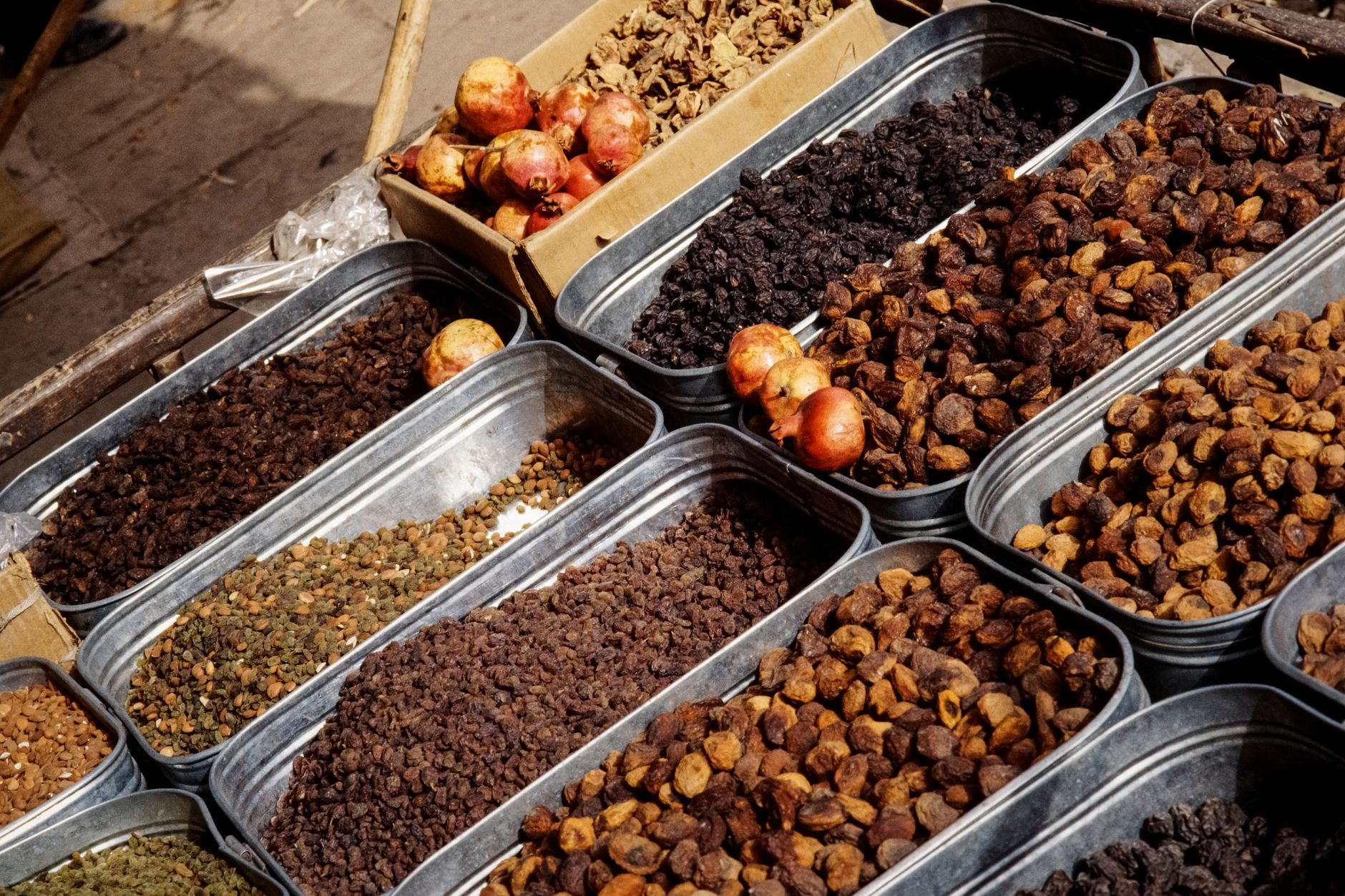
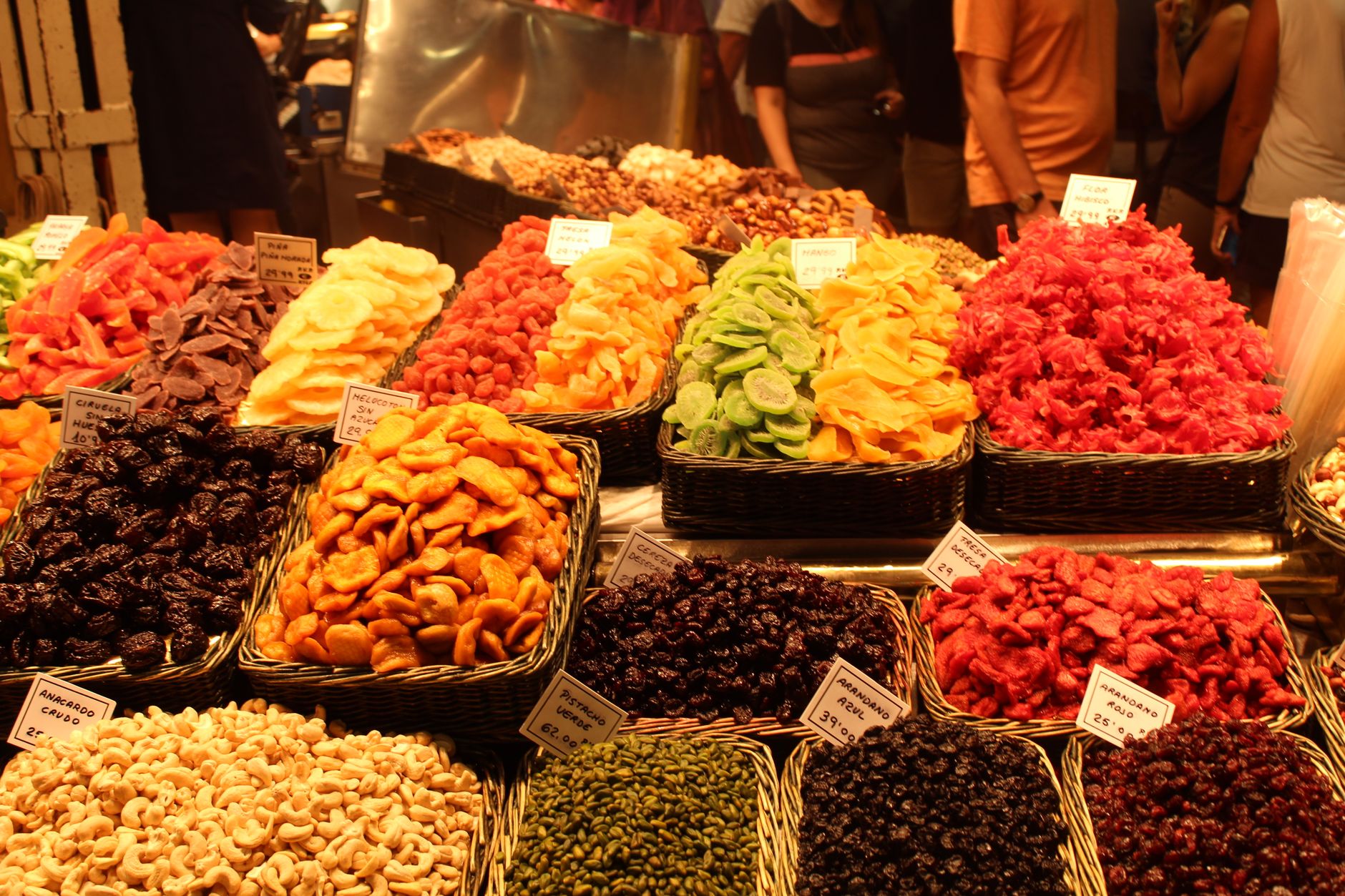
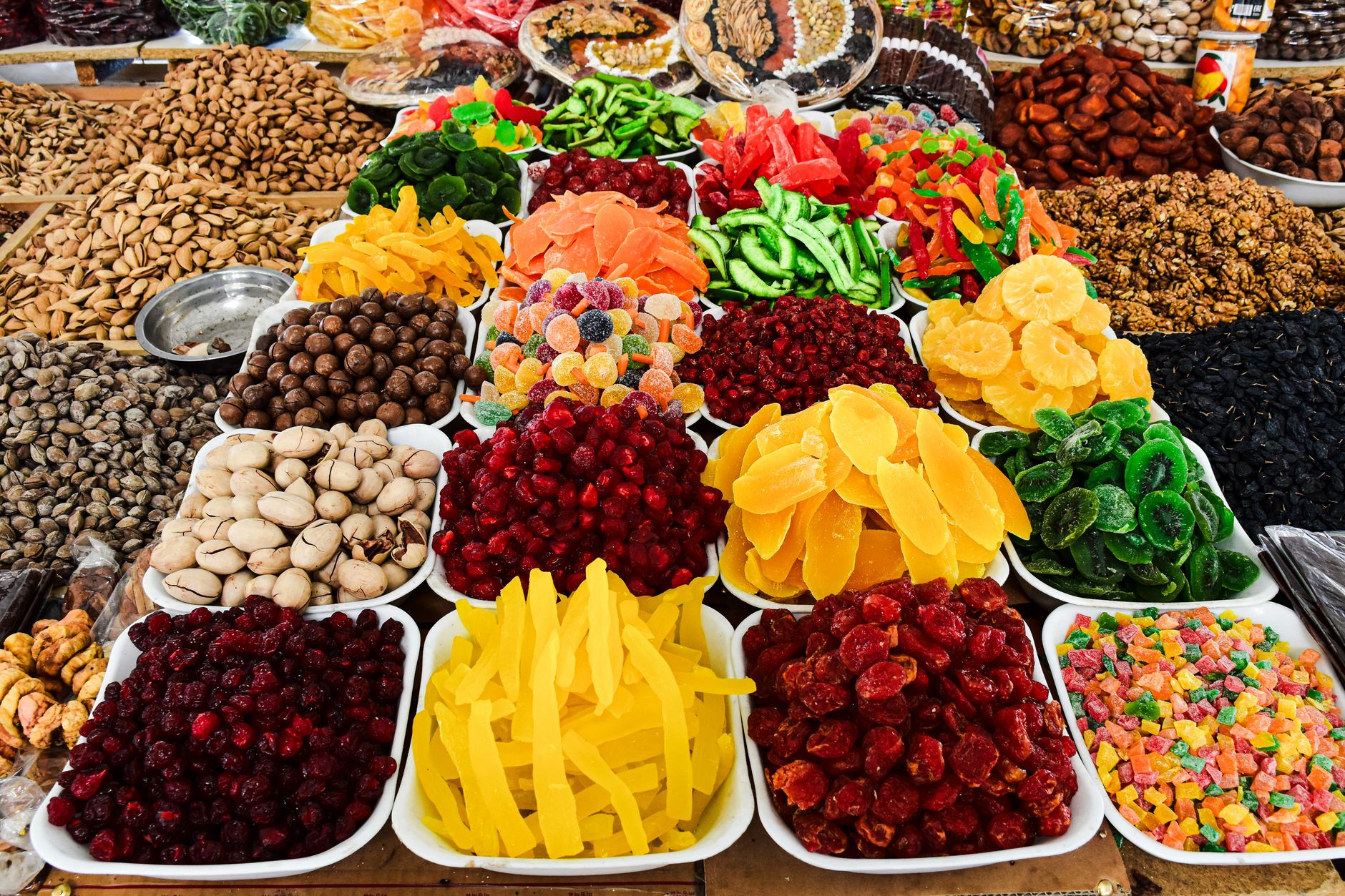
The dried fruit and nut vendors occupy their corner of Jemaa el-Fna with a particular kind of confidence — pyramids of dates, almonds, figs, and rose-pink sugar-dusted walnuts stacked into geometric towers that catch the light. Before the food stalls roll in for the evening and the square tilts toward spectacle, this is one of the calmer places to stop.
Vendors will wave you over, press a date into your palm before you've asked, and start a conversation that may or may not end in a purchase. That's the rhythm here. Tasting comes first. The stalls are open-sided, shaded by umbrellas, and the air carries something faintly sweet.
💛 What travellers fall for
People who come back tend to arrive around 4pm, when the square is still relatively open and the vendors have time to talk. Bargaining is expected — start well below what's quoted and move slowly. A small bag of medjool dates or spiced nuts travels well and costs very little.
How Dried Fruit and Nut Vendors came to be
Jemaa el-Fna dates to Marrakech's founding by the Almoravids around 1070, and trade has been part of its logic ever since. The square shifted uses over the centuries — including a stint as a transport hub in the 20th century — before being closed to cars entirely in 2000. In 2008, UNESCO recognised the square's living cultural practices as a Masterpiece of the Oral and Intangible Heritage of Humanity.
The dried fruit and nut trade connects to the Qassabine souk, historically associated with wickerwork, dried fruit, and spices — a division of goods by category that reflects how Marrakech's markets have long been organised, each zone with its own specialty and its own unwritten rules.
Who and what shaped it
Landmark buildings
See Dried Fruit and Nut Vendors in motion
Plan your visit
On the map
When to go
Spring (March to May) and autumn (September to November) are the most comfortable seasons to browse here. In July and August temperatures can push past 40°C, so an evening visit after 5pm makes more sense than a midday one; winter evenings can drop below 10°C, so bring a layer.
Right now
Background & history adapted from Wikipedia (CC BY-SA) · specs from Wikidata (CC0) · weather from Open-Meteo · map data © OpenStreetMap contributors · photos from Wikimedia Commons / Unsplash with per-image credit. No third-party reviews or social posts reproduced.