
Fortune Tellers Section
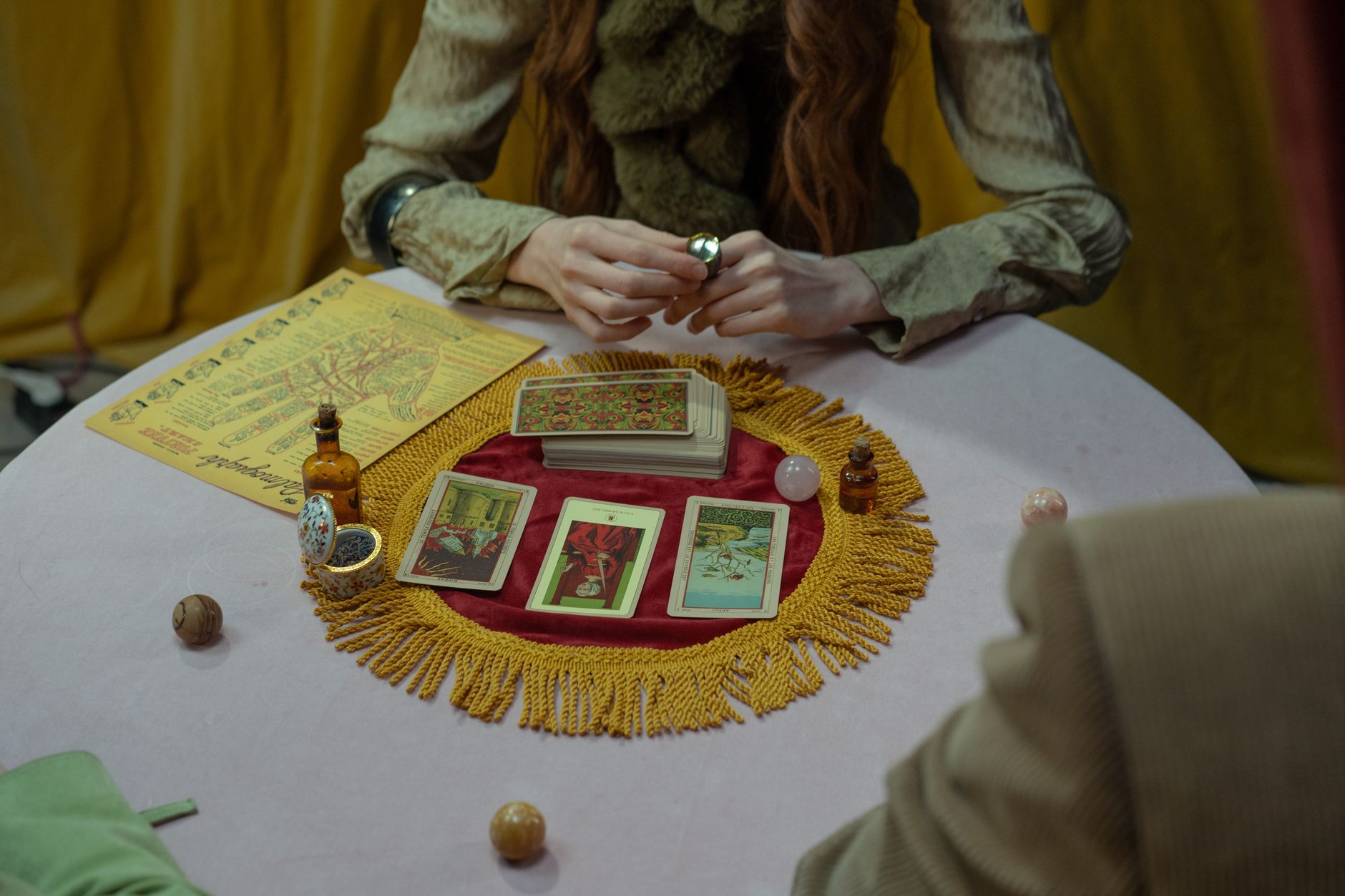
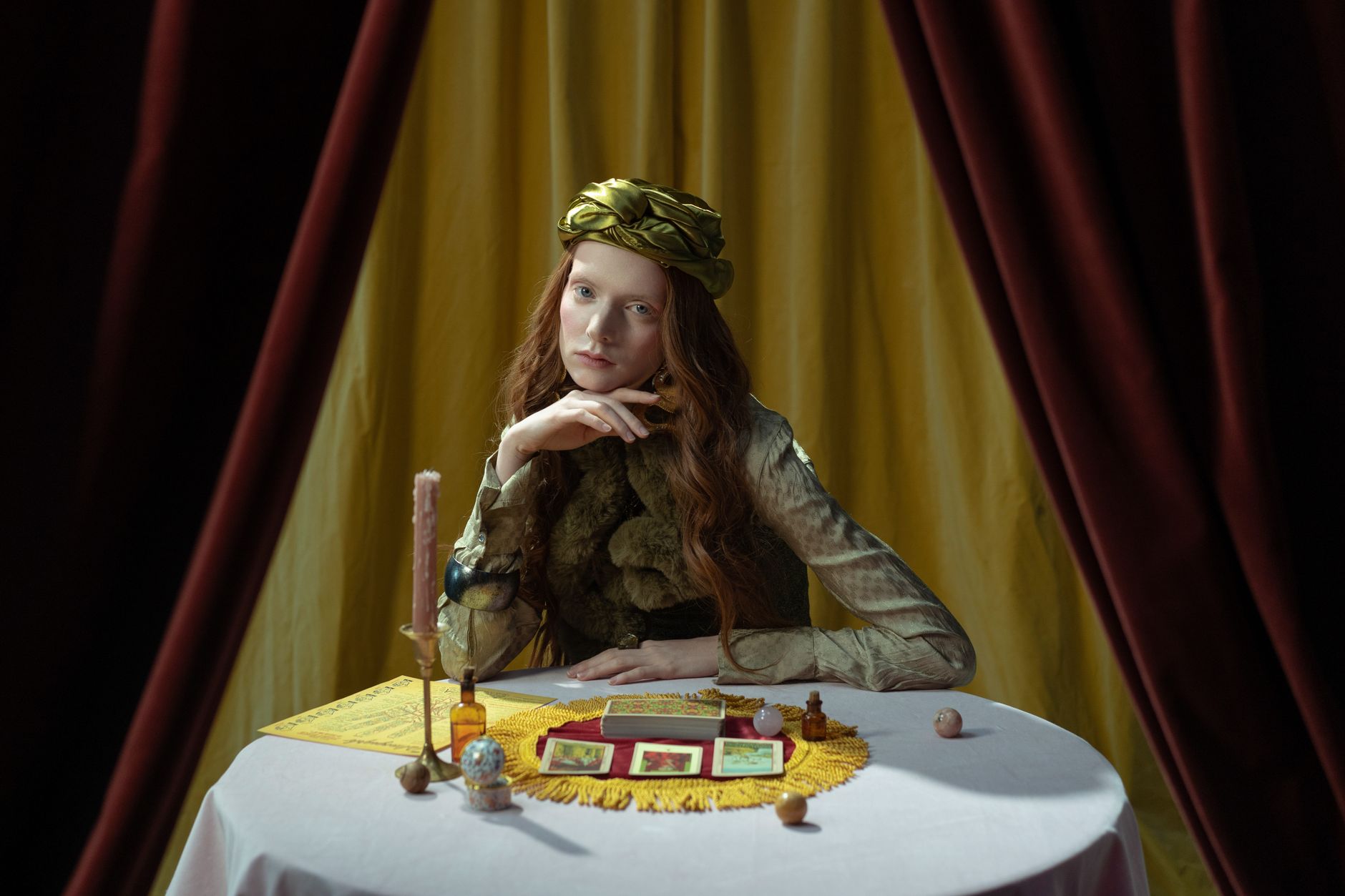
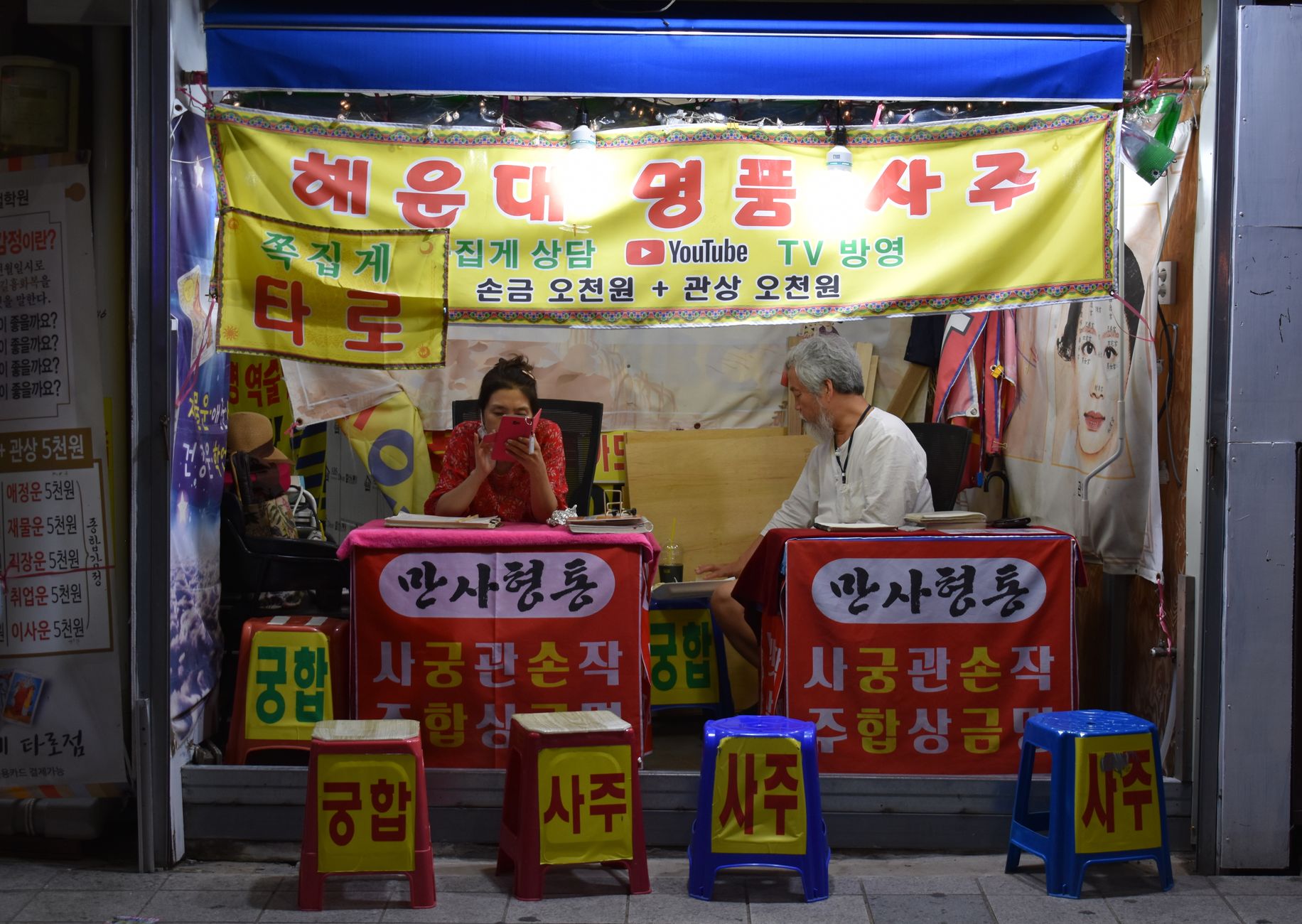
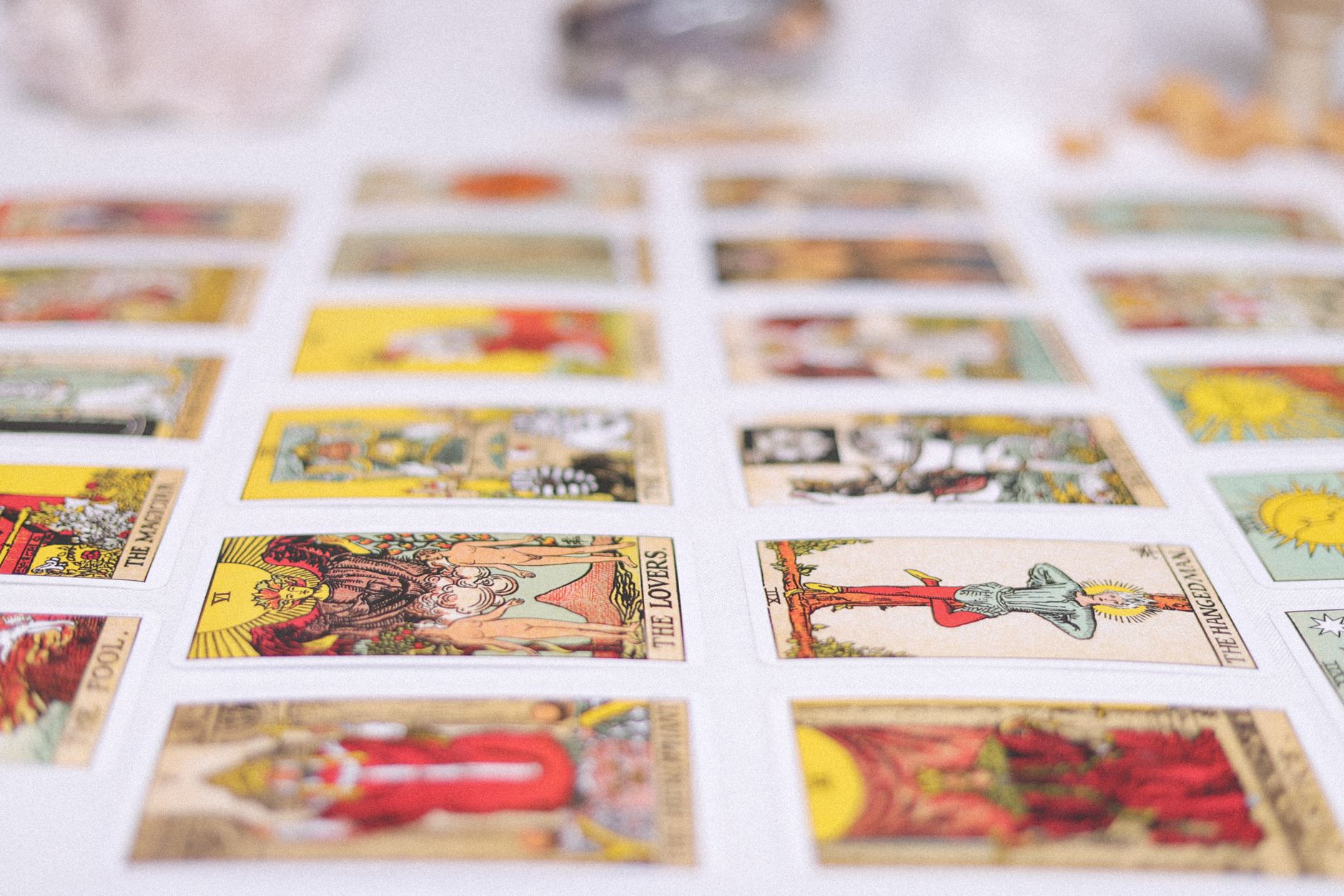
Somewhere in the open expanse of Jemaa el-Fna, among the acrobats and the orange-juice carts and the smoke from the night grills, you'll find them: old men and women sitting very still beneath blue umbrellas, waiting. They are known locally as Lalla — a title of respect — and they work in palm lines and tarot cards, in the patient language of futures not yet arrived. They don't advertise.
This is not a cordoned-off zone with a sign above it. The fortune tellers are simply there, scattered across the square, part of the same centuries-old human theatre that has always drawn people to this place to seek something — entertainment, answers, a stranger's attention.
💛 What travellers fall for
People who come back to the square more than once tend to say the same thing: find the fortune tellers before sunset, when the square is still relatively calm. Later, the crowd thickens and the noise makes the quiet transaction of a palm reading feel rushed. Agree on a price before you sit down.
How Fortune Tellers Section came to be
The square the fortune tellers occupy is old in a way that most public spaces are not. Jemaa el-Fna traces its origins to the founding of Marrakech by the Almoravid dynasty in 1062, and grew in significance under the Almohads after 1147, who rebuilt the city around it. Its earliest function was far darker — a site of public execution — but over centuries it became the city's main stage for storytellers, poets, and performers of every kind.
UNESCO recognised the square in 2001 as a place of intangible cultural heritage, and it has been protected as an urban landmark since 1922. The fortune tellers are part of that continuum — no founding date, no formal designation, just a practice that has quietly persisted alongside everything else.
Who and what shaped it
Landmark buildings
See Fortune Tellers Section in motion
Plan your visit
On the map
When to go
Spring and autumn are the most comfortable seasons to spend time in the square — warm enough to linger without the weight of summer heat. In July and August, temperatures can climb past 40°C; if you're visiting then, come in the early evening when the light drops and the square begins its nightly transformation.
Right now
Background & history adapted from Wikipedia (CC BY-SA) · specs from Wikidata (CC0) · weather from Open-Meteo · map data © OpenStreetMap contributors · photos from Wikimedia Commons / Unsplash with per-image credit. No third-party reviews or social posts reproduced.