
Henna Artists Corner
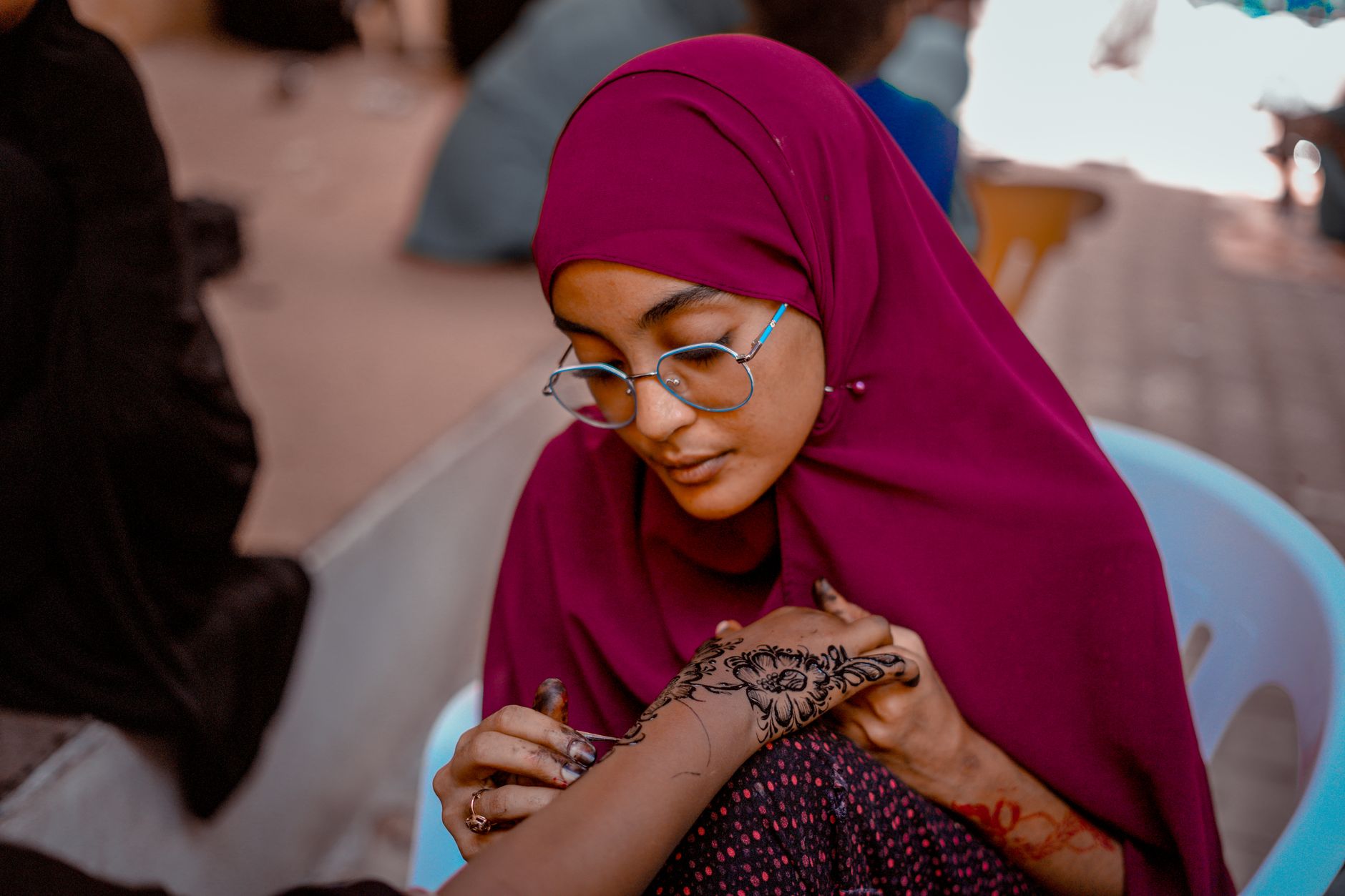
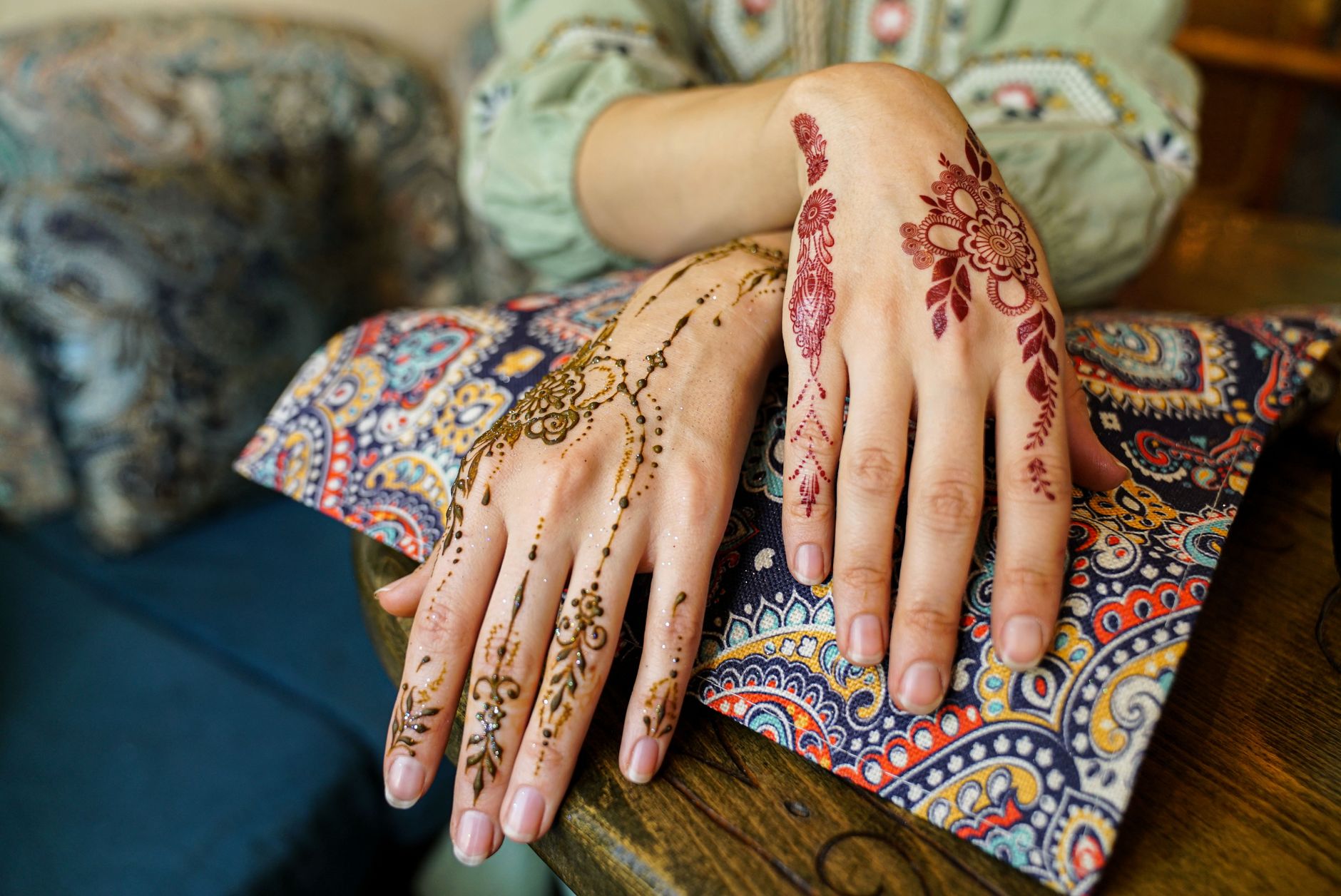
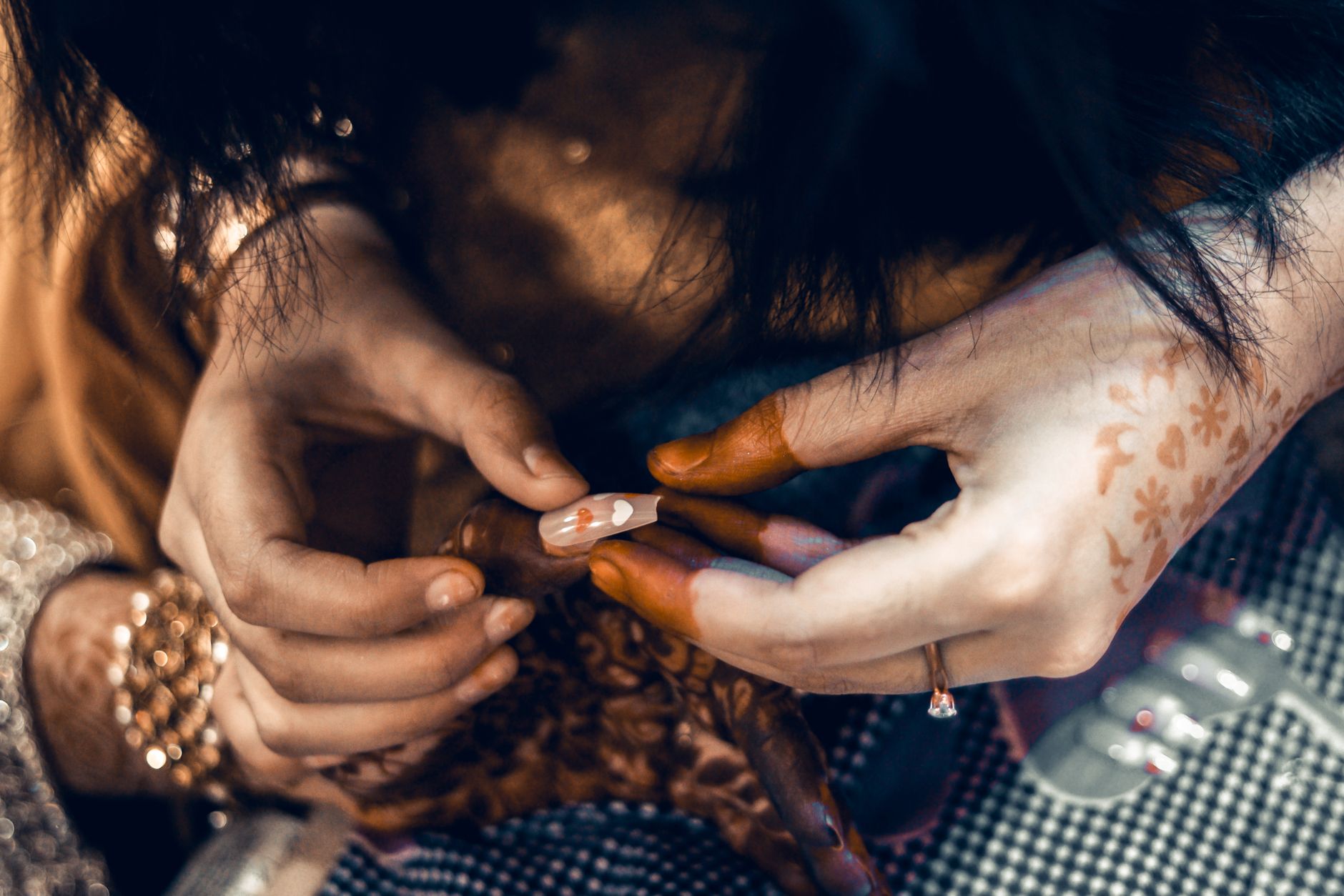
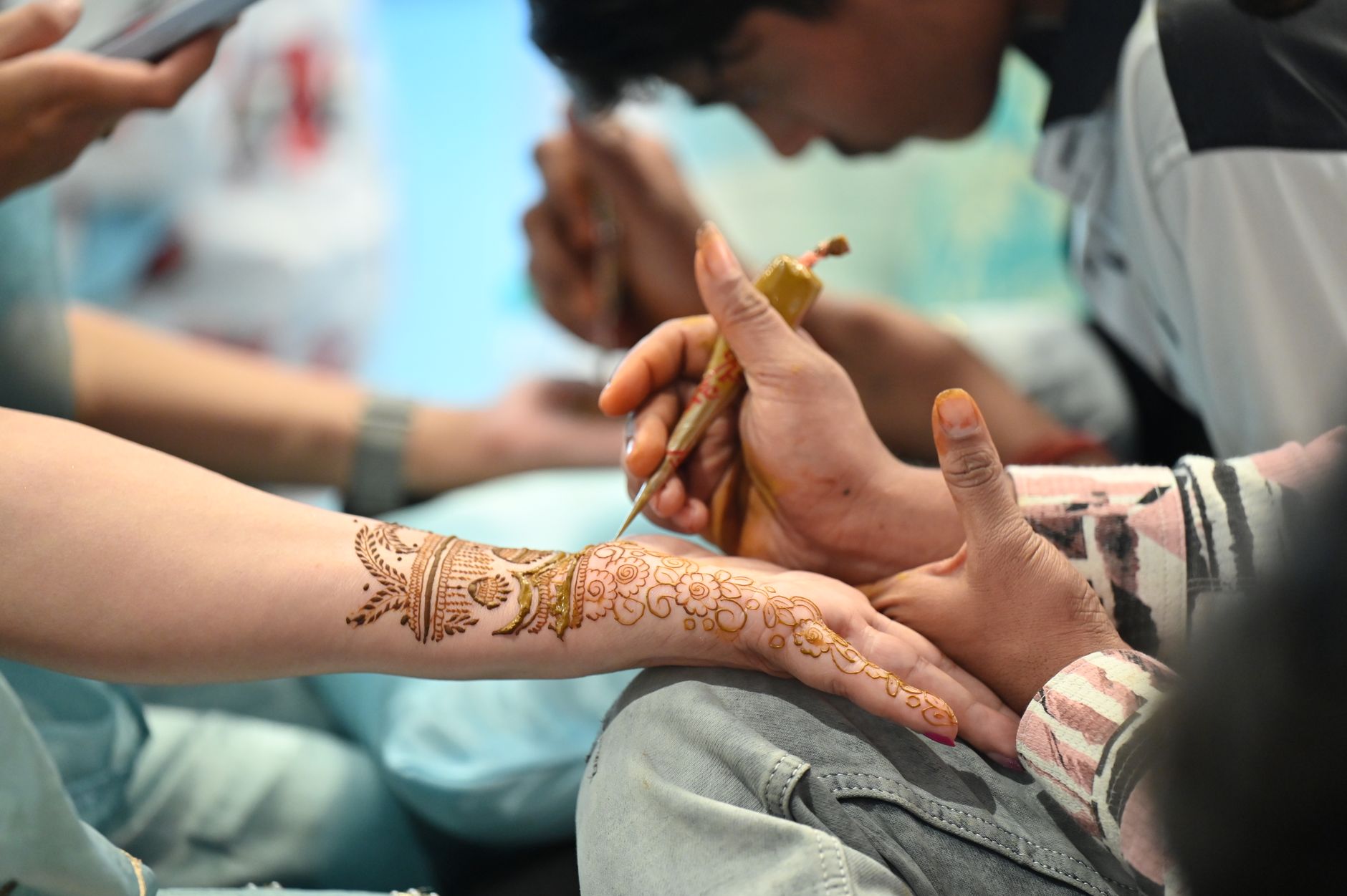
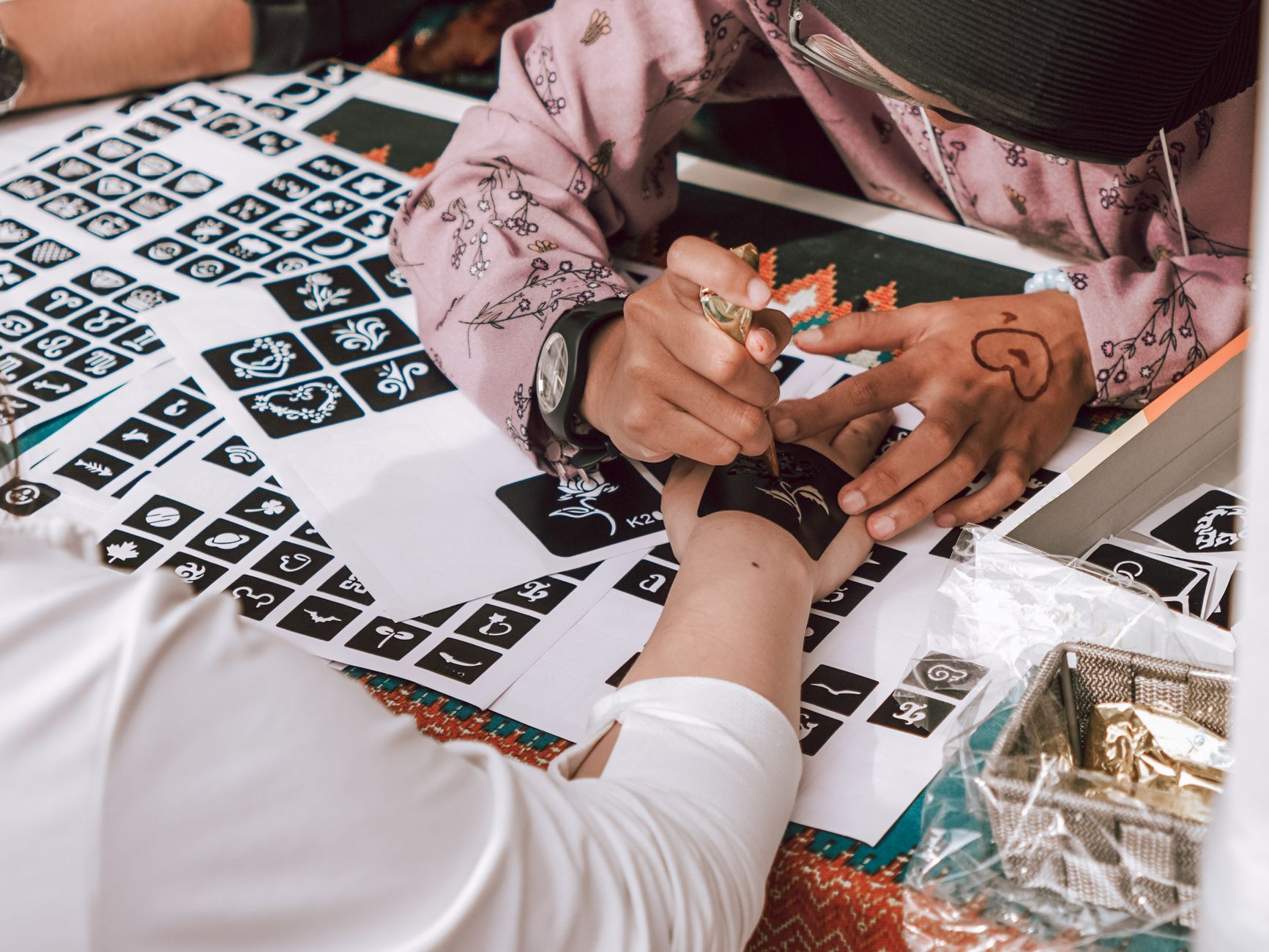
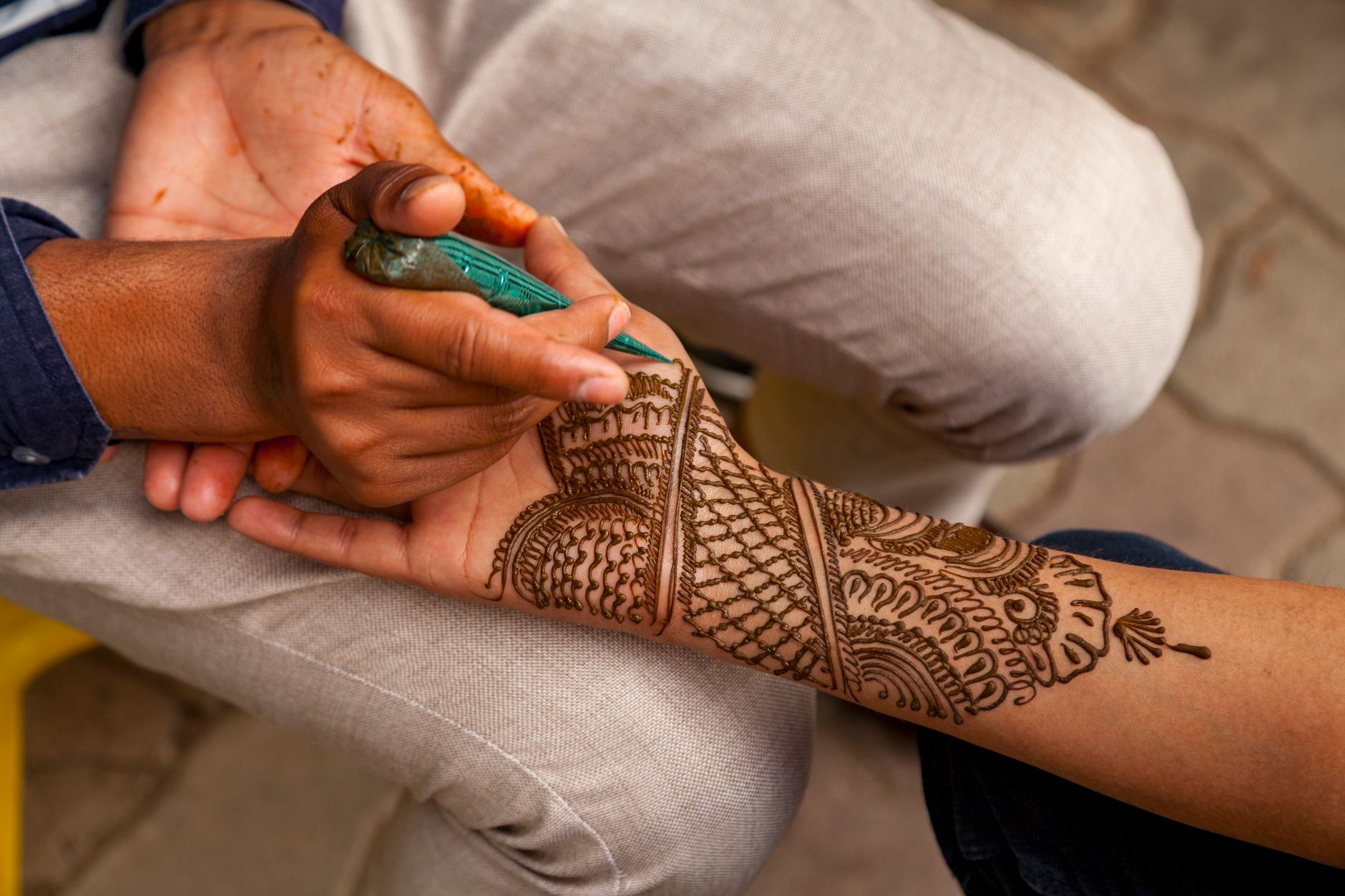
Somewhere along the edges of Jemaa el-Fna, women sit on low stools with small bowls of dark paste and a patience that belongs to another century. They'll catch your eye, gesture at a laminated card of designs, and before you've quite decided, your hand is already being held steady. The henna comes from the dried leaves of Lawsonia inermis — a plant with deep roots in Berber culture — and the paste is applied in fine lines that will stain your skin for one to three weeks.
This isn't a formal zone with a sign above it. It's a loose gathering of mostly women who set up at the square's periphery, particularly as the afternoon light softens. Agree on the design and the price before the cone touches your skin.
💛 What travellers fall for
People who come back tend to say the same thing: go early evening, when the light is good and the artists are less rushed. Ask to see the natural paste — it should be dark green-brown, not black. Black henna contains chemicals that can blister skin badly. A small wrist motif runs roughly 50–80 MAD if you settle the price first.
How Henna Artists Corner came to be
Jemaa el-Fna dates to 1062, when the Almoravid dynasty founded Marrakech and the square took shape as the city's civic and commercial heart. The Saadian sultan Ahmad al-Mansur later attempted to build a grand mosque here, but construction was abandoned — possibly because plague interrupted the work — and the square returned to its role as gathering place rather than monument.
In 1922 the square received formal protection as part of Morocco's artistic heritage, and in 2001 UNESCO proclaimed it a Masterpiece of Oral and Intangible Heritage — one of the first such designations in the world. Henna practice itself is rooted in Berber tradition, though exactly when artists began working this particular square is unrecorded.
Who and what shaped it
People who shaped it
Landmark buildings
See Henna Artists Corner in motion
Plan your visit
On the map
When to go
Spring (March to May) and autumn (September to November) are the most comfortable seasons — warm enough to sit outside while your henna dries without the intensity of a Marrakech summer. In July and August temperatures can push past 40°C, so an evening visit, when the square comes fully alive anyway, is the practical move.
Right now
Background & history adapted from Wikipedia (CC BY-SA) · specs from Wikidata (CC0) · weather from Open-Meteo · map data © OpenStreetMap contributors · photos from Wikimedia Commons / Unsplash with per-image credit. No third-party reviews or social posts reproduced.