
Hivernage
Hivernage is where Marrakech loosens its collar. Wide, tree-lined avenues replace the Medina's labyrinthine lanes, and the pace shifts — hotel terraces, a working casino, the unfinished dome of the Théâtre Royal catching afternoon light. This is the city's French-protectorate quarter made good: grand without being cold, polished without erasing its own past.
At its southeastern edge sits La Mamounia. In its centre, Harti Gardens offers shade that actually delivers. And from almost anywhere in the neighbourhood, Jemaa el-Fna is less than ten minutes on foot — close enough to feel the pull, far enough to sleep through it.
💛 What travellers fall for
People who come back tend to anchor at La Mamounia for a drink even when they're not staying there, and they always walk Boulevard Mohammed VI in the early evening when the light goes amber. The Théâtre Royal is worth circling — the dome's permanent incompleteness is stranger and more interesting up close than any photograph suggests.
Deals in Hivernage
Book directly at the provider


How Hivernage came to be
Hivernage took its name from its original function: a winter resort, a place for affluent Europeans to sit out the cold season in warmth. The neighbourhood's bones were laid around 1920, when French urban planner Henri Prost shaped its grid of wide boulevards — a deliberate counterpoint to the Medina's organic density. During the protectorate years (1912–1956), colonial officials and wealthy visitors filled the villas and early hotels, and Marrakech began its long career as a destination for the moneyed and the curious.
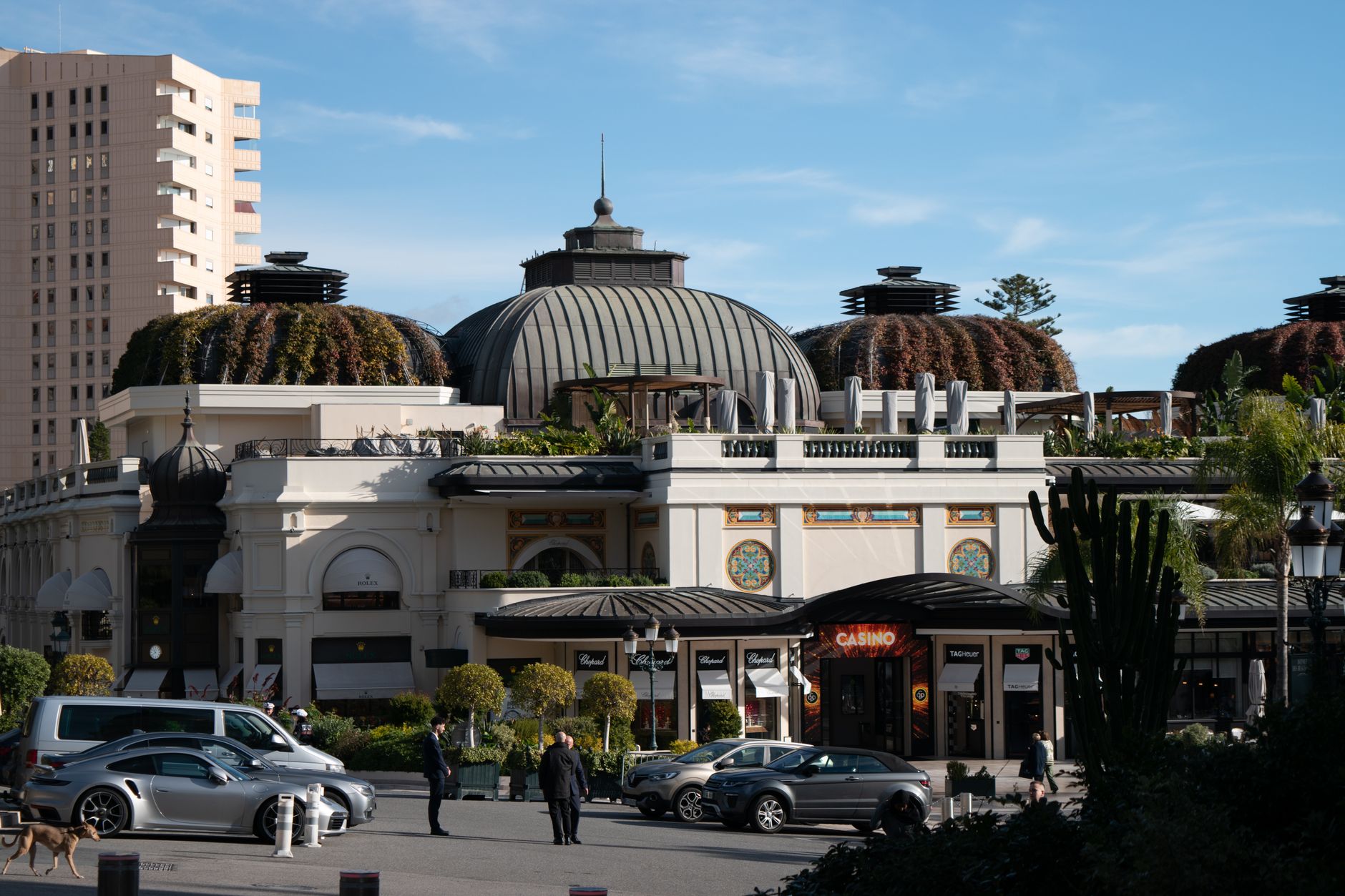
The Casino de Marrakech, inaugurated in 1952 and renovated in 2003, was the neighbourhood's great engine — the anchor that gave Hivernage its identity as a place where the city came to play. The Palais des Congrès and Charles Boccara's Théâtre Royal came later, adding institutional weight to what had begun as a pleasure quarter.
Who and what shaped it
People who shaped it
Landmark buildings
See Hivernage in motion
Plan your visit
On the map
When to go
Spring (March to mid-June) and autumn (late September to mid-November) are the most forgiving seasons — warm days, cool evenings, and manageable crowds. Winters are mild by day but can drop near freezing after dark; summers are genuinely brutal, with July and August regularly exceeding 36°C and occasional spikes well beyond that.
Right now
↡ Shopping areas
Background & history adapted from Wikipedia (CC BY-SA) · specs from Wikidata (CC0) · weather from Open-Meteo · map data © OpenStreetMap contributors · photos from Wikimedia Commons / Unsplash with per-image credit. No third-party reviews or social posts reproduced.