
Hôtel Mansour Eddahbi
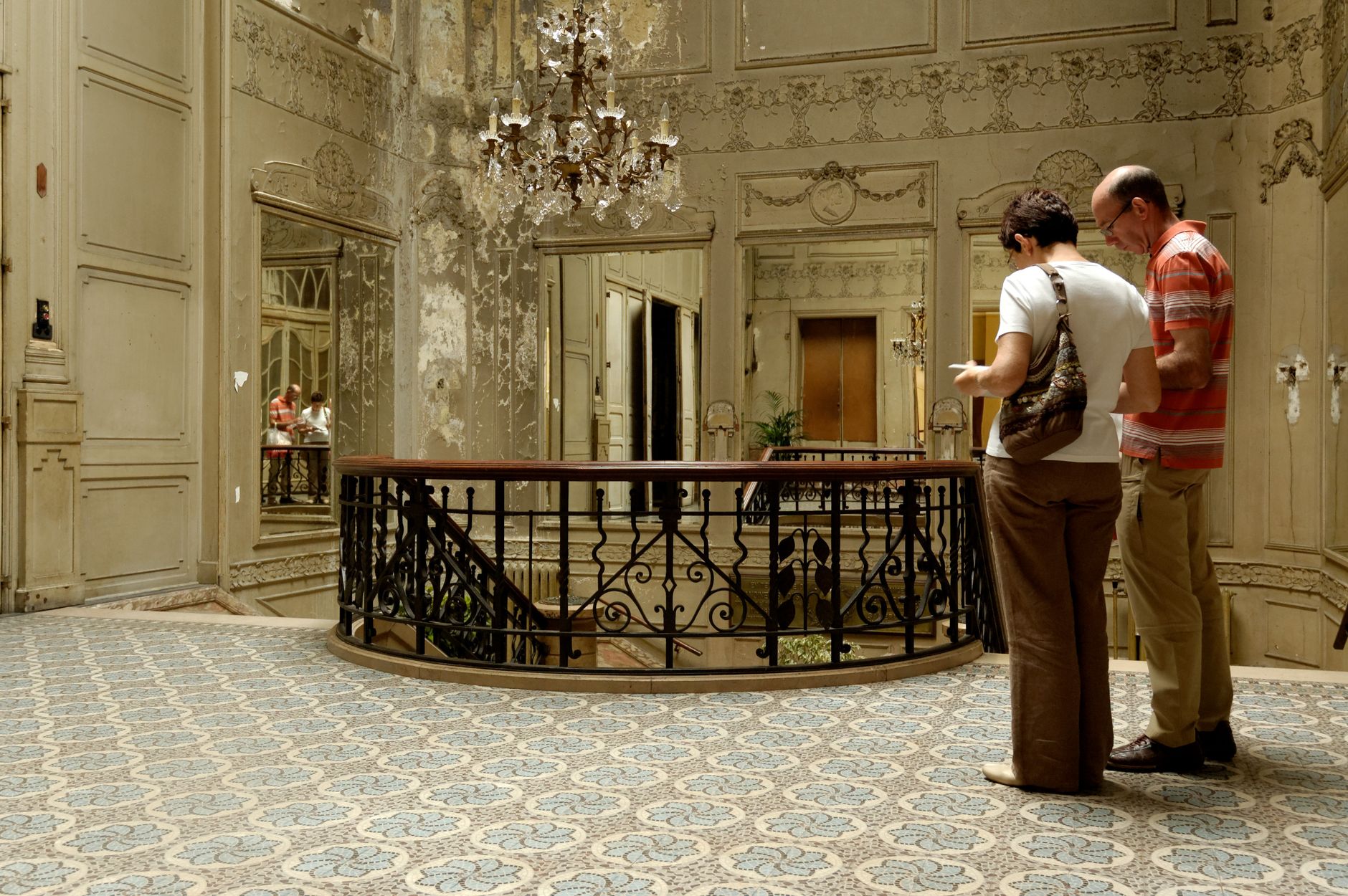
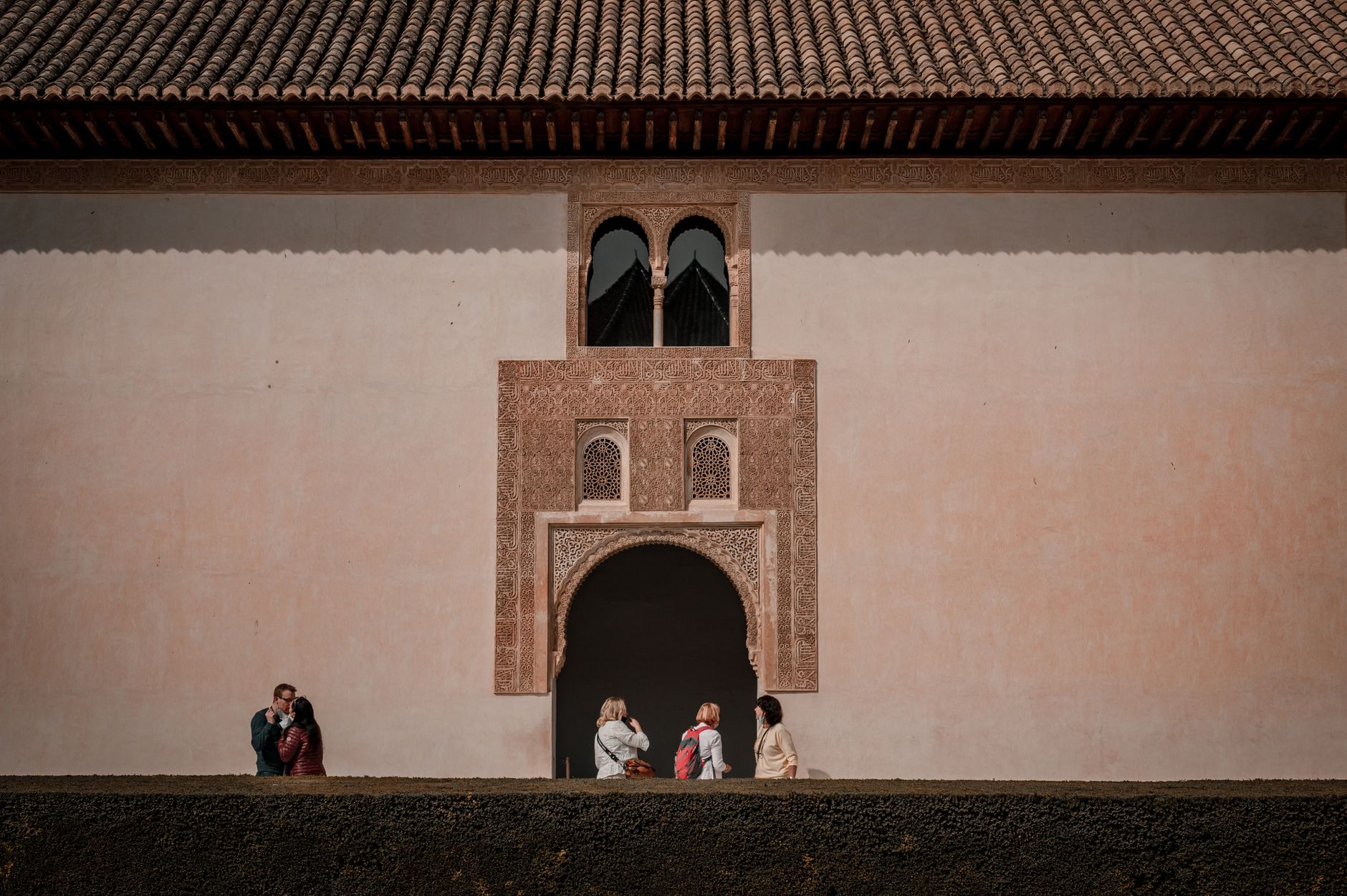
The first thing you notice in the lobby is the chandelier — a drop of hammered copper suspended inside a dome, catching light the way water does. Seven blush-pink buildings spread across five hectares of Hivernage, the quieter, tree-lined quarter that sits just west of the medina's noise. Peacocks wander the gardens. Rabbits appear near the hedgerows at dusk.
The Mansour Eddahbi operates on a scale that could feel impersonal — 503 rooms, eight restaurants, three heated pools held at 28°C through winter — but the proportions of the place keep it grounded. Mashrabiya screens filter the afternoon light. The Cinq Mondes spa runs deep into the building. The Palais des Congrès is connected directly, which explains the mix of conference delegates and leisure travellers at the pool bar.
💛 What travellers fall for
People who come back tend to claim a pool early — the water stays warm even in January when the air dips cold at night. The concierge desk is worth a conversation on arrival: hot air balloon flights over the Haouz plain get booked out fast, and the team here moves quickly when you ask.
How Hôtel Mansour Eddahbi came to be
The hotel opened in 1989 and takes its name from Ahmed Al Mansour Eddahbi, the sixth sultan of the Saadian dynasty. His epithet translates roughly as 'the Victorious, the Golden' — a sultan credited with steering Marrakech through a period of cultural and architectural ambition in the sixteenth century. Naming a large modern hotel after him is a particular kind of civic pride: connecting a new institution to the city's older idea of itself.
The property was renovated in 2016, which is when the current interiors — the copper chandelier, the fountain, the mashrabiya detailing — took their present form. The connection to the Palais des Congrès, Marrakech's main conference centre, has shaped the hotel's character since the beginning: it has always been as much a working venue as a leisure one.
Who and what shaped it
Landmark buildings
See Hôtel Mansour Eddahbi in motion
Plan your visit
On the map
When to go
March and April bring warm days and the occasional cold night, with a south wind that can push temperatures unexpectedly high by late spring. Autumn, from late September through mid-November, is steadier — warm afternoons, cool evenings, rarely any rain. July and August are genuinely hot, averaging above 36°C most days.
Right now
Background & history adapted from Wikipedia (CC BY-SA) · specs from Wikidata (CC0) · weather from Open-Meteo · map data © OpenStreetMap contributors · photos from Wikimedia Commons / Unsplash with per-image credit. No third-party reviews or social posts reproduced.