
Rue de Yougoslavie
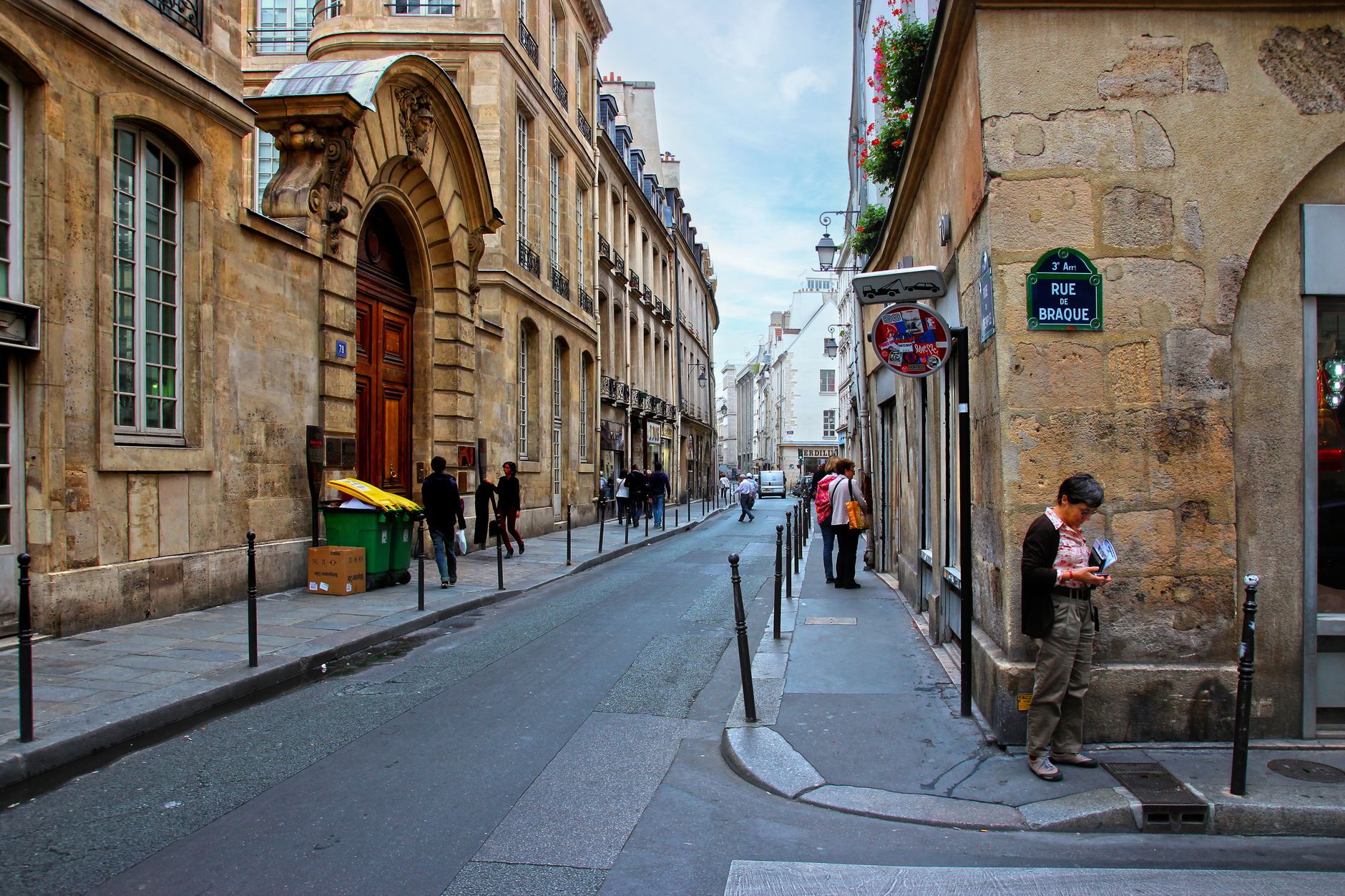
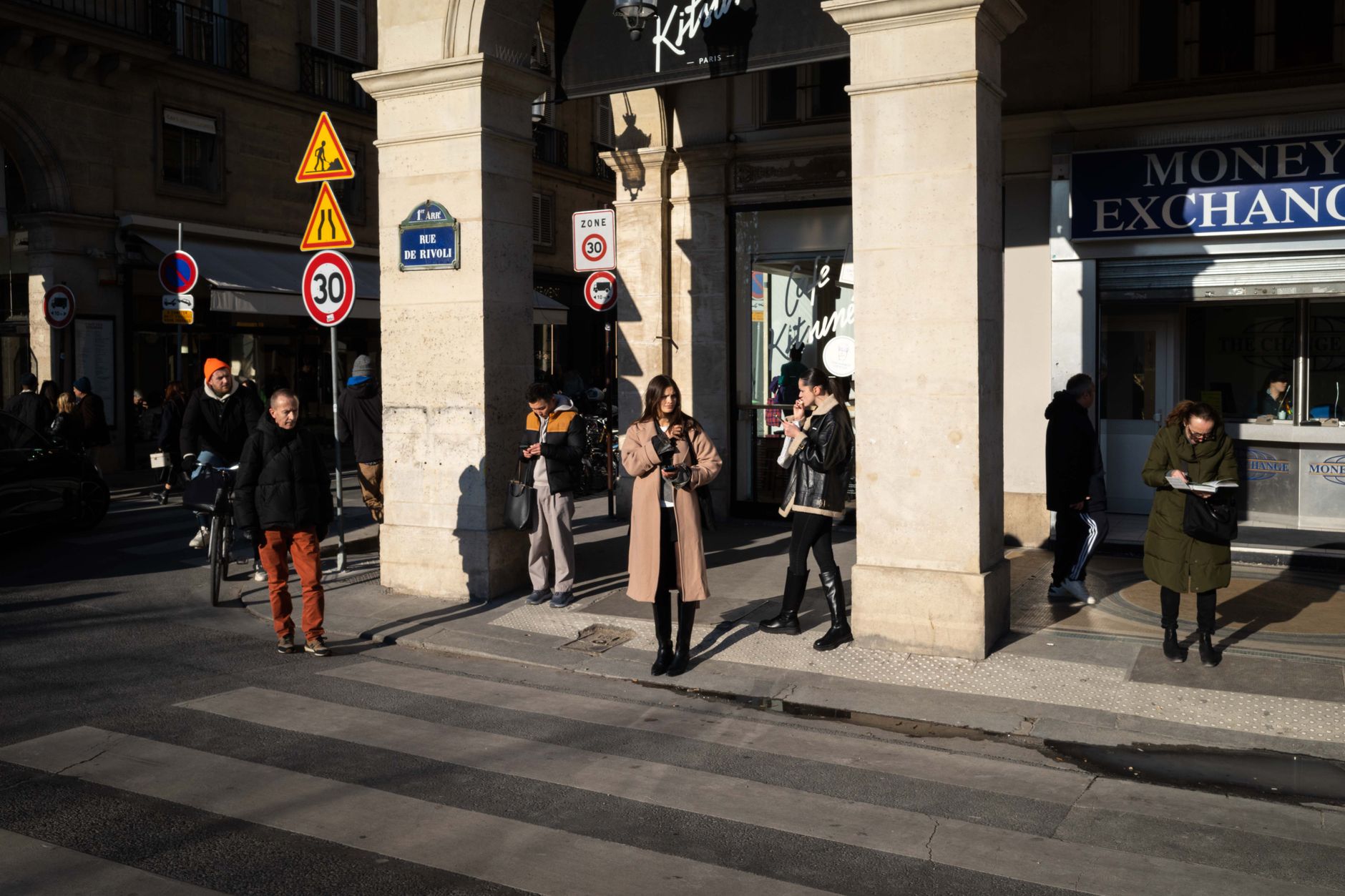
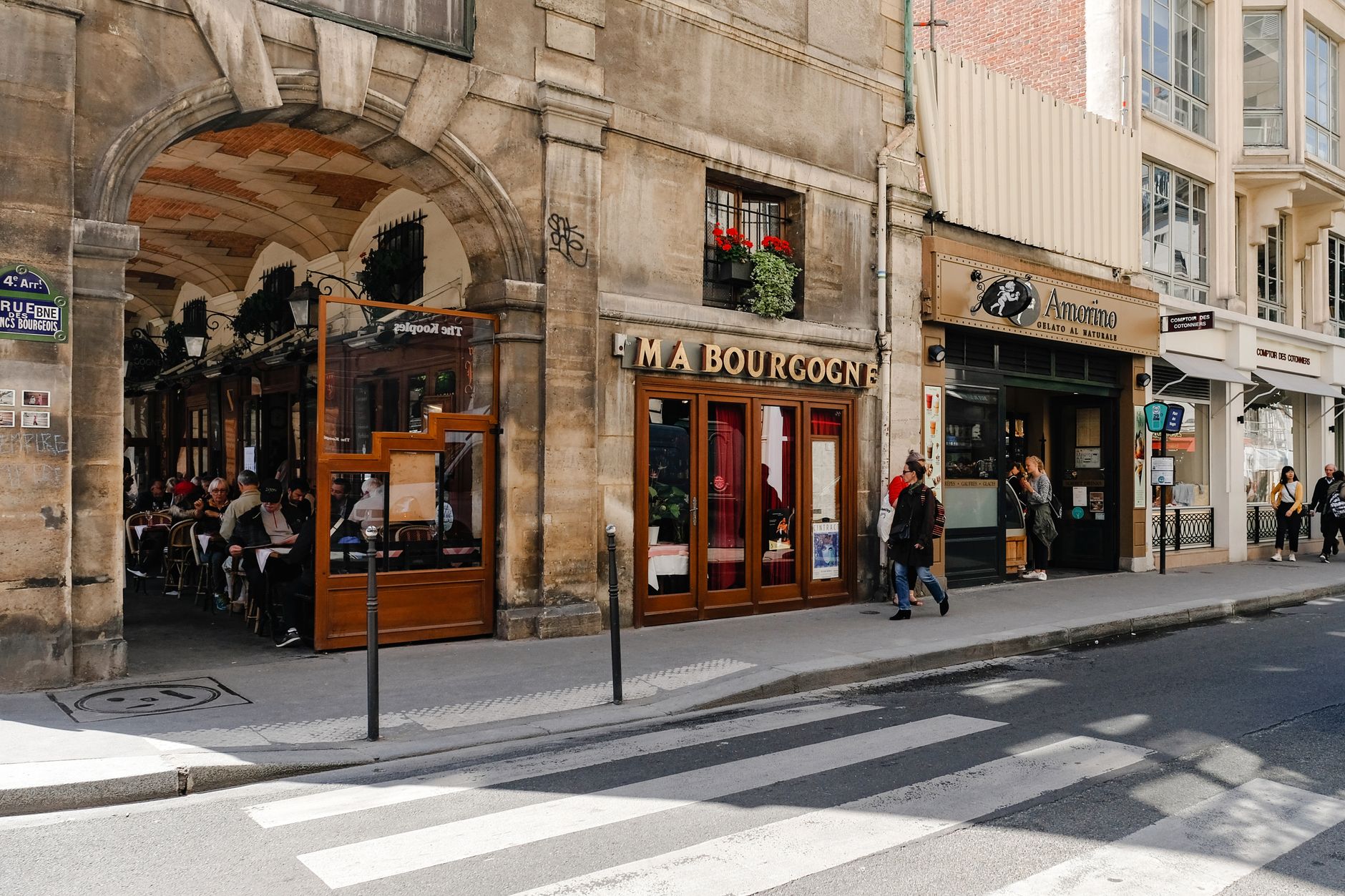
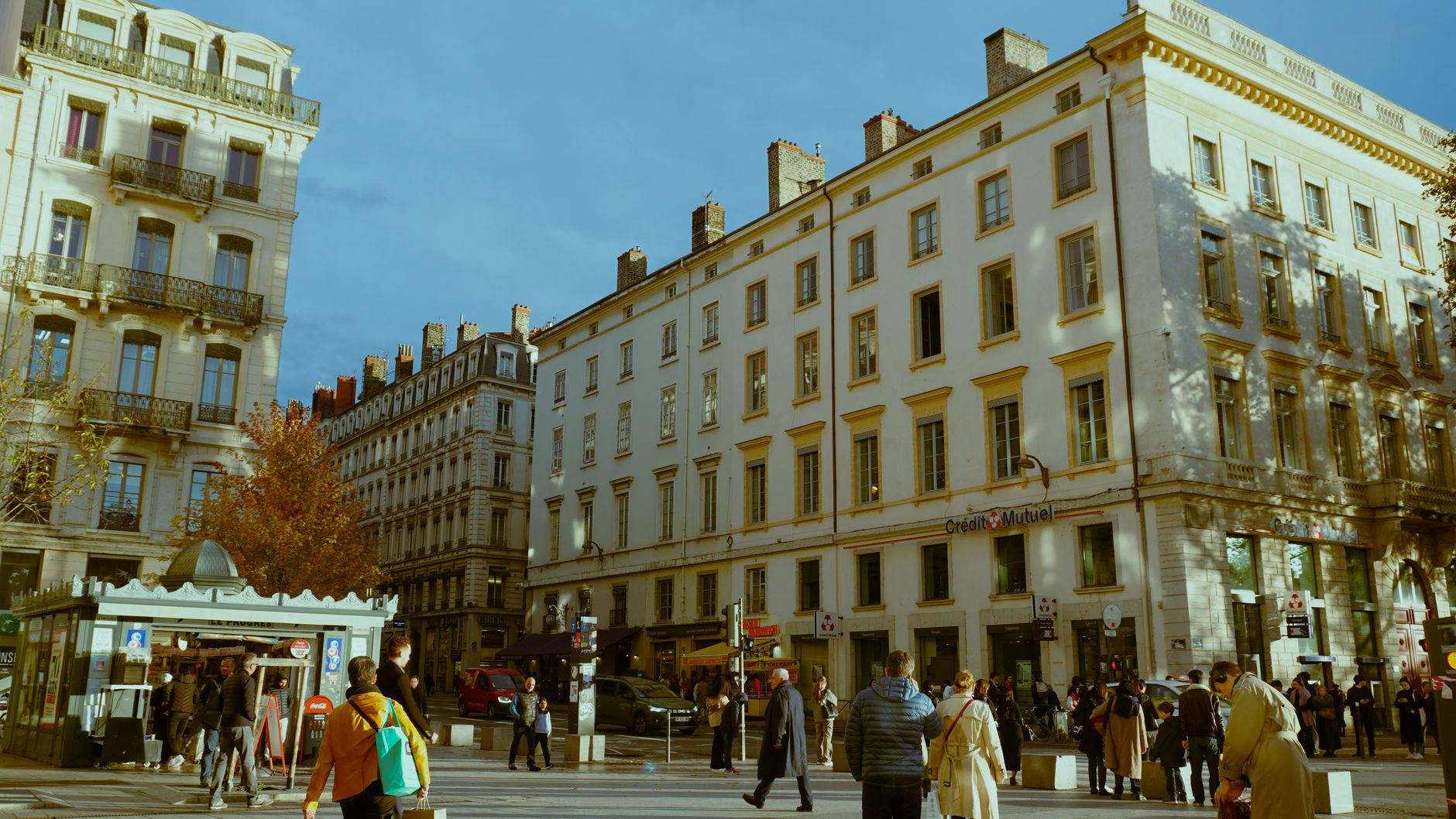

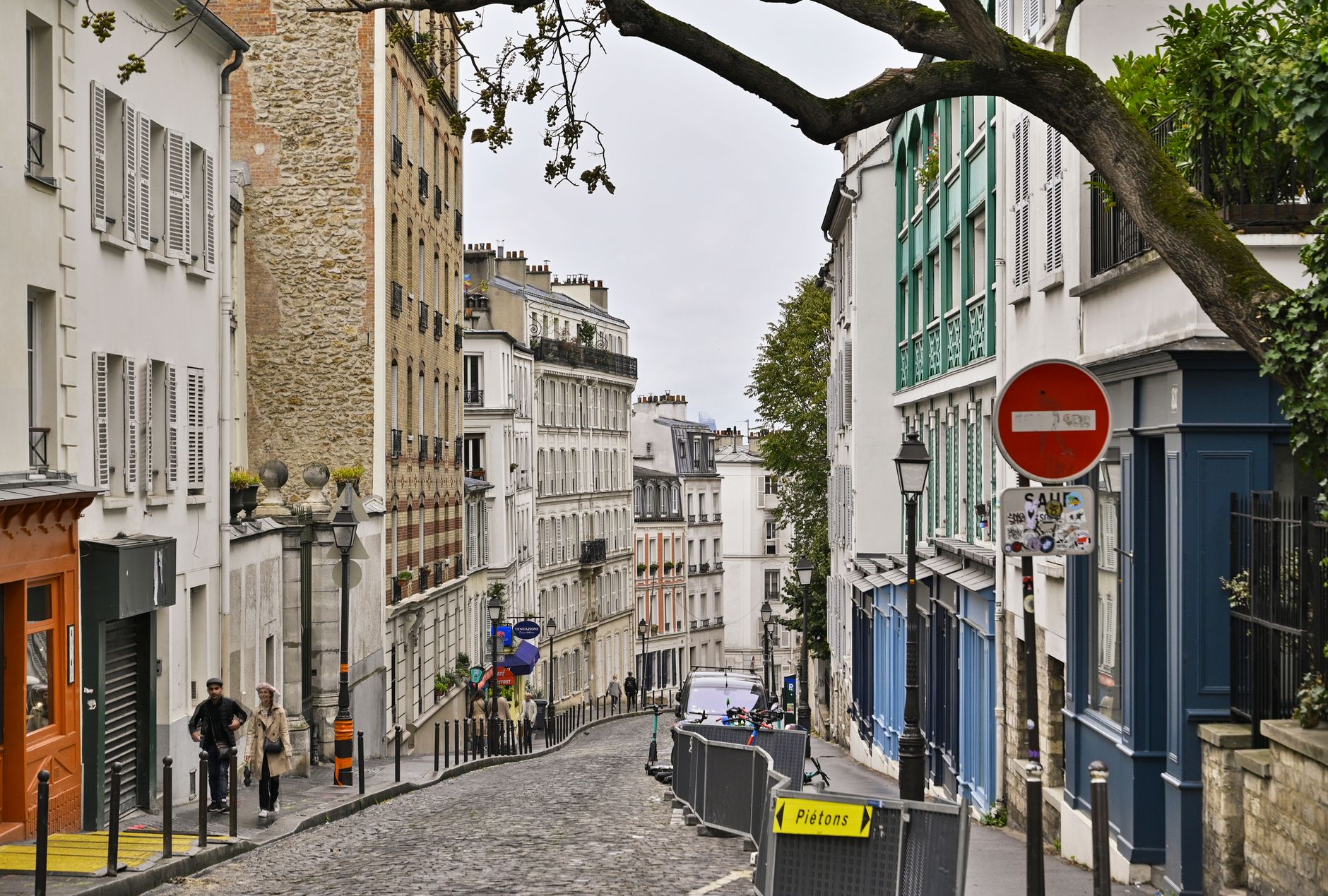
Rue de Yougoslavie runs through Hivernage with a quieter ambition than the medina a ten-minute walk away. The avenue is wide, shaded by palms and old olive trees, and the pace here is unhurried in a way that feels almost deliberate — this is a neighbourhood built for people who wanted to linger, not hurry.
The street sits within a grid of hotels, gardens and low-rise villas that makes up Marrakech's most European-feeling quarter. You won't find souks or spice stalls. What you'll find instead is a place to decompress, eat well, and watch the Atlas Mountains go pink at dusk from a terrace.
💛 What travellers fall for
People who come back to Hivernage tend to treat Rue de Yougoslavie as a corridor between meals rather than a destination in itself — walking it in the early evening when the heat has dropped, stopping at whichever terrace has a free table, then drifting toward Place de l'Hivernage or the Es Saadi gardens as the night settles in.
How Rue de Yougoslavie came to be
Hivernage was drawn up around 1910 by French colonial authorities as a winter retreat for wealthy Europeans escaping northern cold. Urban planner Henri Prost shaped its layout around 1920, applying garden-city principles — wide boulevards, planted verges, room to breathe — to what had been empty land on the medina's western edge.
The neighbourhood found its identity in the 1930s and accelerated after the casino opened in the 1950s. Through the protectorate years (1912–1956), colonial officials and affluent visitors settled here, and the architecture that remains shows the hybrid logic of the era: Art Deco geometry softened with Moorish revival ornament. Rue de Yougoslavie's name is a remnant of that mid-century moment, when Yugoslavia was a fixed point on Europe's diplomatic map.
Who and what shaped it
Landmark buildings
Plan your visit
On the map
When to go
Spring (March to April) and autumn (late September through November) are the most comfortable seasons — warm days, cool evenings, and the mountains visible in sharp relief. Summer temperatures regularly hit 38–40°C, which is manageable in the dry air but still demanding for long stretches on foot; the shaded avenues help.
Right now
Background & history adapted from Wikipedia (CC BY-SA) · specs from Wikidata (CC0) · weather from Open-Meteo · map data © OpenStreetMap contributors · photos from Wikimedia Commons / Unsplash with per-image credit. No third-party reviews or social posts reproduced.