
Marrakech Museum
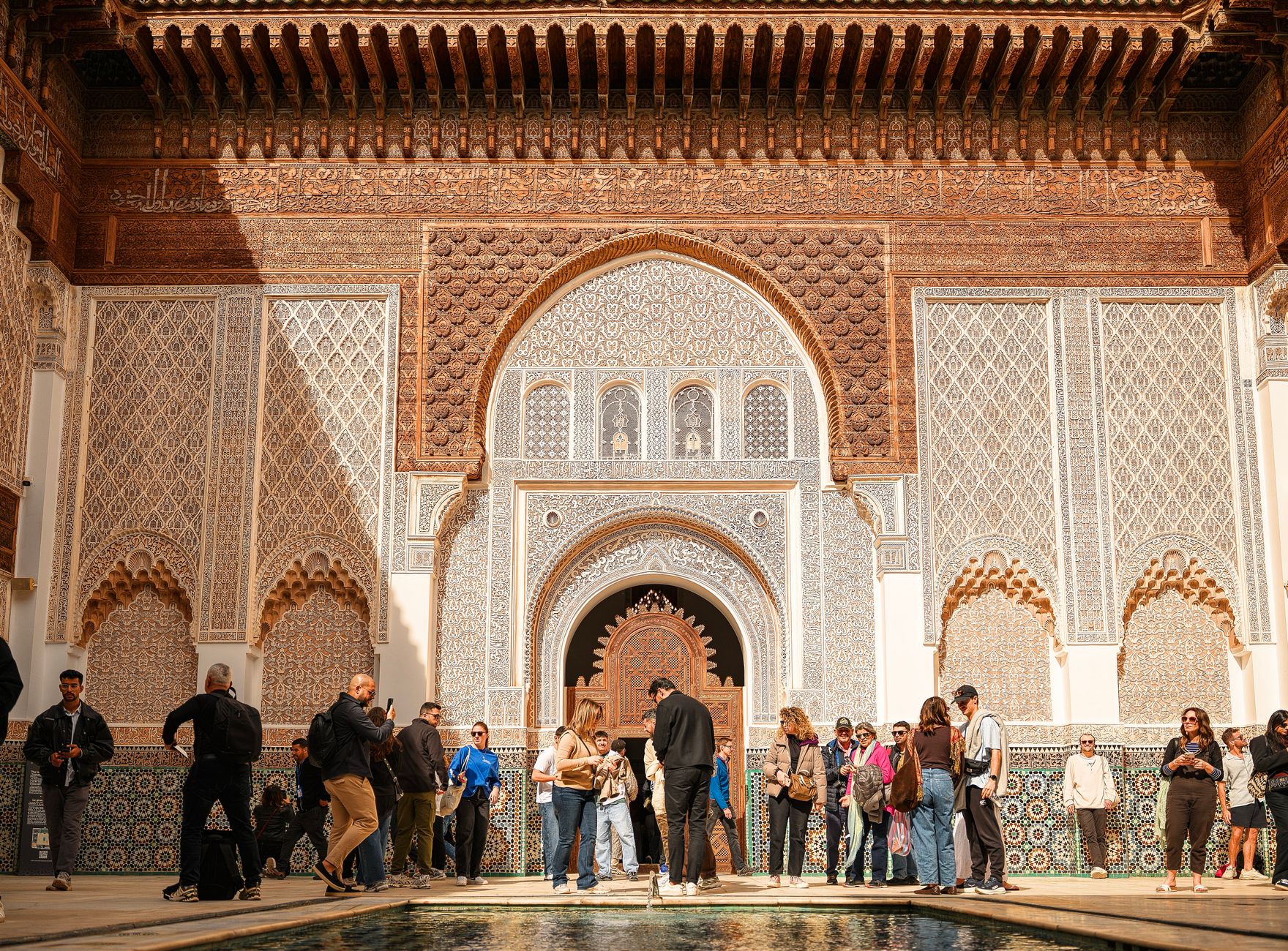
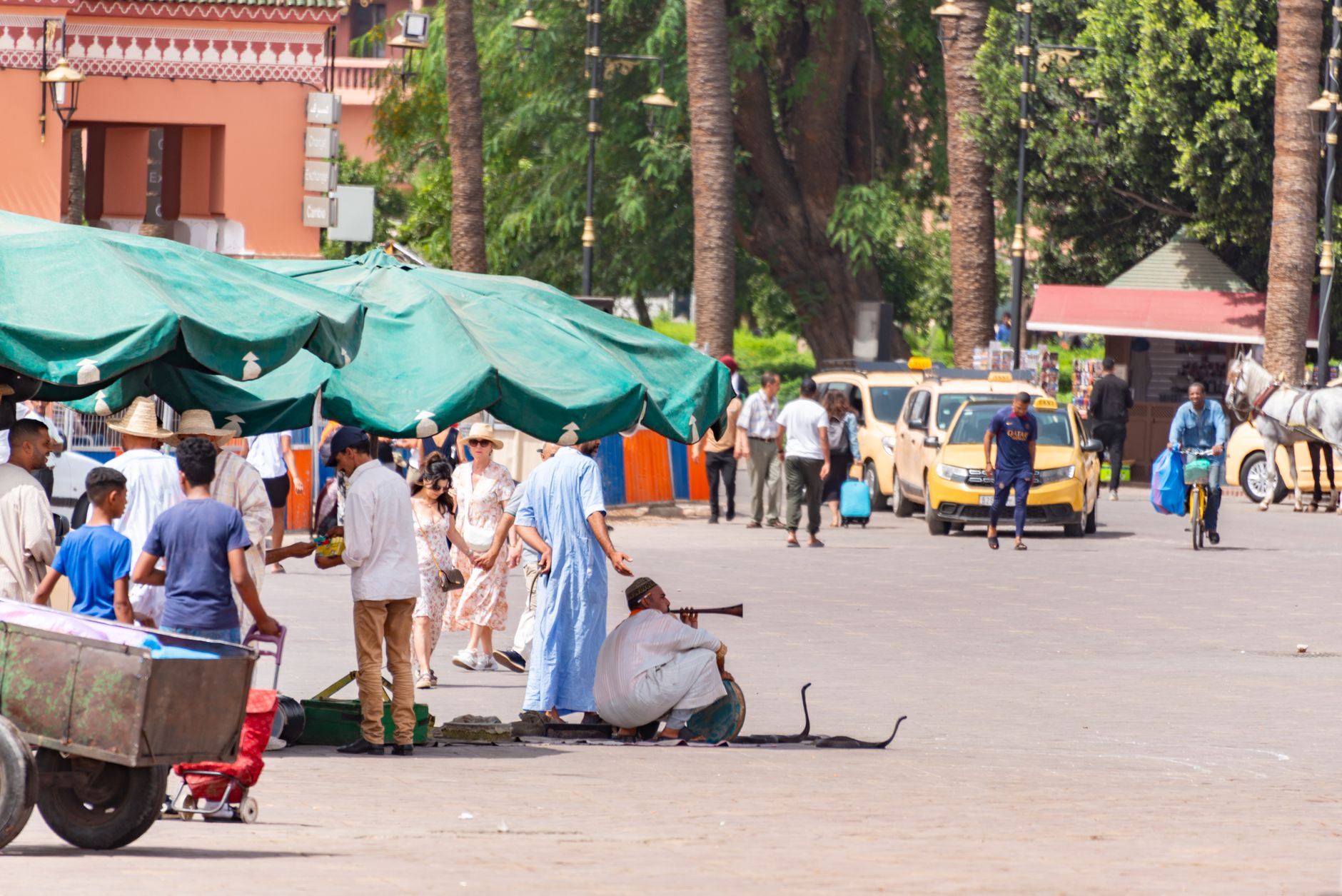
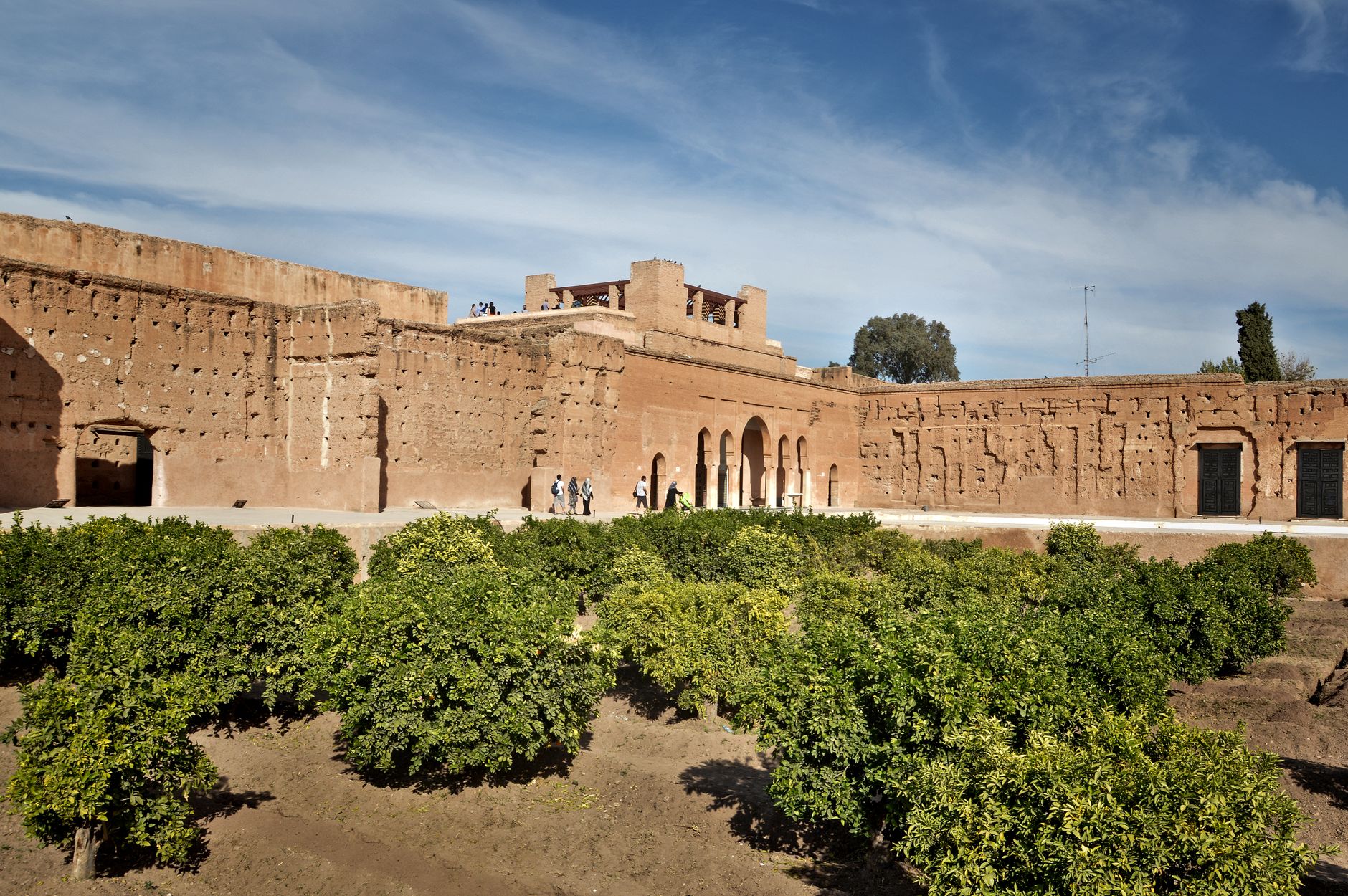
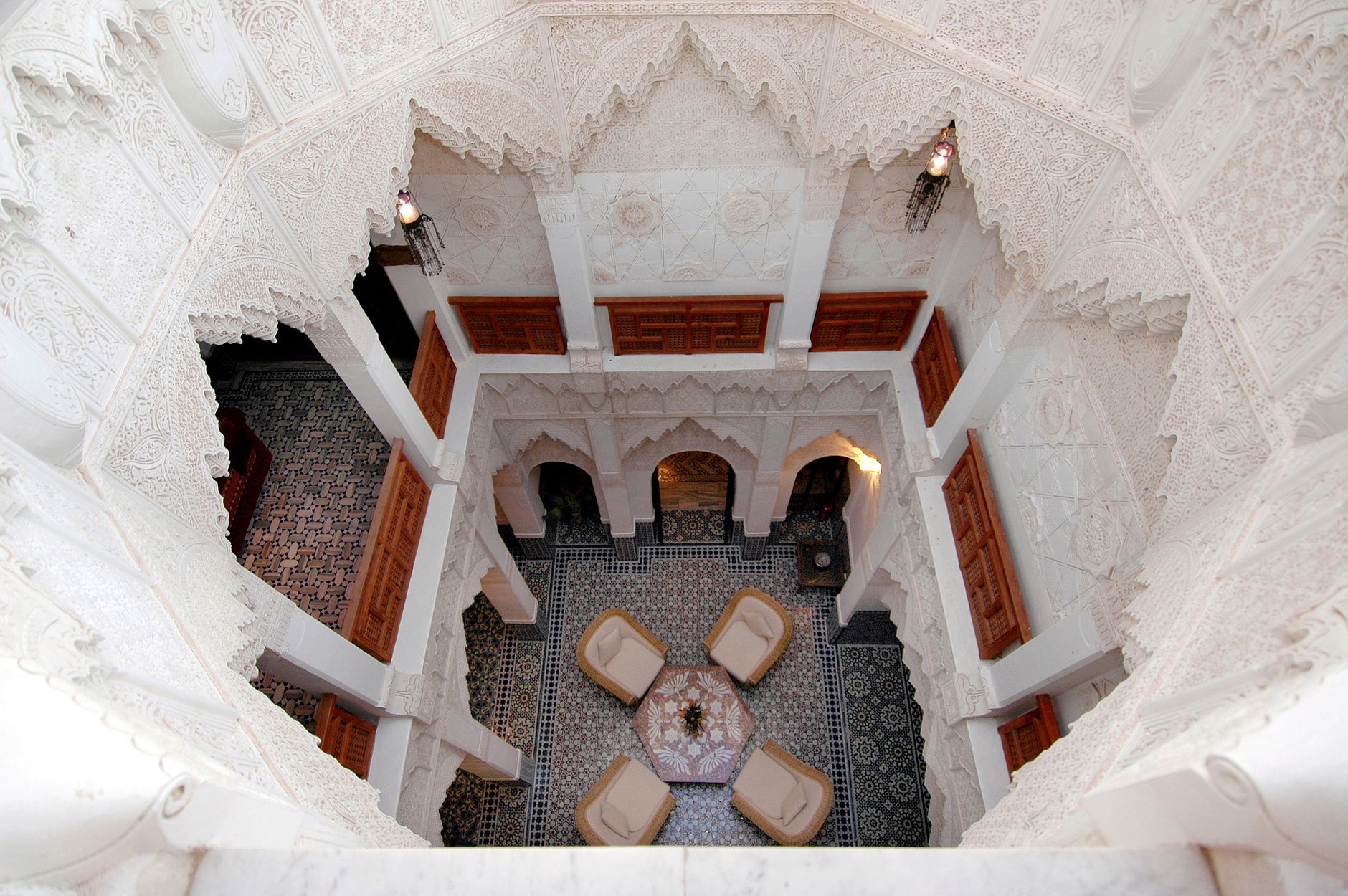
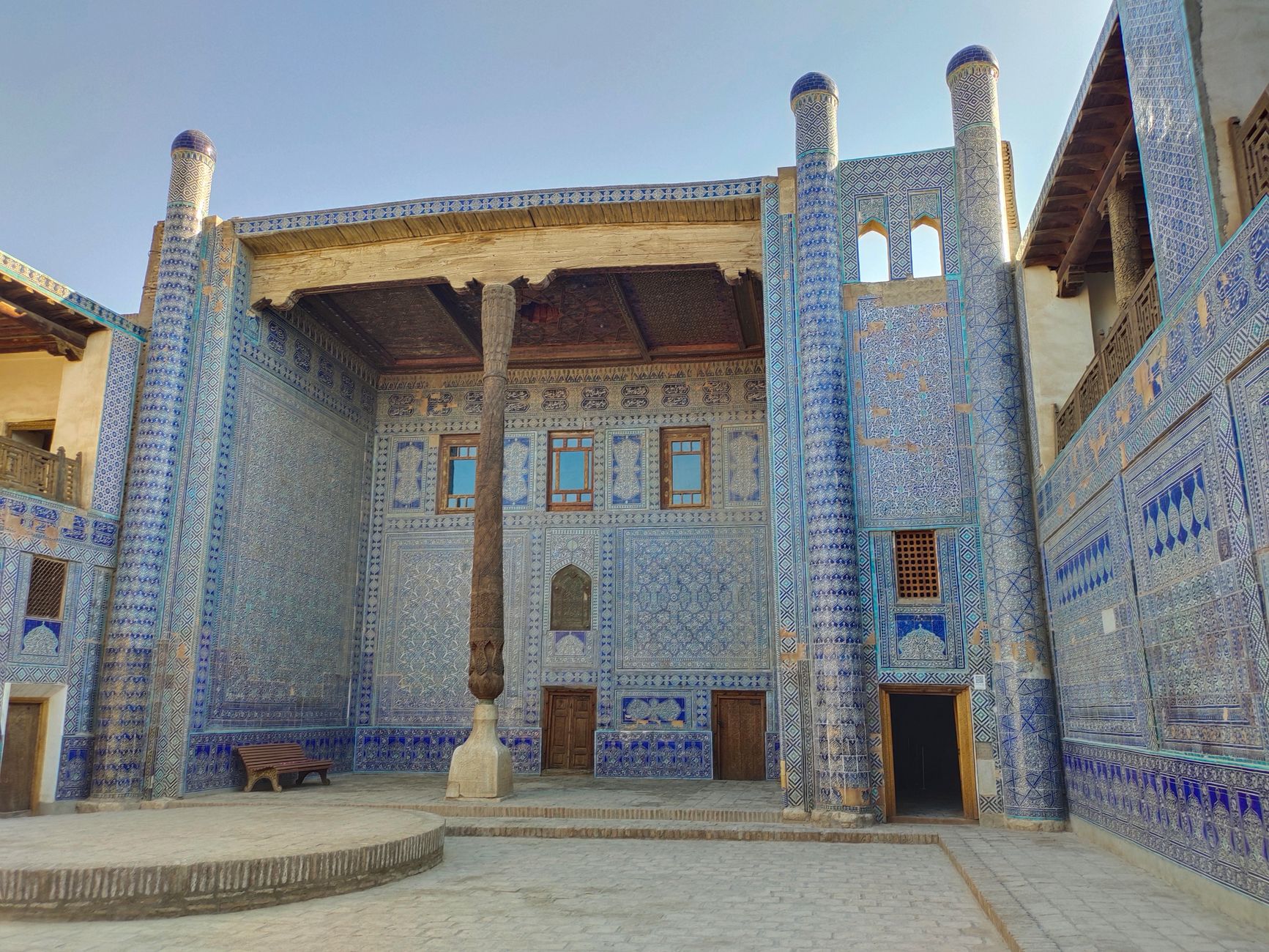
Step into the central courtyard of Dar Menebhi Palace and the first thing you notice is the chandelier — a vast, intricate construction of cut brass, its geometric and arabesque motifs catching the light above a paved courtyard ringed by cedar-carved galleries and zellij tilework. The building around you was once a minister of war's residence, then a girls' school, then nothing for years. That layered biography is part of what makes it worth your time.
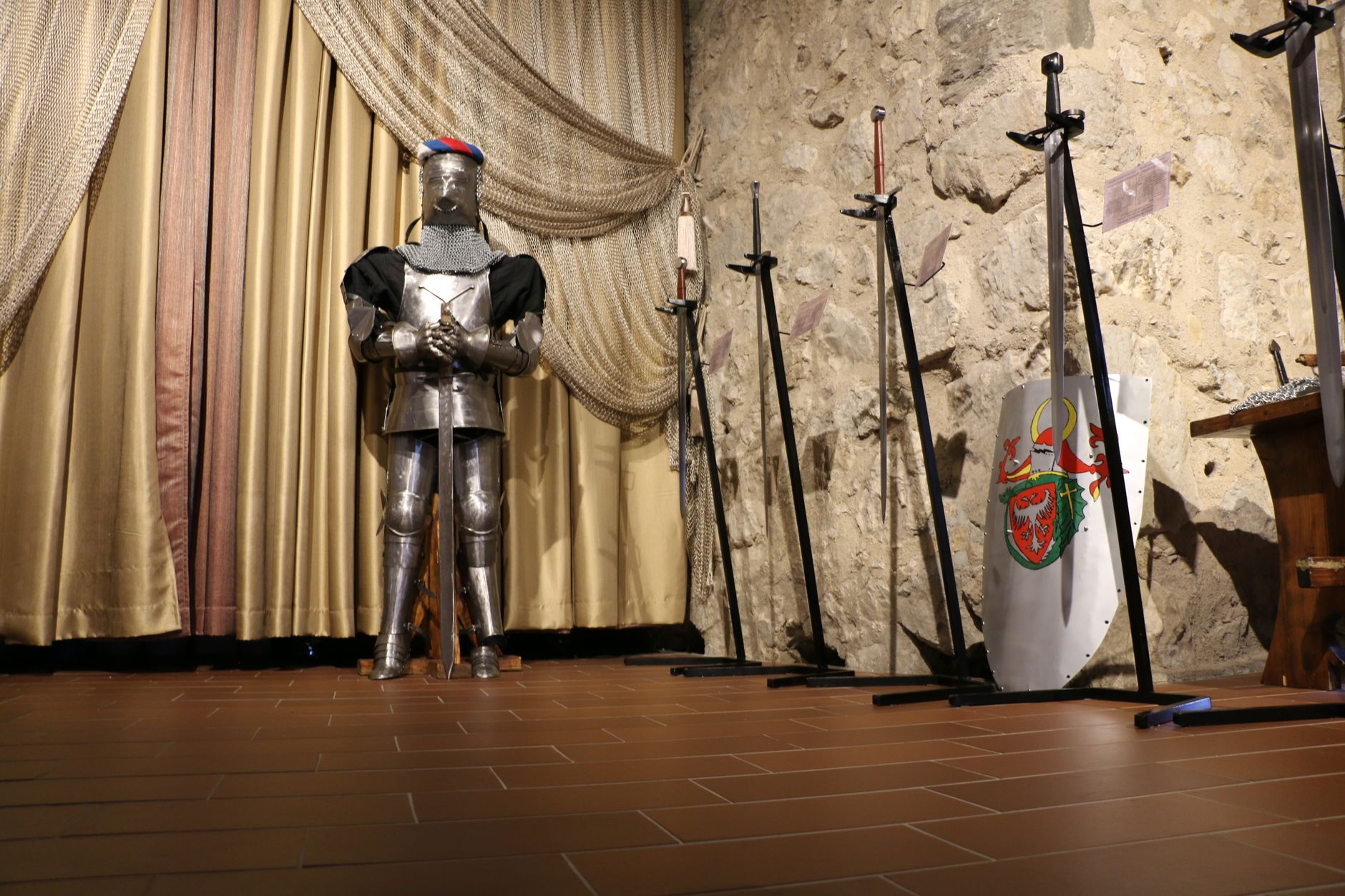
The Marrakech Museum sits on Place Ben Youssef in the Medina, its collection running to weapons, ceramics and traditional Moroccan objects, with rotating temporary exhibitions filling the side rooms. The architecture is the anchor, but the objects hold their own.
💛 What travellers fall for
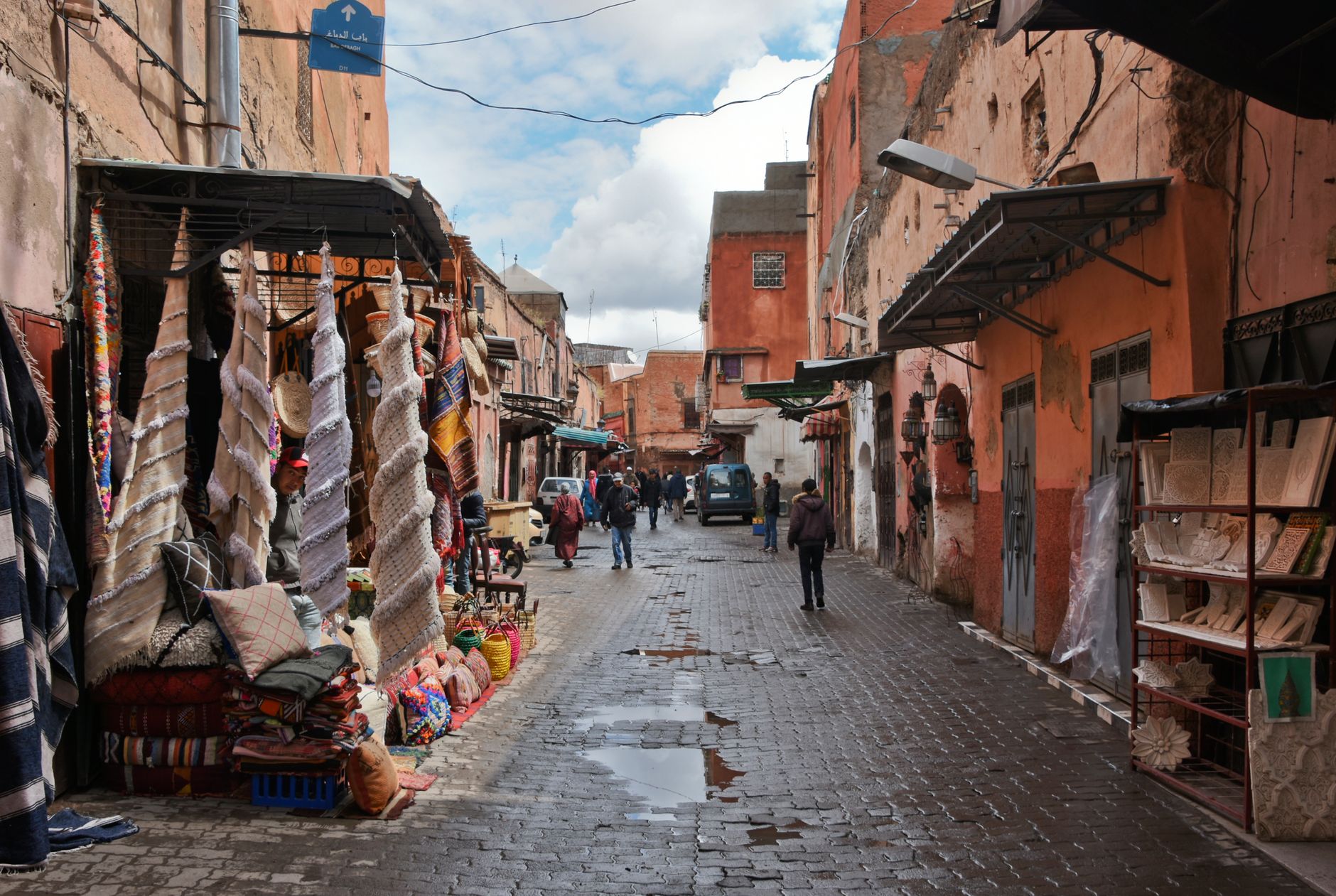
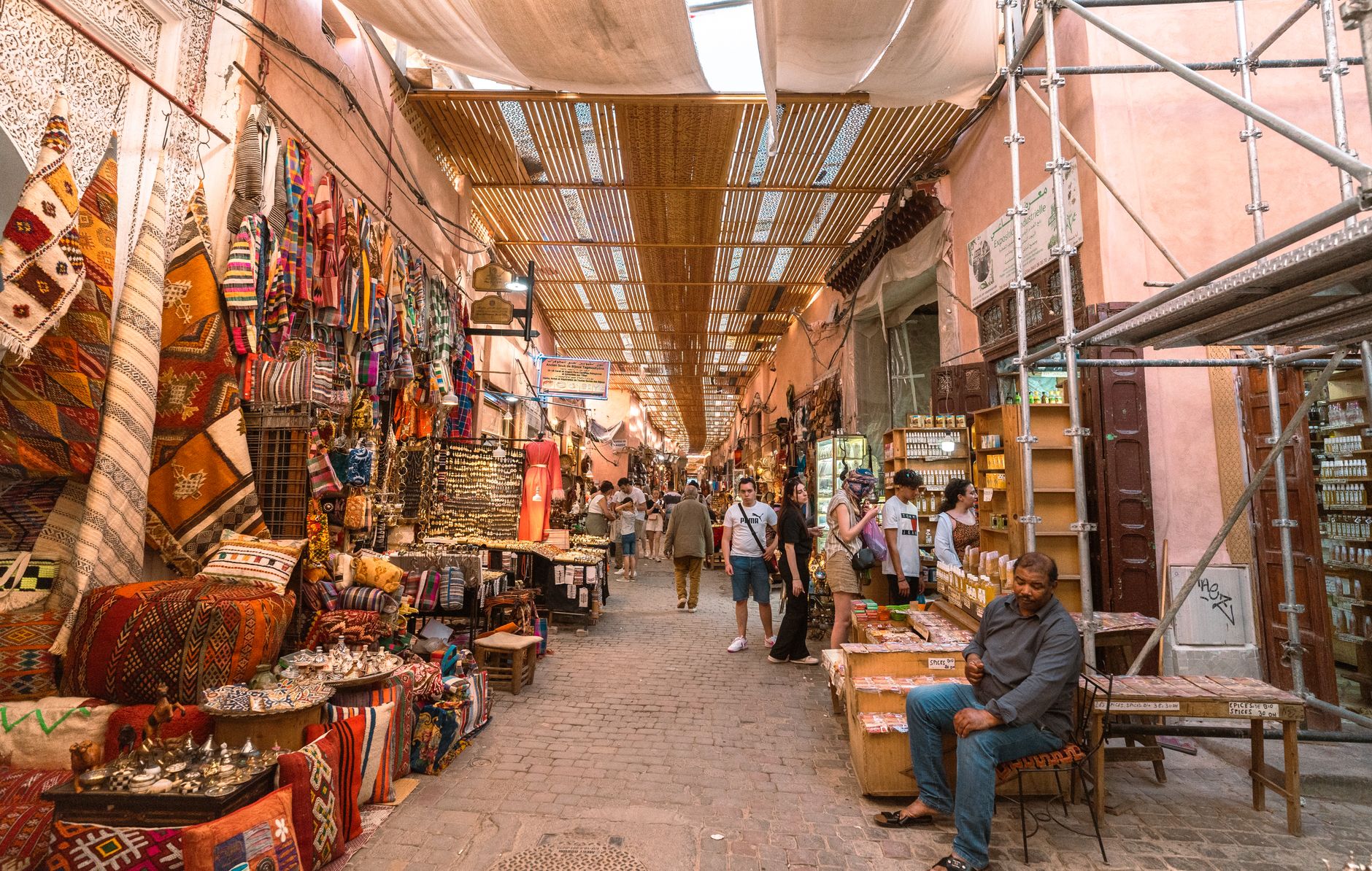
People who come back tend to time it for a weekday morning, when the courtyard is quieter and the light falls cleanly through the roof. The café inside is a reliable stop — genuinely useful after the walk in from the souk streets. And the gift shop, for once, stocks things worth considering.
Deals in Marrakech Museum
Book directly at the provider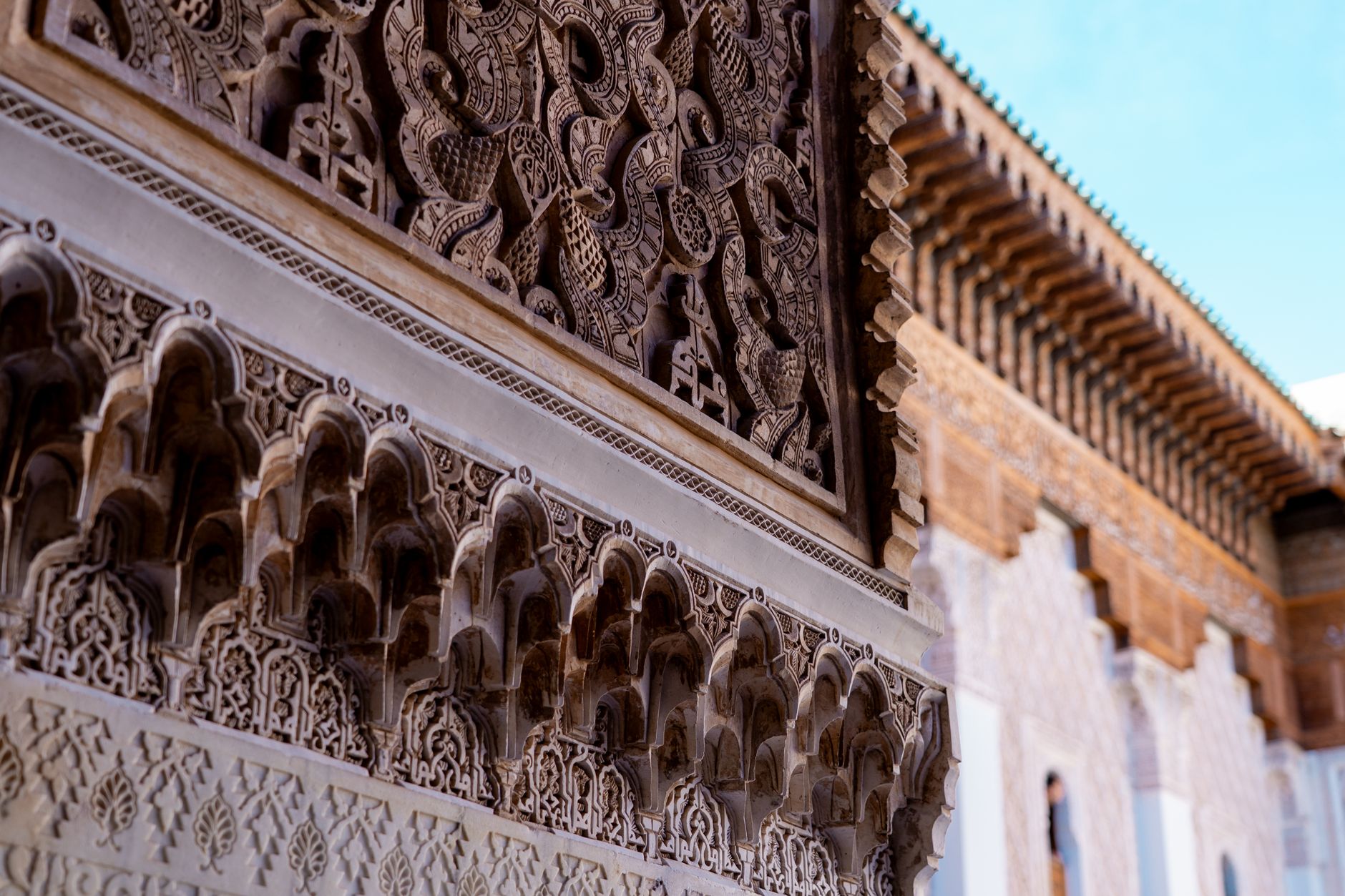
How Marrakech Museum came to be
Mehdi al-Mnebhi built the palace that bears his name at the turn of the twentieth century, during his years as vizier of war under Sultan Moulay Abdelaziz — a position he held from 1900 to 1908. After his death the building passed through several lives: a girls' school after Moroccan independence in 1956, then a long vacancy.
The Omar Benjelloun Foundation eventually acquired and restored it, with the explicit aim of preserving and promoting Moroccan arts and culture. The museum opened to the public in 1997. The original riad garden in the central courtyard was paved over and roofed during that restoration, which is how the space now holds the chandelier that defines it.
Who and what shaped it
People who shaped it
Landmark buildings
See Marrakech Museum in motion
Plan your visit
On the map
When to go
Right now
↡ Shopping areas



Background & history adapted from Wikipedia (CC BY-SA) · specs from Wikidata (CC0) · weather from Open-Meteo · map data © OpenStreetMap contributors · photos from Wikimedia Commons / Unsplash with per-image credit. No third-party reviews or social posts reproduced.