
Palace Garden (Riad)

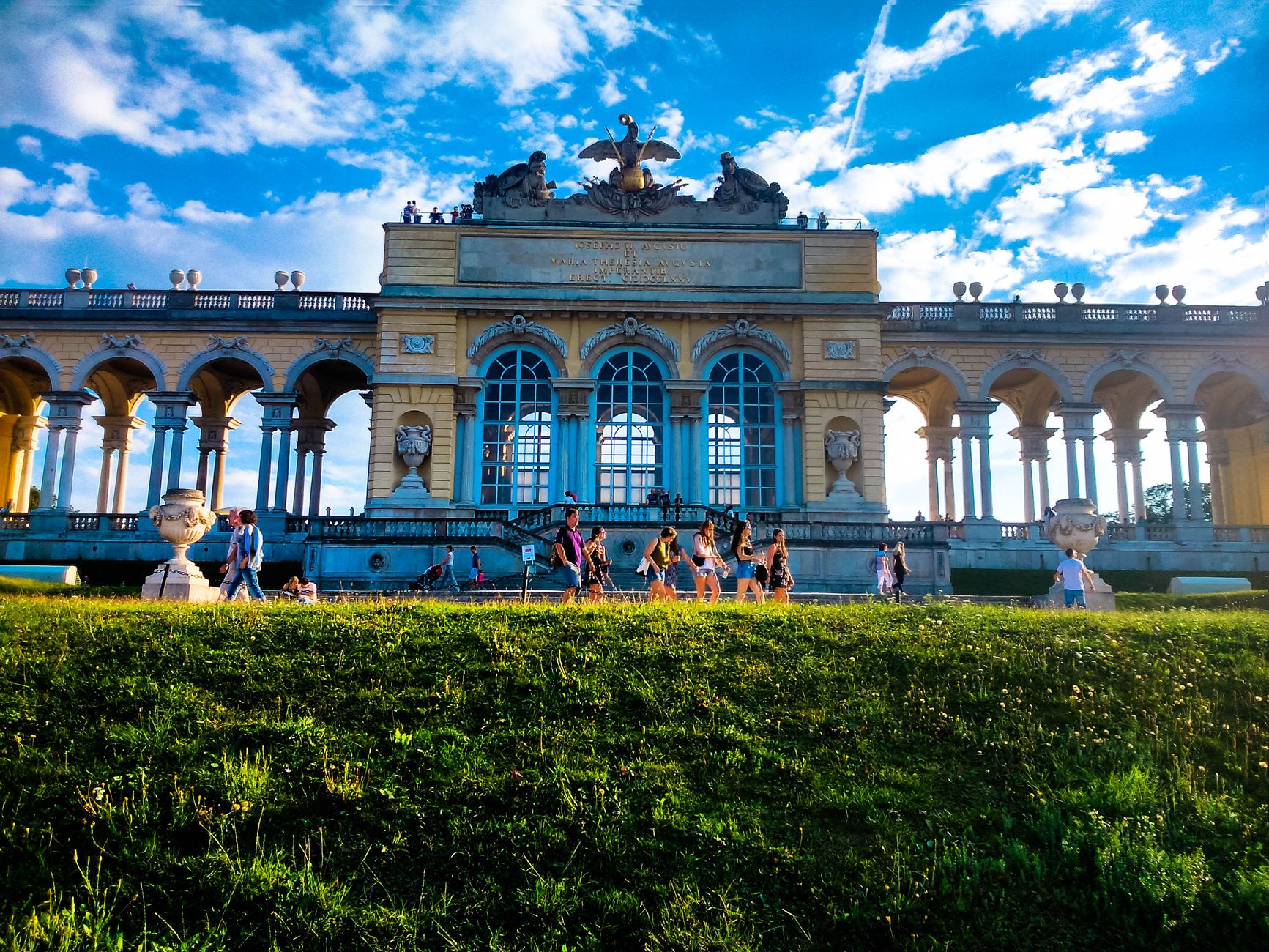
A few steps off Rue Mouassine, the souk's noise drops away so abruptly it takes a moment to register. Le Jardin Secret occupies a walled palace complex at number 121 — two gardens connected by a narrow path, a 17-metre tower, and a restored khettara, the underground irrigation channels that once fed the whole district.
The gardens read as a living demonstration of water engineering as much as horticulture. Pomegranate, fig, date palm, and orange grow in their traditional positions in the Islamic Garden; the Exotic Garden, designed by British landscape architect Tom Stuart-Smith, draws plants from across four continents into unlikely conversation with one another.
💛 What travellers fall for
People who come back tend to arrive early, before the tour groups, and head straight for the tower — the extra 30 dirham is worth it. Café Menzeh, on the upper level, is the quieter of the two cafes; mint tea there, with the rooftops laid out below, makes a reasonable argument for staying longer than planned.
How Palace Garden (Riad) came to be
The site's origins go back to the Saadian dynasty in the late 16th century, when Sultan Moulay 'Abd-Allah commissioned a palace as part of the Mouassine district's expansion. That structure was destroyed before the end of the 17th century. A mid-19th-century rebuild by Kaid al-Hajj Abd-Allah U-Bihi preserved the earlier footprint.
The estate took its most distinctive shape after 1912, when al-Hajj Muhammad Loukrissi — chamberlain to Sultan Moulay 'Abd-al-Hafiz — acquired it and added gardens, pavilions, and the tower that still stands. After his death in 1934, the property fragmented among heirs and fell into long neglect. Restoration began in 2008; the garden reopened to the public in 2016.
Who and what shaped it
People who shaped it
Landmark buildings
Plan your visit
On the map
When to go
Spring (March and April) and the weeks from late September into November are the most comfortable times to visit — temperatures in the low-to-mid twenties, minimal rain. Summer afternoons regularly push above 35°C, which makes the shade of the gardens genuinely useful rather than merely pleasant.
Right now
Background & history adapted from Wikipedia (CC BY-SA) · specs from Wikidata (CC0) · weather from Open-Meteo · map data © OpenStreetMap contributors · photos from Wikimedia Commons / Unsplash with per-image credit. No third-party reviews or social posts reproduced.