
Zellige Tilework Gallery
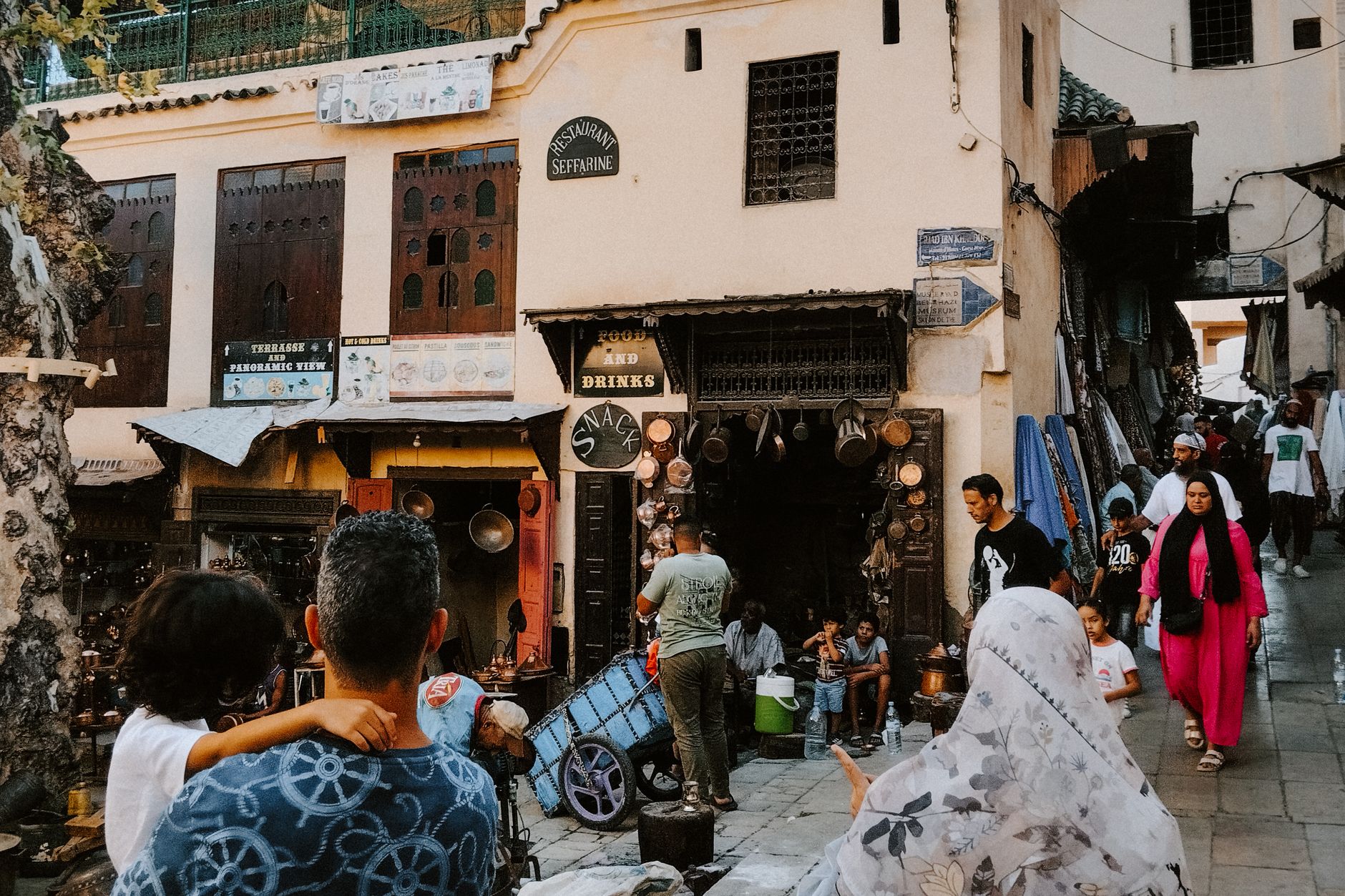
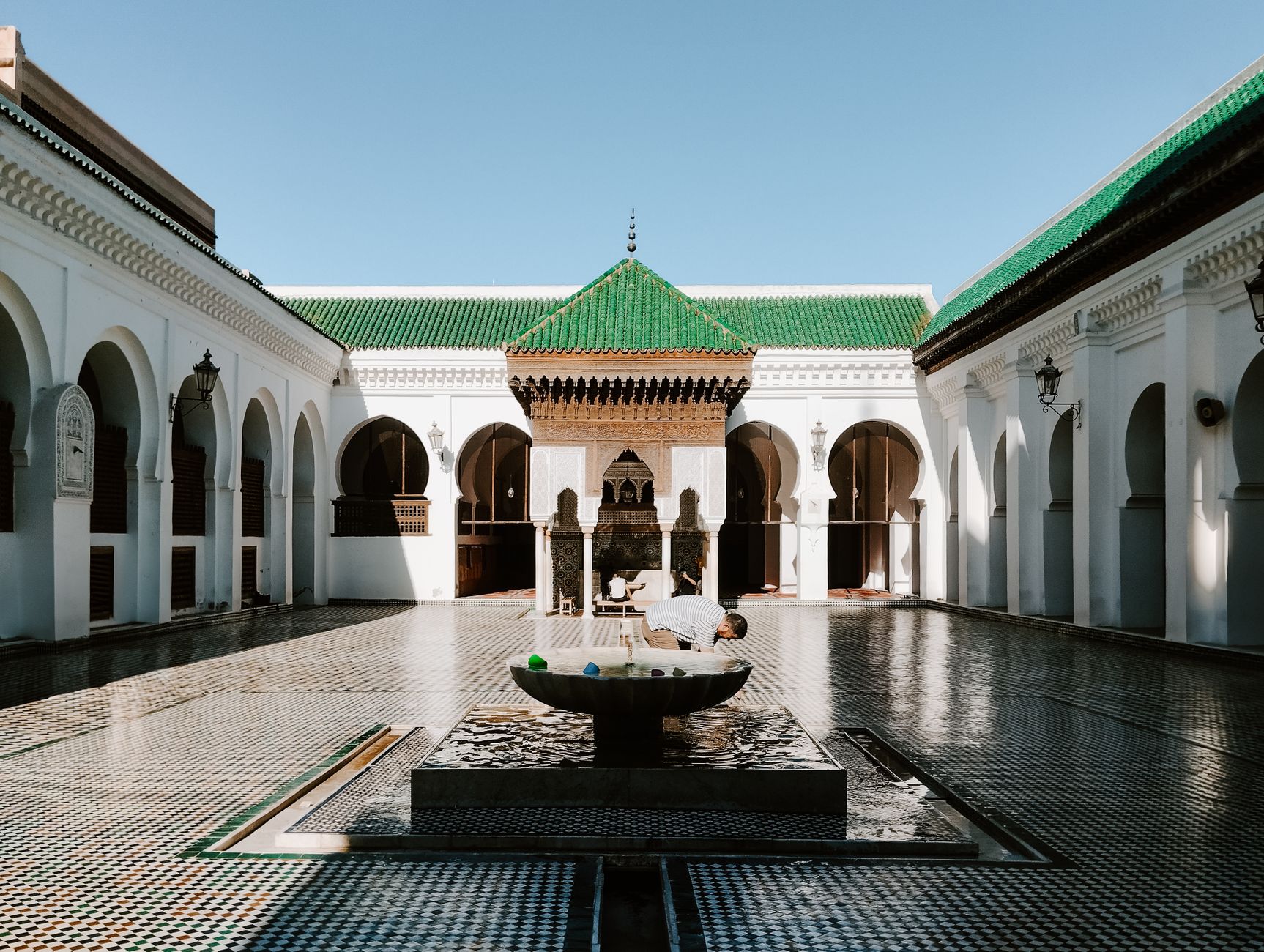
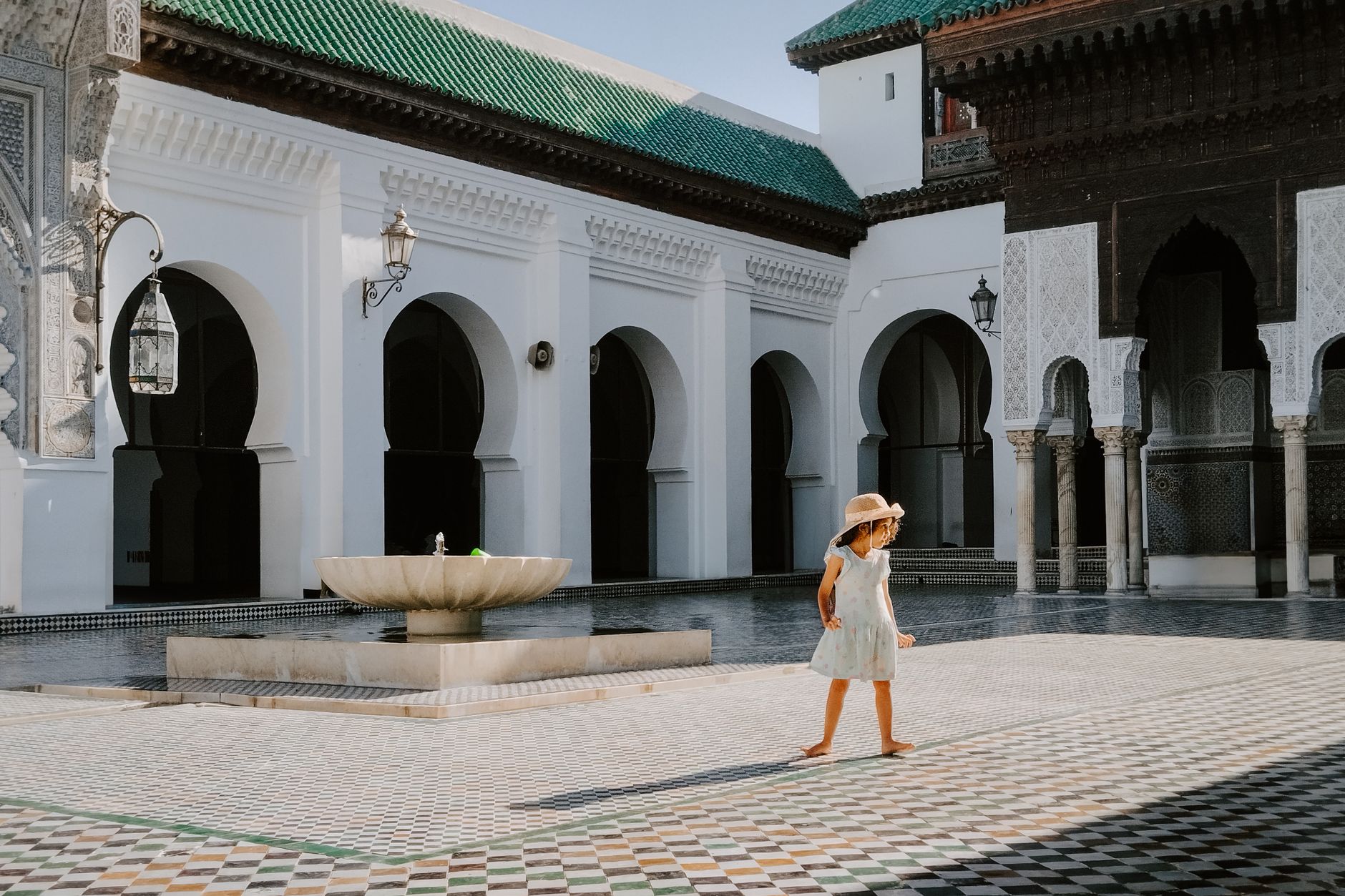
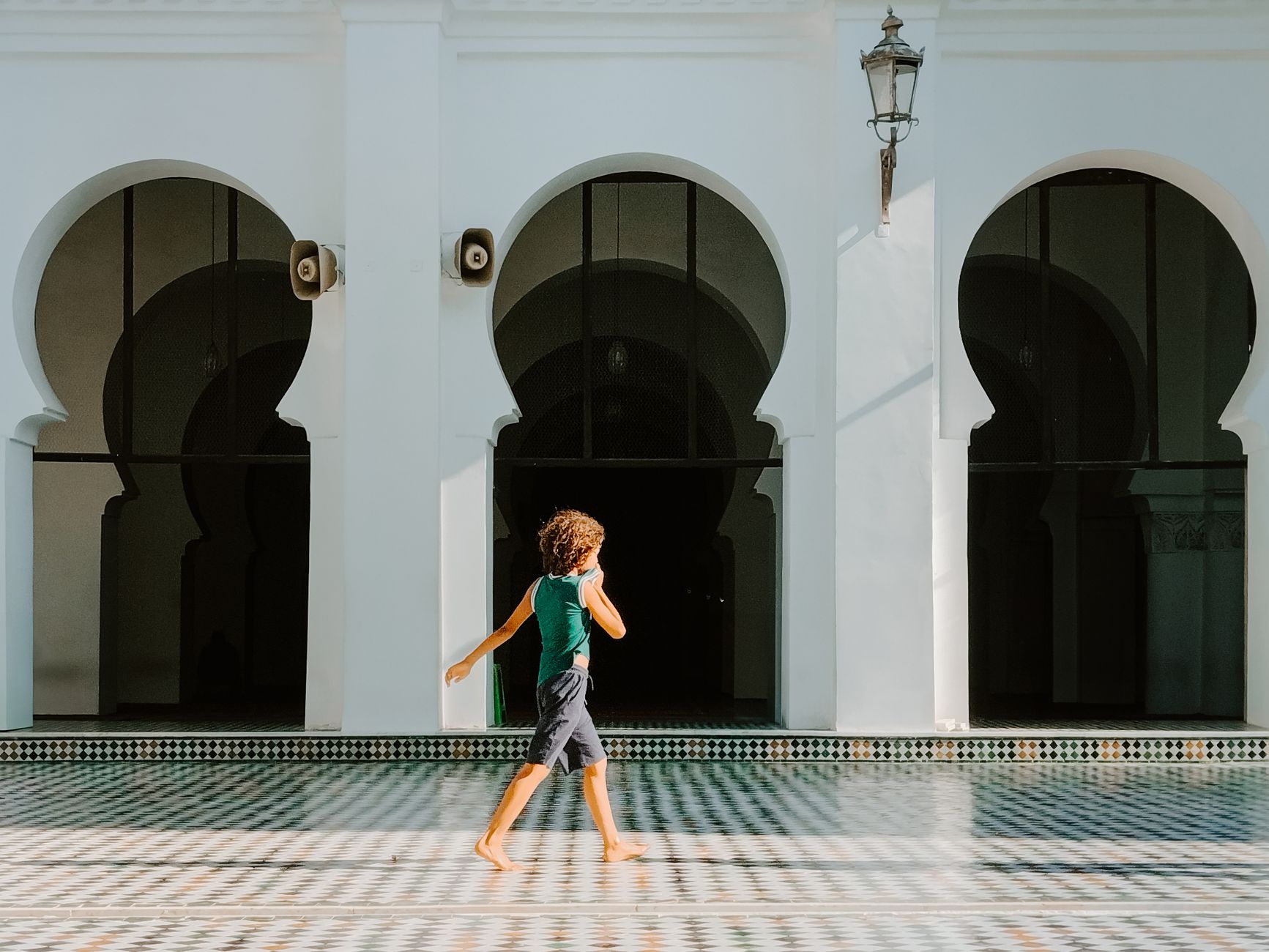
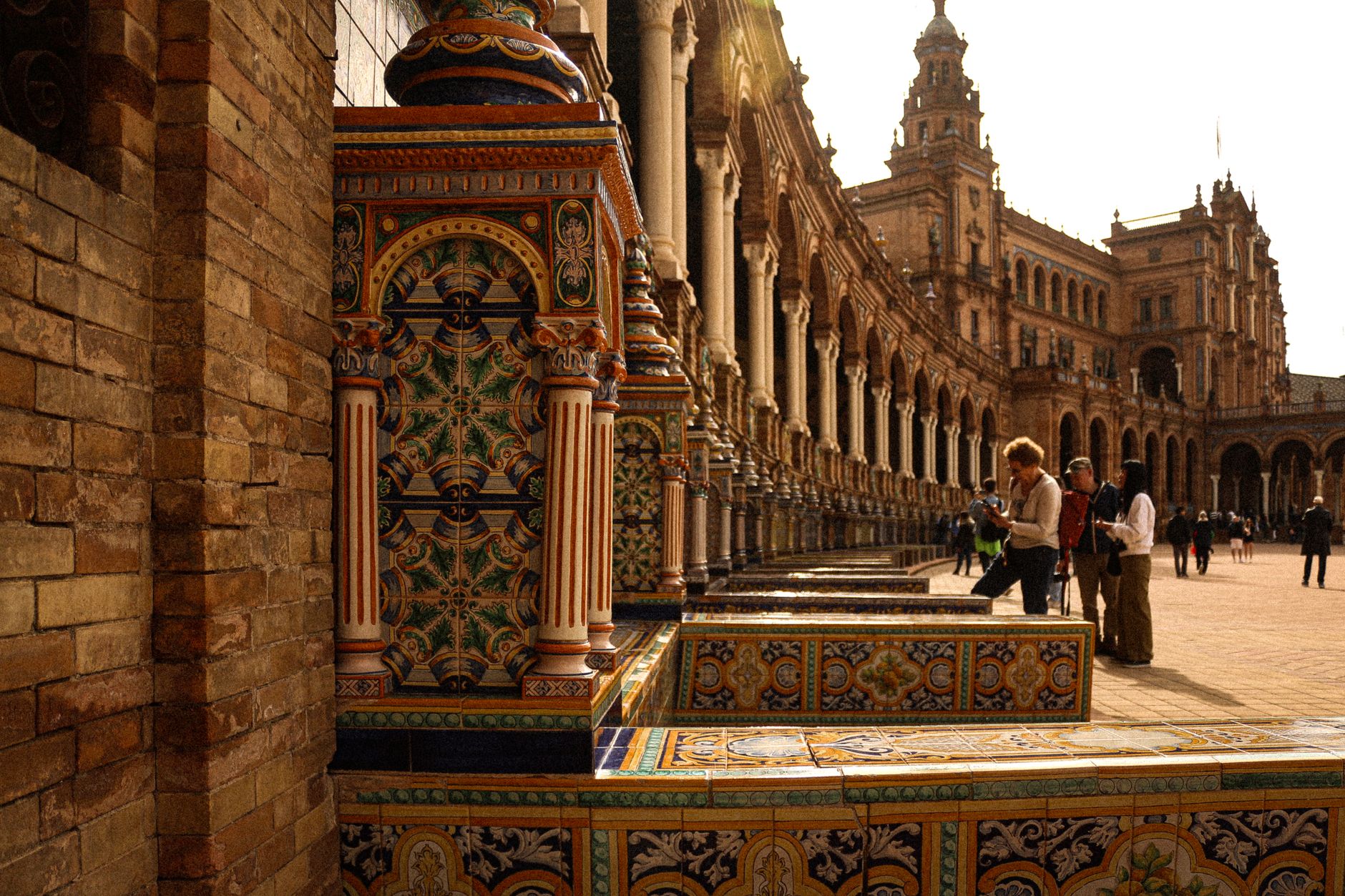
The zellige panels inside Dar Mnebhi Palace are not decorative in the way a border or a trim is decorative — they are load-bearing, philosophically speaking. Each tile is hand-cut, each pattern a mathematical tessellation meant to gesture at infinity, at the order underlying things. Stand close enough and the geometry resolves into individual pieces of fired clay; step back and it dissolves into something that feels almost organic.
The gallery dedicated to this craft sits within a palace whose courtyard is itself the argument: fountains, carved cedar galleries, and wall after wall of interlocking colour that the Omar Benjelloun Foundation restored to working order in 1997.
💛 What travellers fall for
People who come back tend to linger in the central courtyard longer than they planned — the roofed-over riad space, with its brass chandelier cut into arabesque motifs overhead, shifts quality as the day moves. Morning light reads differently than afternoon. The café inside is a reasonable place to sit and let that sink in before heading back into the medina lanes.
How Zellige Tilework Gallery came to be
Dar Mnebhi Palace was built at the turn of the 20th century for Mehdi al-Mnebhi, a qaid of the Mnabha tribe who served as minister of war under Sultan Moulay Abdelaziz between 1900 and 1908. The palace's architecture — zellige floors and dados, carved stucco, painted cedarwood ceilings — reflected both the owner's position and the Moroccan court aesthetic of the period.
After Moroccan independence in 1956, the state seized the property, and by 1965 it had become a girls' school. A period of neglect followed until the Omar Benjelloun Foundation undertook a careful renovation, reopening the building as a museum in 1997. The tilework you see today is the result of that restoration.
Who and what shaped it
People who shaped it
Landmark buildings
Plan your visit
On the map
When to go
Spring (March through May) and autumn (late September through November) offer the most comfortable conditions for a visit — warm afternoons without the punishing heat of July and August, when midday temperatures regularly reach 40°C. Winter days are mild and often sunny, though evenings can drop close to freezing.
Right now
Background & history adapted from Wikipedia (CC BY-SA) · specs from Wikidata (CC0) · weather from Open-Meteo · map data © OpenStreetMap contributors · photos from Wikimedia Commons / Unsplash with per-image credit. No third-party reviews or social posts reproduced.