
Hammam Room
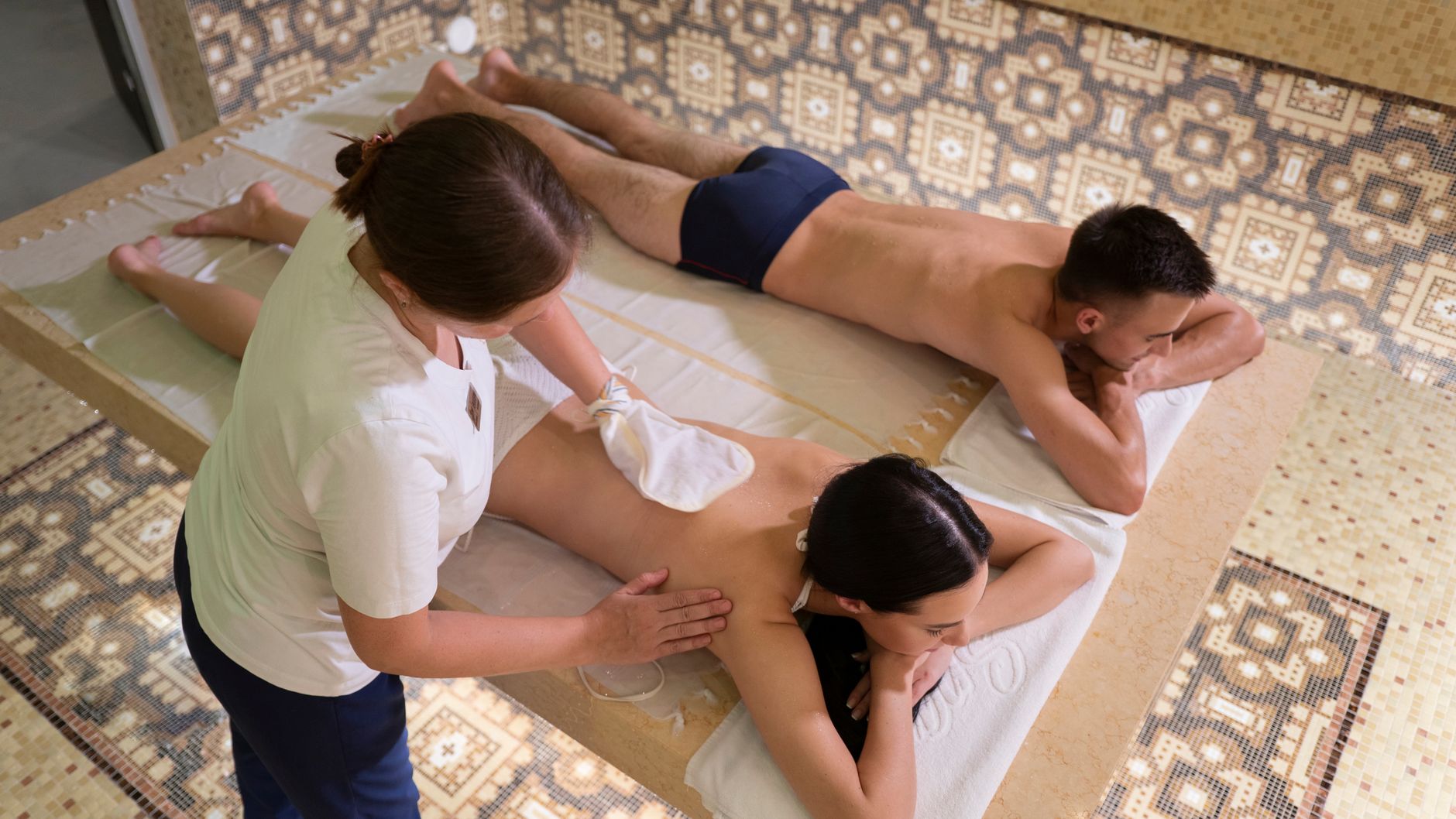
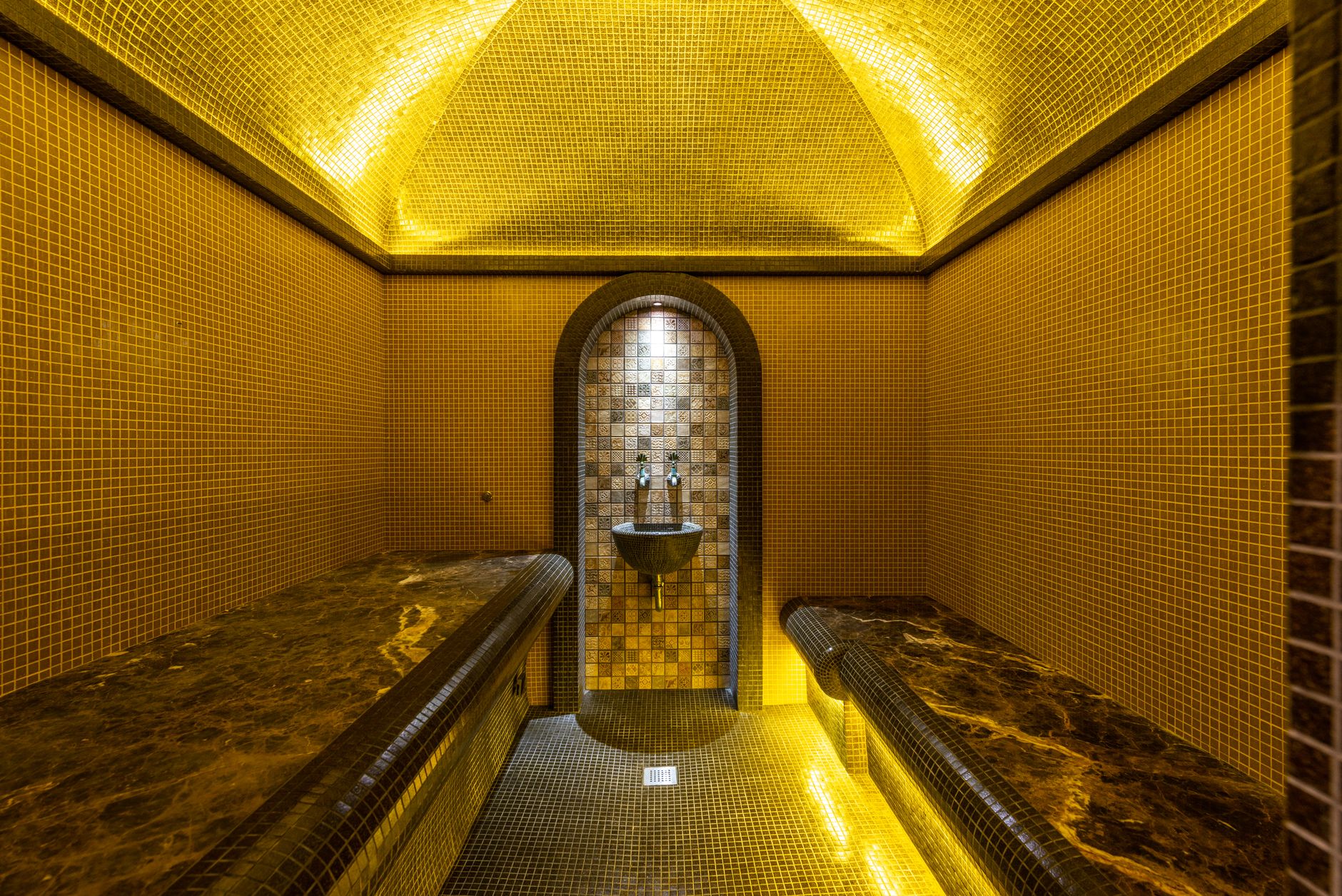
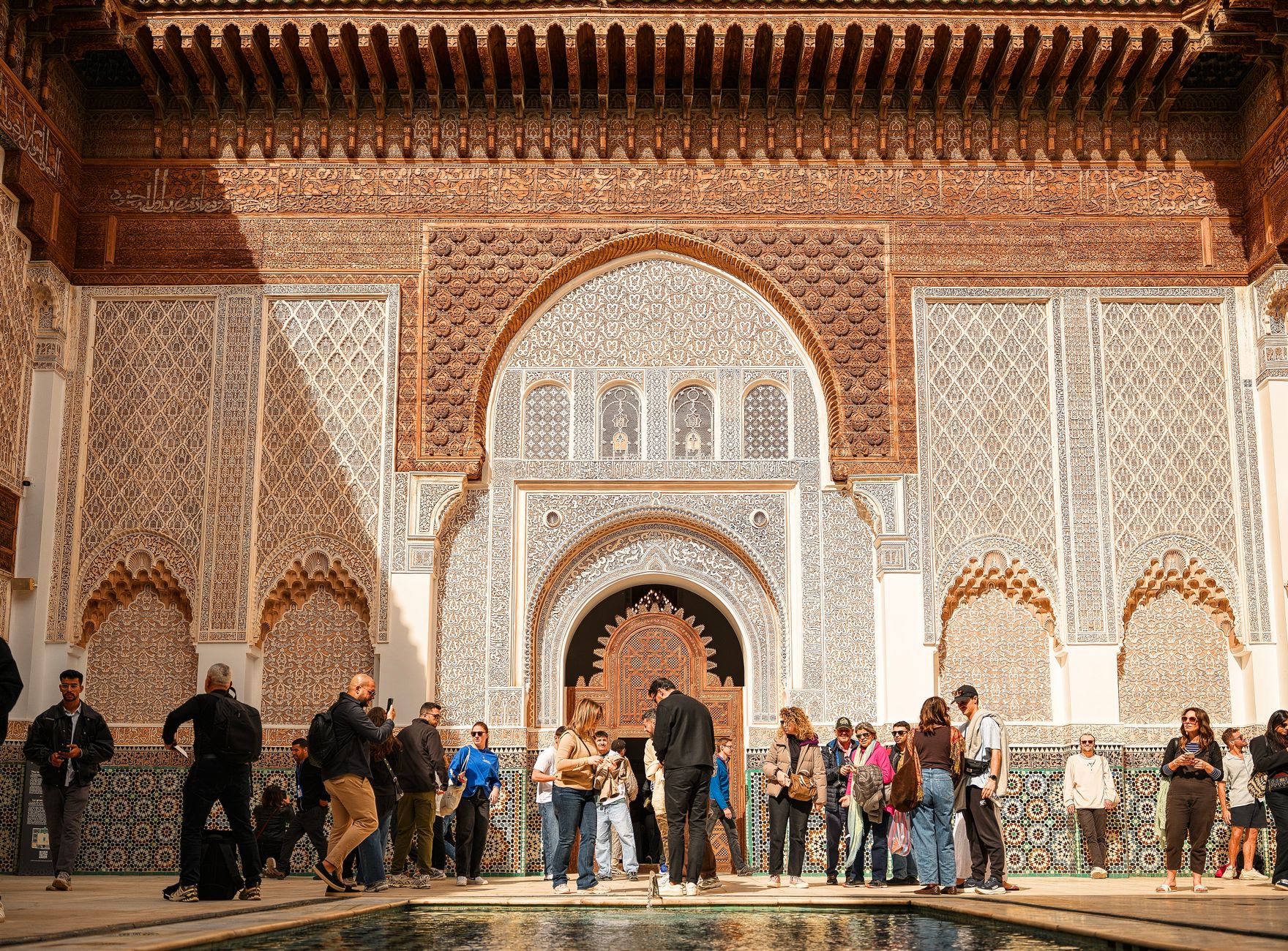
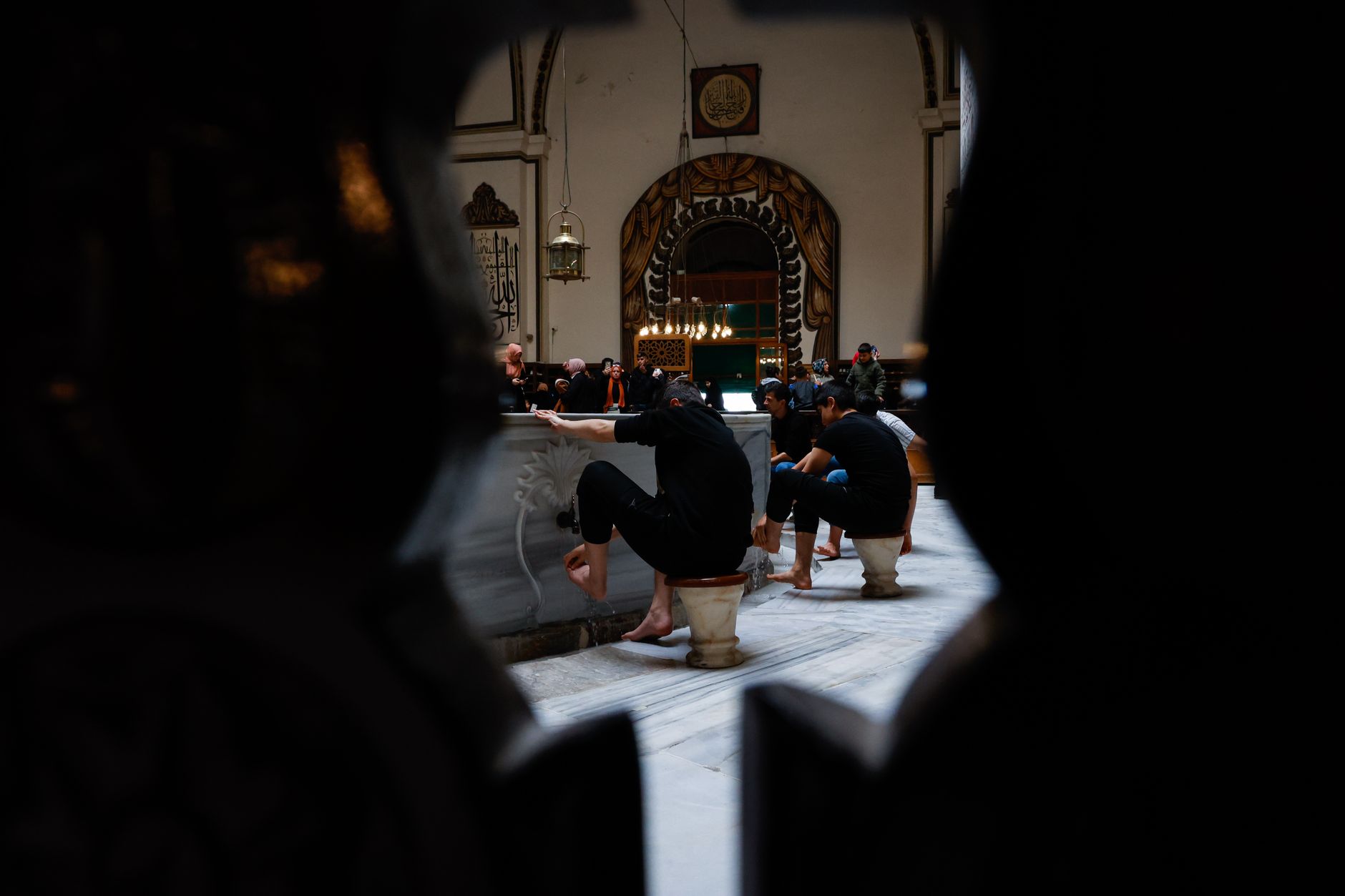
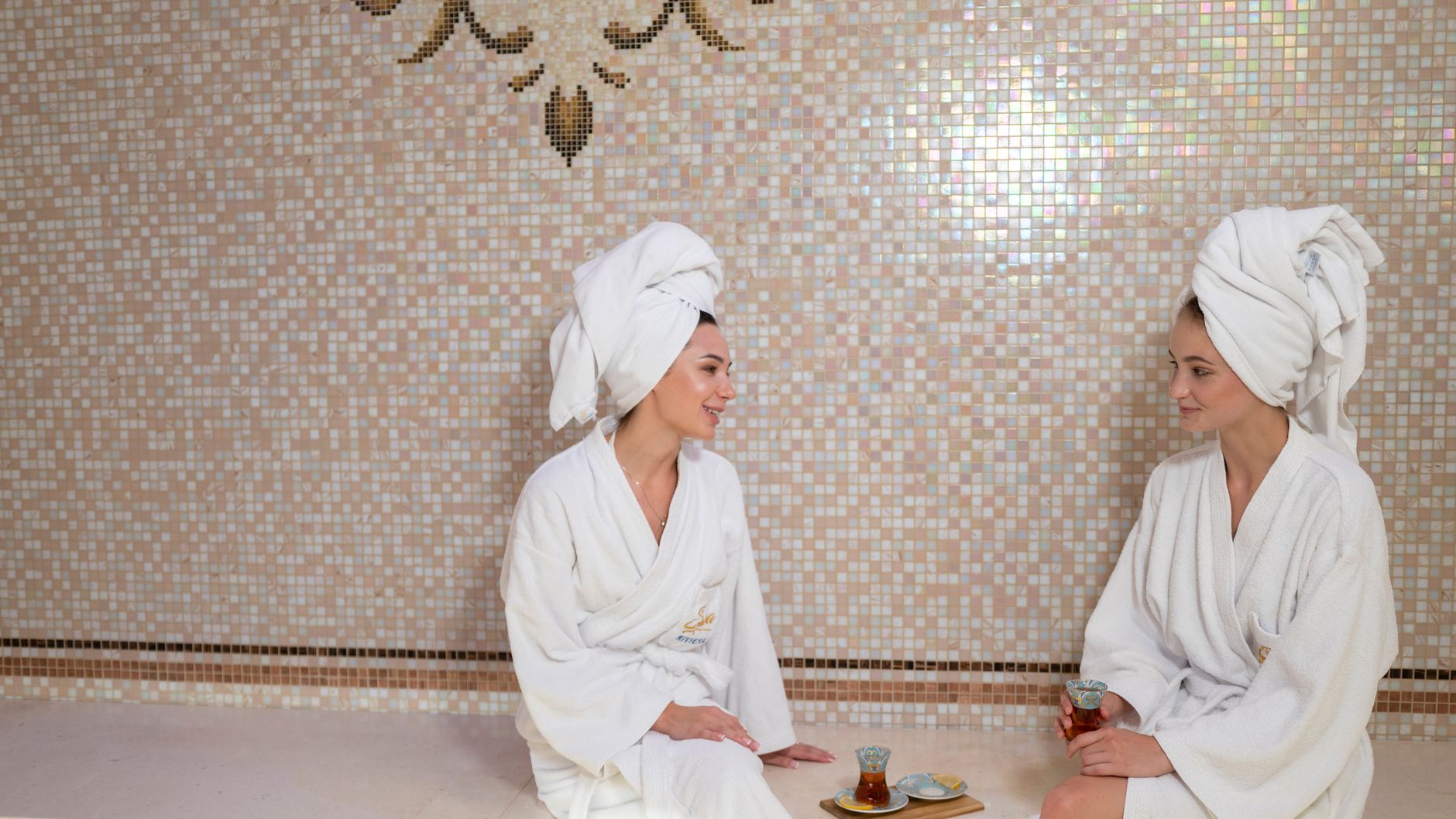
The hammam room at the Marrakech Museum earns a longer look than most visitors give it. The domed and vaulted chambers — built for steam and ritual, not display — now hold contemporary art and occasional live performances, a repurposing that works better in practice than it sounds on paper. The geometry of the space does what it was always meant to do: it pulls your eye upward.
This is one corner of Dar Mnebhi Palace, a building that has been, in sequence, a war minister's residence, a pasha's seized property, a girls' school, and finally a museum. The hammam carries all of that layering quietly.
💛 What travellers fall for
People who come back tend to time their visit for a weekday morning, before tour groups fill the courtyard. The information boards are sparse and only in French and Arabic, so if you want the full story of the room's history, ask at the desk about guided options — the architecture rewards context.
How Hammam Room came to be
Mehdi al-Mnebhi built the palace at the start of the 20th century. As vizier of war under Sultan Moulay Abdelaziz from 1900 to 1908, he was one of the most powerful men in Morocco, and the palace — with its hammam, ornate stucco rooms and central courtyard — reflected that standing.
After his tenure ended, the property passed to the family of Pasha Thami El Glaoui. Following Moroccan independence in 1956, the state seized it, and by 1965 it had become a girls' school. In 1997, the Omar Benjelloun Foundation purchased and restored the building, opening it as the Marrakech Museum.
Who and what shaped it
People who shaped it
Landmark buildings
See Hammam Room in motion
Plan your visit
On the map
When to go
Right now
Background & history adapted from Wikipedia (CC BY-SA) · specs from Wikidata (CC0) · weather from Open-Meteo · map data © OpenStreetMap contributors · photos from Wikimedia Commons / Unsplash with per-image credit. No third-party reviews or social posts reproduced.