
Textile and Carpet Gallery
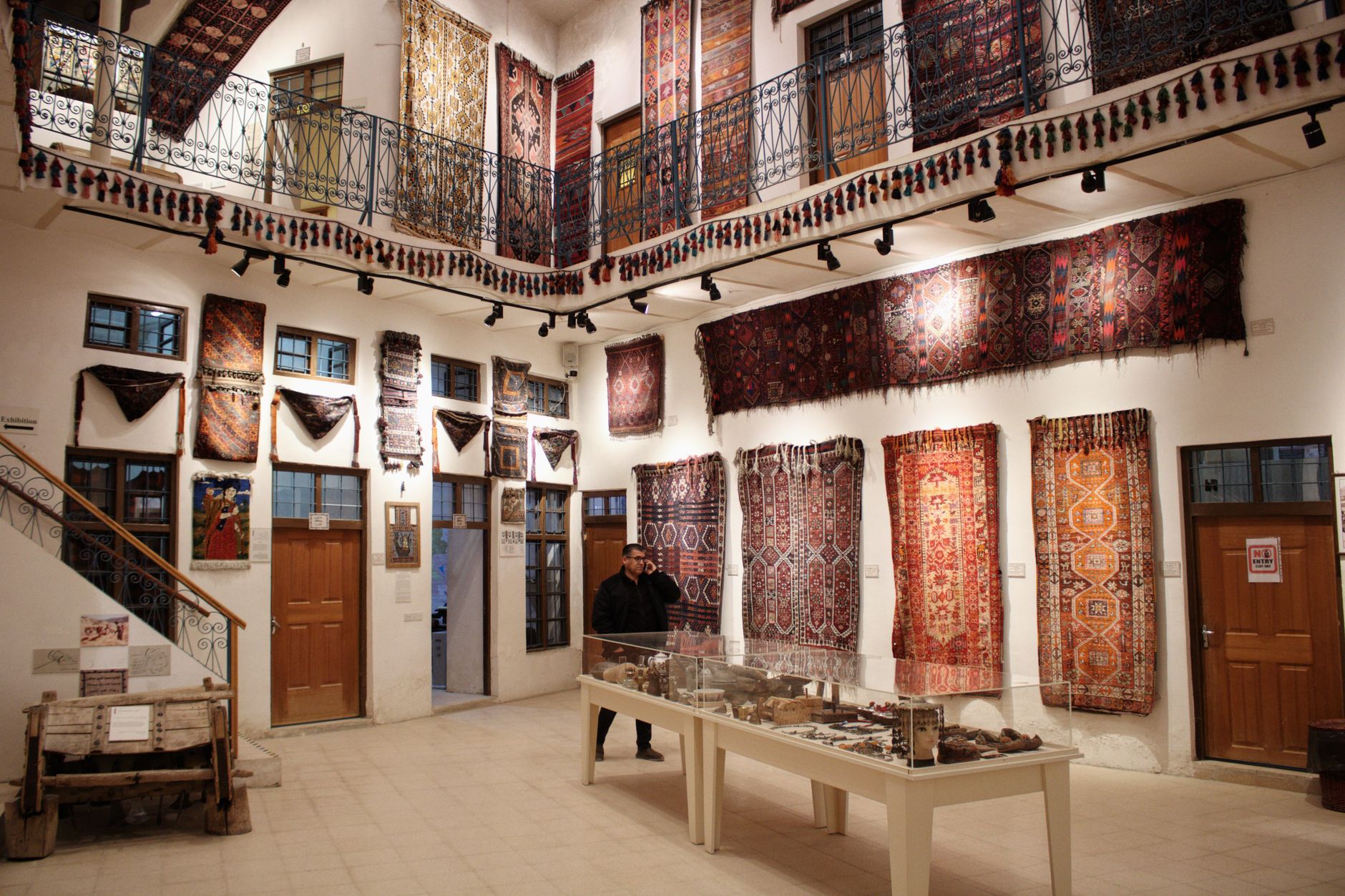
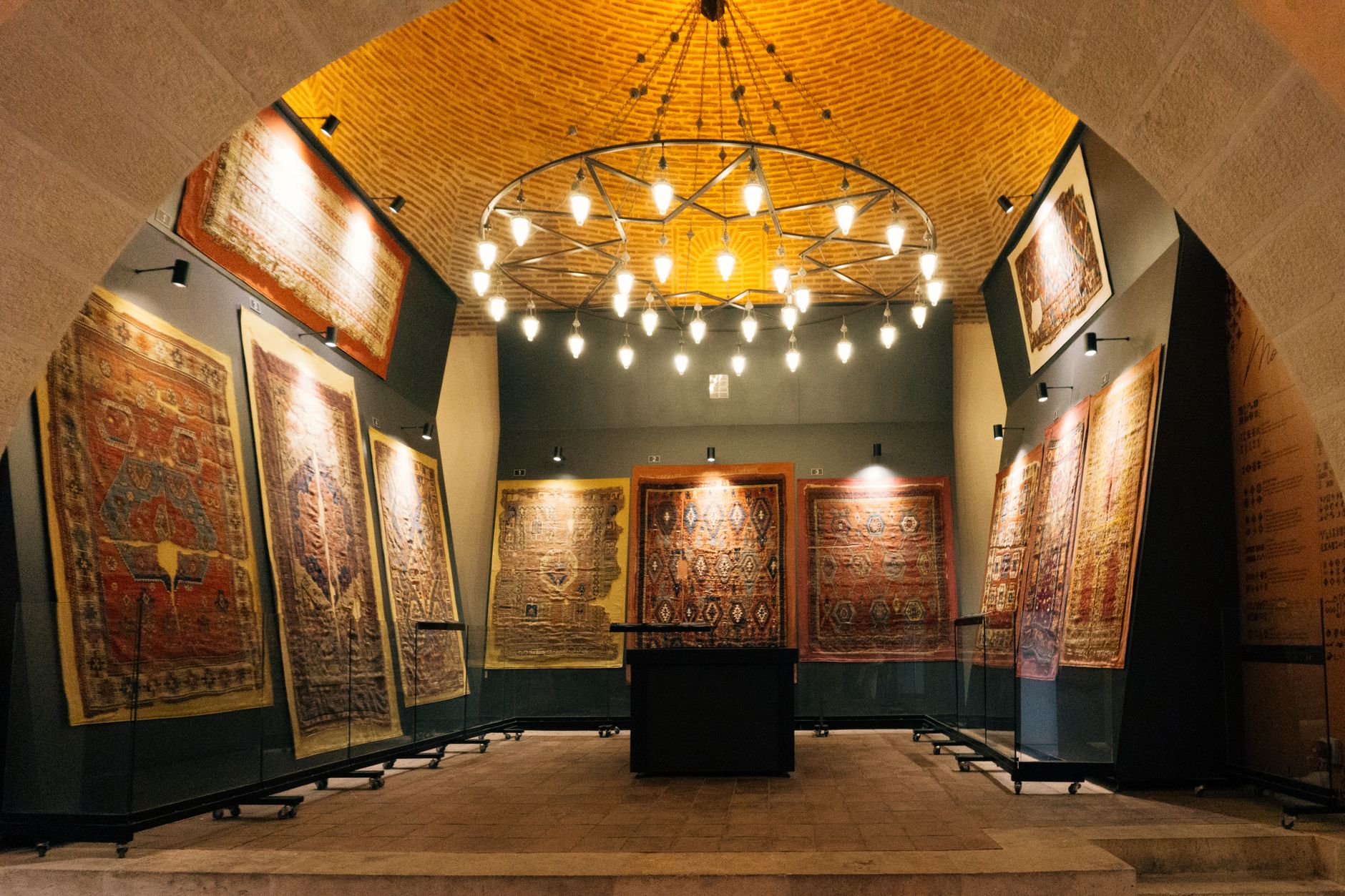
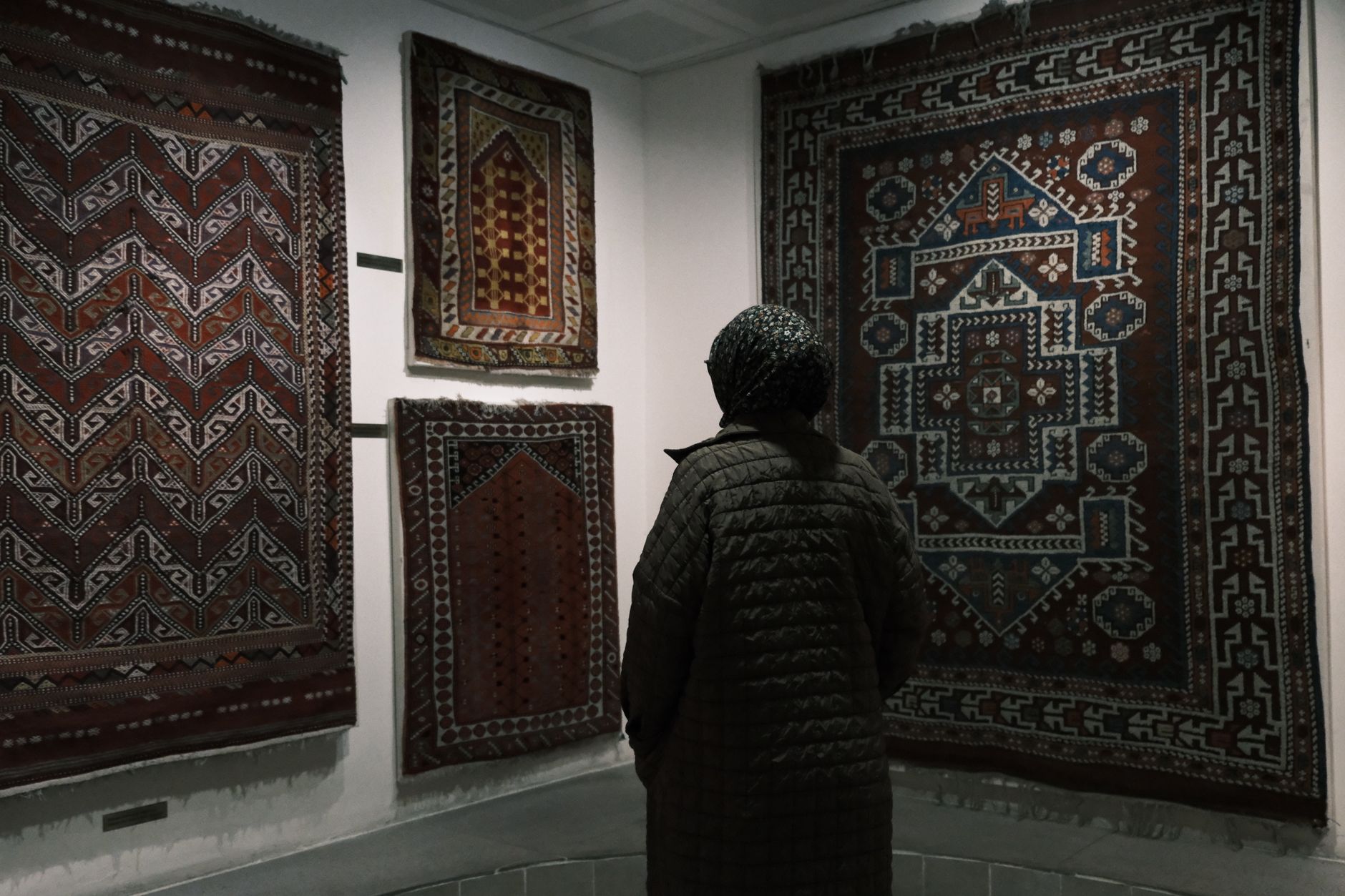
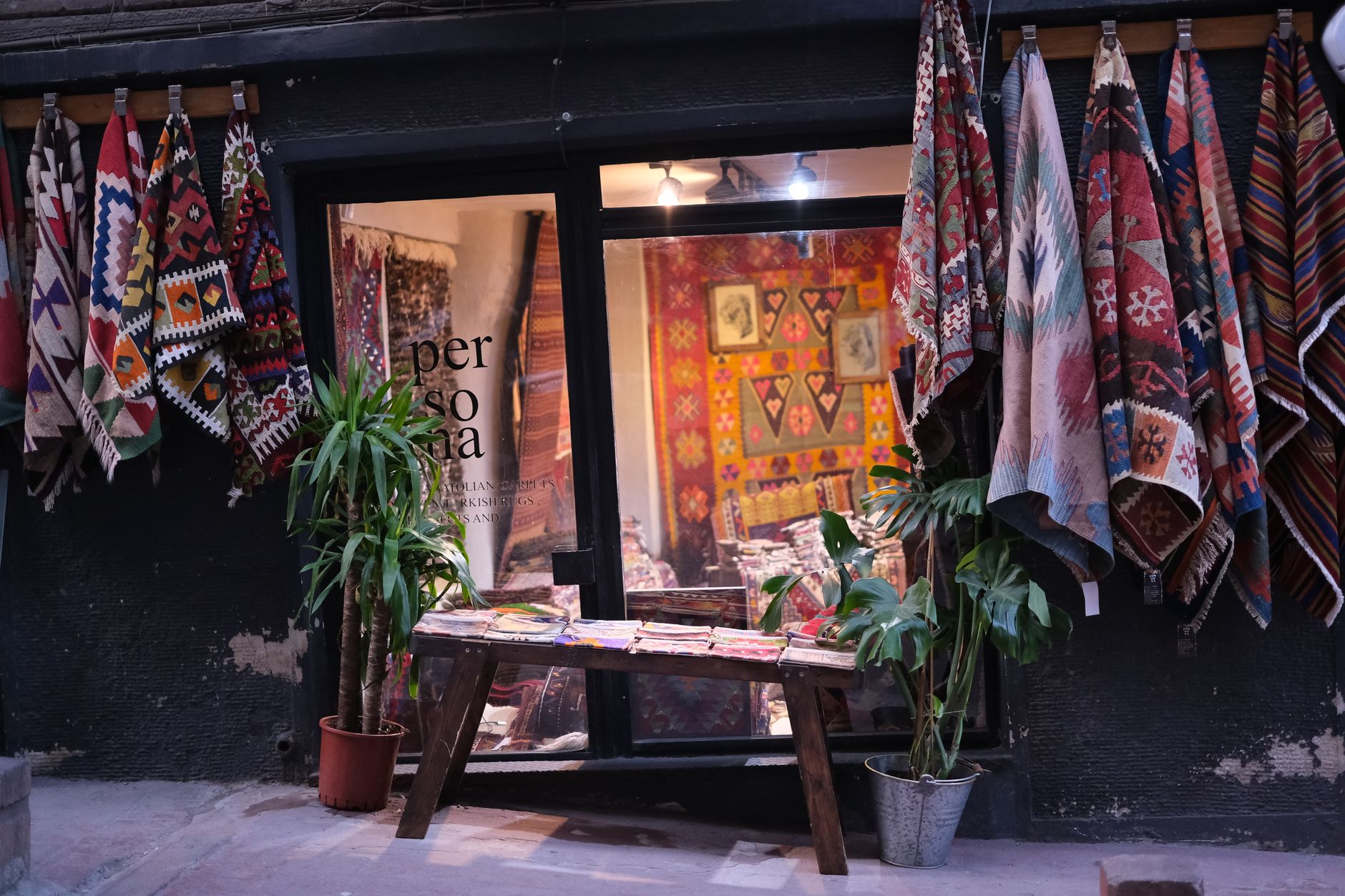
Inside the Marrakech Museum's textile and carpet gallery, the rooms are organized by region rather than by century — so you move from High Atlas geometrics to the finer, more formal knotwork of Rabat, each tradition distinct enough that the shift between doorways registers immediately. The oldest pieces in the collection date to the 1850s, pulled from a private archive built over five decades.
What holds your attention isn't always the showpiece carpets. It's the saddlebags, the cushions, the ancestral weaving tools arranged alongside them — the full picture of how these textiles actually lived before they became collectible.
💛 What travellers fall for
People who come back tend to linger in the Projection Room, where a rare 1940s French documentary on Berber weaving runs on loop. It's easy to miss if you follow the main flow of foot traffic. Go against the crowd, start there, and the objects in the other rooms land differently afterward.
How Textile and Carpet Gallery came to be
The building that houses these collections, Dar Menebhi Palace, has its own layered past — but the textile holdings draw on a private collection assembled over more than fifty years, with pieces reaching back to the 1850s. The decision to organize the gallery by region rather than chronology reflects how carpet-making in Morocco has always been a matter of place: the High Atlas, the Middle Atlas, the Haouz plain each produced something recognizably its own.
The Marrakech Museum itself opens daily except Tuesdays, and the textile rooms sit within the broader palace circuit rather than as a standalone institution — which means the collection benefits from the architecture around it.
Who and what shaped it
People who shaped it
Landmark buildings
Plan your visit
On the map
When to go
Right now
Background & history adapted from Wikipedia (CC BY-SA) · specs from Wikidata (CC0) · weather from Open-Meteo · map data © OpenStreetMap contributors · photos from Wikimedia Commons / Unsplash with per-image credit. No third-party reviews or social posts reproduced.