
Main Exhibition Hall
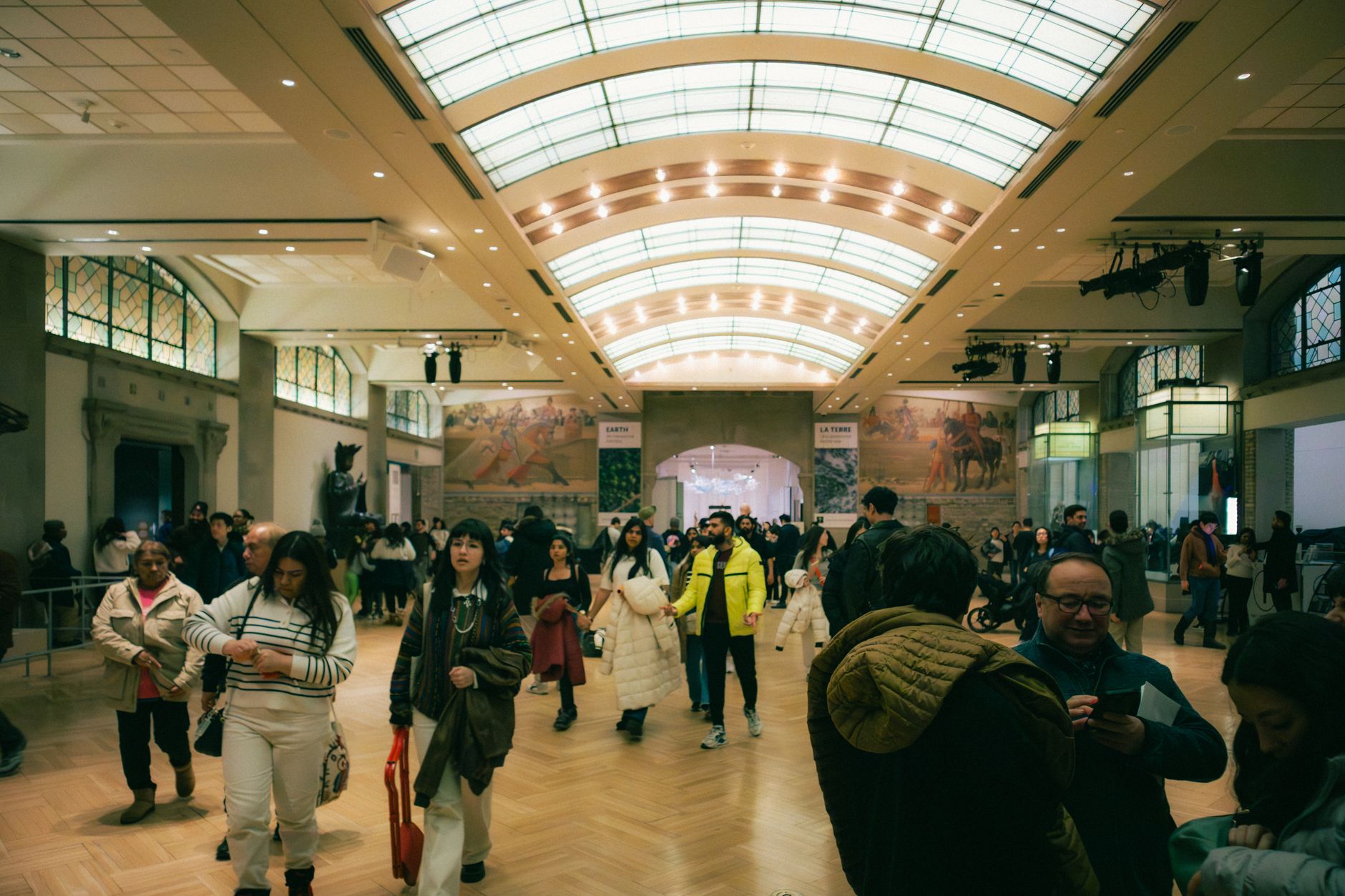
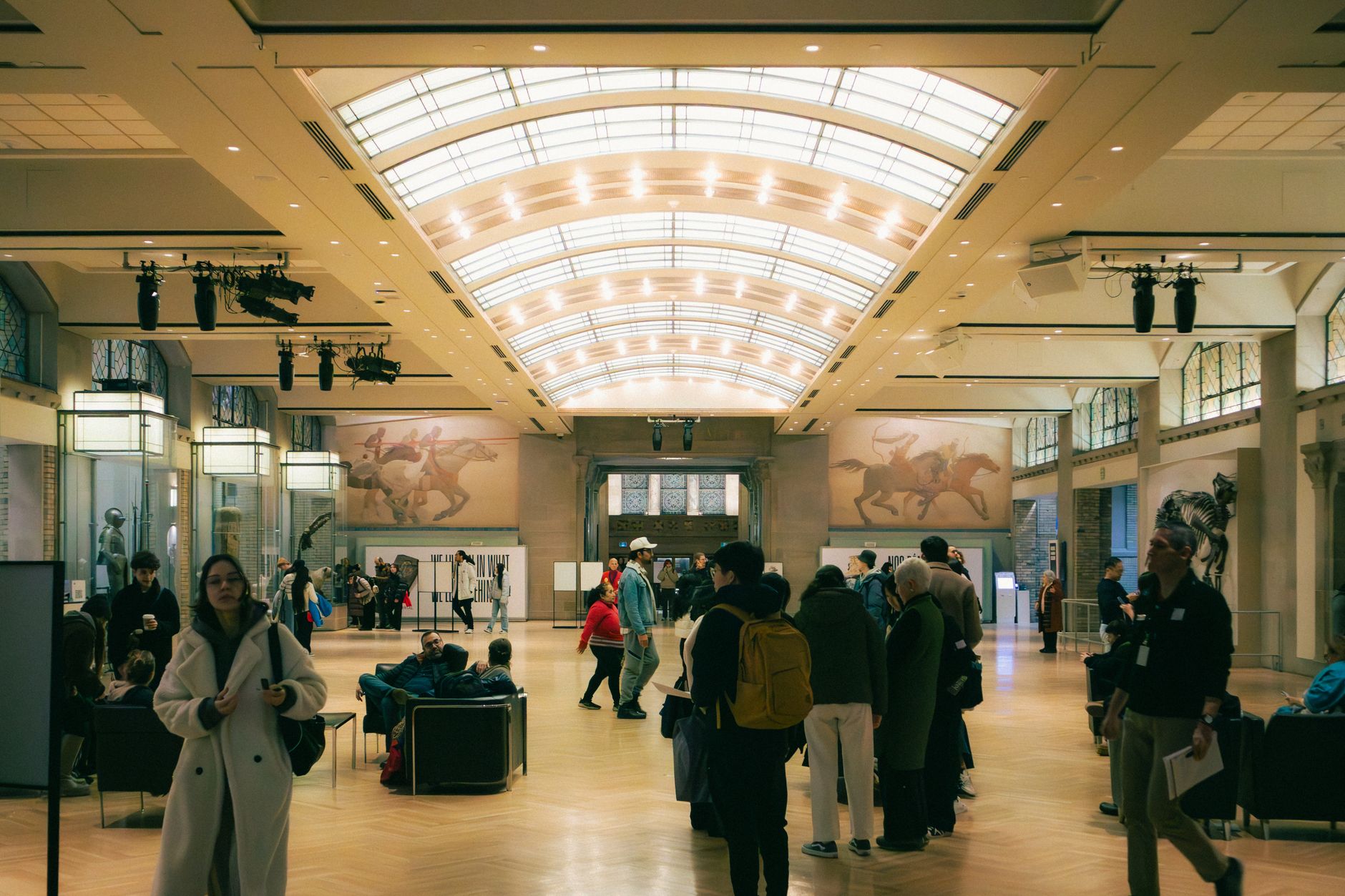
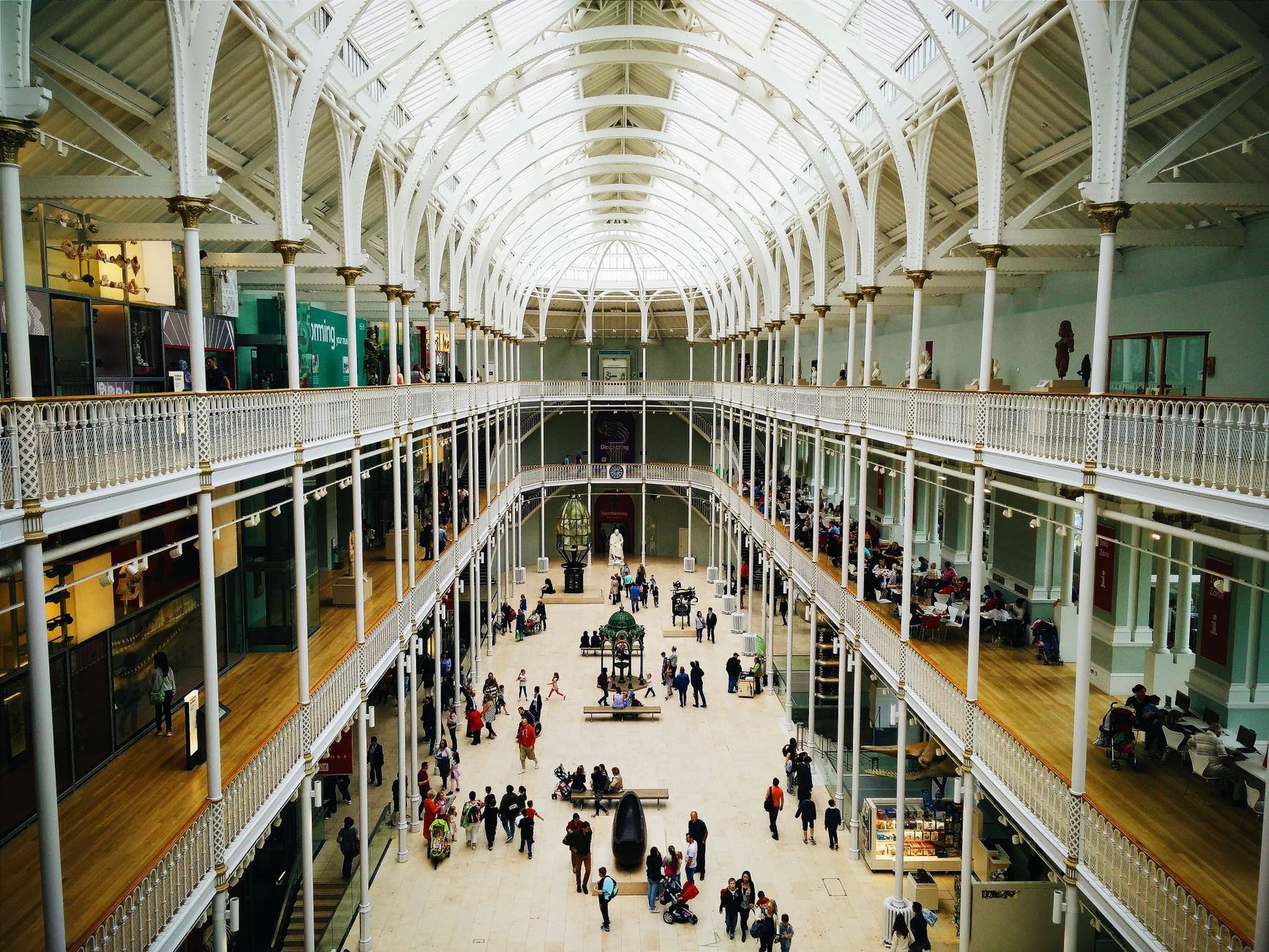
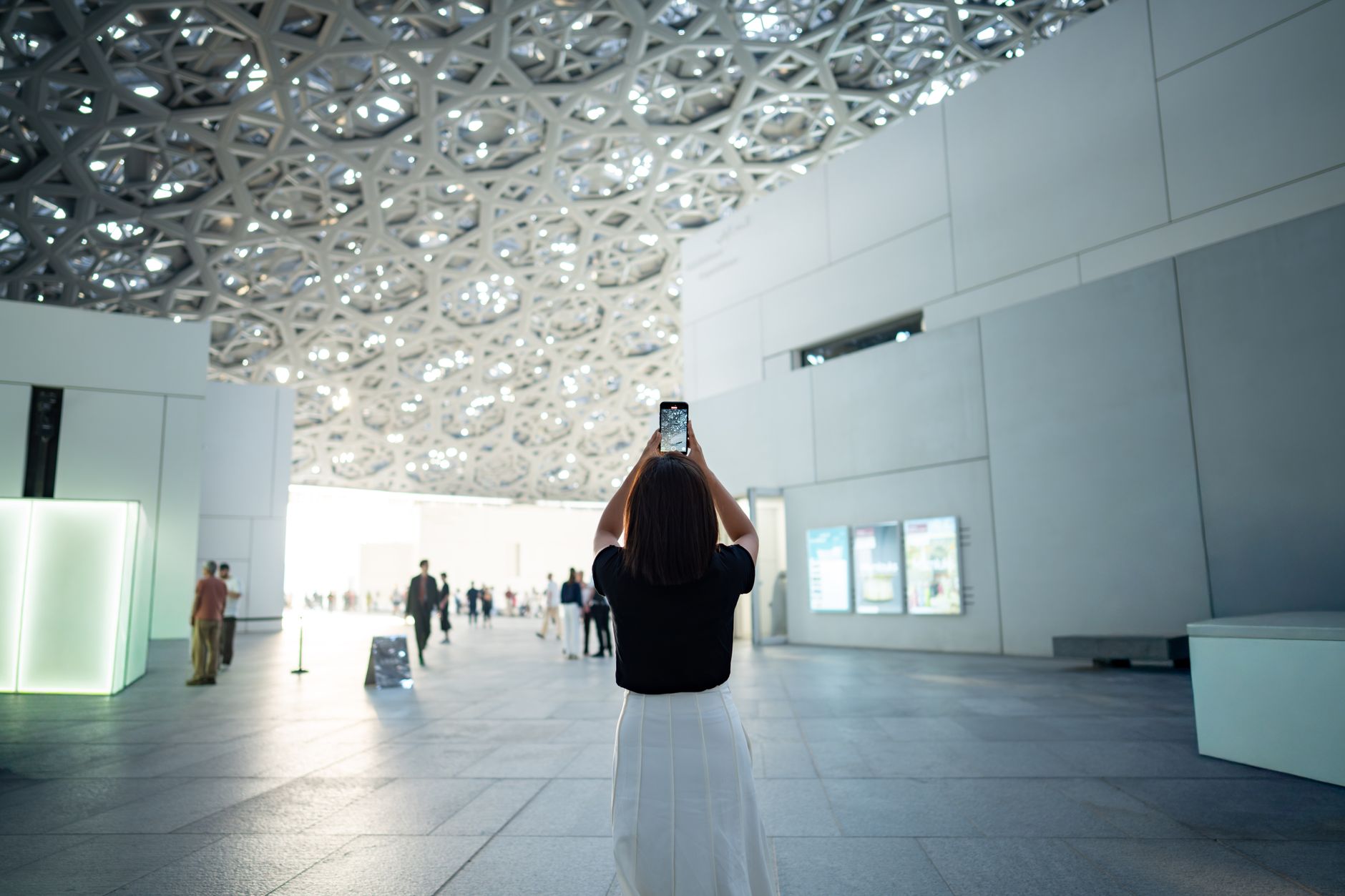
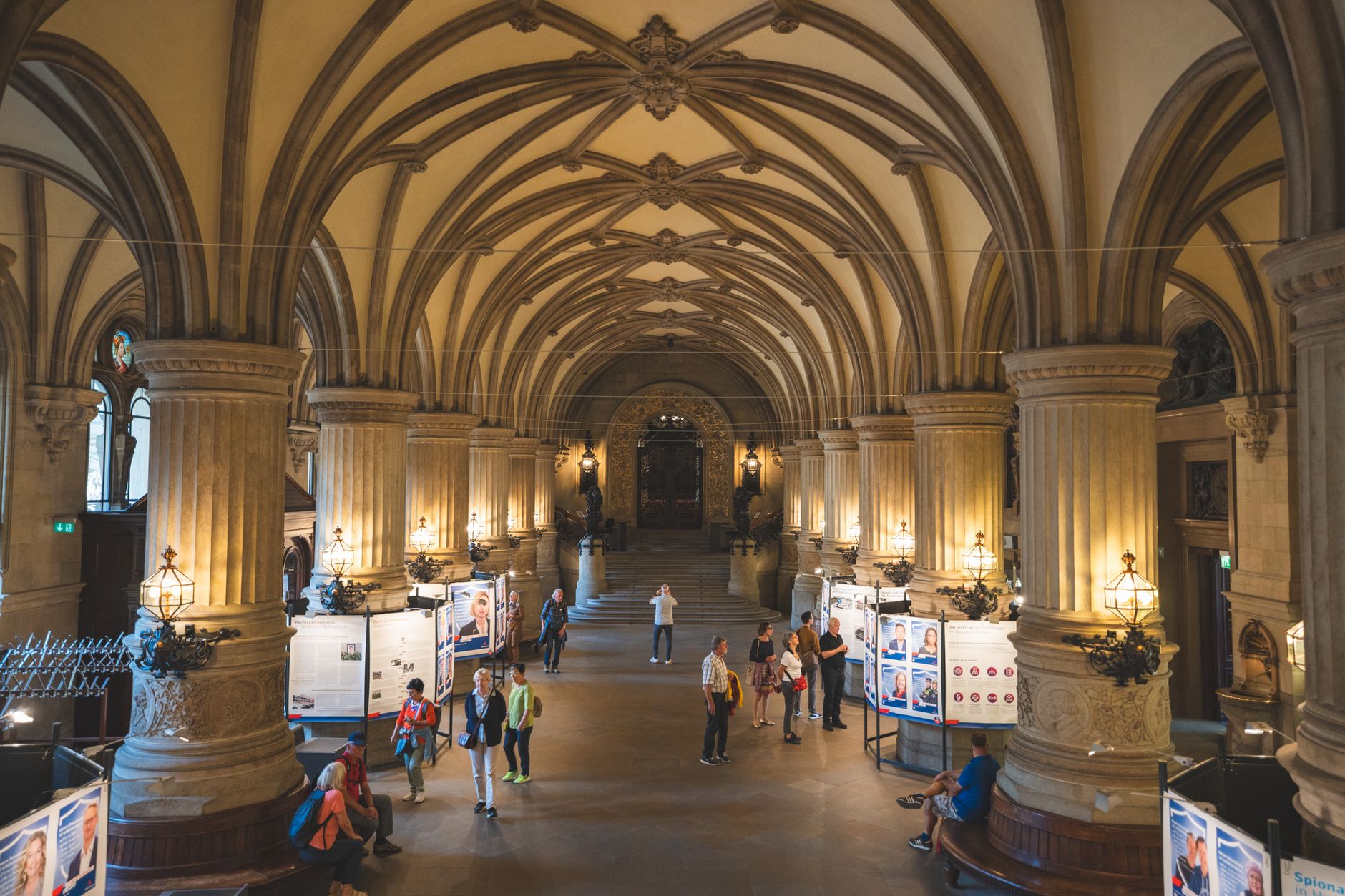
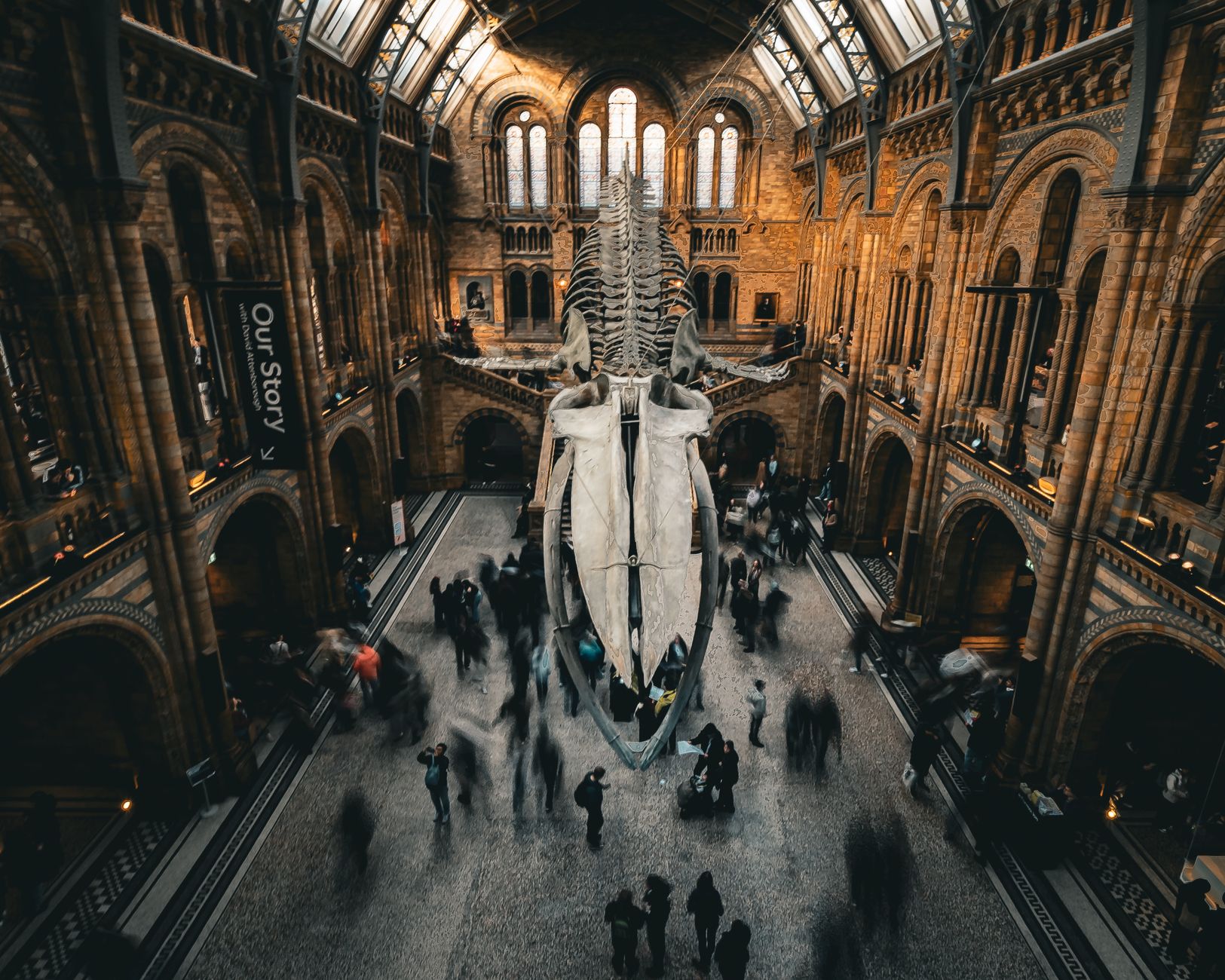
The first thing you notice is the chandelier. It hangs from the newly roofed courtyard of Dar Menebhi Palace like a suspended planet — brass, geometric, enormous — and it pulls your eye up before you've had a chance to read a single label. This is the Main Exhibition Hall of the Marrakech Museum, the central space around which the rest of the building orbits.
The room was once an open riad garden. Now it's the museum's anchor: paved underfoot, ringed by carved cedar and zellij tilework, and lit by that chandelier in arabesque patterns that shift depending on where you stand. The collection here — pottery, weapons, traditional Moroccan objects — is secondary to the architecture, and that's not a criticism.
💛 What travellers fall for
People who come back tend to arrive early, before tour groups fill the courtyard, and spend time simply standing under the chandelier at different angles. The signage is Arabic and French only, so if you want context beyond what you can see, a quick read before you arrive goes a long way.
How Main Exhibition Hall came to be
Dar Menebhi Palace was built in the final years of the 19th century — around 1894 to 1898 — for Mehdi Mnebhi, who served as Minister of Defense under Sultan Moulay Abdelaziz. The palace followed the classical Andalusian model: a grand courtyard at the centre, galleries and rooms arranged around it, every surface a surface worth decorating.
After Moroccan independence in 1956, the building was repurposed as a girls' school. It stayed that way until 1997, when the Omar Benjelloun Foundation acquired and restored it, opening it as a museum that same year. The decision to roof the central courtyard — and hang that chandelier — came with the restoration, transforming what had been an open-air garden into the hall you walk into today.
Who and what shaped it
People who shaped it
Landmark buildings
Plan your visit
On the map
When to go
Right now
Background & history adapted from Wikipedia (CC BY-SA) · specs from Wikidata (CC0) · weather from Open-Meteo · map data © OpenStreetMap contributors · photos from Wikimedia Commons / Unsplash with per-image credit. No third-party reviews or social posts reproduced.