
Coin and Manuscript Collection Room


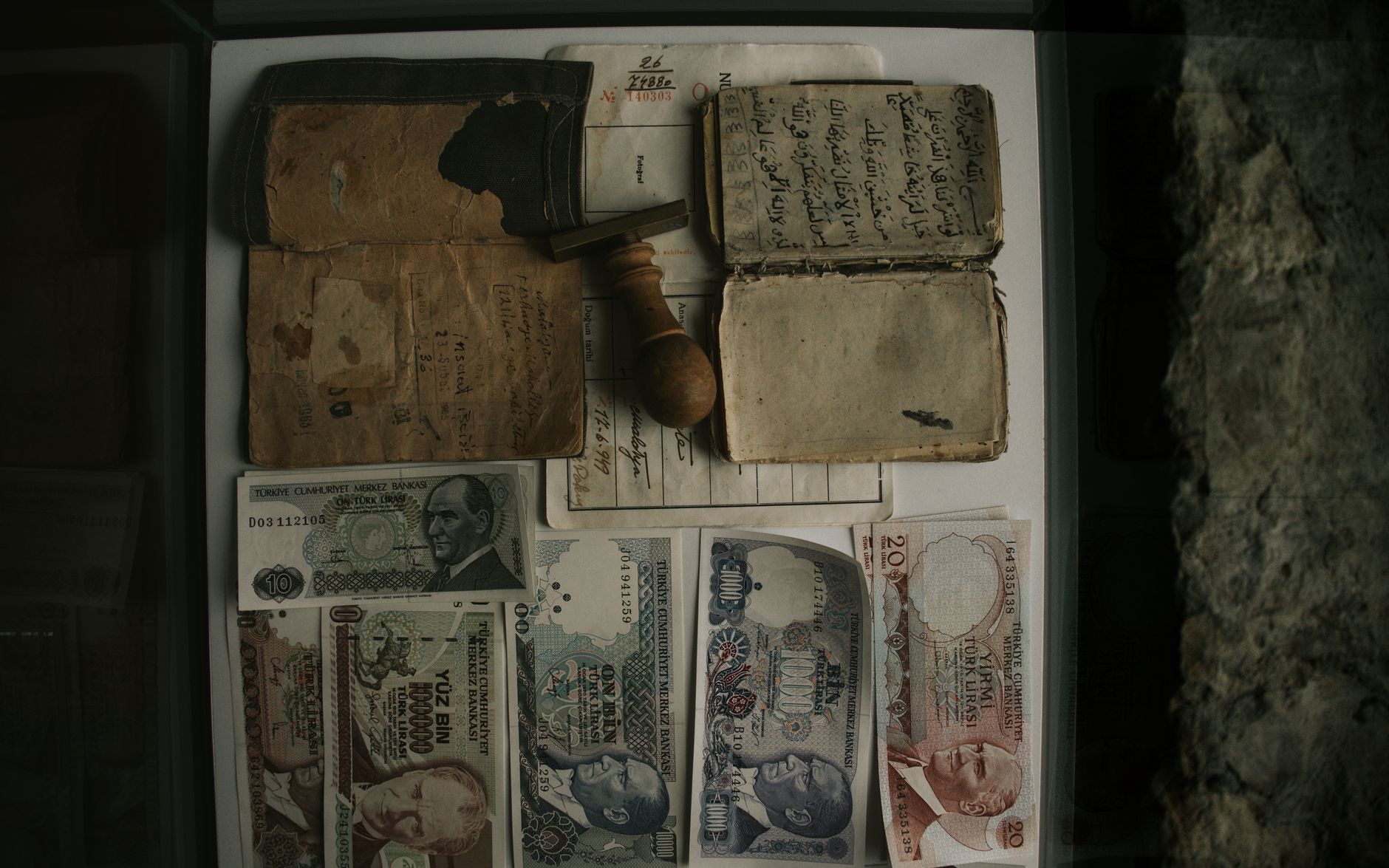


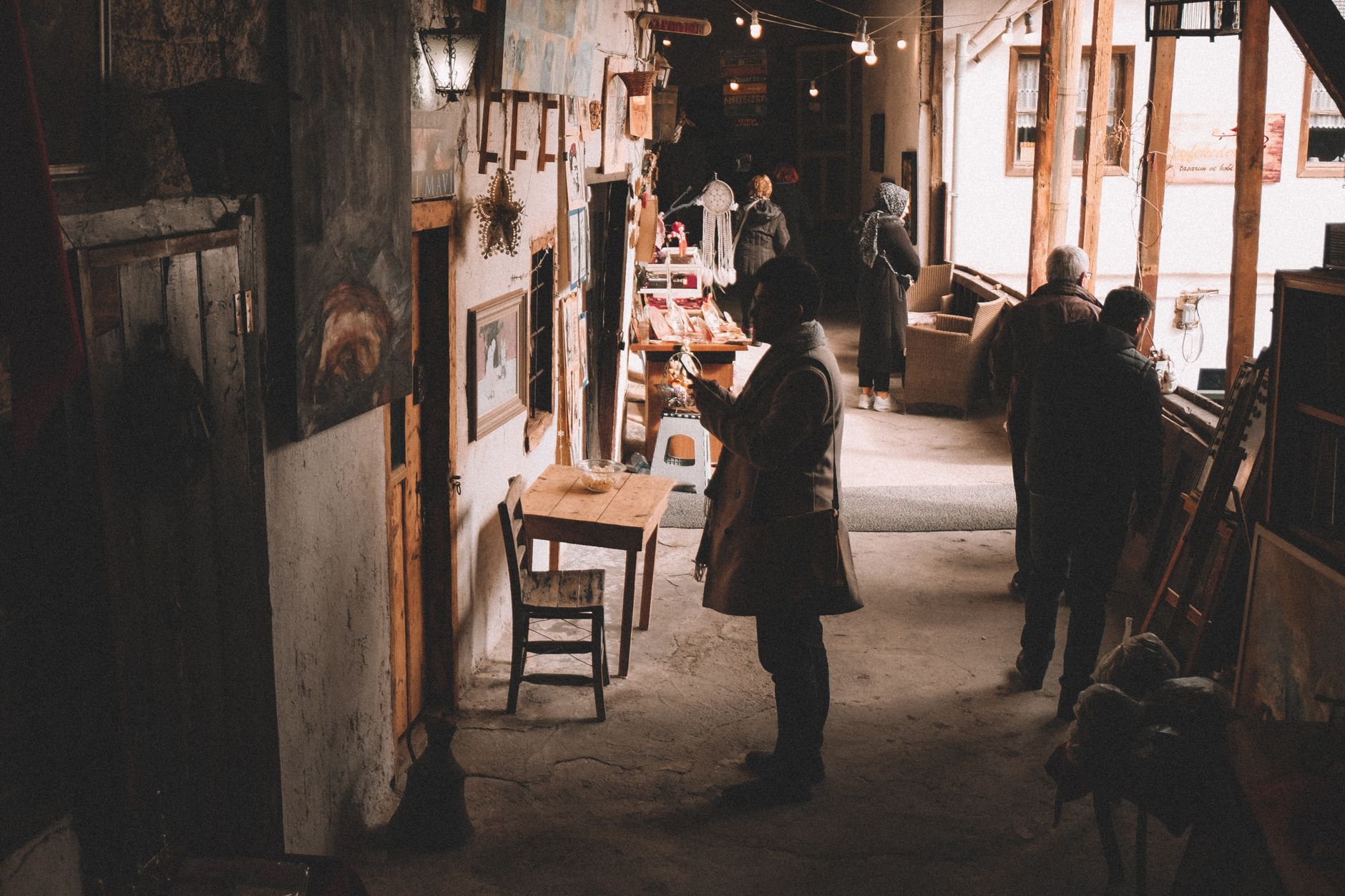
Within the Marrakech Museum's circuit of rooms, this corner of the collection brings together coins and manuscript pages — the kind of objects that tend to get overlooked in favour of larger, more immediately legible things. Spend a moment here and the scale shifts: a single dirham or a line of calligraphy can carry more of a city's history than a whole wall of weaponry.
The room sits inside Dar Mnebhi Palace, a structure built at the turn of the twentieth century and later converted into a museum in 1997. The coins and manuscripts are part of a broader collection that also takes in ceramics, textiles, and photography — so this space works best when you let it slow you down rather than rush through it.
💛 What travellers fall for
People who linger here tend to say the same thing afterward: the calligraphy rewards a closer look than you'd expect to give it. Pair it with the central courtyard's chandelier on your way out — the geometric brass-work and the manuscript script share a logic that becomes obvious once you've seen both.
How Coin and Manuscript Collection Room came to be
The building housing this collection was commissioned by Mehdi al-Mnebhi, a vizier of war under Sultan Moulay Abdelaziz, around 1900. Al-Mnebhi held that position until 1908, and Dar Mnebhi Palace reflects the ambitions of that moment — ornate zellij tilework, carved cedar, a riad courtyard that now sits roofed over and centered on a brass chandelier.
After Moroccan independence in 1956, the state seized the palace and by 1965 it had become a girls' school. Decades of different use followed before the Omar Benjelloun Foundation purchased and restored the building, reopening it as a museum in 1997. The coins and manuscripts arrived as part of that founding collection.
Who and what shaped it
People who shaped it
Landmark buildings
See Coin and Manuscript Collection Room in motion
Plan your visit
On the map
When to go
As an indoor space, the room itself is comfortable year-round, but the walk from the medina lanes matters: summer afternoons push well above 35°C, so a morning visit makes the approach far easier. Winter days are mild, though evenings drop sharply.
Right now
Background & history adapted from Wikipedia (CC BY-SA) · specs from Wikidata (CC0) · weather from Open-Meteo · map data © OpenStreetMap contributors · photos from Wikimedia Commons / Unsplash with per-image credit. No third-party reviews or social posts reproduced.