
Weapons and Armor Room
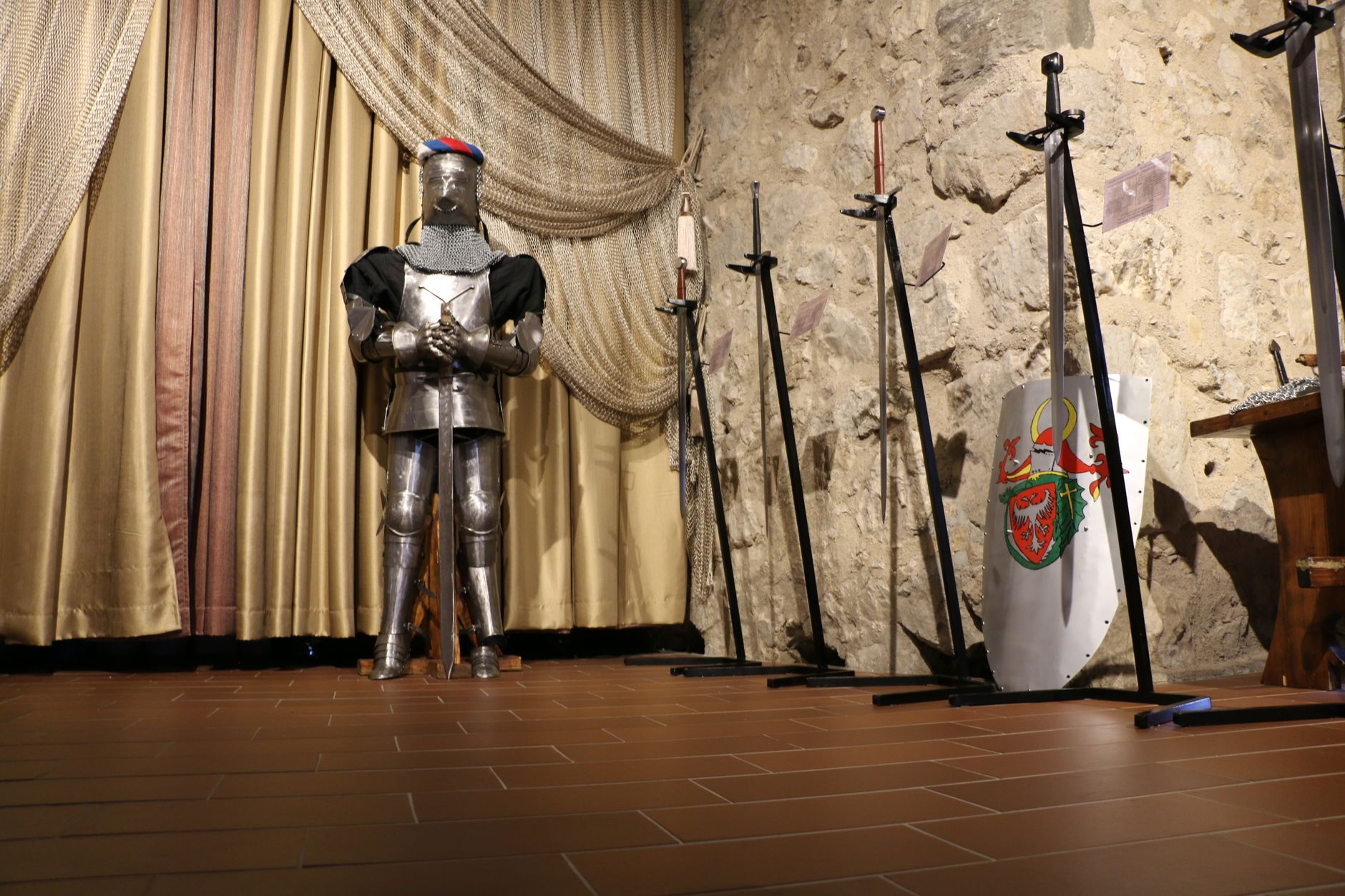
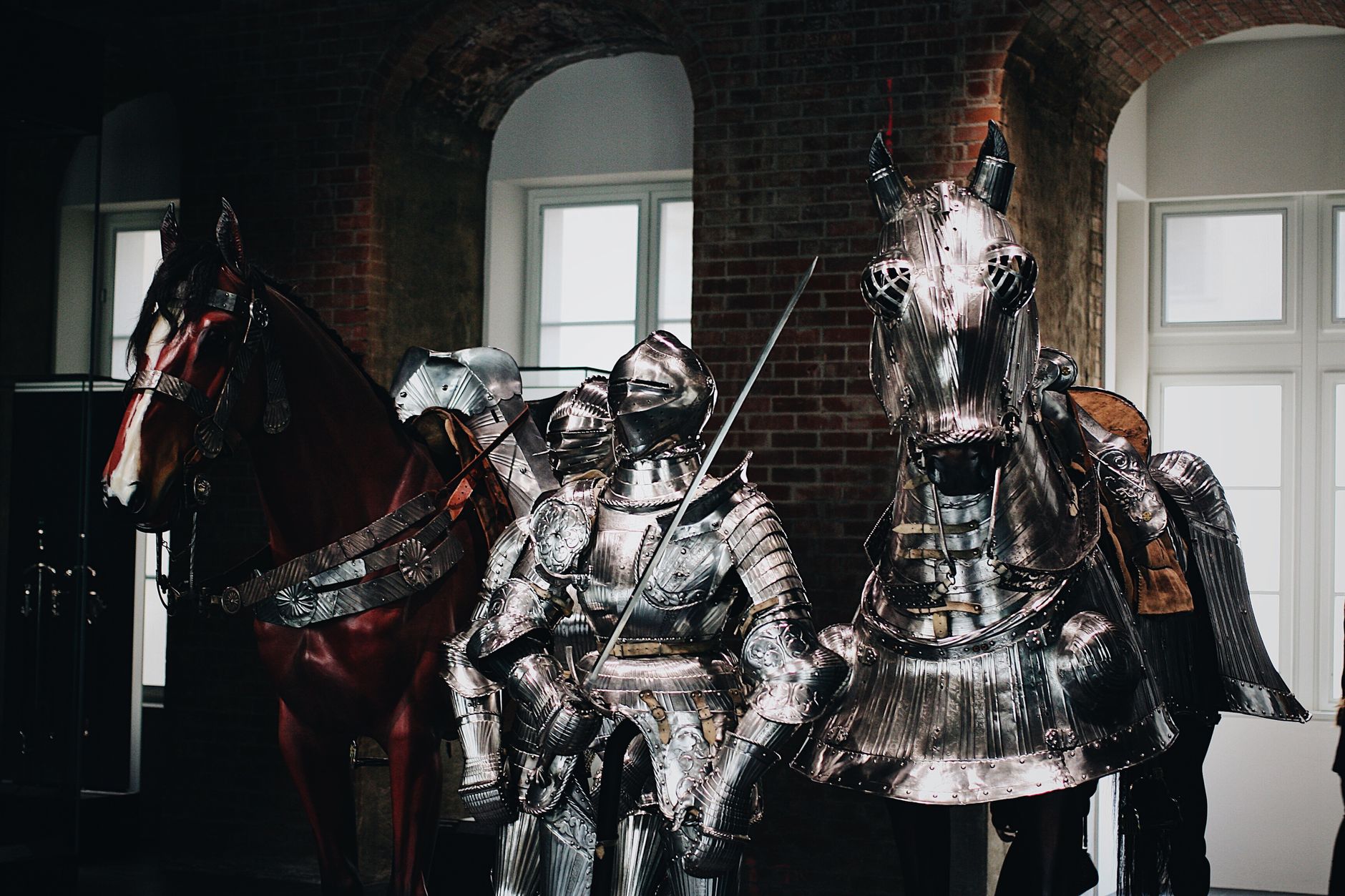
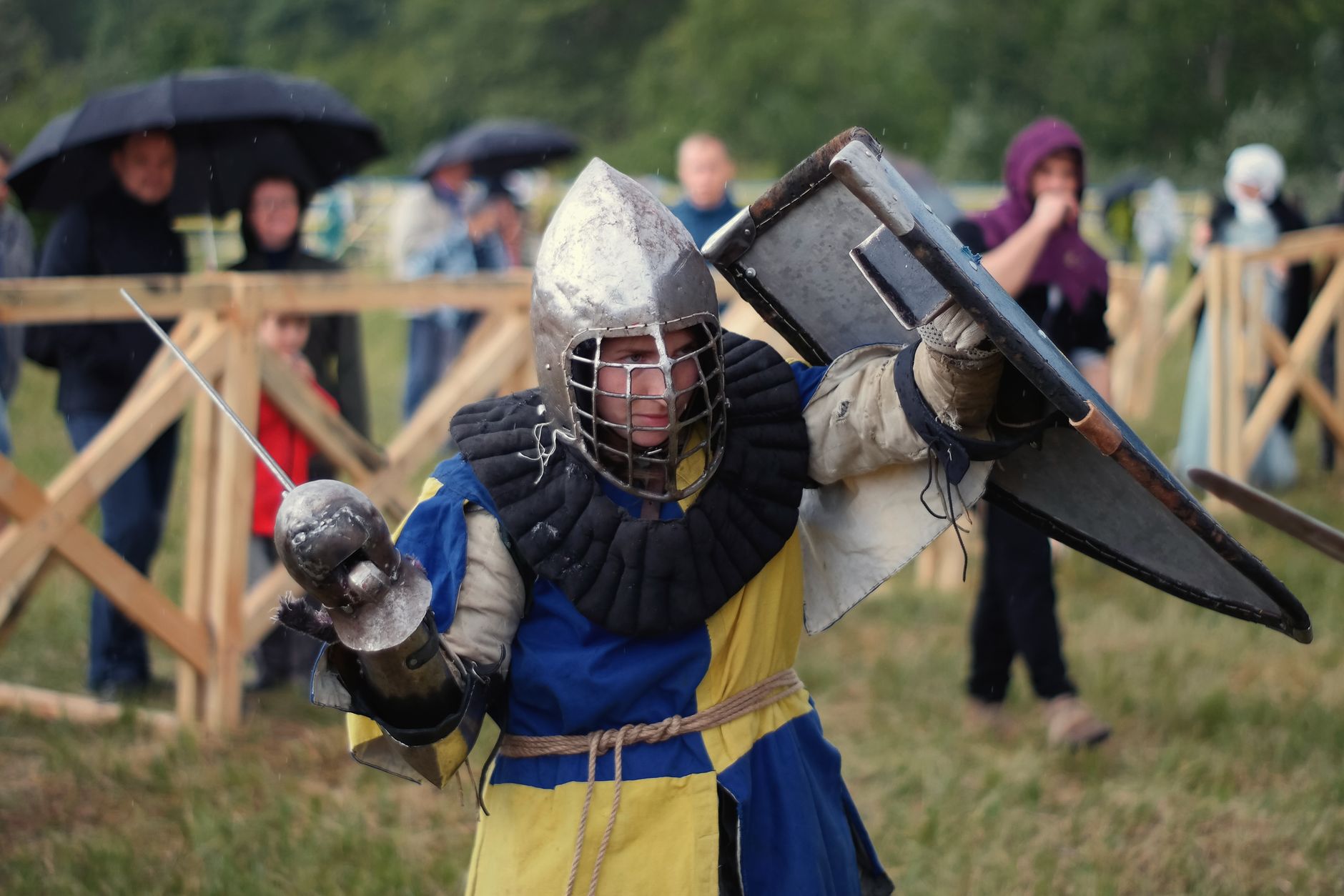
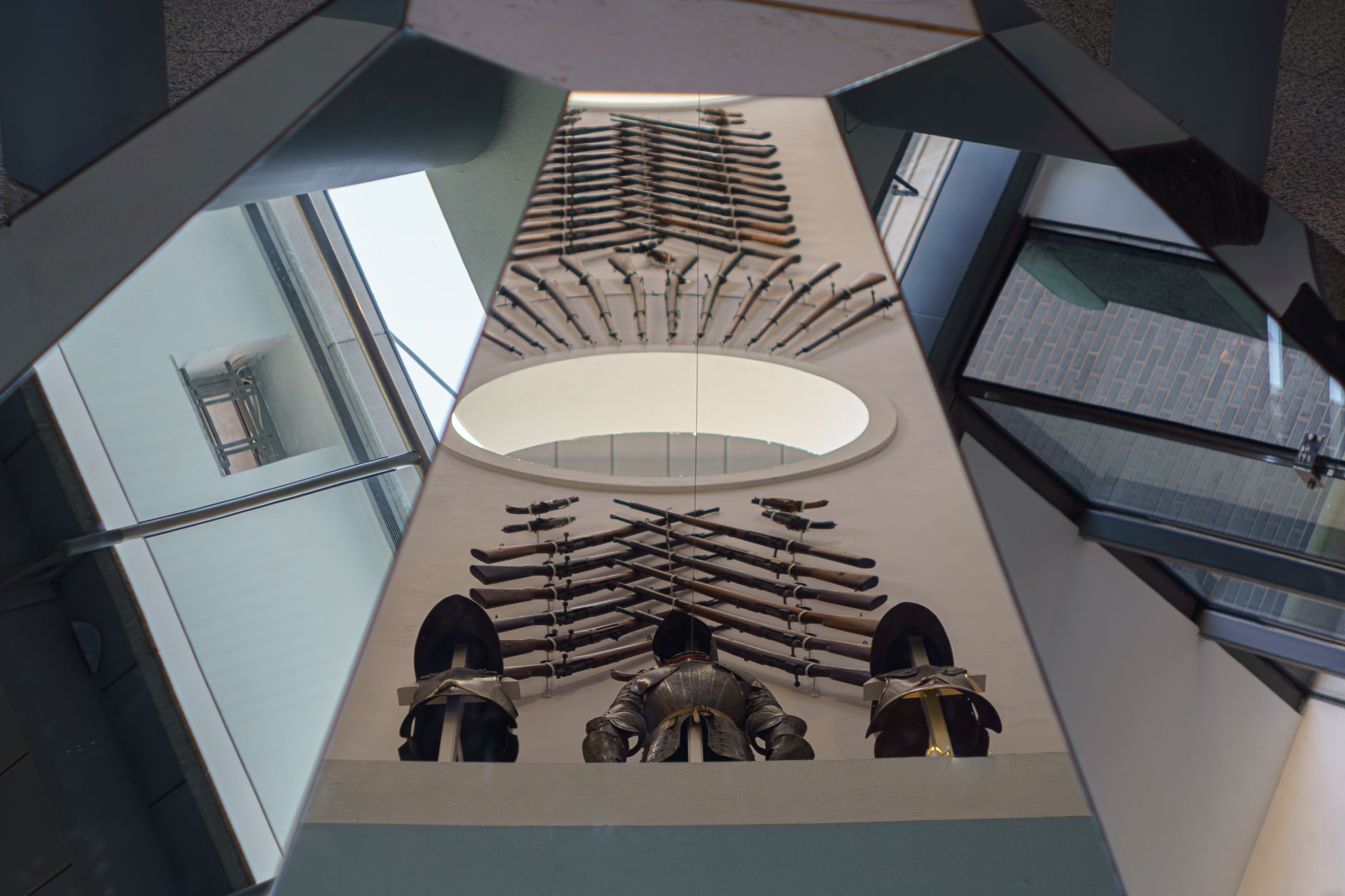
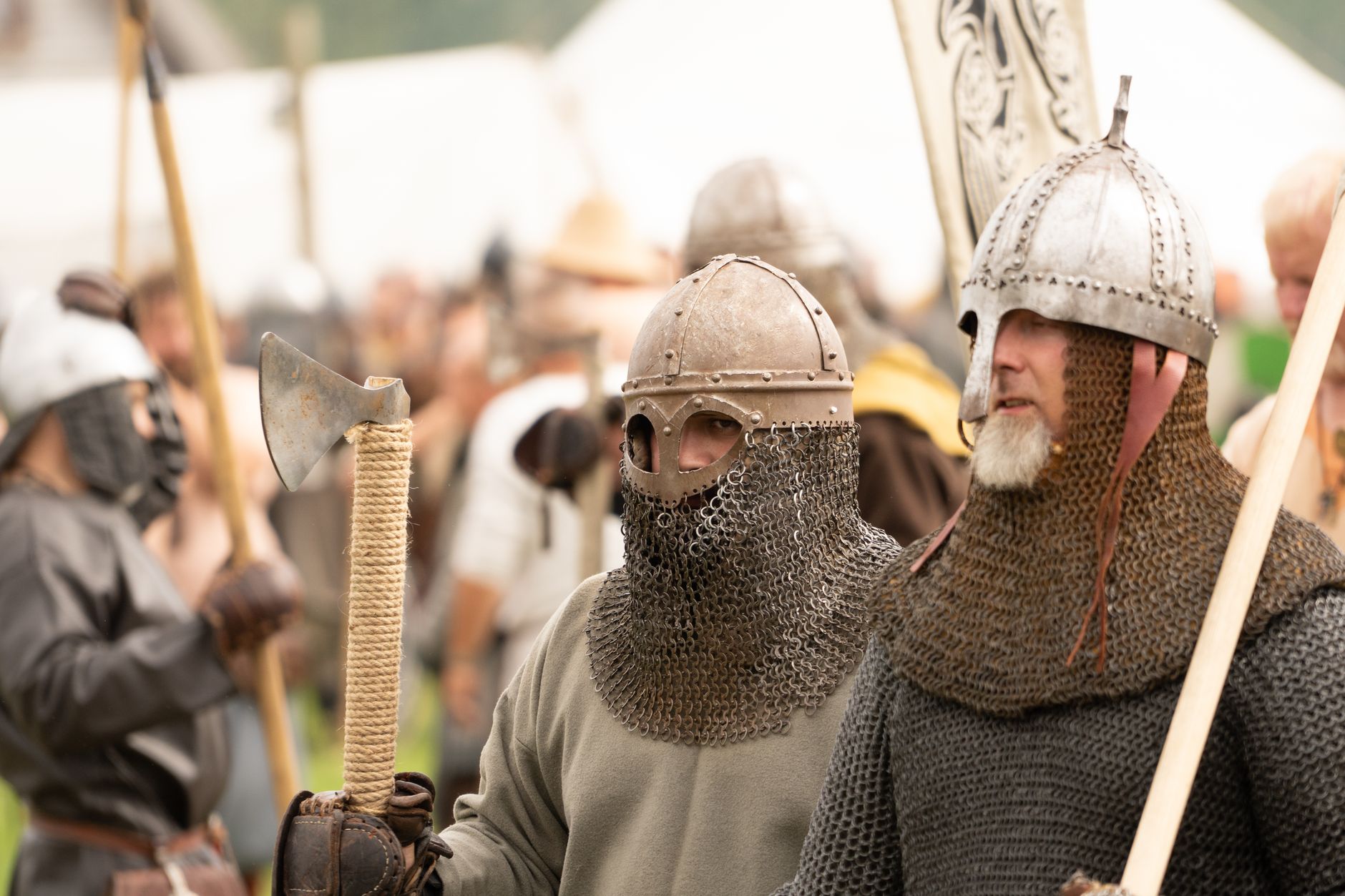
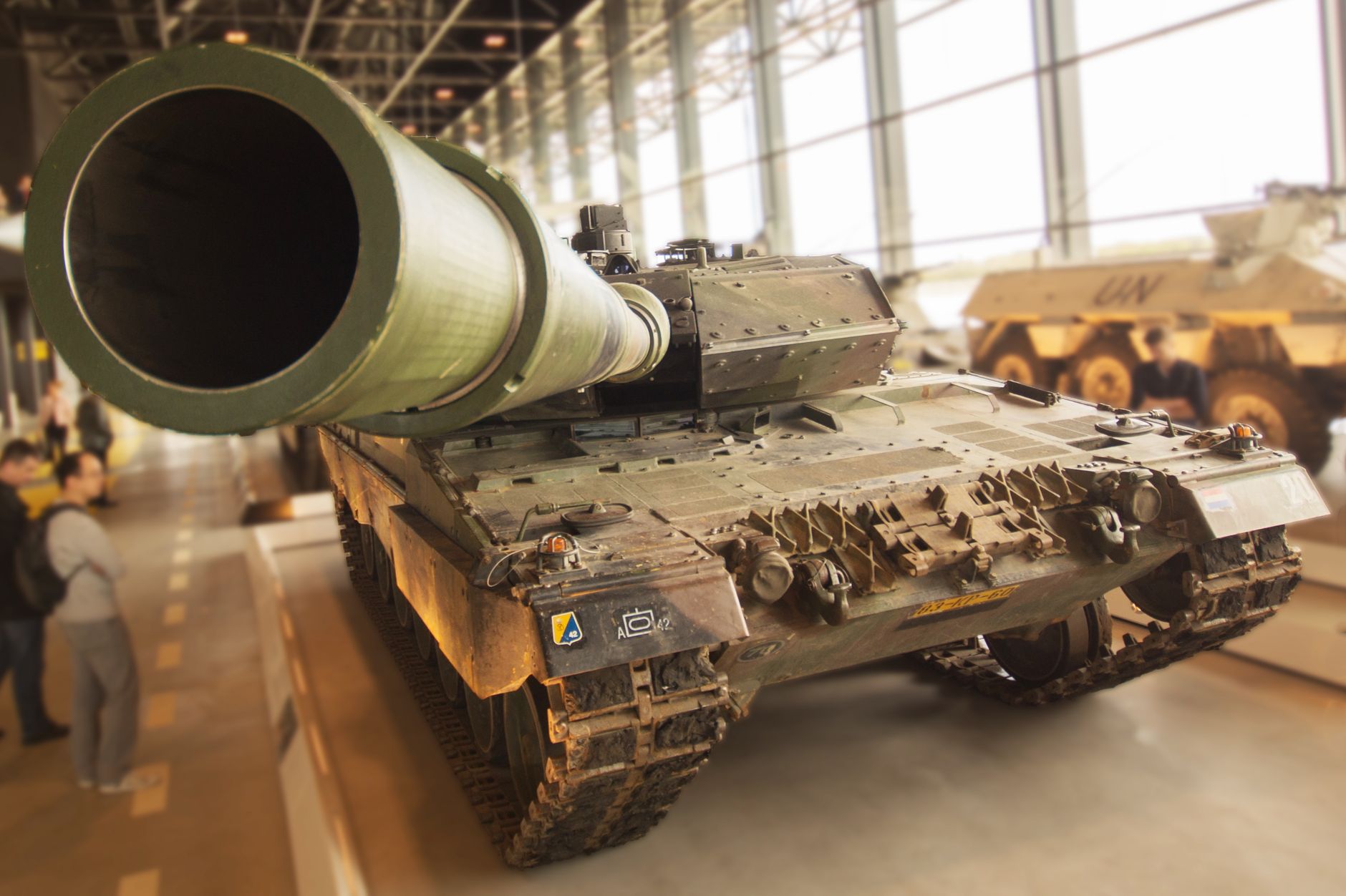
The room sits within a palace that was once the residence of a vizier of war, which lends a certain logic to what it contains. Weapons and armor collected from across Morocco's traditional past line the space, while the building around them — Dar Mnebhi, with its carved cedar, zellij tilework, and a brass chandelier overhead in the central courtyard that catches light at almost every hour — does as much work as any individual object.
The collection forms part of a broader arrangement of rooms organized around the courtyard, and the weapons room earns its place in the sequence: it connects the material culture of craft and ceremony to the political history embedded in the palace's own walls.
💛 What travellers fall for
People who come back tend to spend longer in the courtyard than they planned — the brass chandelier and the wall fountains reward a slow look. If you read French or Arabic, the signage opens up considerably; if not, bring patience or a phone for translation. The café on-site is worth the stop before you move on to the madrasa next door.
How Weapons and Armor Room came to be
Dar Mnebhi was built at the turn of the twentieth century for Mehdi al-Mnebhi, a qaid of the Mnabha tribe who served as vizier of war under Sultan Moulay Abdelaziz between 1900 and 1908. The palace reflects the architectural language of that era — courtyard, fountain, painted cedar, geometric tilework — built for a man at the intersection of military and political power.
After Moroccan independence in 1956, the state seized the palace. It spent decades as a girls' school before the Omar Benjelloun Foundation undertook its renovation and opened it as a museum in 1997. The weapons room, in that context, is housed in a building with its own martial history.
Who and what shaped it
People who shaped it
Landmark buildings
Plan your visit
On the map
When to go
Right now
Background & history adapted from Wikipedia (CC BY-SA) · specs from Wikidata (CC0) · weather from Open-Meteo · map data © OpenStreetMap contributors · photos from Wikimedia Commons / Unsplash with per-image credit. No third-party reviews or social posts reproduced.