
Carved Plasterwork Room
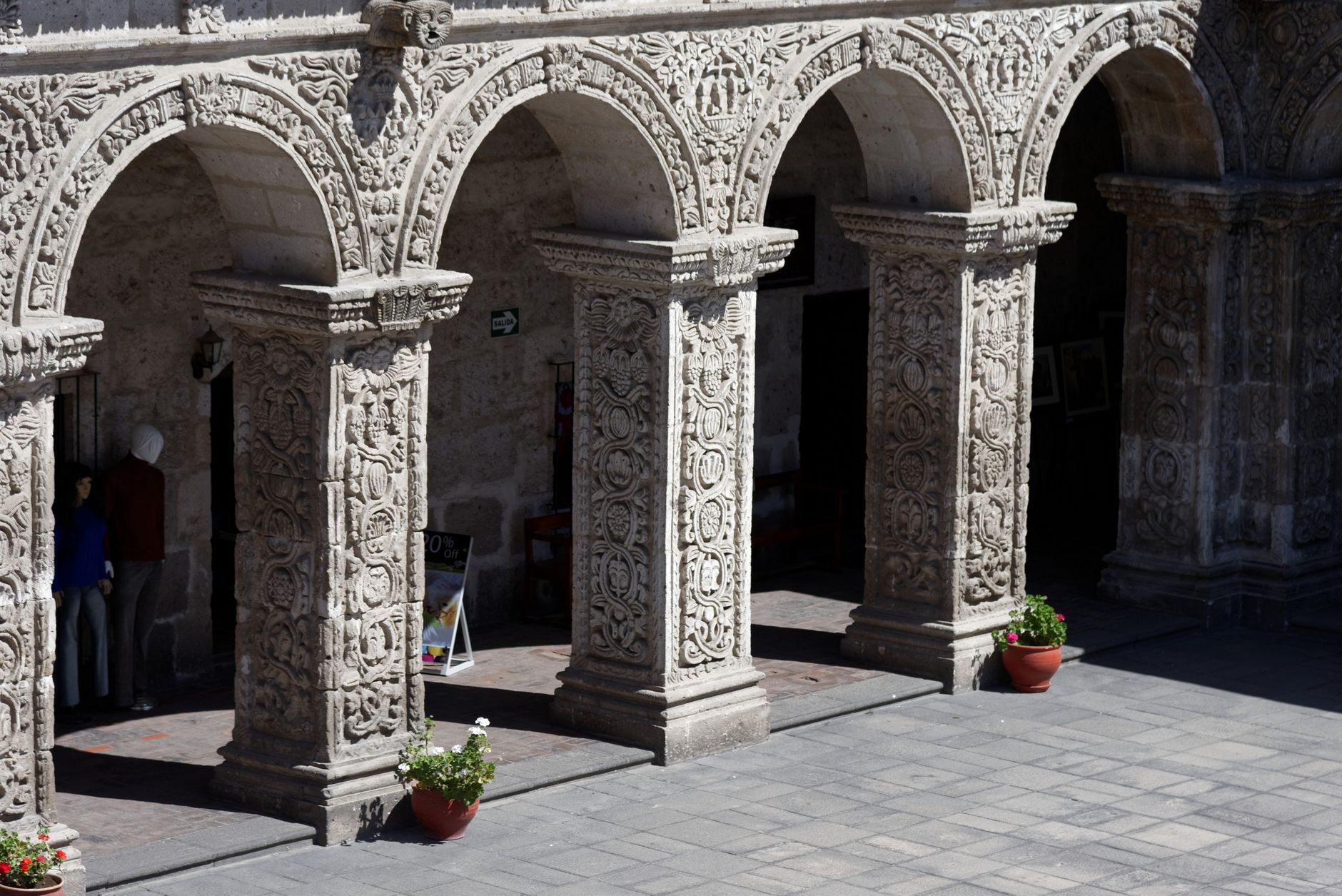
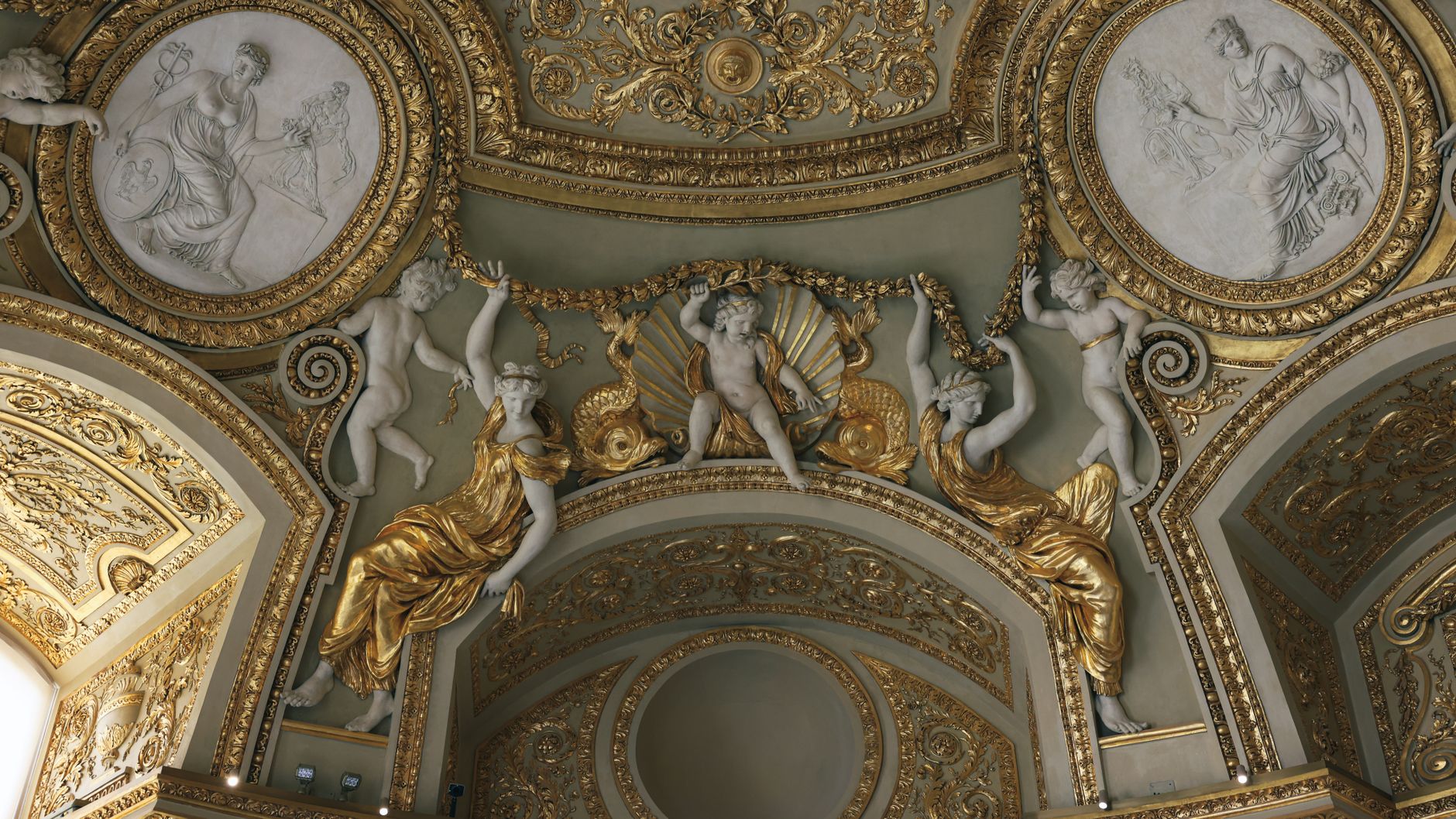
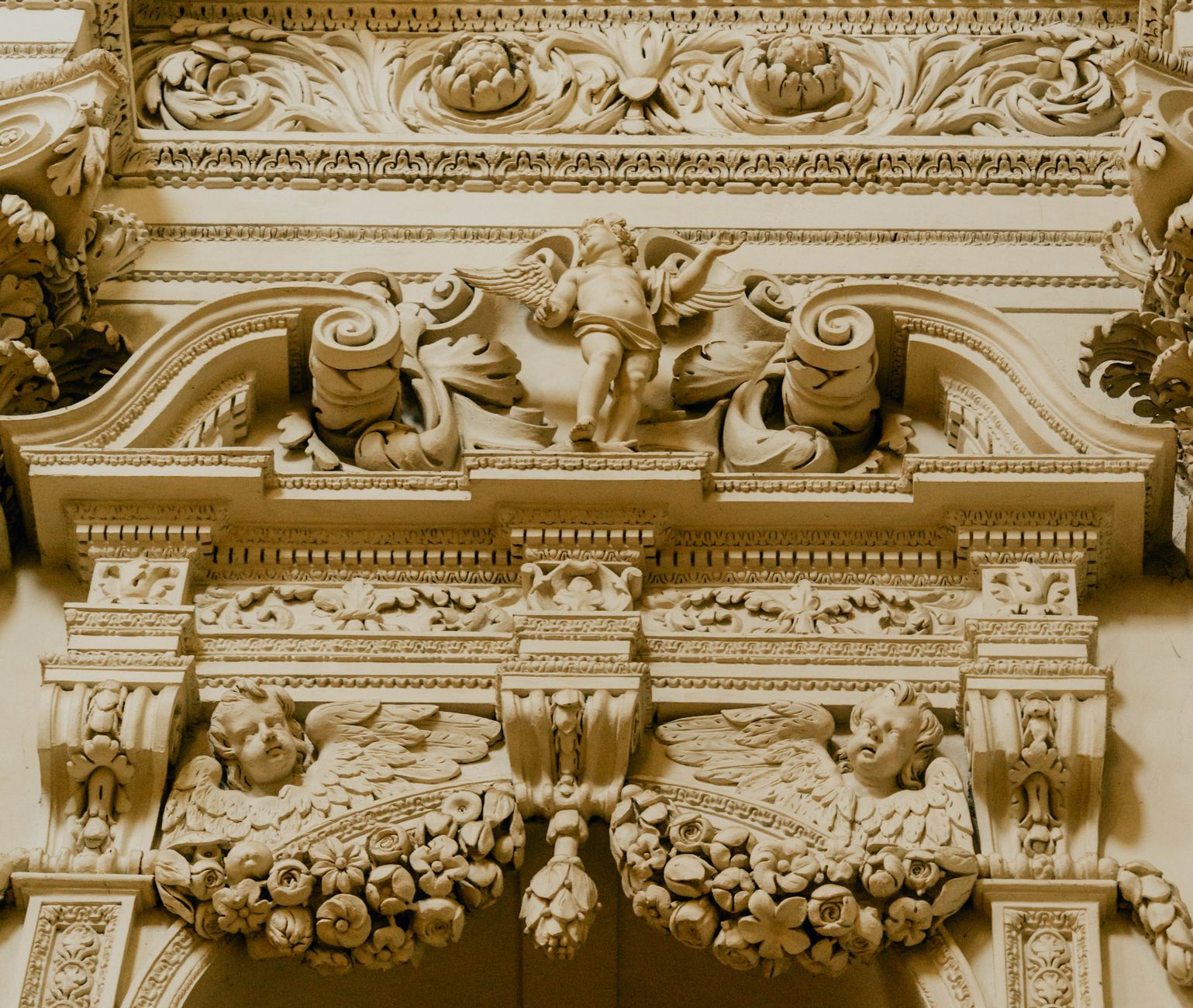
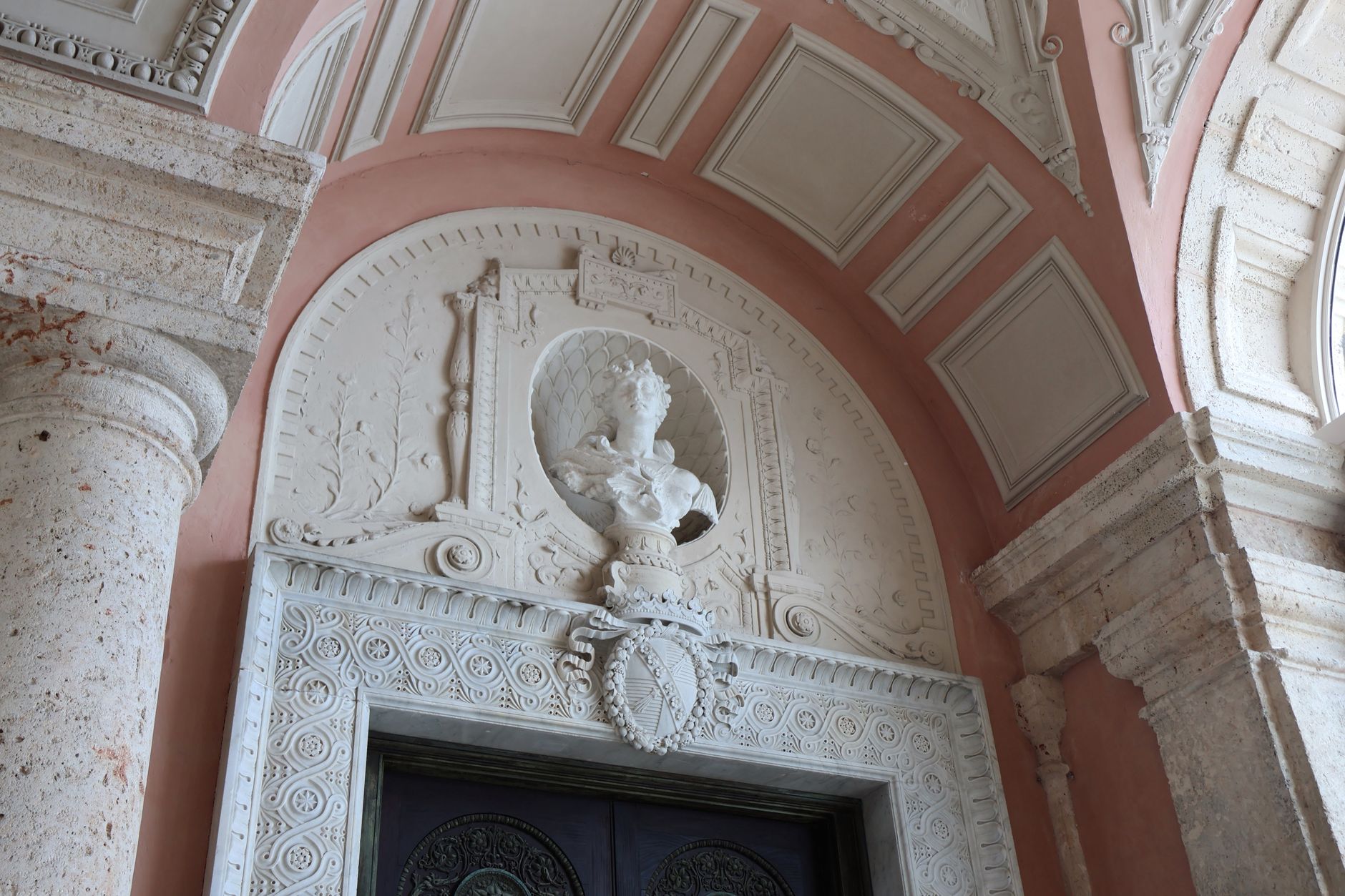
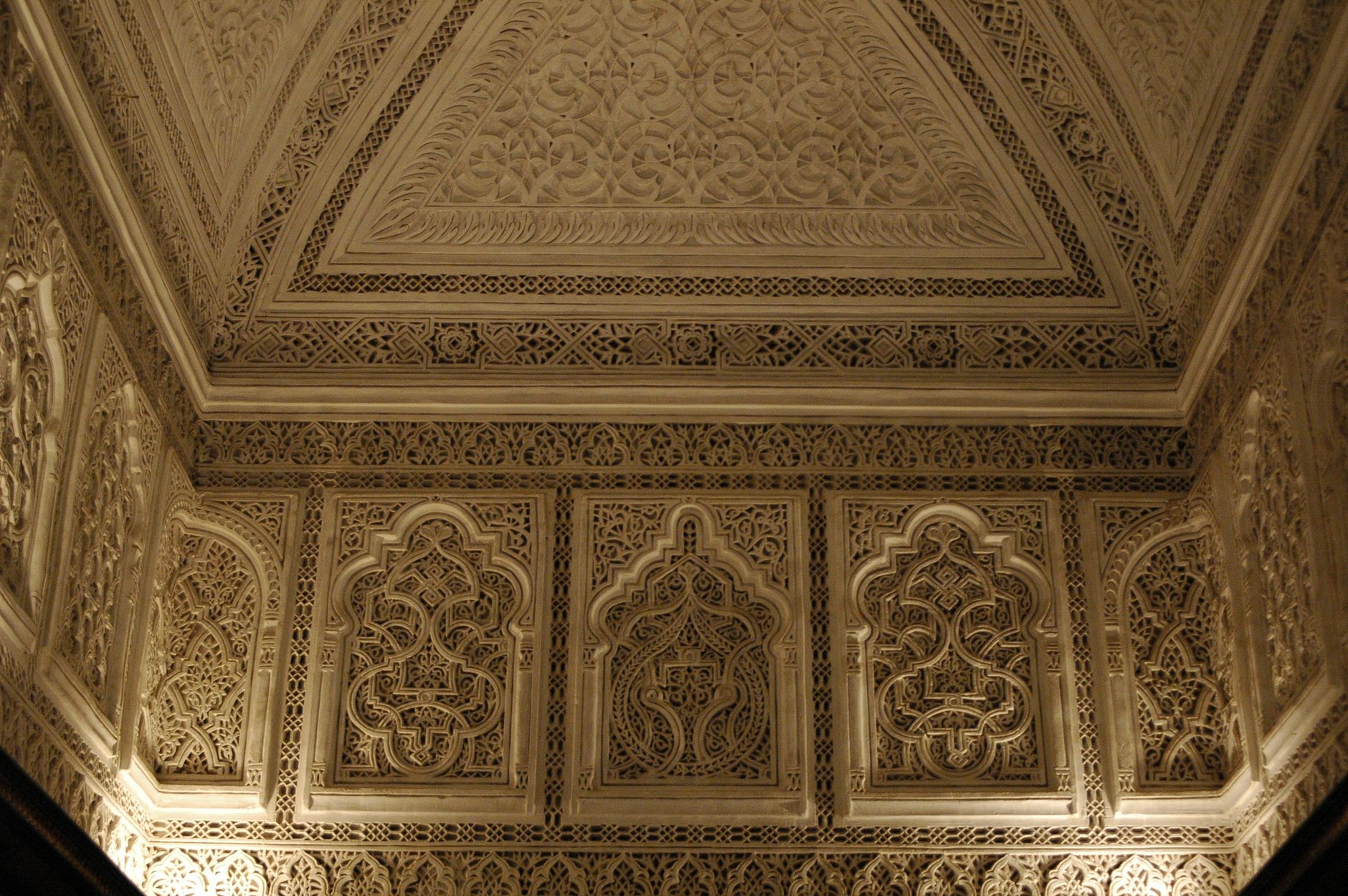
Stand close enough to the walls here and the plaster stops looking like decoration and starts looking like lace — arabesques and floral forms carved so finely you half expect them to move in a draft. This is naqsh hadida, wet plaster worked with iron tools into patterns that sometimes fold Kufic script into the geometry, blessings or verses threaded through the ornament.
The room sits inside Dar Mnebhi Palace, a structure built at the turn of the twentieth century that has been a private residence, a political prize, a girls' school, and now a museum. The carved stucco here is original to the palace, which makes standing in front of it feel less like looking at an exhibit and more like reading a wall.
💛 What travellers fall for
People who've been more than once tend to bring something to read on the bench near the stucco panels — not to ignore the room, but because the light shifts slowly through the day and the details change with it. Morning light, they say, is when the carved relief casts the sharpest shadows and the script becomes most legible.
How Carved Plasterwork Room came to be
Dar Mnebhi Palace was built around 1900 for Mehdi al-Mnebhi, a qaid of the Mnabha tribe who served as vizier of war under Sultan Moulay Abdelaziz. While al-Mnebhi was posted as ambassador in London, the powerful Glaoui family moved in and took the palace for themselves. After Moroccan independence in 1956, the state claimed it; for a time it became a girls' school.
Decades of partial neglect followed before the Omar Benjelloun Foundation undertook a careful restoration and opened the building as a museum in 1997. The carved plasterwork that survived all of that — the changes of ownership, the school years, the long quiet — is still here on the walls.
Who and what shaped it
People who shaped it
Landmark buildings
See Carved Plasterwork Room in motion
Plan your visit
On the map
When to go
As an interior room, the carved plasterwork space stays relatively sheltered year-round, though the palace has open courtyards that connect the galleries. If you're visiting in July or August, the midday heat outside is intense — arriving when the museum opens at 9 AM keeps the courtyard crossings comfortable.
Right now
Background & history adapted from Wikipedia (CC BY-SA) · specs from Wikidata (CC0) · weather from Open-Meteo · map data © OpenStreetMap contributors · photos from Wikimedia Commons / Unsplash with per-image credit. No third-party reviews or social posts reproduced.