
Saadian Tombs
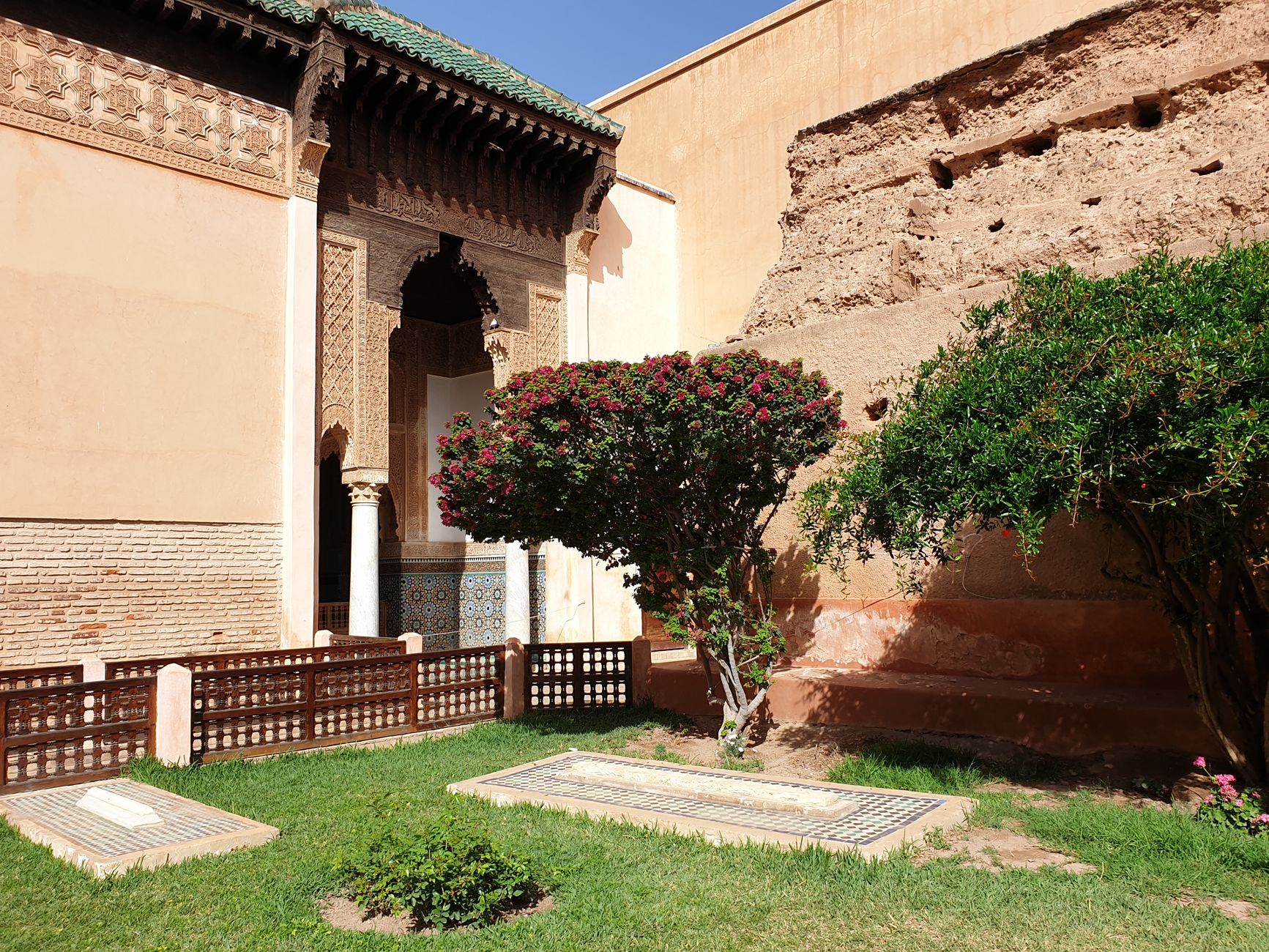
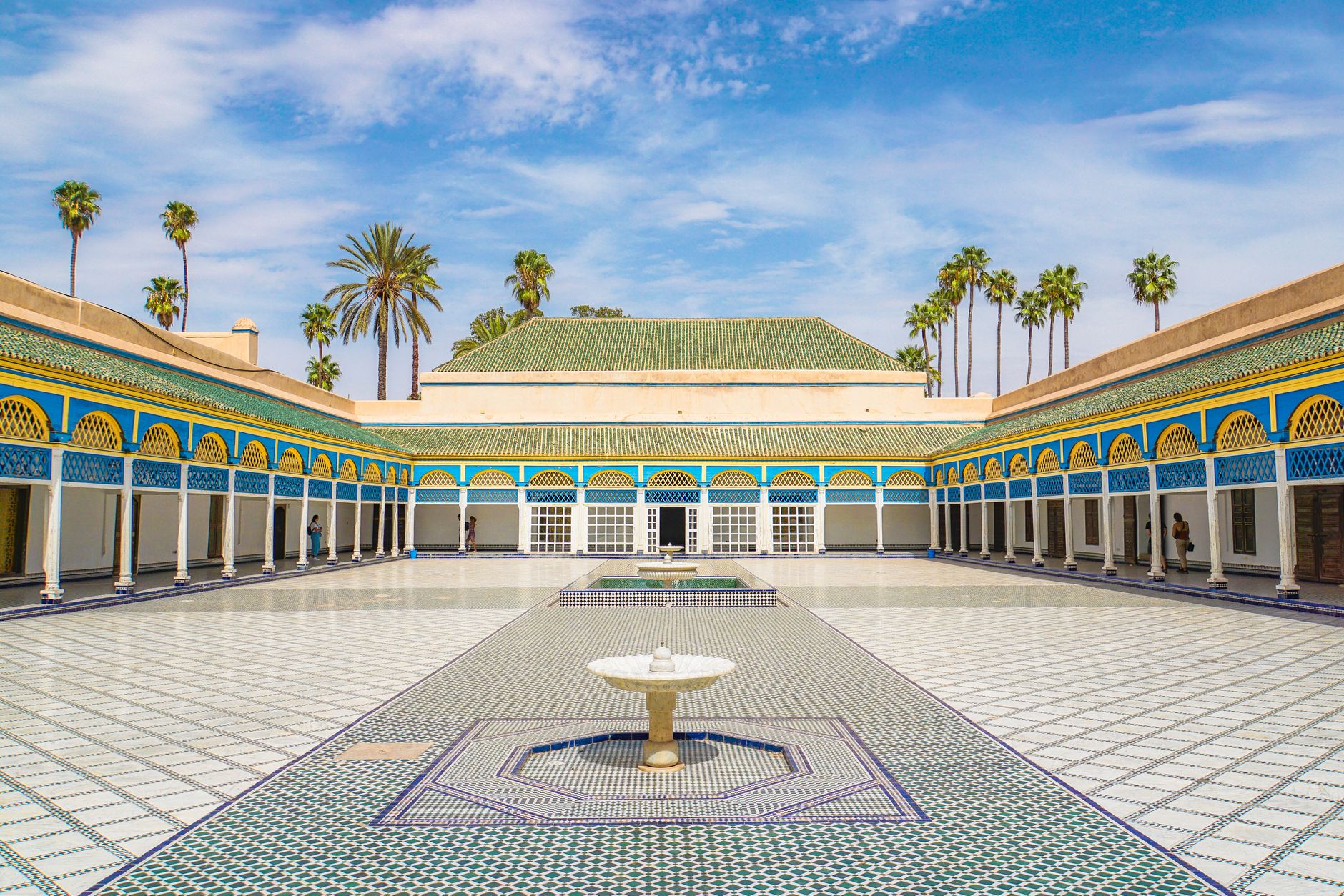
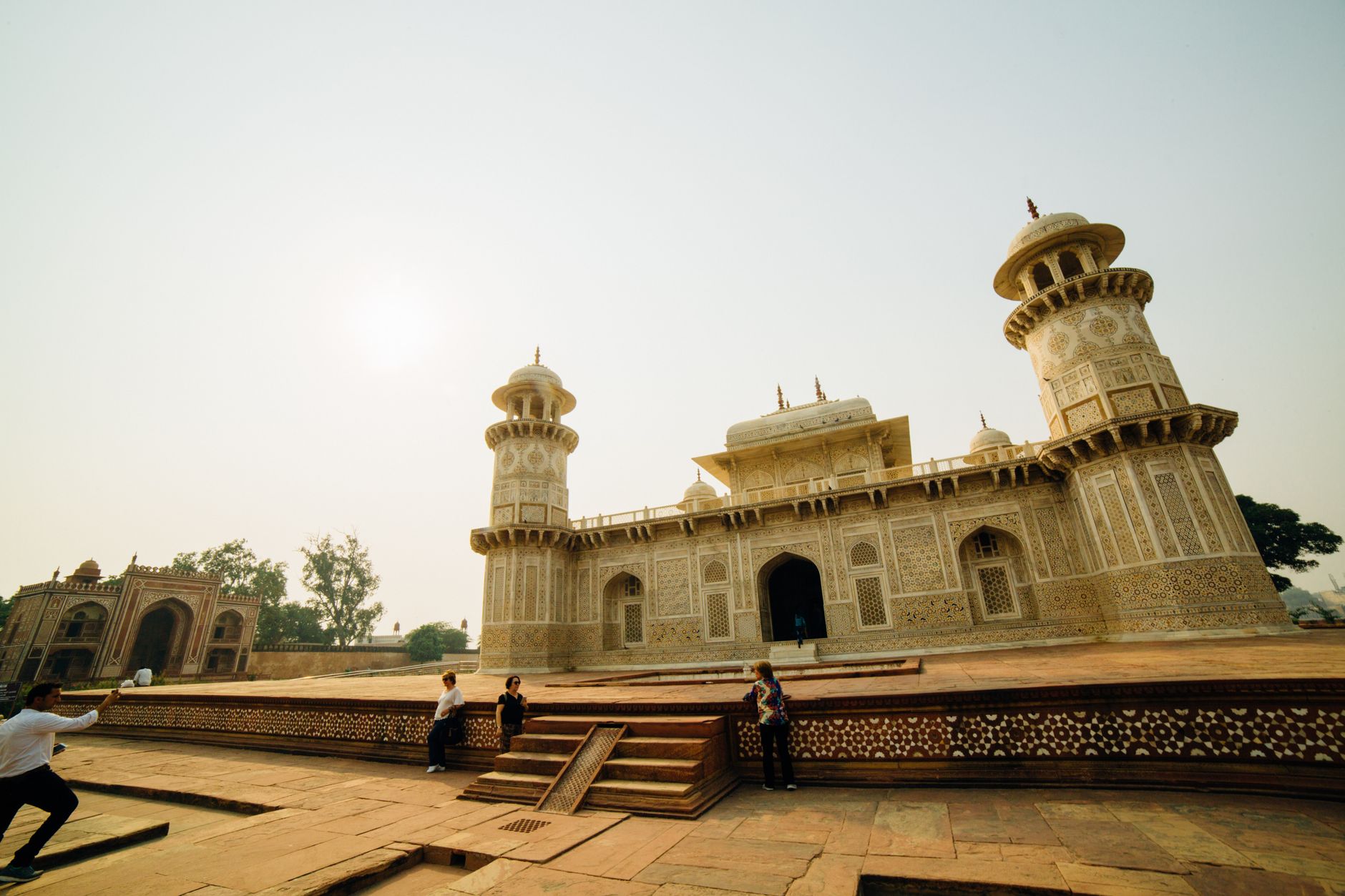
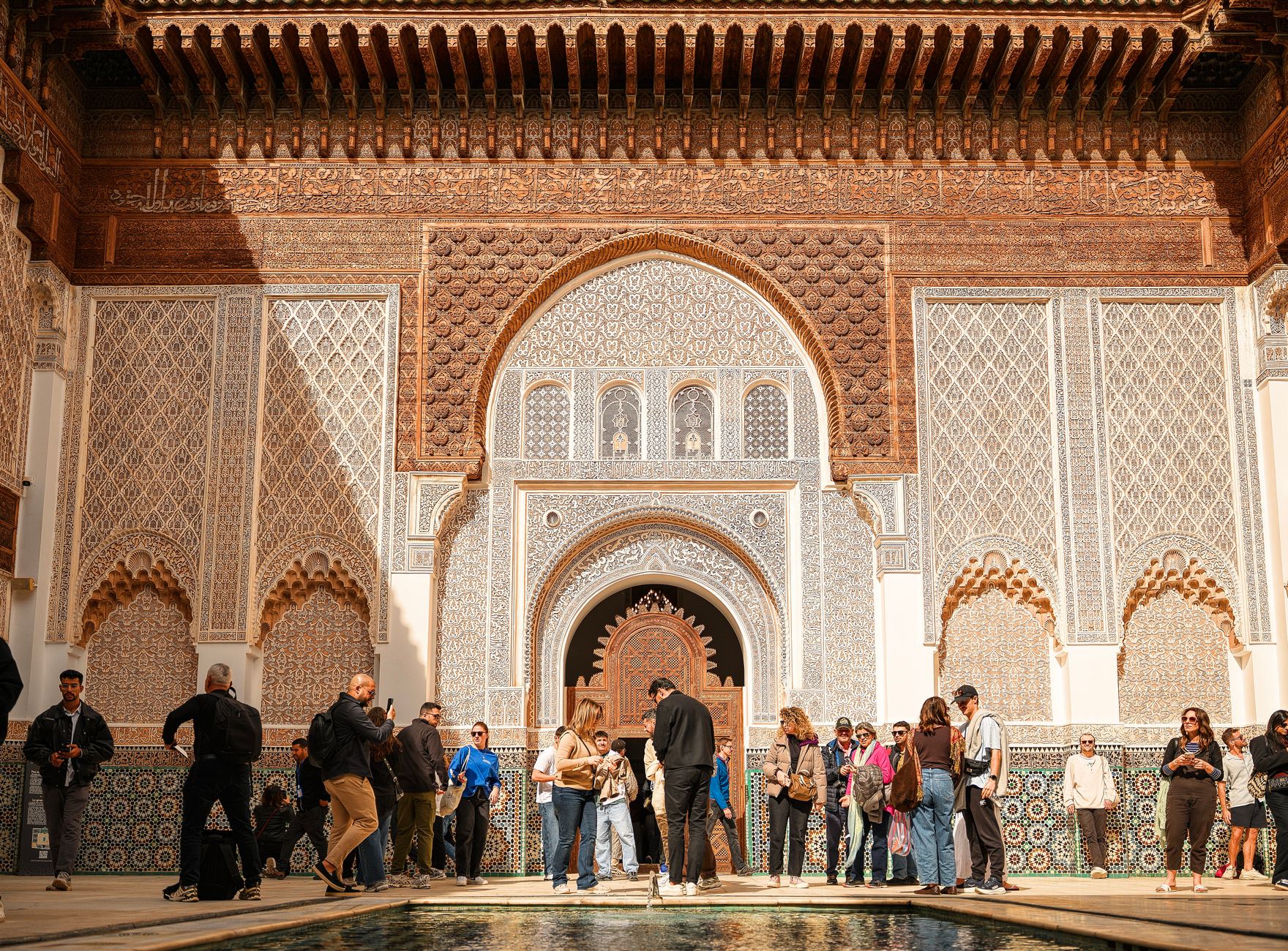
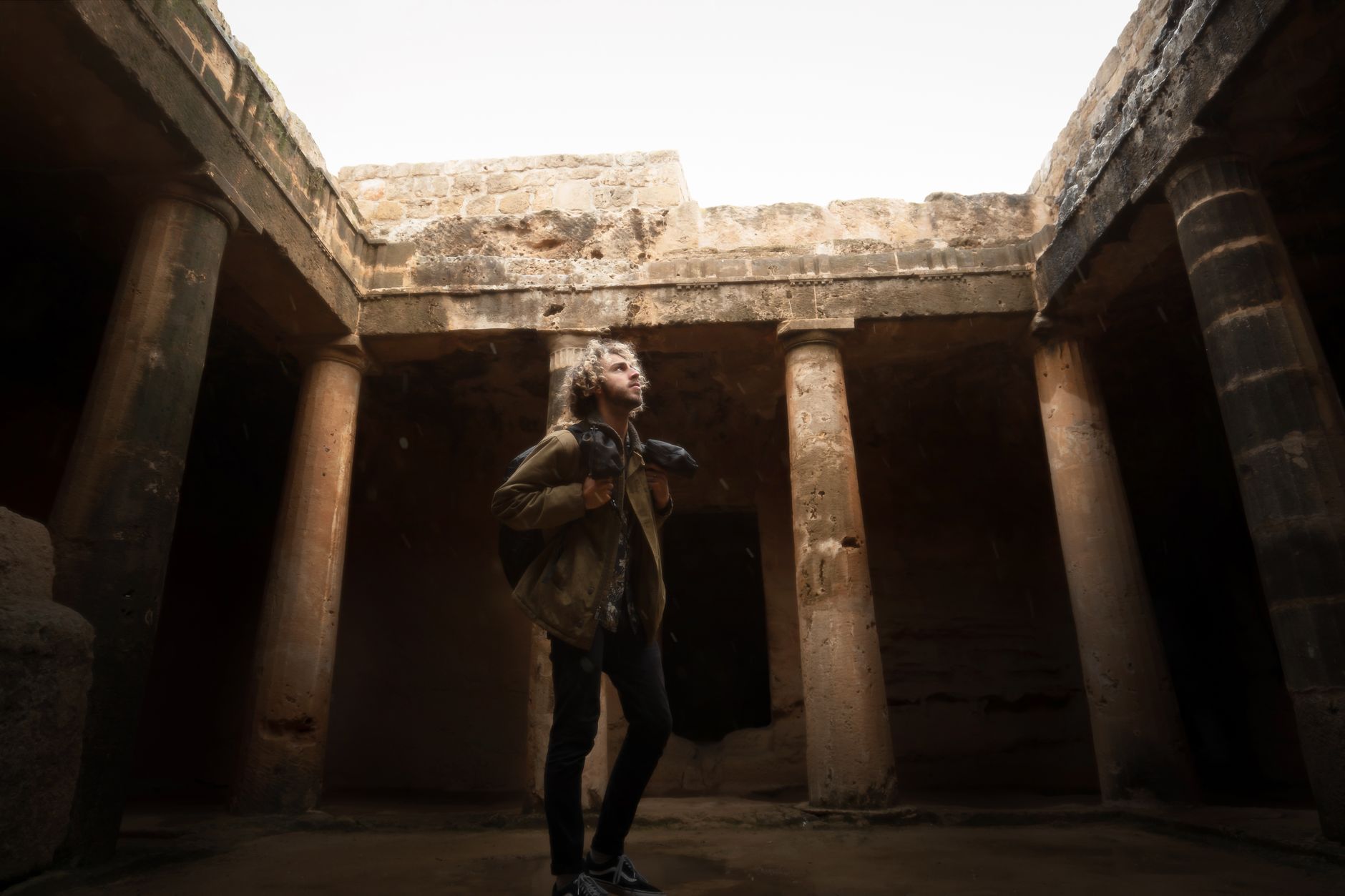
The entrance to the Saadian Tombs is easy to walk past — a narrow corridor off Rue de la Kasbah, easy to miss if you're moving at pace. Step through and you arrive in a walled garden where graves of soldiers and servants lie under the open sky, and two mausoleums stand quietly at either end. The site contains over a hundred burial places, yet it remained sealed and largely forgotten for more than two centuries before aerial photography led to its rediscovery in 1917.
The payoff is in the western mausoleum's Chamber of the Twelve Columns, where twelve shafts of Carrara marble rise to a cedar ceiling worked in intricate geometric relief. Sultan Ahmad al-Mansur and his family are buried here. You view it from the doorway, which concentrates the experience rather than diminishing it.
💛 What travellers fall for
People who've been more than once tend to arrive right at opening, before the queue for the Chamber of the Twelve Columns builds. They also mention pausing in the necropolis garden rather than rushing through — the exterior graves and the Lalla Masuda Qubba, the domed mausoleum holding al-Mansur's mother, reward a slower look.
Deals in Saadian Tombs
Book directly at the provider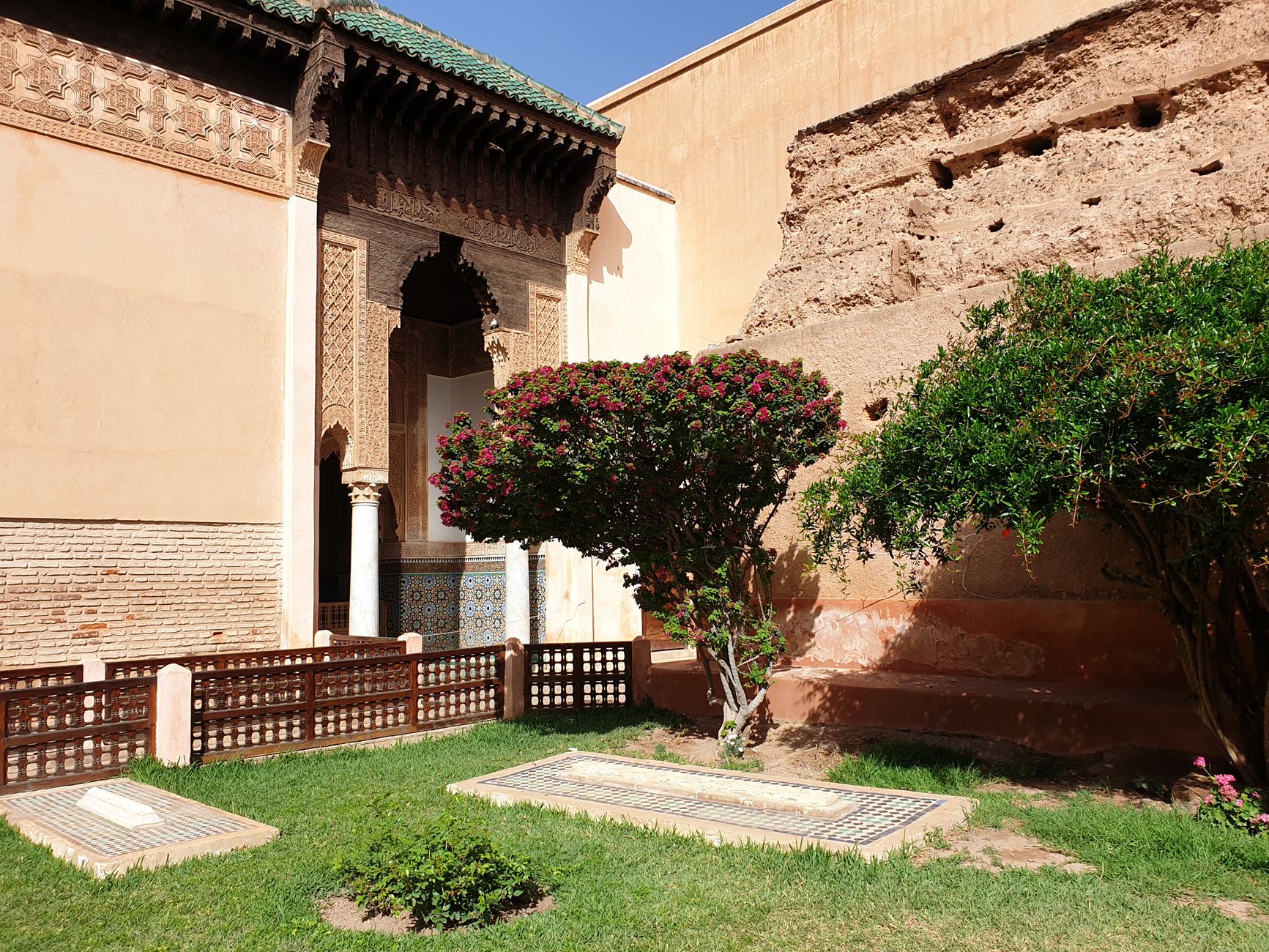
How Saadian Tombs came to be
The necropolis began in the mid-sixteenth century when Moulay Abdallah al-Ghalib, the second Saadian sultan of Marrakech, built a mausoleum to honour his father Muhammad al-Shaykh — founder of the dynasty — who was killed in 1557. Construction ran between 1557 and 1574. The more elaborate western mausoleum dates from the reign of Ahmad al-Mansur, who ruled from 1578 to 1603 and is buried there alongside his family. In 1591, al-Mansur had his mother, Lalla Masuda — a political figure remembered for humanitarian work and venerated as a saint — added to the complex.
After the Saadian dynasty fell, the later sultan Moulay Ismail had the necropolis walled up rather than destroyed — the tombs' proximity to the Kasbah Mosque likely sparing them from demolition. They remained sealed until a 1917 aerial survey revealed them, after which the Fine Arts and Monuments service carried out careful restoration.
Who and what shaped it
People who shaped it
Landmark buildings
See Saadian Tombs in motion
Plan your visit
On the map
When to go
Spring (March to May) and autumn (September to November) are the most comfortable seasons — mild temperatures make the outdoor garden and exterior graves easy to linger in. Midsummer midday visits are punishing; if you're there in July or August, the early-morning opening slot is the one worth taking.
Right now
↡ Shopping areas

Background & history adapted from Wikipedia (CC BY-SA) · specs from Wikidata (CC0) · weather from Open-Meteo · map data © OpenStreetMap contributors · photos from Wikimedia Commons / Unsplash with per-image credit. No third-party reviews or social posts reproduced.