
Outer Necropolis Garden
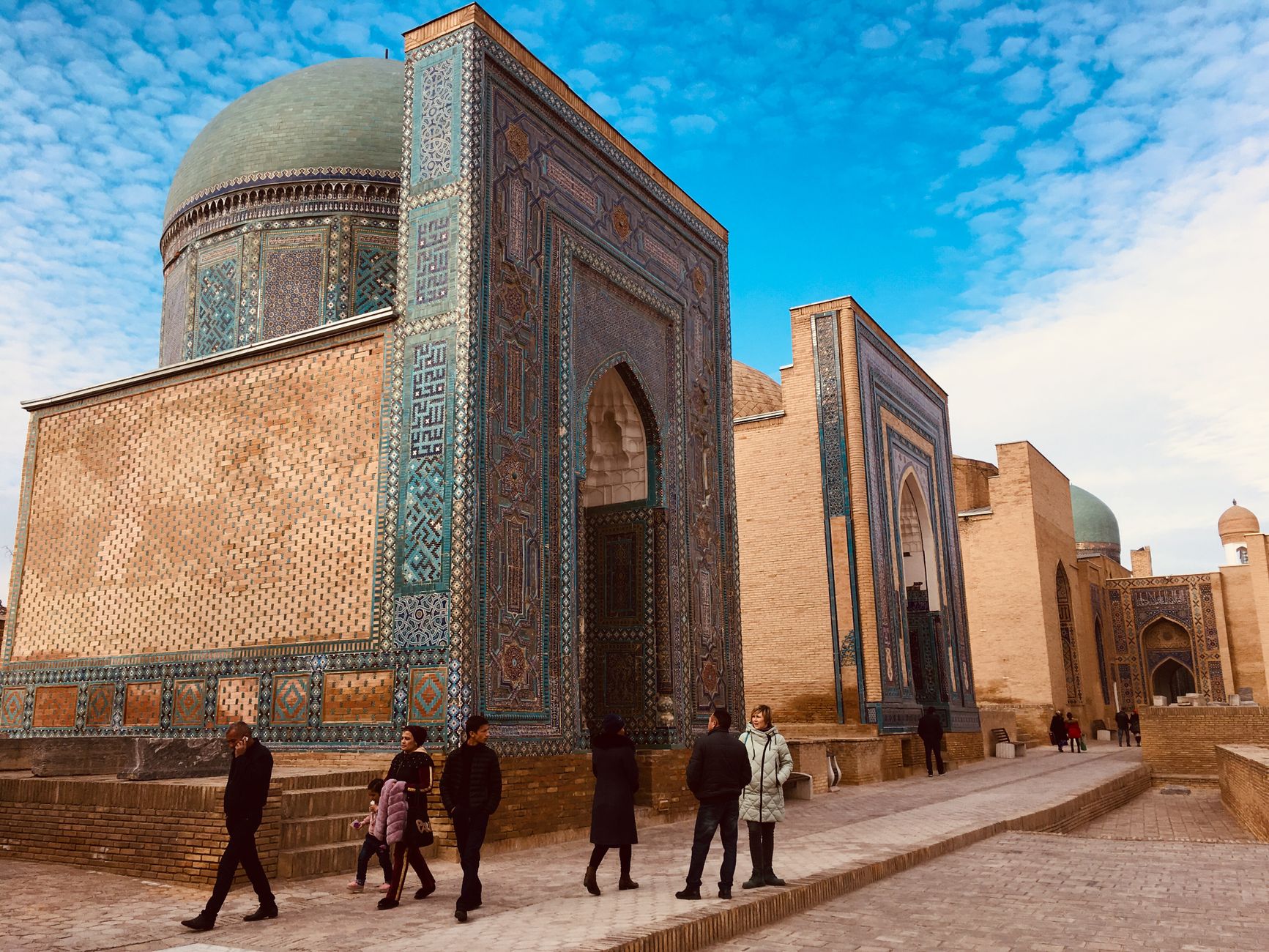
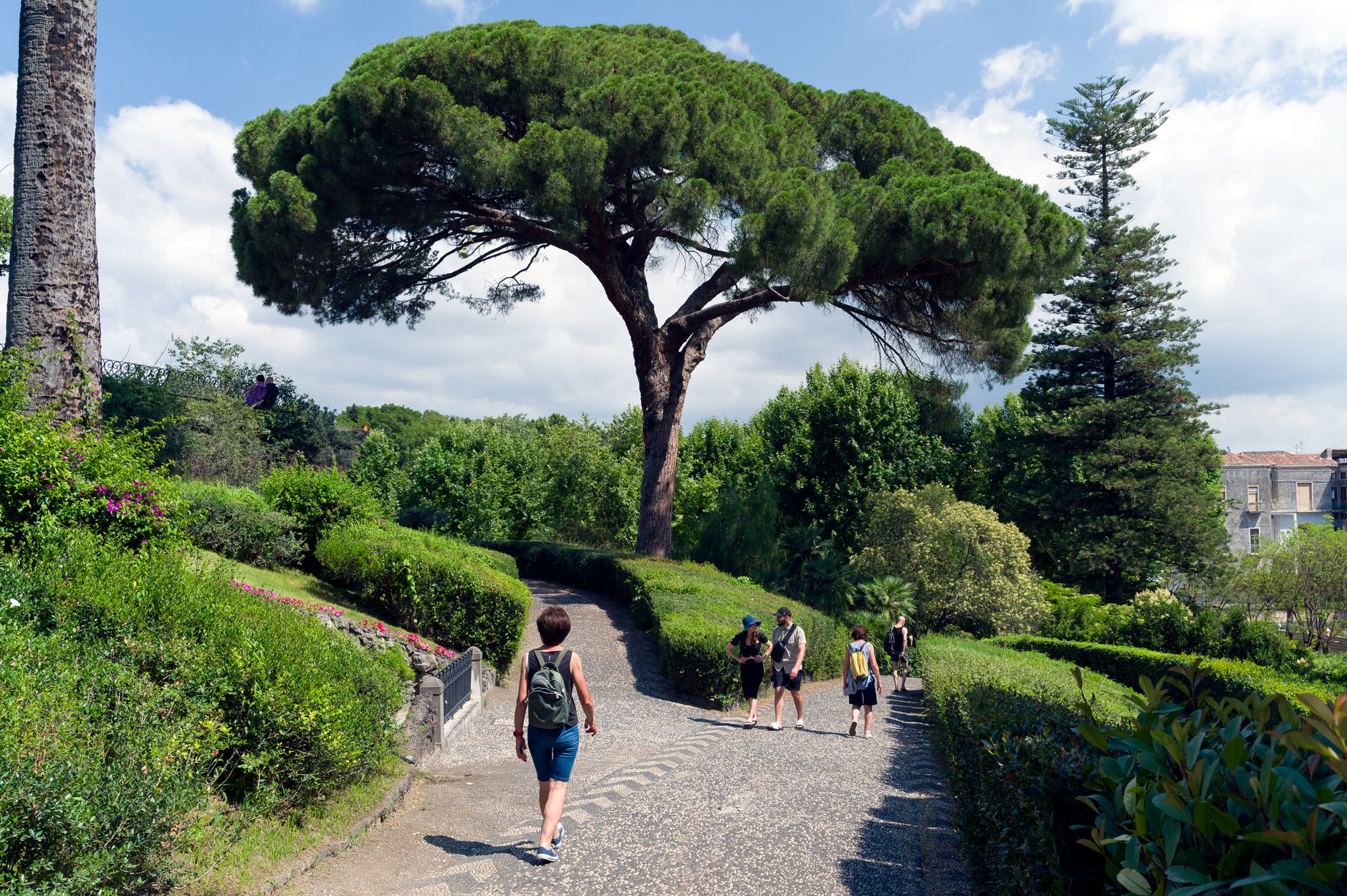
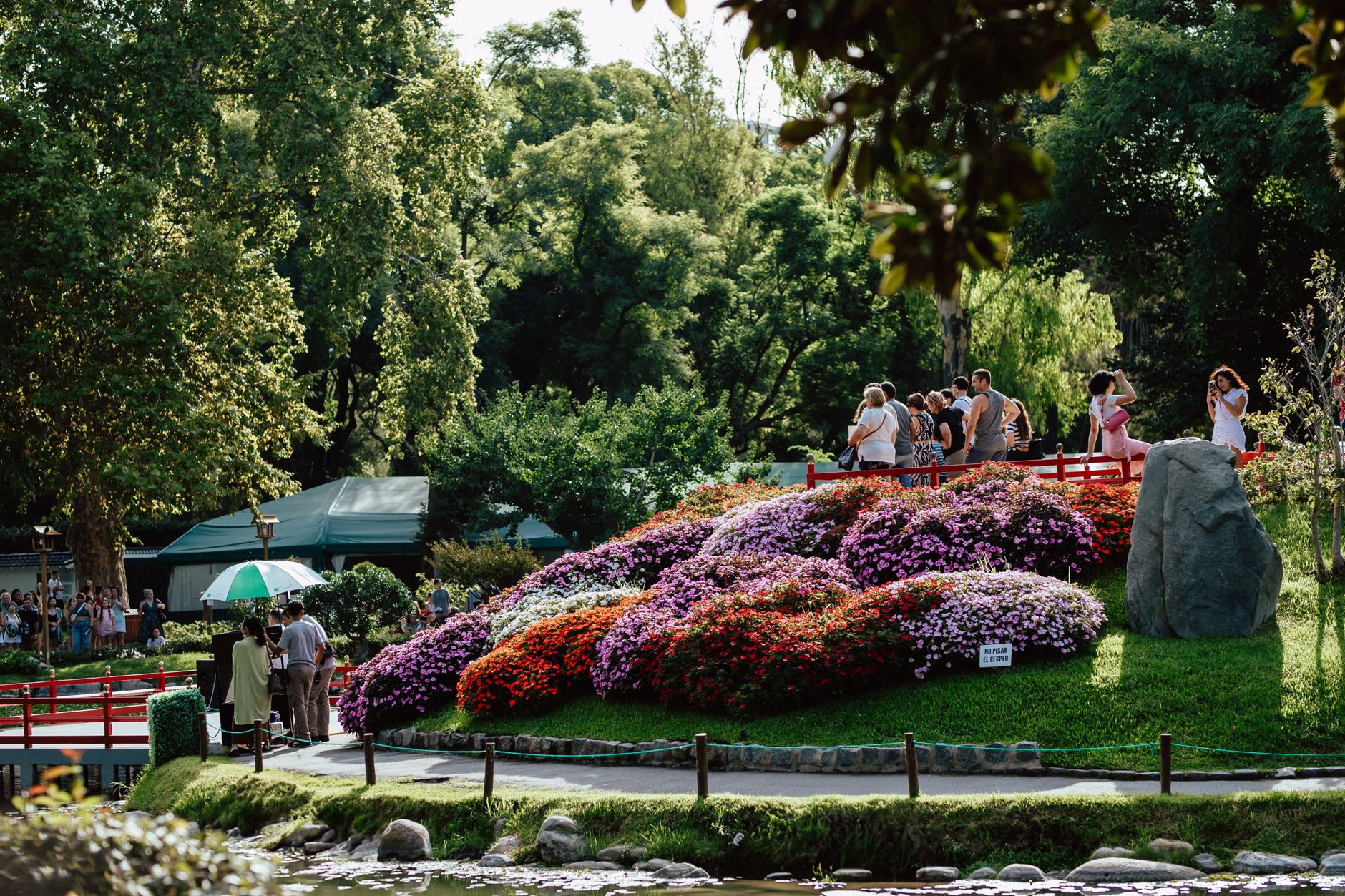
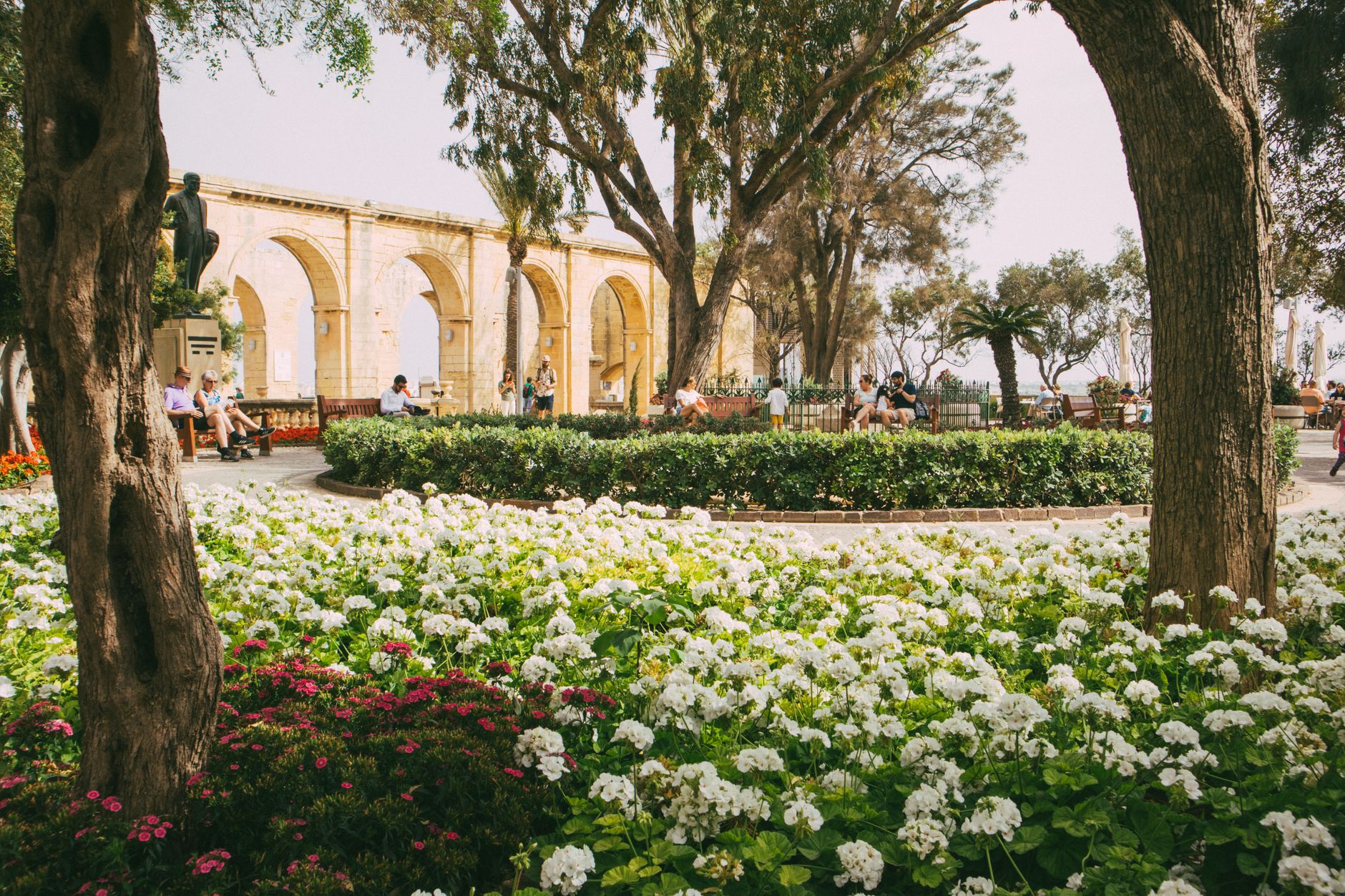
The Outer Necropolis Garden is where the Saadian Tombs exhale. Step past the narrow entrance corridor and the space opens into something quieter than you expected — low-cropped grass, more than a hundred graves arranged without obvious hierarchy, the two mausoleums rising at either end. Judges, soldiers, servants, and several Jewish advisors to the court are buried here alongside royalty, the garden holding all of them in the same afternoon light.
It is the part of the complex where you can actually slow down. The queues tend to pool at the columned chambers inside; out here, you have room to read the stones.
💛 What travellers fall for
People who come back tend to arrive at opening, around nine, before the tour groups consolidate. The garden path is narrow in places, and the light on the carved mqabriyas is best in the morning. Worth a slow circuit rather than a straight line to the mausoleum doors — the outer graves repay attention.
How Outer Necropolis Garden came to be
The site dates to the mid-15th century, when Hintati emirs first used it as a burial ground. It reached its current form under Sultan Ahmad al-Mansur, who ruled from 1578 to 1603 and enlarged the complex considerably, commissioning the mausoleums that still stand.
After the Saadian dynasty fell, the Alaouite ruler Moulay Ismail sealed the complex — walling it off and leaving only a narrow passage from the mosque, reportedly unwilling to desecrate graves but equally unwilling to honour his predecessors. The tombs remained largely unknown to the wider world until 1917, when they were rediscovered. Restoration work ran from 2013 over two years.
Who and what shaped it
People who shaped it
Landmark buildings
Plan your visit
On the map
When to go
Spring and autumn are the most comfortable seasons — March to April and late September through mid-November bring warm days without the intensity of summer, when temperatures in Marrakech regularly push above 35°C and the garden offers little shade. Winter afternoons are mild and often bright, though mornings can be sharp.
Right now
Background & history adapted from Wikipedia (CC BY-SA) · specs from Wikidata (CC0) · weather from Open-Meteo · map data © OpenStreetMap contributors · photos from Wikimedia Commons / Unsplash with per-image credit. No third-party reviews or social posts reproduced.