
Lalla Messaouda Mausoleum
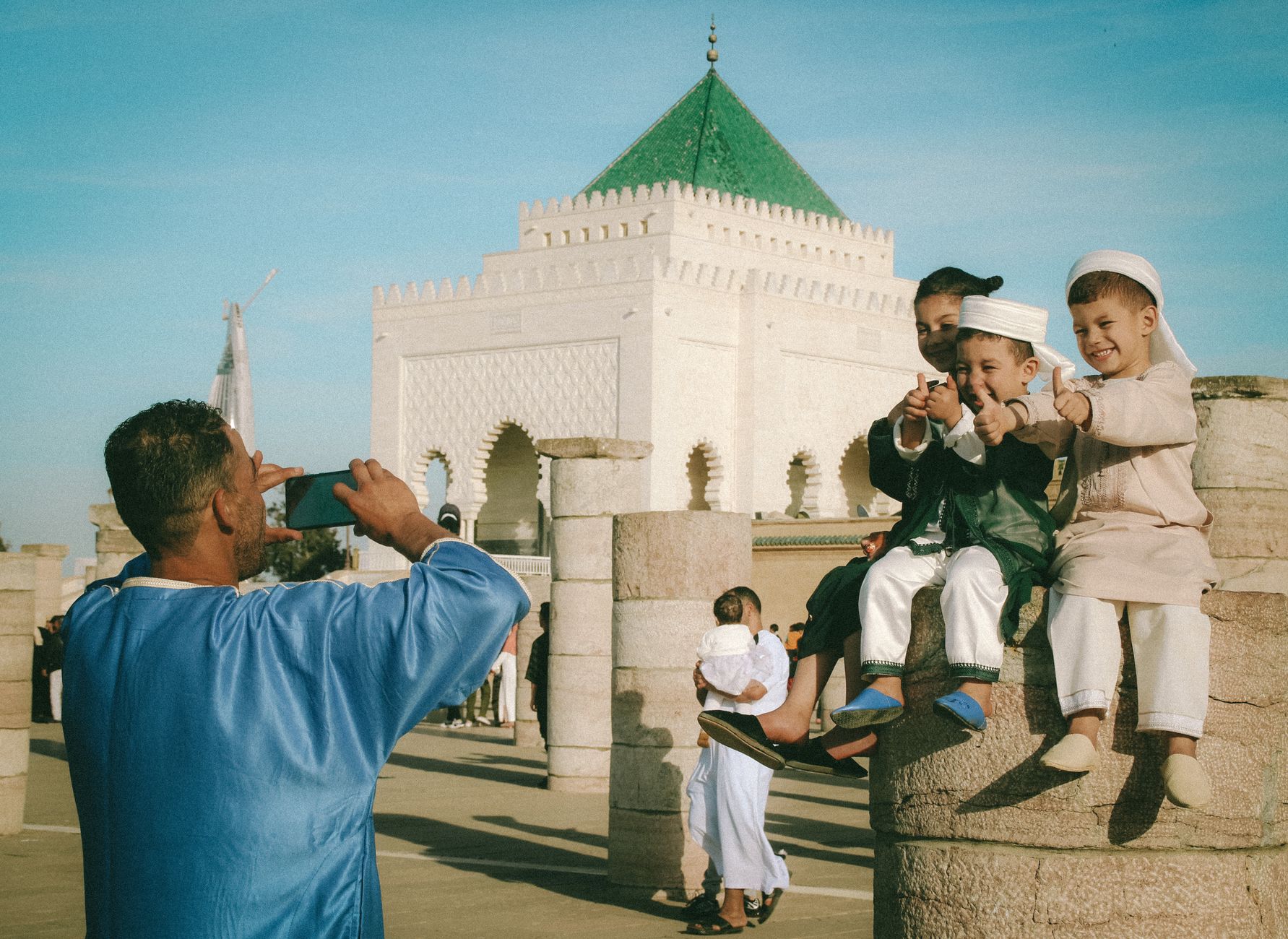
The woman buried here built a library in 1587 and a mosque thirty years before that — a life of considerable reach, recorded now in a Carrara marble sarcophagus inside a chamber you view from the doorway, four or five people at a time. This is the oldest mausoleum in the Saadian Tombs complex, raised over the tomb of the dynasty's founder and later expanded by her son, Ahmed al-Mansur, after her death in 1591.
The room itself rewards a slow look. Glazed green tiles cover the roof; carved cedar runs in a ribbon beneath the eaves; faience mosaic works the lower walls. Two loggias flank the northern section, each topped by a gabled cedar structure resting on marble columns — work that al-Mansur added when he chose to bury his mother alongside his father and brother.
💛 What travellers fall for
People who linger here tend to arrive before the Hall of the Twelve Columns queue builds. Come at 9am, move directly to the Lalla Messaouda chamber first, and you'll often have the doorway to yourself for a minute — enough time to actually read the cedar carving without someone's shoulder in your eyeline.
How Lalla Messaouda Mausoleum came to be
Lalla Mas'uda al-Wizkitiya was born in 1532 into the Ait Waouzguite tribe of the High Atlas. She married Muhammad al-Shaykh, the founder of the Saadian dynasty, and in 1557 commissioned the mosque at Bab Doukkala in Marrakech — following it, thirty years later, with a library adjacent to the mosque holding scientific and religious texts. When she died on 14 November 1591, her son Sultan Ahmed al-Mansur chose to inter her in the same chamber as his father, then redecorated and expanded the building: adding two loggia rooms to the east and west and a larger chamber to the south.
After the Saadian dynasty fell, the tombs were sealed and effectively forgotten until an aerial survey commissioned in 1917 by French Resident-General Hubert Lyautey revealed their existence. The Service des Beaux-Arts, Antiquités et des Monuments Historiques carried out restoration work before the site opened to the public.
Who and what shaped it
People who shaped it
Landmark buildings
See Lalla Messaouda Mausoleum in motion
Plan your visit
On the map
When to go
October through April is the most comfortable window — autumn brings temperatures that ease from the low thirties down to the low twenties Celsius, while spring mornings are mild before the heat climbs. Summer afternoons can push well past 40°C, so if you visit between June and August, the 9am opening is not a suggestion.
Right now
Background & history adapted from Wikipedia (CC BY-SA) · specs from Wikidata (CC0) · weather from Open-Meteo · map data © OpenStreetMap contributors · photos from Wikimedia Commons / Unsplash with per-image credit. No third-party reviews or social posts reproduced.