
Prayer Hall
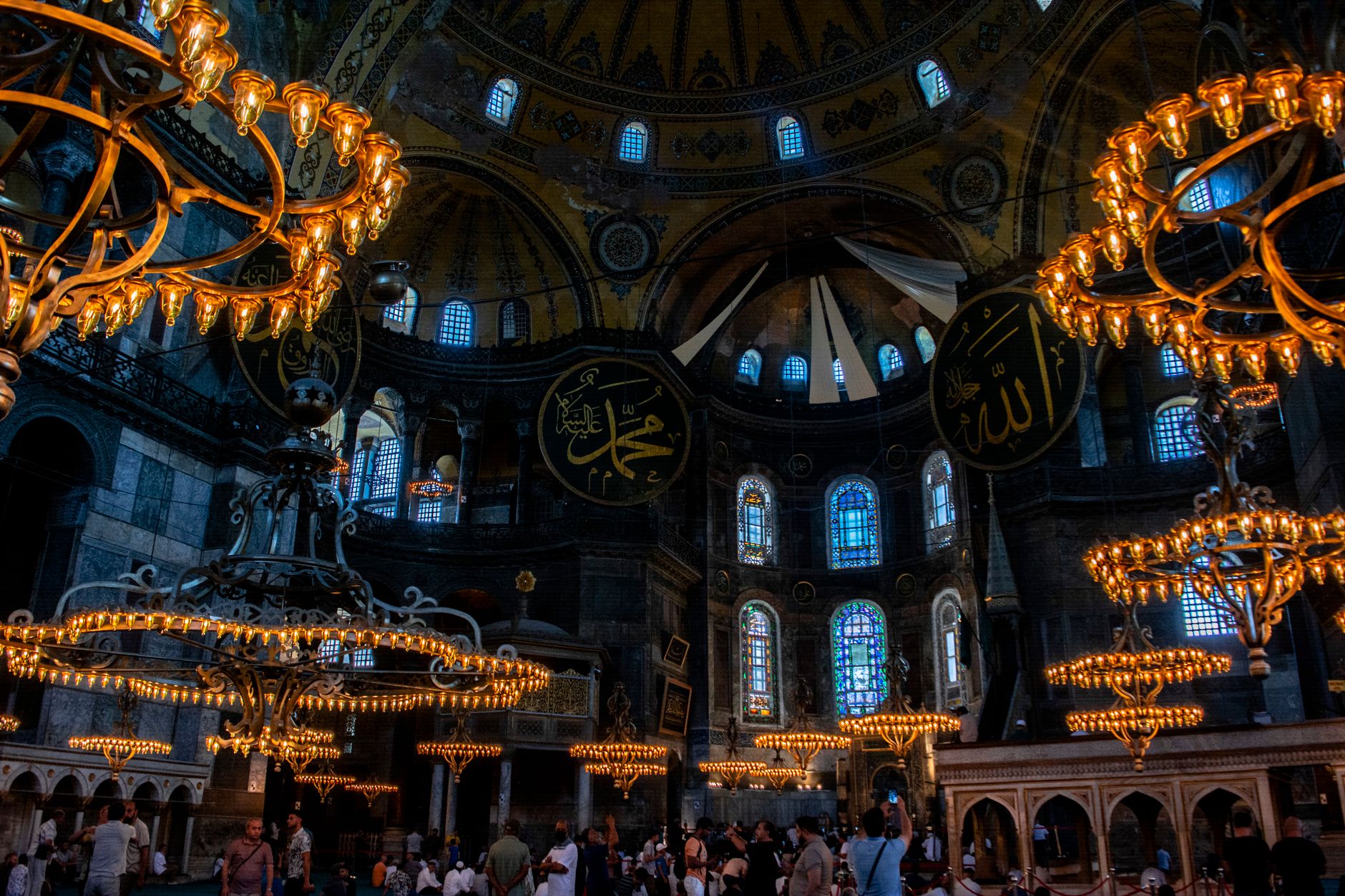
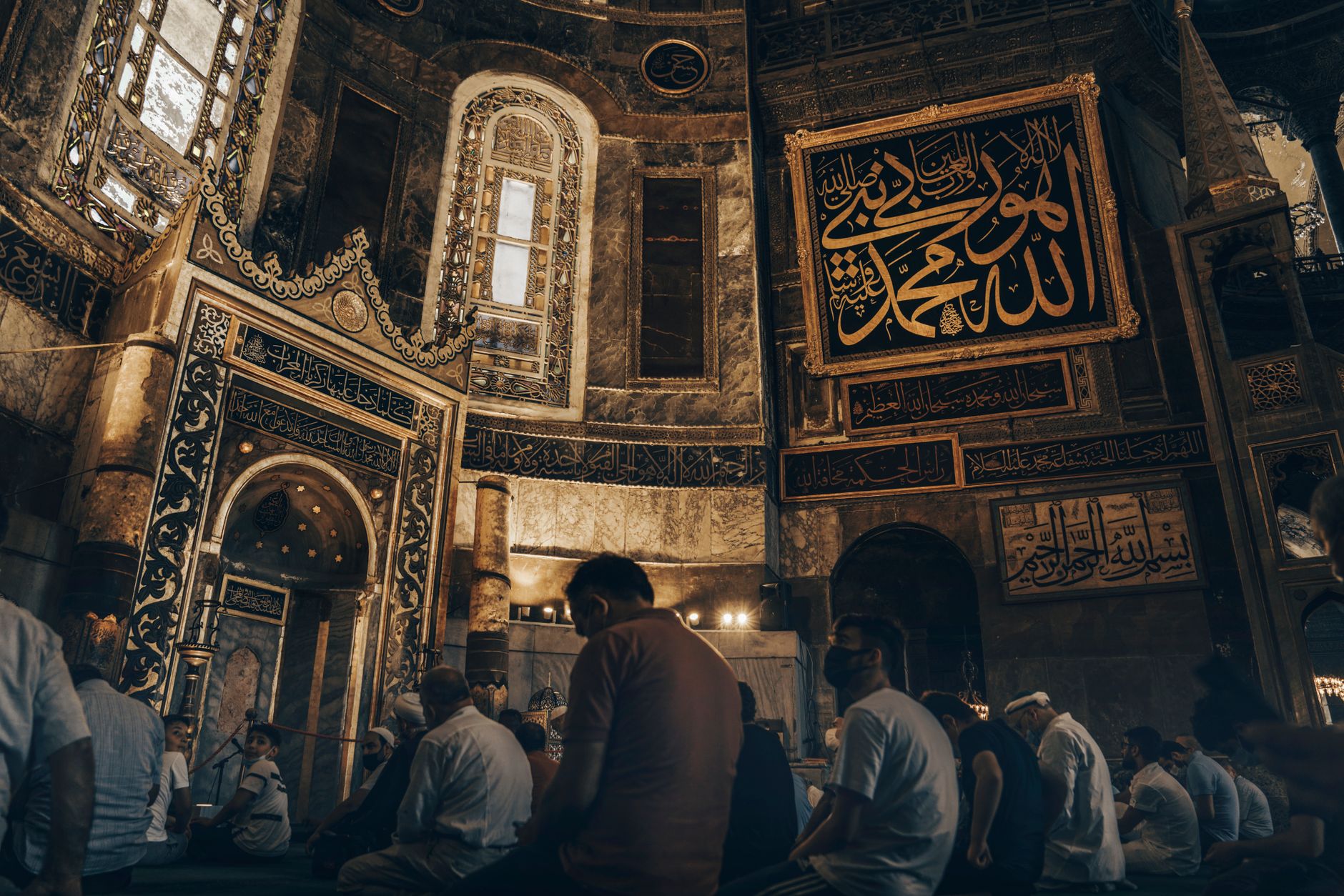
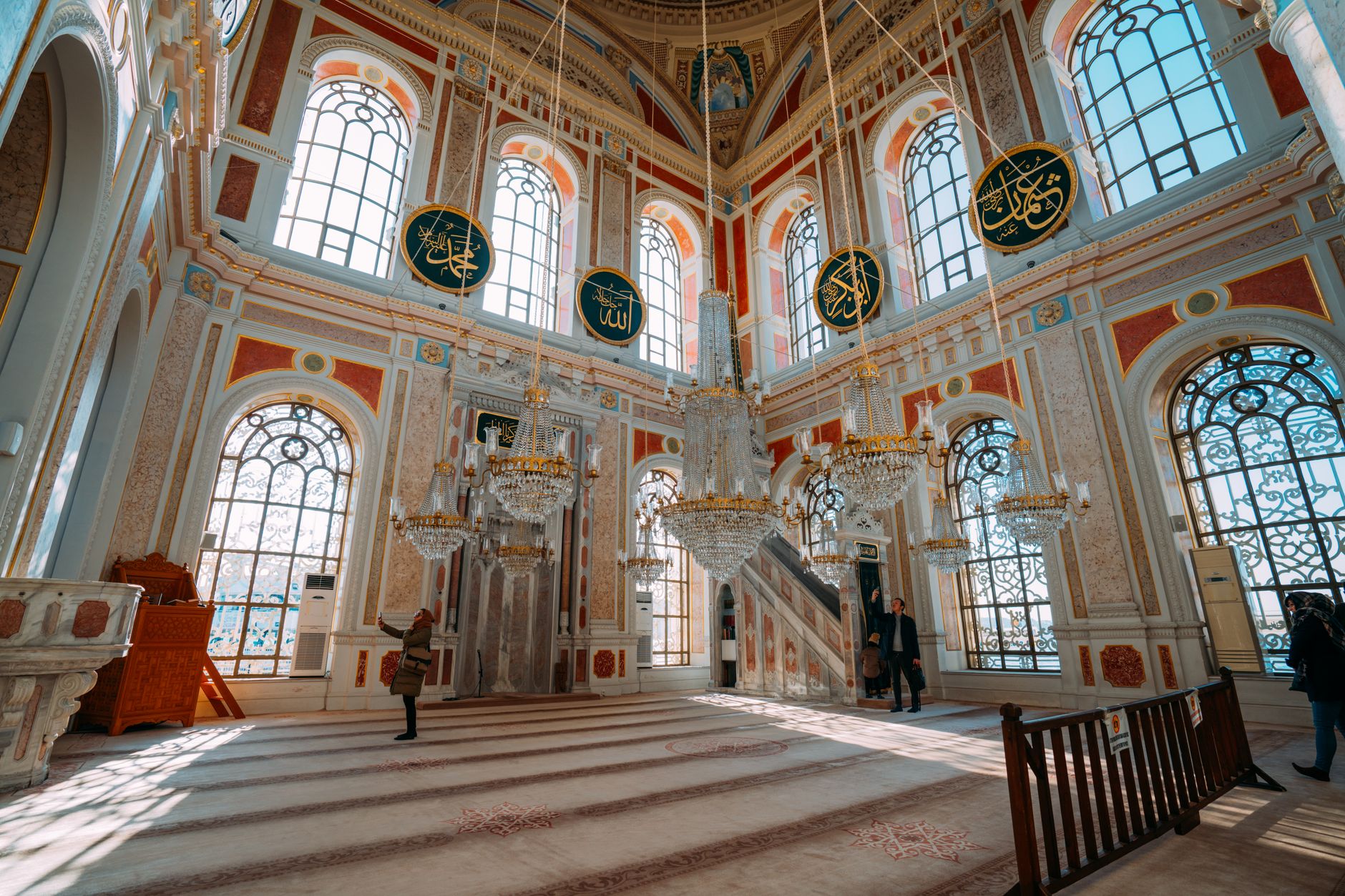
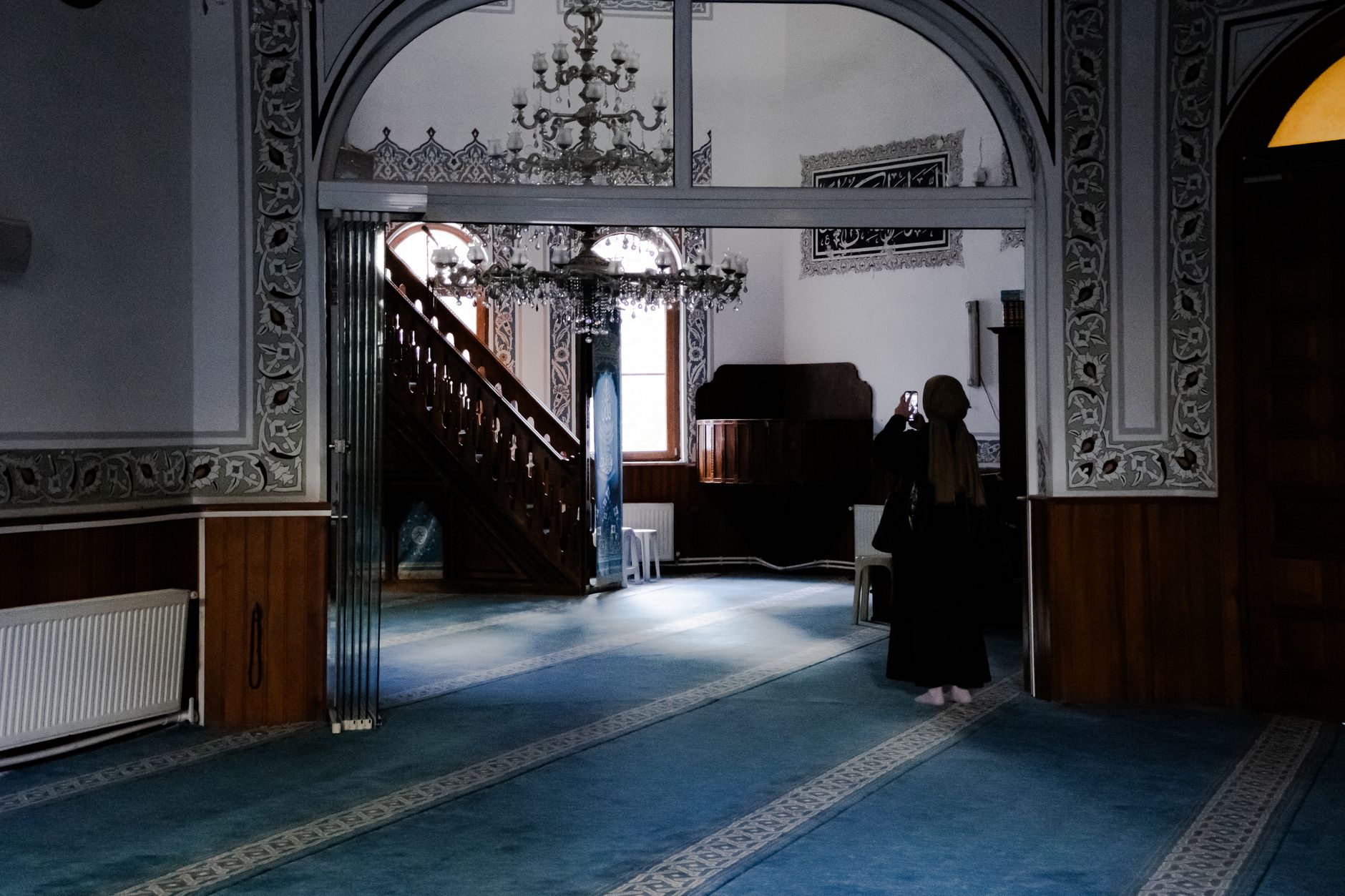
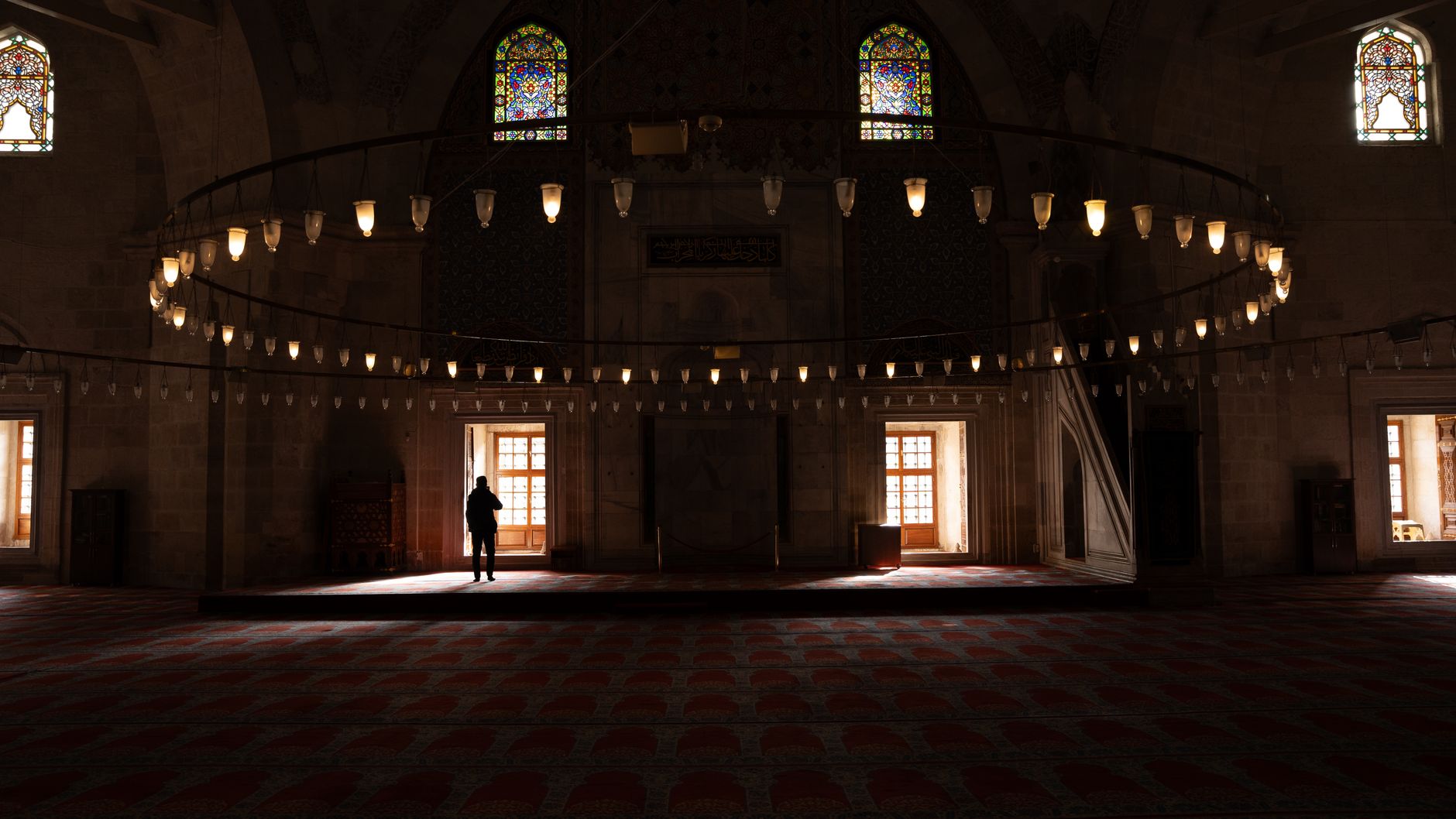
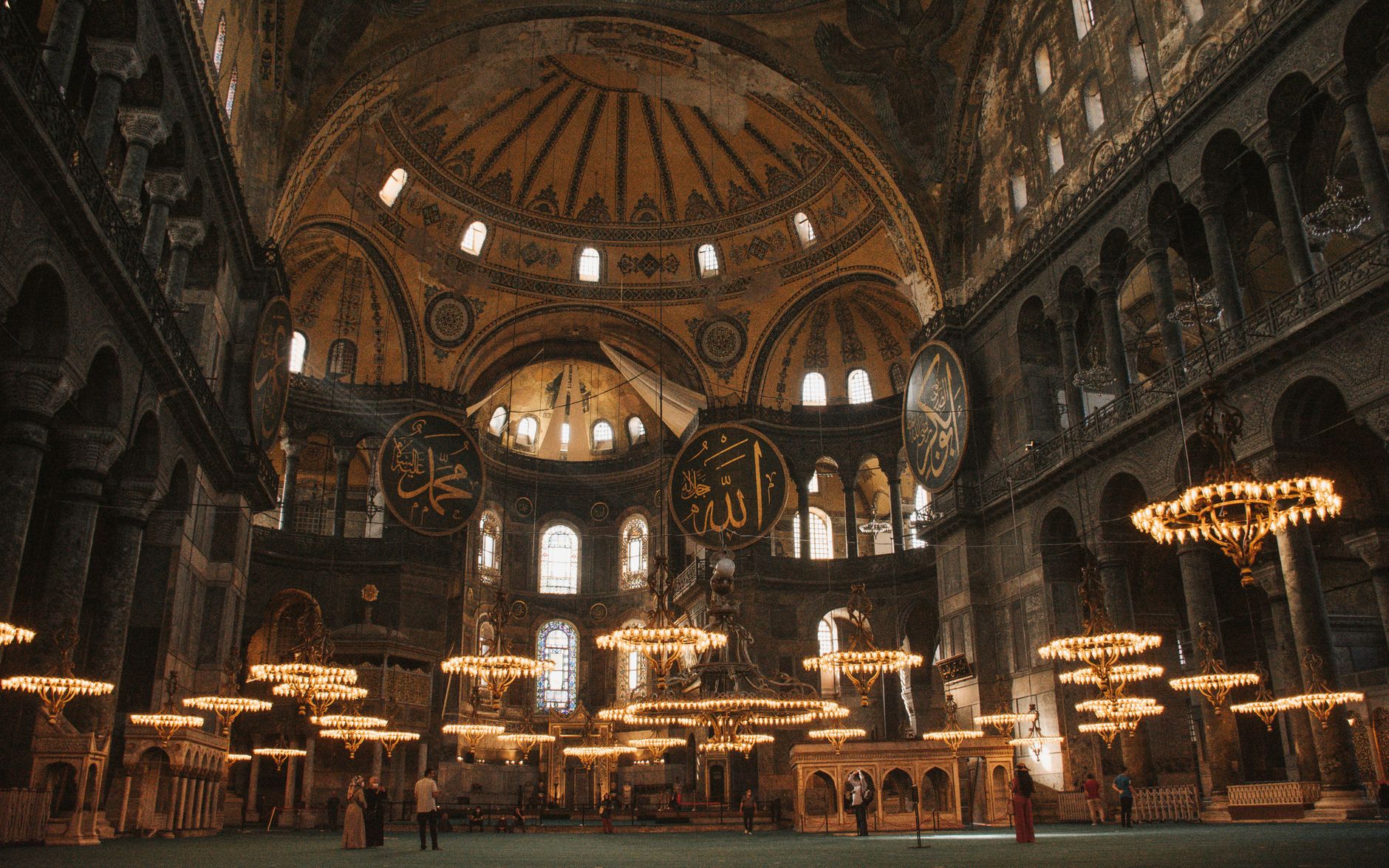
You reach the Prayer Hall not through a grand doorway but through an opening cut into the eastern wall — a secondary entrance that feels almost accidental, as though the room has been caught off guard. Inside, or rather at the threshold of inside, you look through at zellige tilework climbing the lower walls, gilded muqarnas dripping from the cupola, and twelve marble columns arranged in groups of four. Two of those columns are older than the building itself, hauled here from the Roman ruins at Volubilis.
The mihrab set into the south wall — a horseshoe arch wrapped in carved stucco, concealing a small muqarnas cupola of its own — was never quite finished. Trace the outlines of the lower pattern and you can see where the carving stopped, mid-thought, centuries ago.
💛 What travellers fall for
People who linger here tend to notice the unfinished lower mihrab decoration before the guidebook mentions it — and then can't stop noticing it. Go early, right at 9am, before the tour groups arrive at the Hall of the Twelve Columns next door. The light is cooler, the space quieter, and the cats have usually claimed the best spots on the tiles.
How Prayer Hall came to be
Moulay Abdallah al-Ghalib, the second Saadian sultan of Marrakech, built this chamber between 1557 and 1574 — most likely to honour his father Muhammad al-Shaykh, the dynasty's founder, who had been killed that same year and buried here in what was probably a simple grave. Al-Ghalib was already a serious builder; this was meant as a small mosque, which is why the mihrab faces the direction of Mecca.
The room outlasted the dynasty that built it. After Ahmad al-Mansur expanded the complex, the 'Alawi sultans who followed used the Prayer Hall as a mausoleum of their own — it holds their family graves to this day, including that of Moulay El Yazid, who ruled for just two turbulent years before his death in 1792. In the 18th century, Sultan Moulay Ismail ordered the entire complex walled up; it stayed that way until a French survey rediscovered it in 1917.
Who and what shaped it
People who shaped it
Landmark buildings
Plan your visit
On the map
When to go
Spring and autumn keep the site comfortable — March to May and September to November are the steadiest windows. Midsummer midday visits are punishing; if you're here in July or August, the 9am opening is your best option.
Right now
Background & history adapted from Wikipedia (CC BY-SA) · specs from Wikidata (CC0) · weather from Open-Meteo · map data © OpenStreetMap contributors · photos from Wikimedia Commons / Unsplash with per-image credit. No third-party reviews or social posts reproduced.