
Hall of the Twelve Columns
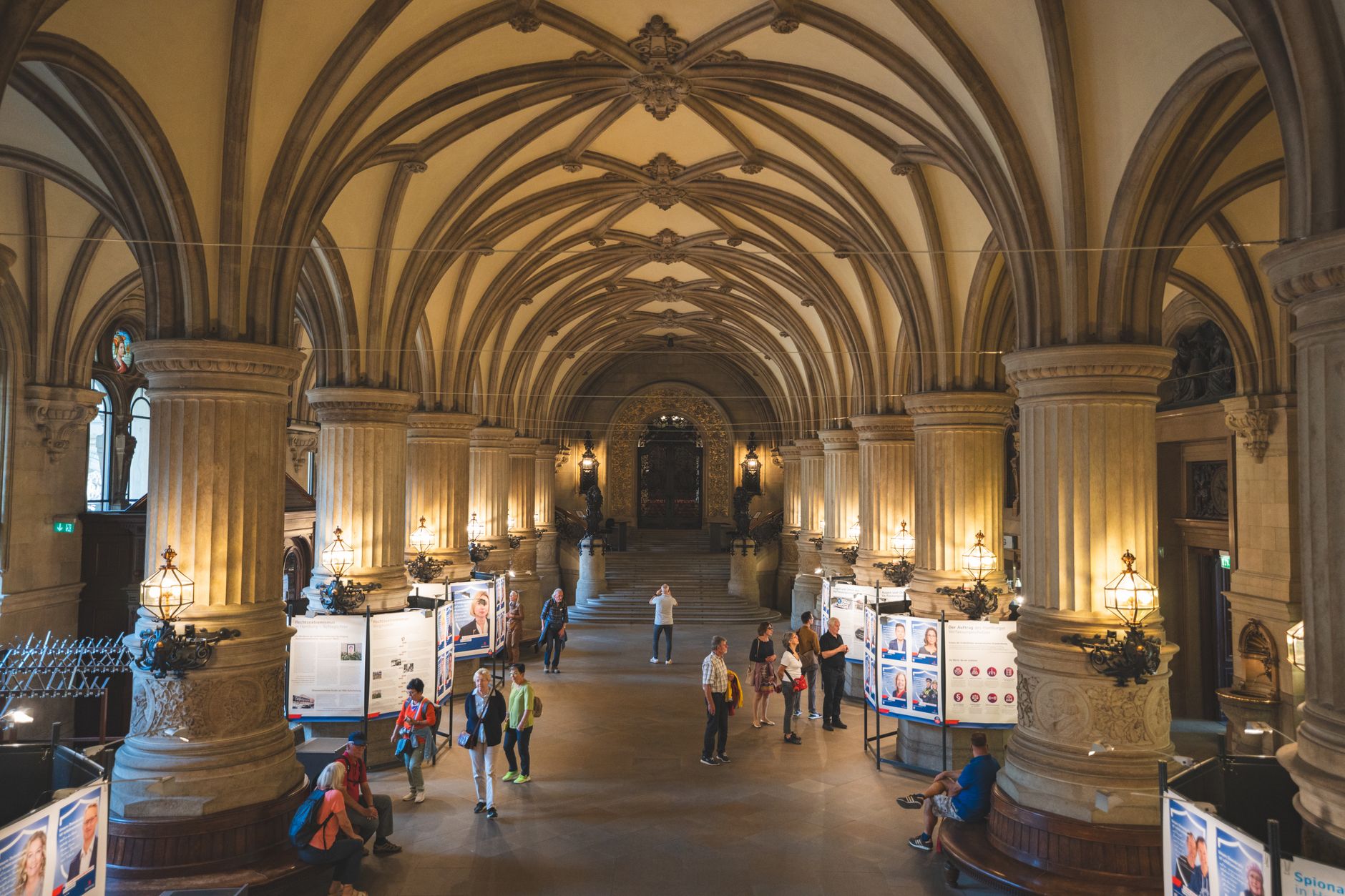
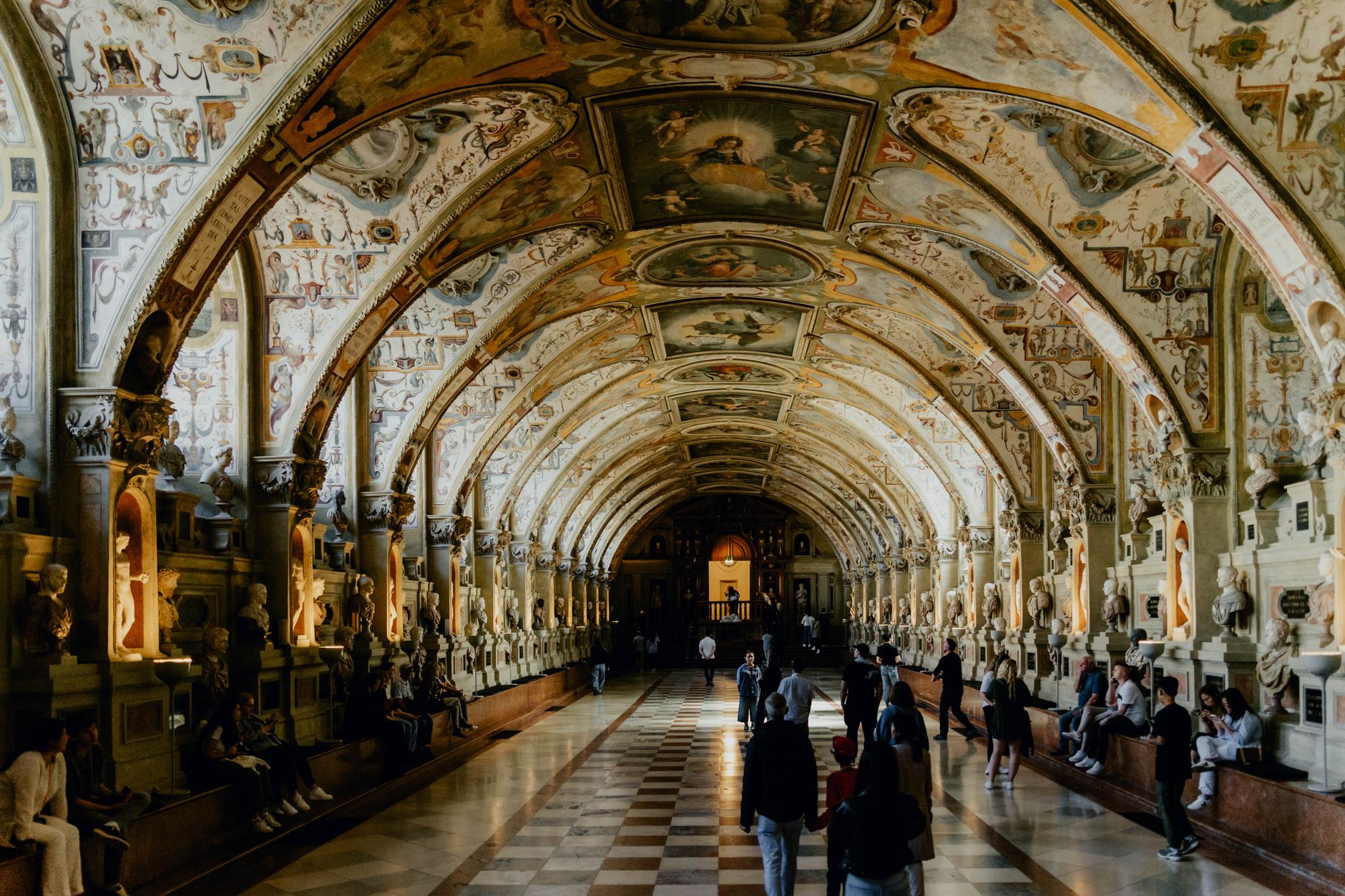


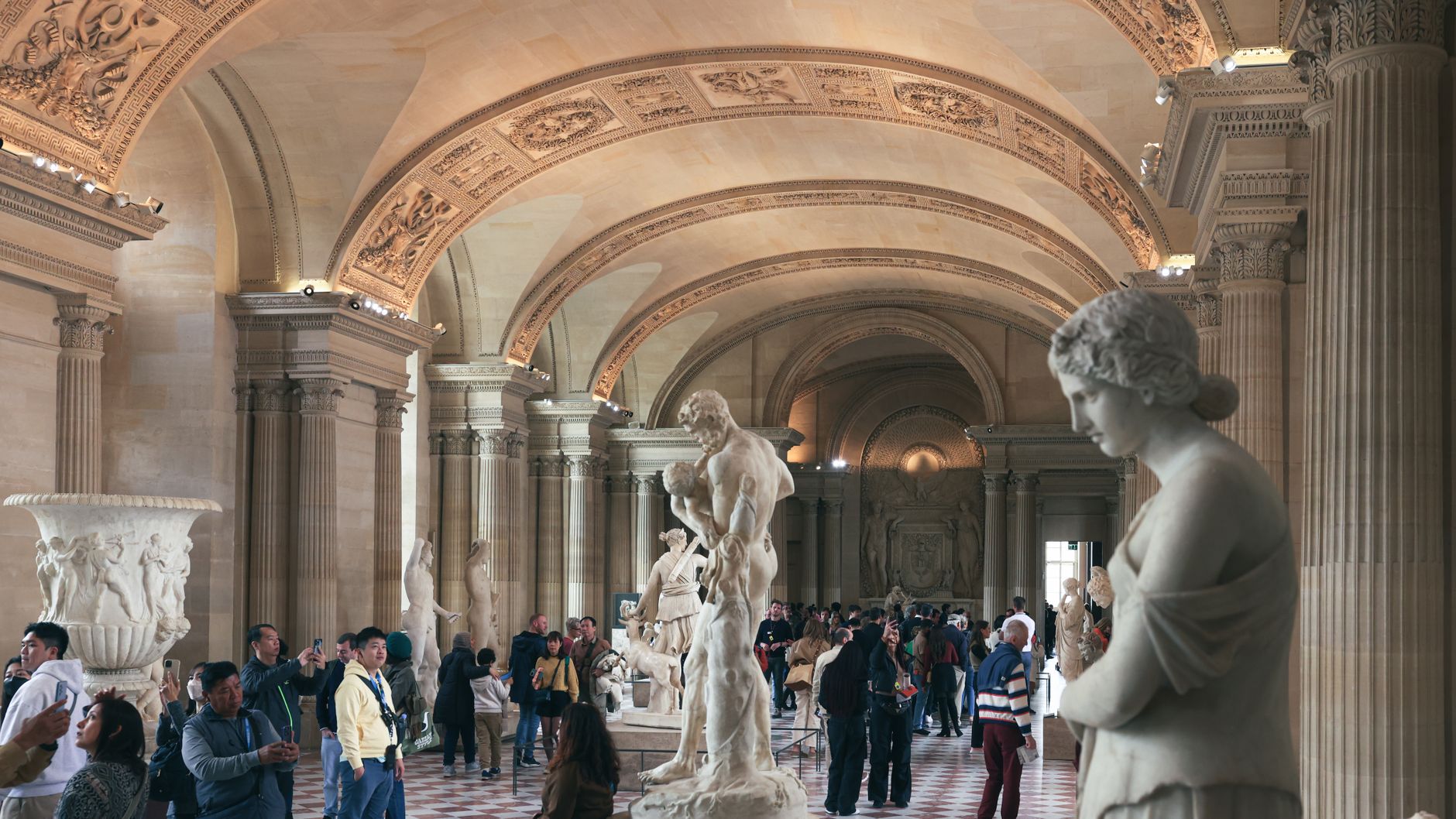
You approach the Hall of the Twelve Columns from the doorway, not from within — visitors are kept at the threshold, and somehow that restraint sharpens everything. Twelve pillars of Carrara marble, traded from Italy for Moroccan sugar during Ahmad al-Mansur's reign, rise through carved stucco walls toward a gilt muqarnas ceiling that fractures the light into something close to geometry made sacred.
The chamber holds al-Mansur himself, along with members of his dynasty, in a space whose proportions echo the rawda mausoleums of the Islamic world. Cedar from the High Atlas, zellige ceramics in deep blue, marble from Tuscany — the materials alone trace a sultanate's reach.
💛 What travellers fall for
People who've been more than once tend to arrive right at 9 AM, before tour groups form a queue at the doorway. Standing there in the early quiet, with the garden's rosemary still cool, you get a longer, less jostled look at the muqarnas vaulting — which rewards patience more than almost anything else in the complex.
How Hall of the Twelve Columns came to be
The Hall of the Twelve Columns dates to the reign of Ahmad al-Mansur (1578–1603), built as the dynastic heart of the Saadian necropolis at a moment when the sultanate was trading across the Mediterranean and deep into sub-Saharan Africa. When the Saadian dynasty collapsed, Moulay Ismail walled the entire tomb complex off rather than demolish it — unwilling, reportedly, to desecrate a burial ground — leaving only a narrow passage from the adjacent Kasbah Mosque.
The tombs remained effectively sealed and largely unknown to the wider world until 1917, when a French aerial photography survey revealed the complex. A restoration effort that began in 2013 and ran for two years stabilised much of what you see today.
Who and what shaped it
People who shaped it
Landmark buildings
See Hall of the Twelve Columns in motion
Plan your visit
On the map
When to go
Spring (March to May) and autumn (late September to mid-November) offer the most comfortable conditions — daytime temperatures in the low-to-mid 20s°C with manageable light. Summer pushes well above 35°C by midday, so if you visit between June and August, the 9 AM opening is less a suggestion than a necessity.
Right now
Background & history adapted from Wikipedia (CC BY-SA) · specs from Wikidata (CC0) · weather from Open-Meteo · map data © OpenStreetMap contributors · photos from Wikimedia Commons / Unsplash with per-image credit. No third-party reviews or social posts reproduced.