
Entrance Vestibule
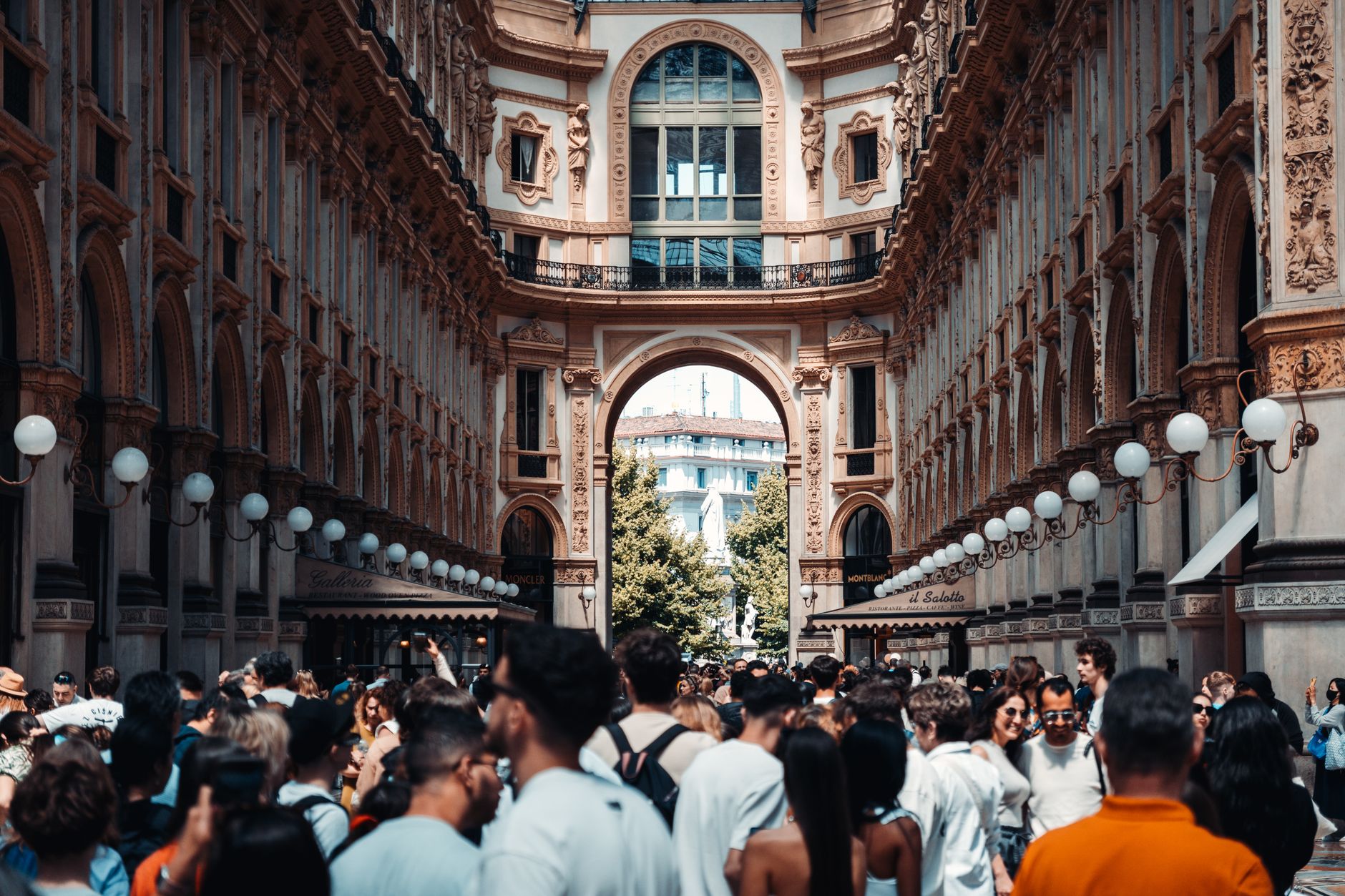
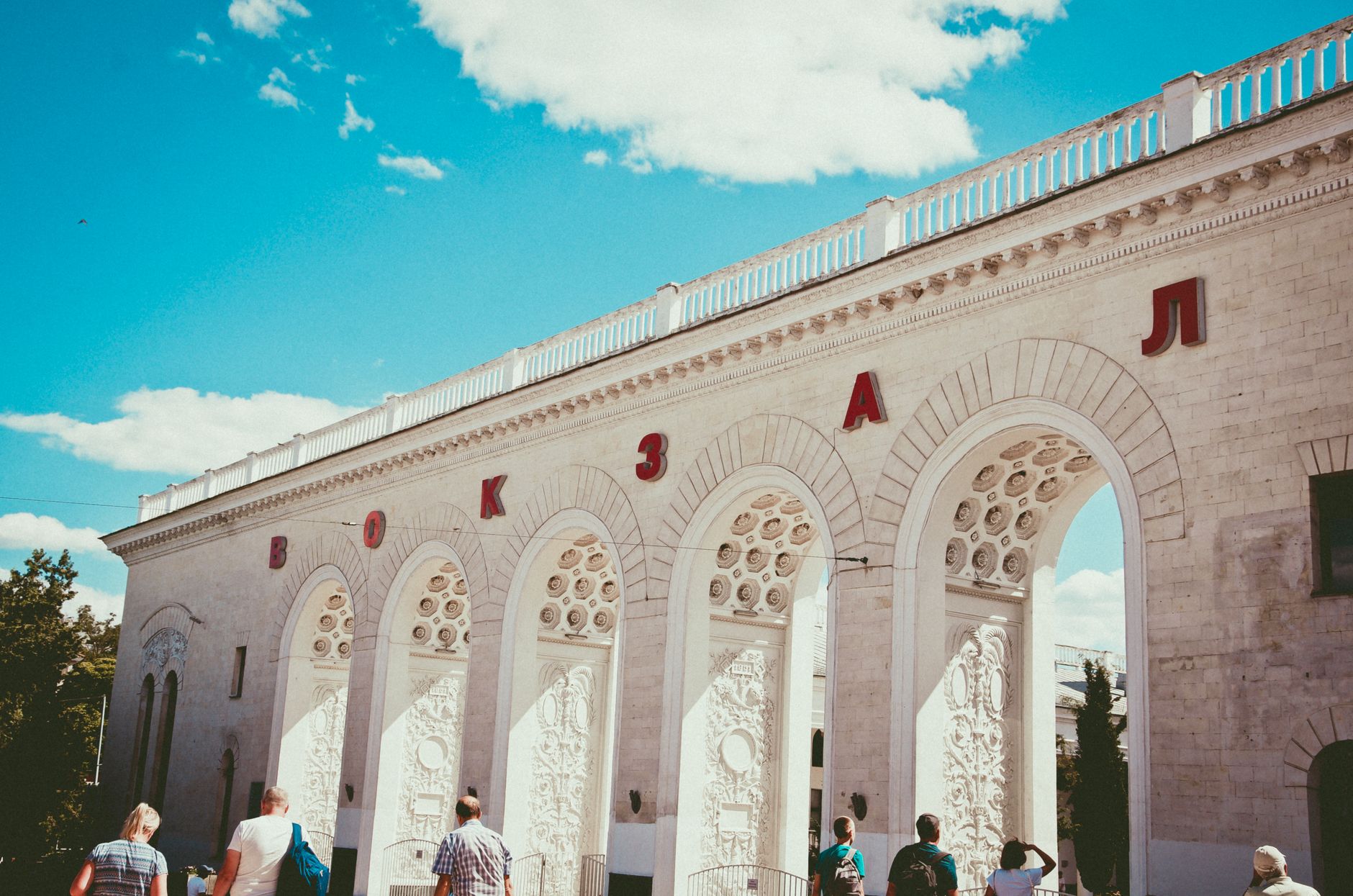
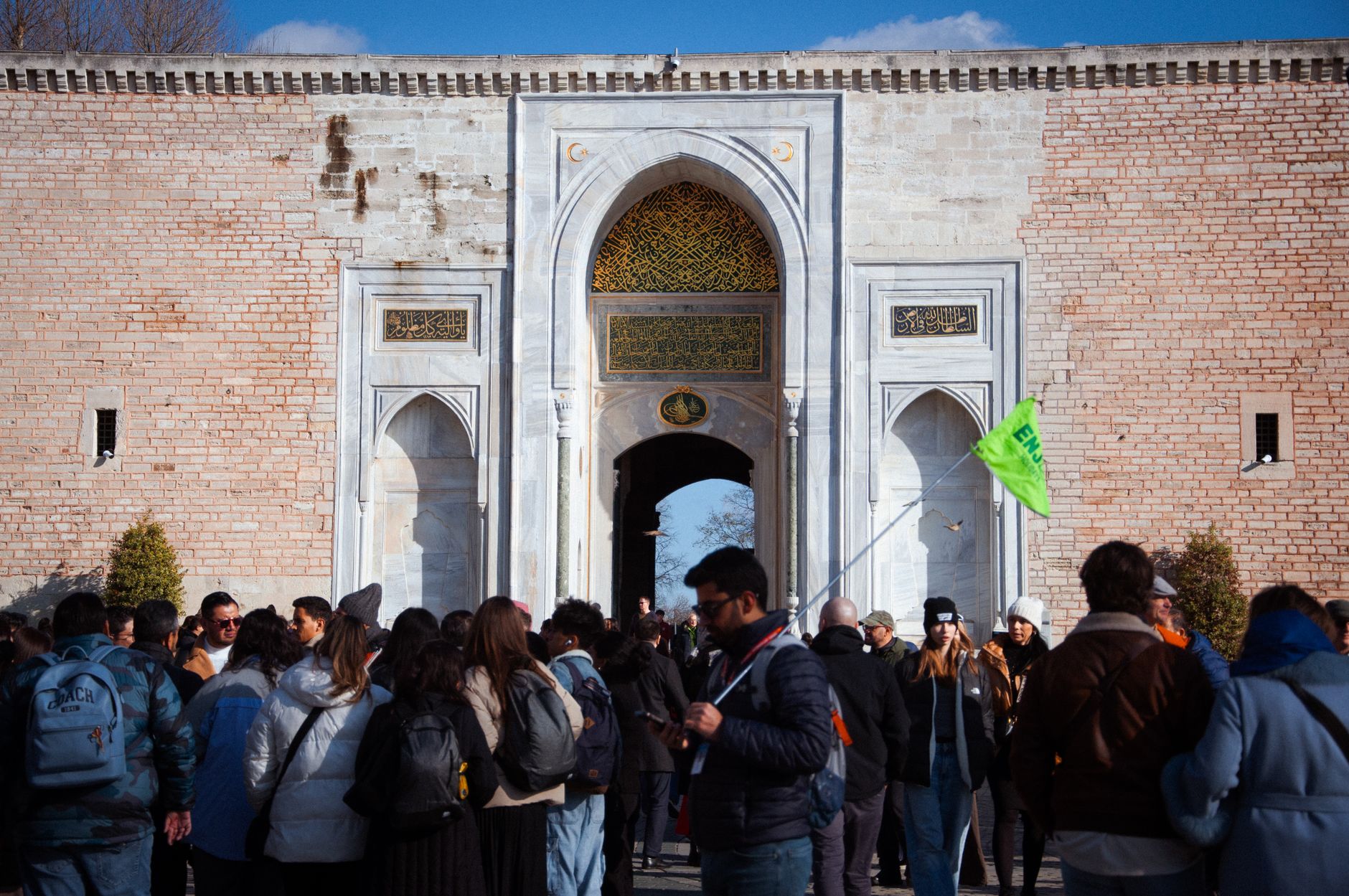
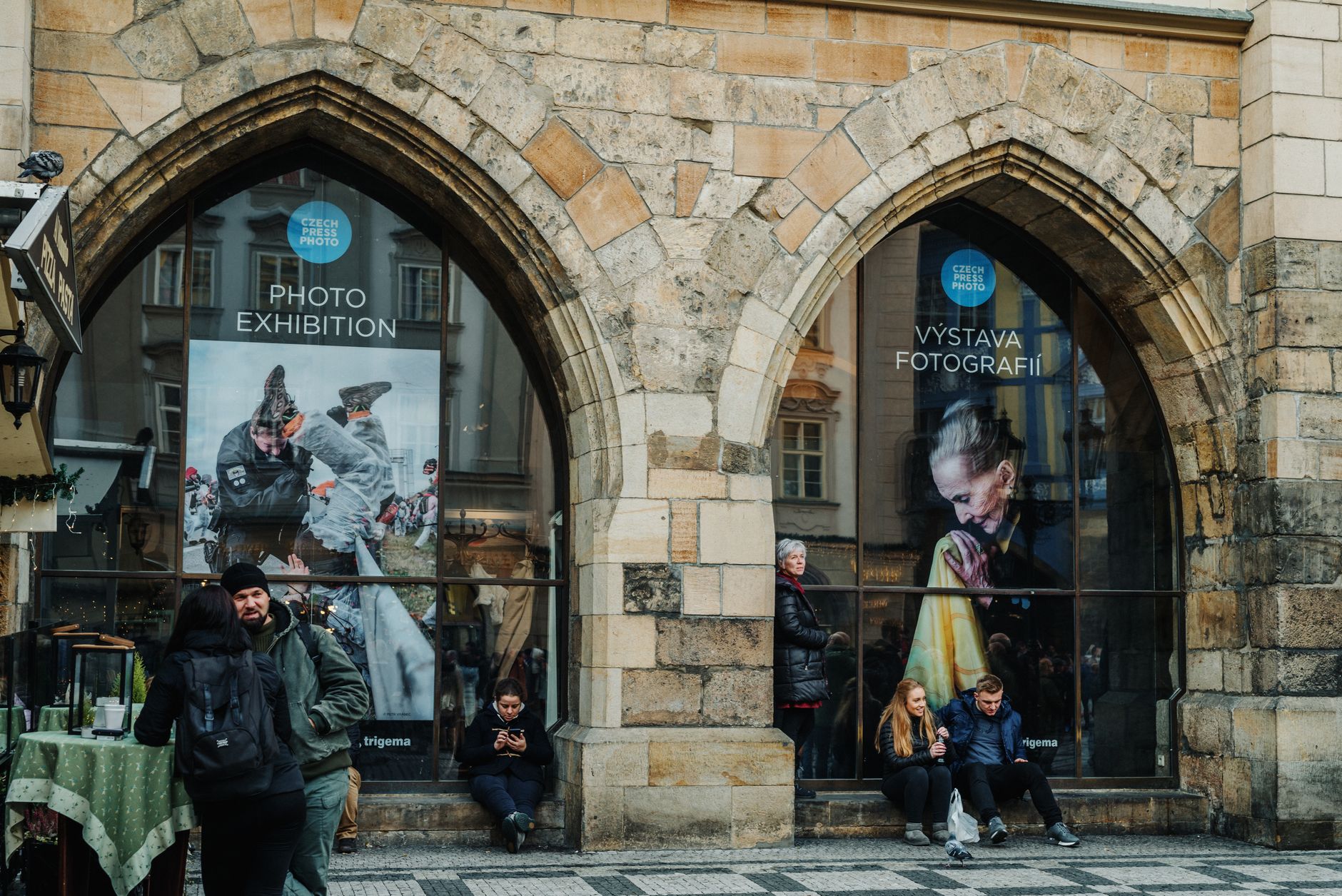
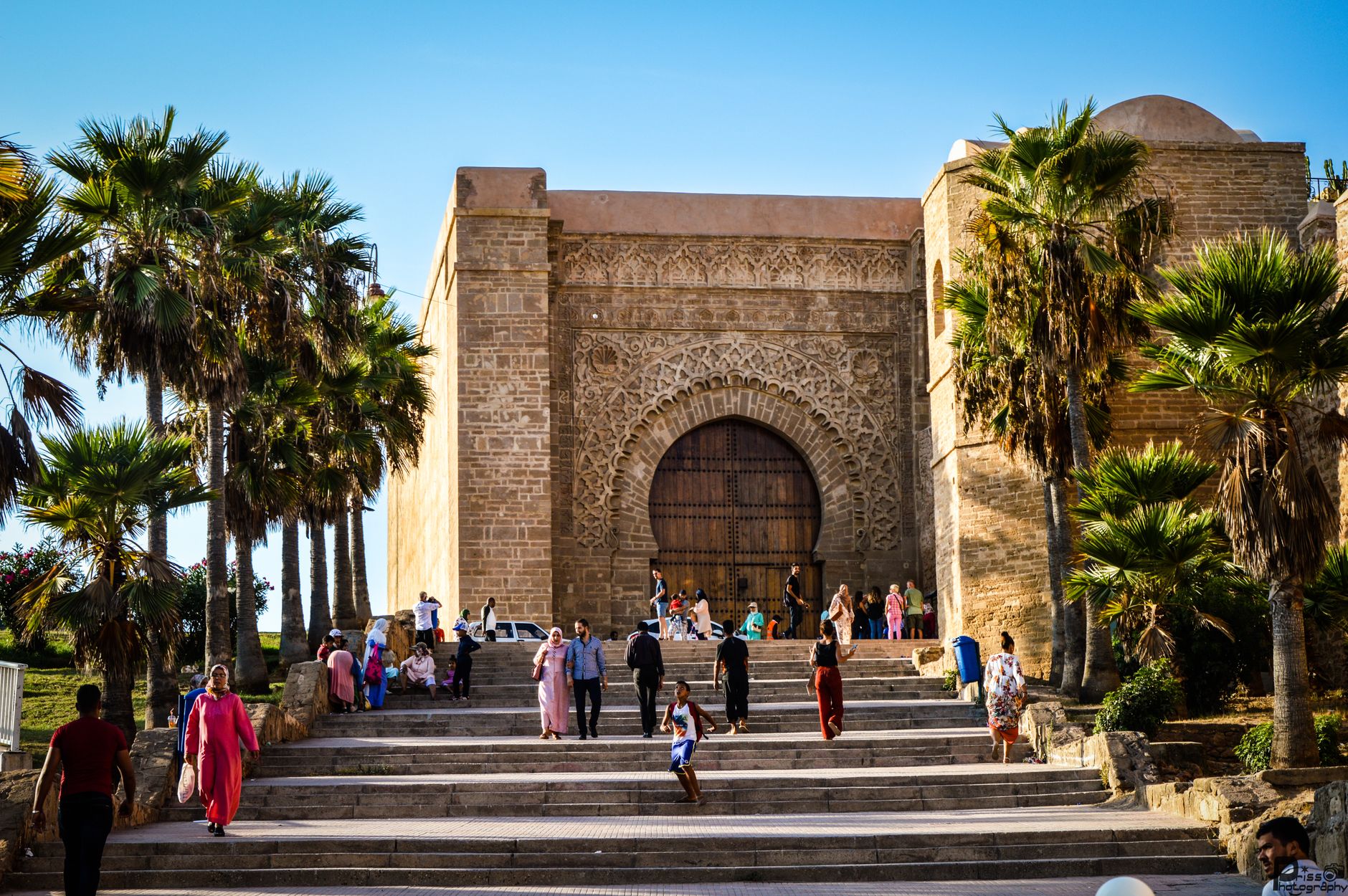
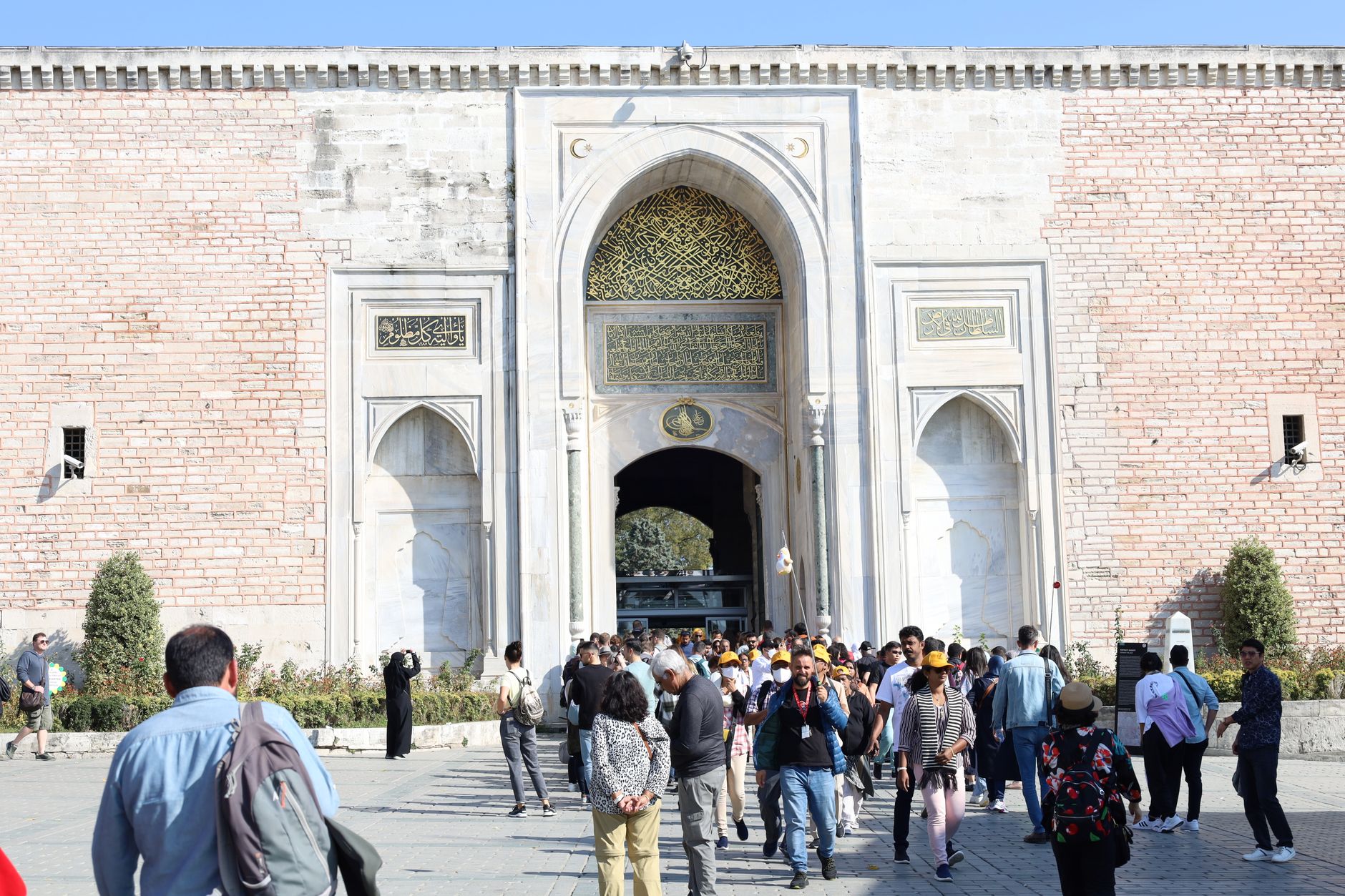
The entrance to the Saadian Tombs is easy to miss. There's no grand gate, no sign in English — just a narrow alleyway running along the southern flank of the Kasbah Mosque, barely wide enough for two people to pass. You follow it, slightly uncertain, until the passage opens and the necropolis reveals itself.
This vestibule moment — the threshold between the ordinary street and one of Marrakech's most intact royal burial complexes — sets the whole visit. The constriction is part of the point. For centuries, this was the only way in, a passage through the mosque itself.
💛 What travellers fall for
People who've been before tend to arrive before 10am, tickets paid in cash at the entrance kiosk. The Kasbah Café across the road is a reliable place to wait if the queue is already forming. And they remind first-timers: the main chamber can only be viewed from its doorway, so patience at that threshold pays off.
How Entrance Vestibule came to be
The Saadian Tombs date to the mid-sixteenth century, when the second Saadian sultan, Moulay Abdallah al-Ghalib, built the first mausoleum here between 1557 and 1574. His successor Ahmad al-Mansur, who ruled from 1578 to 1603, expanded and embellished the complex into what survives today.
After the Saadian dynasty fell, the Alaouite sultan Moulay Ismail had the entrance sealed in the early eighteenth century — less an act of destruction than of erasure. The tombs sat undisturbed for roughly two centuries until 1917, when French Protectorate authorities rediscovered them. It was the French who cut the current alleyway approach, giving visitors a route that bypasses the mosque entirely.
Who and what shaped it
People who shaped it
Landmark buildings
See Entrance Vestibule in motion
Plan your visit
On the map
When to go
Spring (March to May) and autumn (late September through November) are the most comfortable seasons, with daytime temperatures between 20°C and 30°C. Summer is relentlessly hot — often above 35°C — and the narrow entrance alley offers no shade while you wait.
Right now
Background & history adapted from Wikipedia (CC BY-SA) · specs from Wikidata (CC0) · weather from Open-Meteo · map data © OpenStreetMap contributors · photos from Wikimedia Commons / Unsplash with per-image credit. No third-party reviews or social posts reproduced.